Loading subject page…

- Cell Biology
- Protein Function
- Cofactors and Coenzymes
Micro-course: Protein Function
46,911 views
Learn key concepts and earn your certificate.

Cofactors and Coenzymes

00:00
01:24
Video Summary: What are Cofactors and Coenzymes
Did you know that many life-saving medications like aspirin work by targeting enzyme helpers called cofactors and coenzymes? These non-protein molecular partners are essential for enzyme function, transforming inactive apoenzymes into active holoenzymes. For instance, the zinc cofactor in carbonic anhydrase helps regulate blood pH in your lungs right now. Understanding what are cofactors and coenzymes reveals how cellular processes maintain life itself. Watch the full video on JoVE Coach to master this concept with expert-led visuals and step-by-explanations.
- Understand what are cofactors and coenzymes and their essential roles in enzyme catalysis
- Identify the structural differences between inorganic cofactors (metal ions) and organic coenzymes
- Analyze how apoenzymes combine with cofactors to form catalytically active holoenzymes
- Compare prosthetic groups that bind covalently versus cosubstrates that bind transiently
- Recognize real-world examples like zinc in carbonic anhydrase and NAD+ in alcohol dehydrogenase
- Evaluate the biochemical significance of cofactor recycling in metabolic pathways
- Apply knowledge of cofactor-enzyme relationships to predict enzyme activity patterns
- Explore how cofactor deficiencies lead to specific diseases and metabolic disorders
Understanding What Are Cofactors and Coenzymes
Enzymes are biological catalysts, but many cannot function alone. They require non-protein helpers called cofactors and coenzymes to achieve their full catalytic potential. This partnership transforms an inactive apoenzyme (enzyme without its helper) into a fully functional holoenzyme (complete enzyme-cofactor complex). This concept appears frequently on AP Biology exams and forms the foundation for understanding cellular metabolism in college biochemistry courses.
Inorganic Cofactors: Metal Ion Partners
Inorganic cofactors are typically metal ions that stabilize enzyme structure or participate directly in catalysis. Zinc serves as a cofactor for over 300 human enzymes, including carbonic anhydrase, which converts carbon dioxide to bicarbonate in red blood cells. Iron cofactors enable oxygen transport in hemoglobin and electron transfer in cellular respiration. Magnesium cofactors are essential for DNA polymerase during replication. Students preparing for the MCAT should memorize common metal cofactors: zinc (Zn2+), iron (Fe2+/Fe3+), magnesium (Mg2+), and copper (Cu2+/Cu+).
Organic Coenzymes: Complex Molecular Assistants
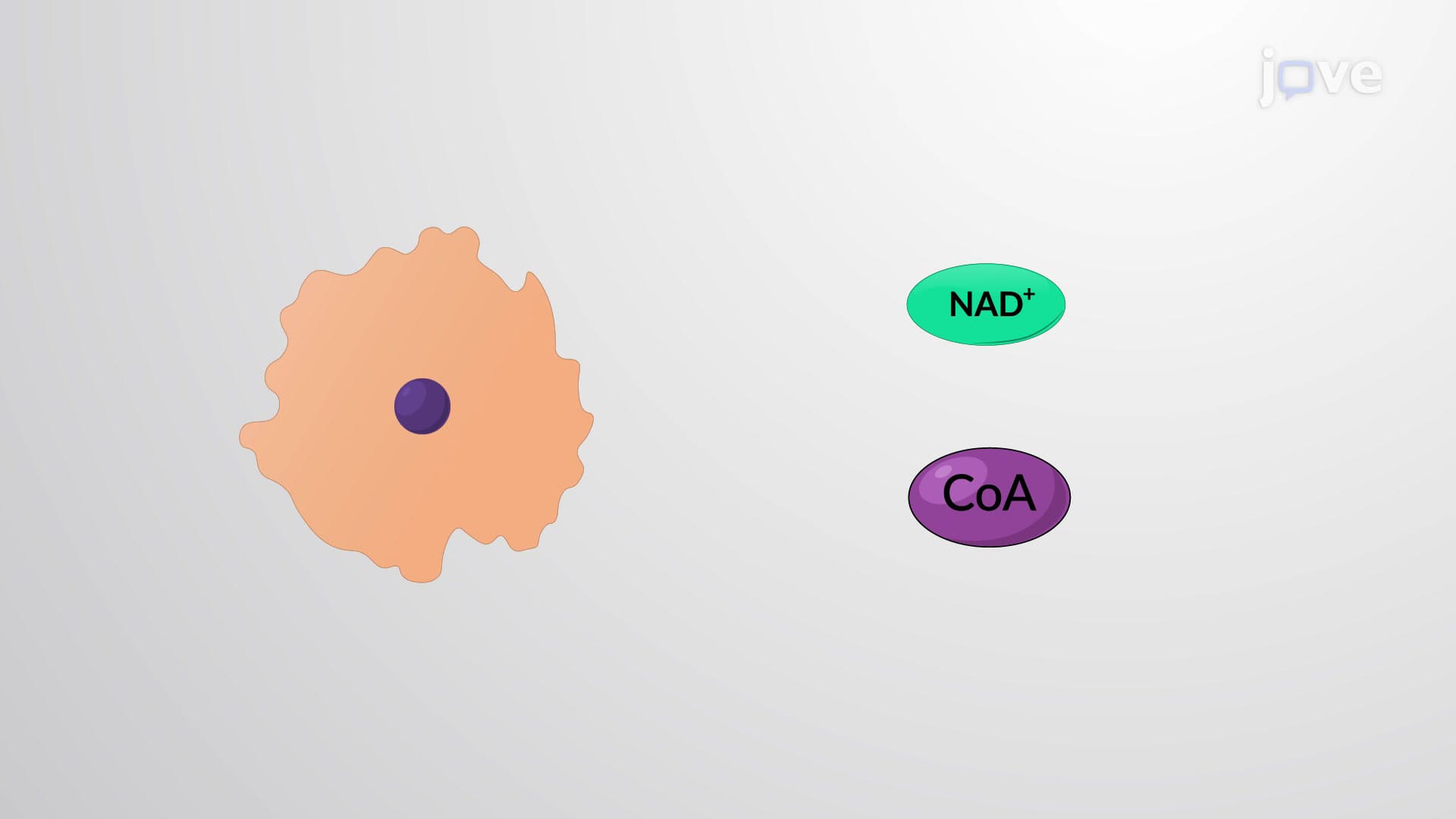
Coenzymes are organic molecules that assist in enzyme catalysis, often derived from vitamins. NAD+ (nicotinamide adenine dinucleotide) accepts electrons during cellular respiration, becoming NADH. Coenzyme A carries acetyl groups in fatty acid metabolism. FAD (flavin adenine dinucleotide) participates in the citric acid cycle. These coenzymes are recycled repeatedly, unlike substrates that are consumed. Understanding coenzyme recycling helps explain why vitamin deficiencies cause specific diseases-scurvy from vitamin C deficiency affects collagen synthesis, while beriberi from thiamine deficiency disrupts energy metabolism.
Prosthetic Groups Versus Cosubstrates
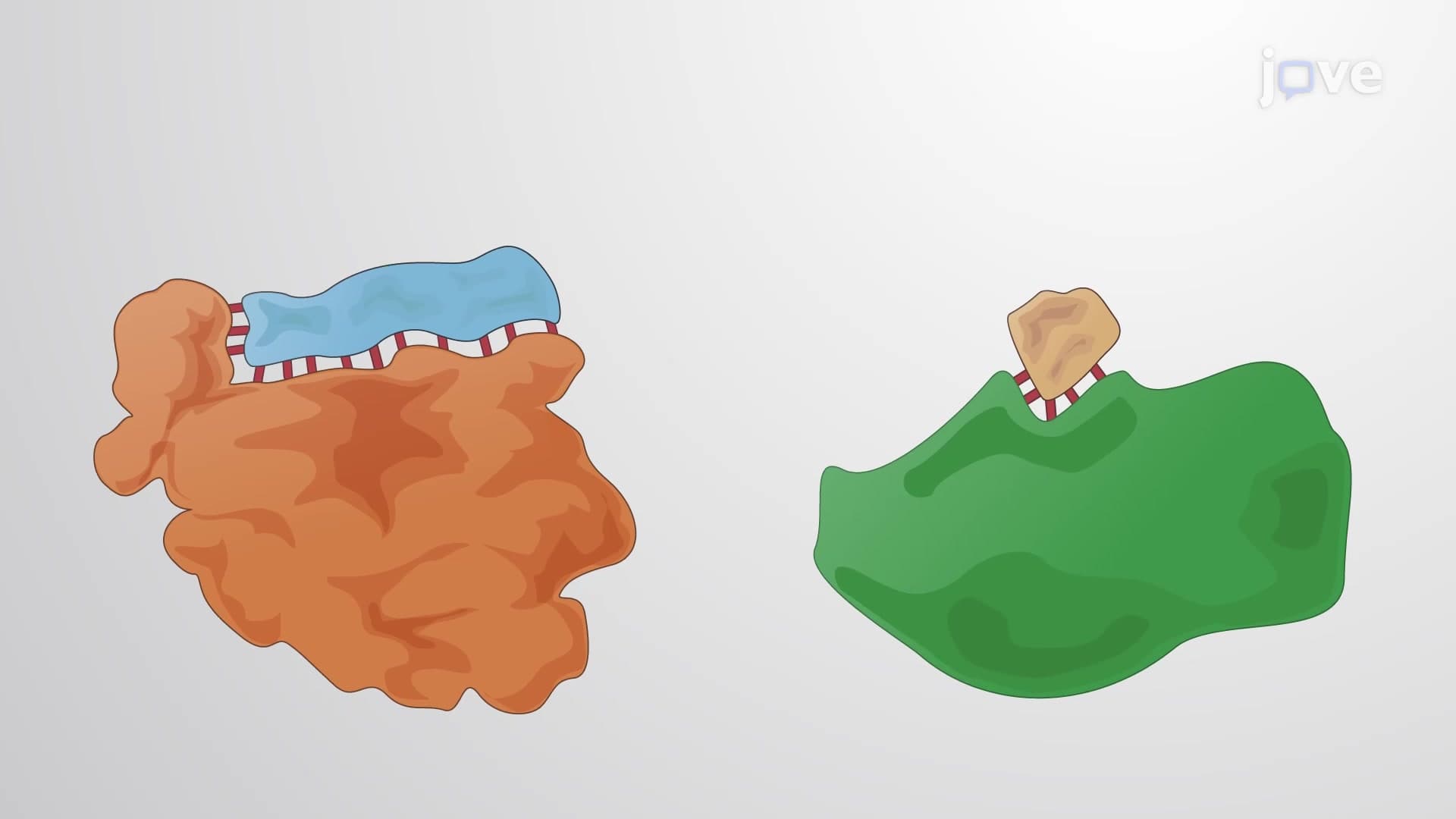
The binding strength between enzymes and their helpers varies significantly. Prosthetic groups form tight covalent bonds with apoenzymes, like heme groups in hemoglobin and cytochrome enzymes. These permanent attachments create stable enzyme-cofactor complexes. Conversely, cosubstrates bind transiently, associating only during specific reaction steps. NAD+ exemplifies this behavior-it binds to alcohol dehydrogenase, accepts electrons, becomes NADH, then dissociates for regeneration. This distinction frequently appears on college biochemistry exams, particularly when analyzing enzyme kinetics and metabolic pathway regulation.
Frequently Asked Questions
Cofactors are non-protein helpers that make enzymes work properly, while coenzymes are a specific type of cofactor made from organic molecules. Think of cofactors as the broader category (including metal ions like zinc) and coenzymes as the organic subset (like NAD+ and coenzyme A). Both are essential for enzyme function, but coenzymes are typically more complex molecules often derived from vitamins.
These concepts frequently appear as multiple-choice questions about enzyme structure, essay questions linking vitamin deficiencies to diseases, and data interpretation problems involving enzyme activity. Common exam topics include identifying cofactor types, explaining how prosthetic groups differ from cosubstrates, and analyzing metabolic pathways where coenzymes transfer electrons or chemical groups. Practice drawing the NAD+/NADH cycle and memorizing metal ion cofactors.
Yes, the MCAT expects familiarity with key examples like zinc in carbonic anhydrase, iron in hemoglobin, and NAD+ in dehydrogenase reactions. Focus on understanding the functional relationships rather than just memorizing names. Know how cofactor deficiencies affect physiological processes, as this connects biochemistry to clinical scenarios that frequently appear in MCAT passages.
Many medications target cofactor-dependent enzymes, like aspirin inhibiting cyclooxygenase enzymes involved in inflammation. Vitamin deficiencies demonstrate cofactor importance-patients with pernicious anemia lack vitamin B12, affecting DNA synthesis enzymes. Alcohol poisoning treatments use the fact that alcohol dehydrogenase requires NAD+ as a coenzyme, creating a bottleneck that limits alcohol metabolism rates.
Not at all! These concepts build logically on basic enzyme knowledge from introductory biology. Start with the simple analogy that enzymes need "helpers" to work properly, then gradually add complexity. Many high school students successfully learn these concepts for AP Biology, and understanding them early provides excellent preparation for college-level biochemistry and health science programs.
Create concept maps linking specific cofactors to their enzymes and functions, then practice with active recall. Make flashcards for metal ion cofactors (zinc, iron, magnesium) and organic coenzymes (NAD+, FAD, coenzyme A). Draw out electron transfer cycles showing how NAD+ becomes NADH and back. Connect each concept to real physiological processes or diseases to strengthen retention.
Build on this foundation by exploring enzyme regulation mechanisms, including competitive and non-competitive inhibition. Study metabolic pathways like glycolysis and cellular respiration, where coenzymes play crucial roles in energy production. Advanced topics include enzyme kinetics, allosteric regulation, and how enzyme deficiencies cause inherited metabolic disorders.
Prosthetic groups form multiple strong chemical bonds with their enzymes, including covalent bonds, hydrogen bonds, and hydrophobic interactions. This creates a permanent attachment, like heme groups welded into hemoglobin. Cosubstrates bind through weaker interactions designed for temporary association, allowing them to attach, participate in the reaction, then leave to be recycled for the next reaction cycle.
Related Micro-courses
10 Concepts

17 Concepts
18 Concepts