Loading video…


 12 Concepts
 46.9K views

Video Summary: What are Ligand Binding Sites
Ever wonder how insulin knows exactly where to dock in your cells during blood sugar regulation? Ligand binding sites are specialized protein regions where molecules attach through precise molecular recognition, much like how the diabetes medication metformin targets specific binding sites on liver enzymes to control glucose production. These binding pockets determine protein function through lock-and-key interactions that drive everything from enzyme catalysis to cellular signaling. Watch the full video on JoVE Coach to master this concept with expert-led visuals and step-by-step explanations.
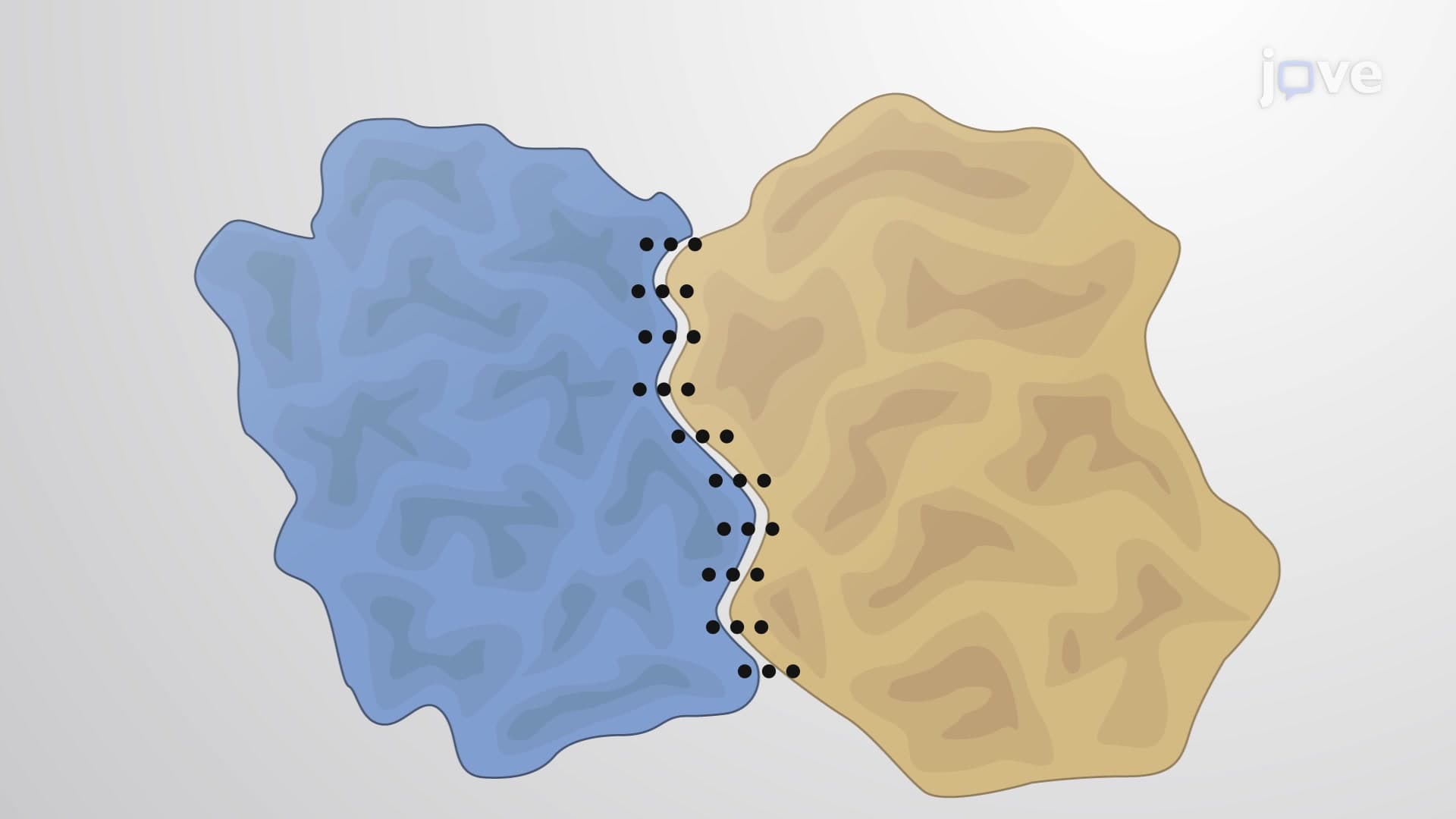
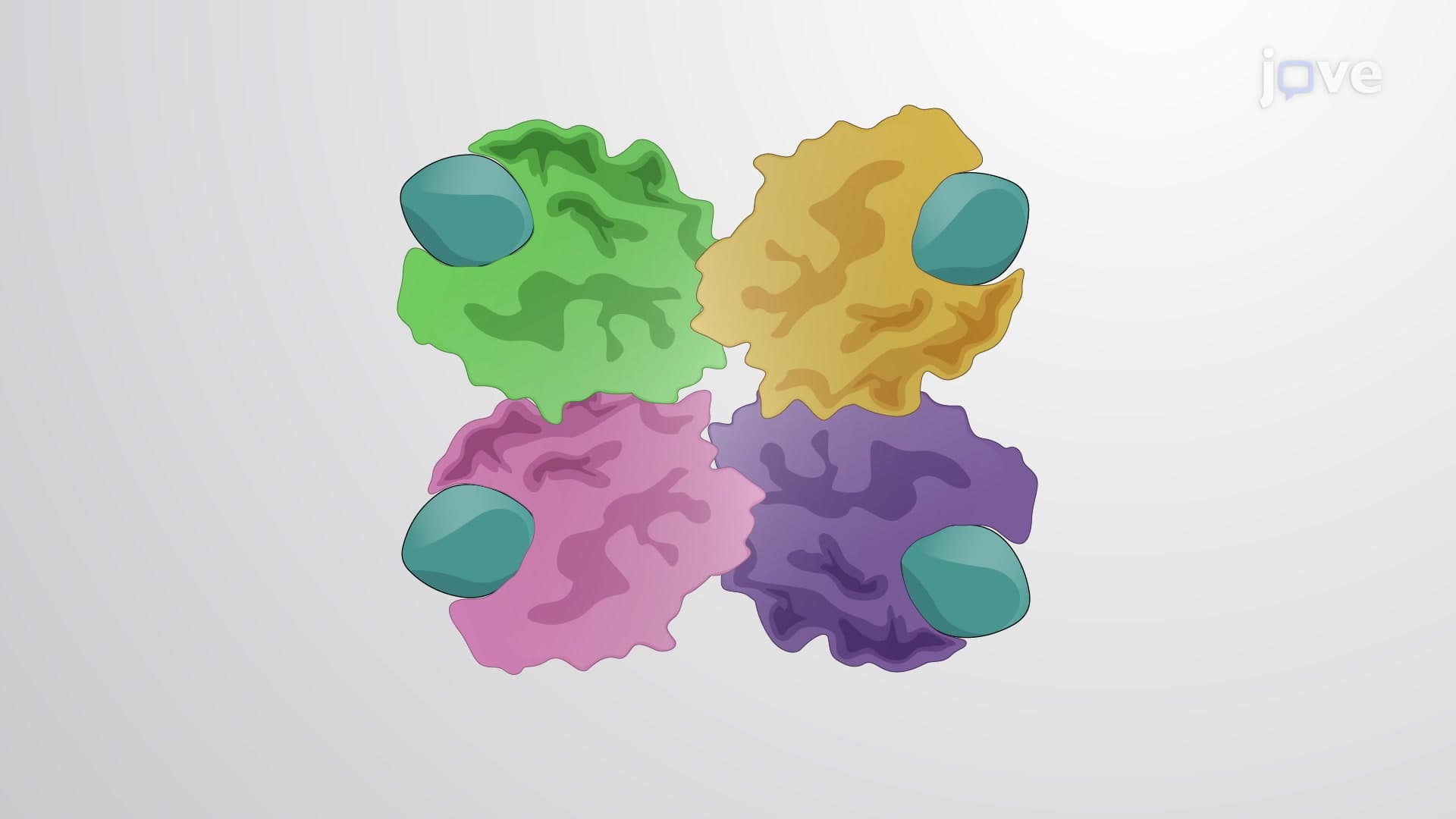
Ligand binding sites represent one of biology's most elegant solutions to molecular recognition. These specialized regions on protein surfaces act as highly selective docking stations where specific molecules-from tiny ions to complex organic compounds-attach to trigger biological responses. The precision of these interactions underlies virtually every cellular process, from metabolism to gene regulation.
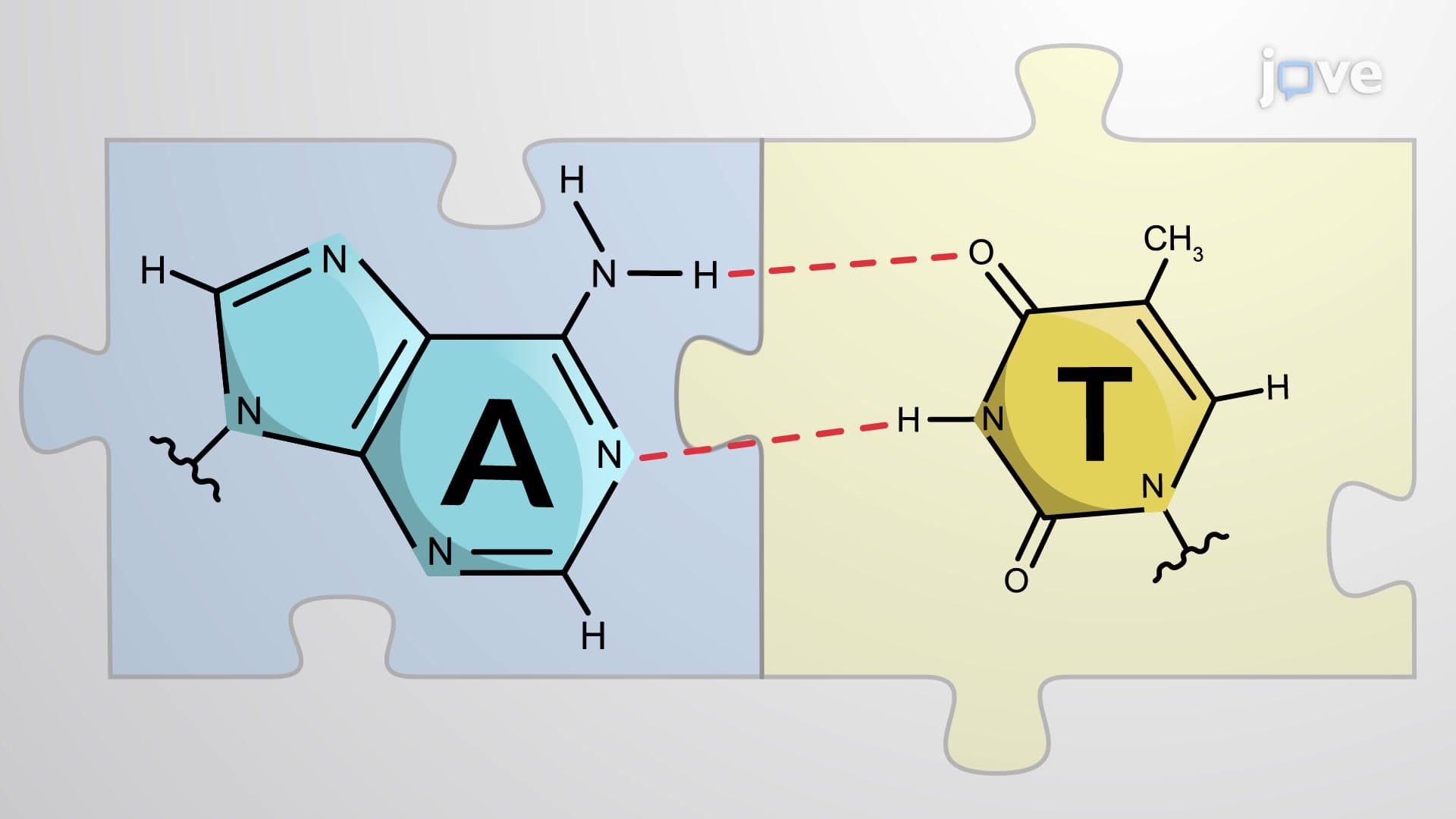
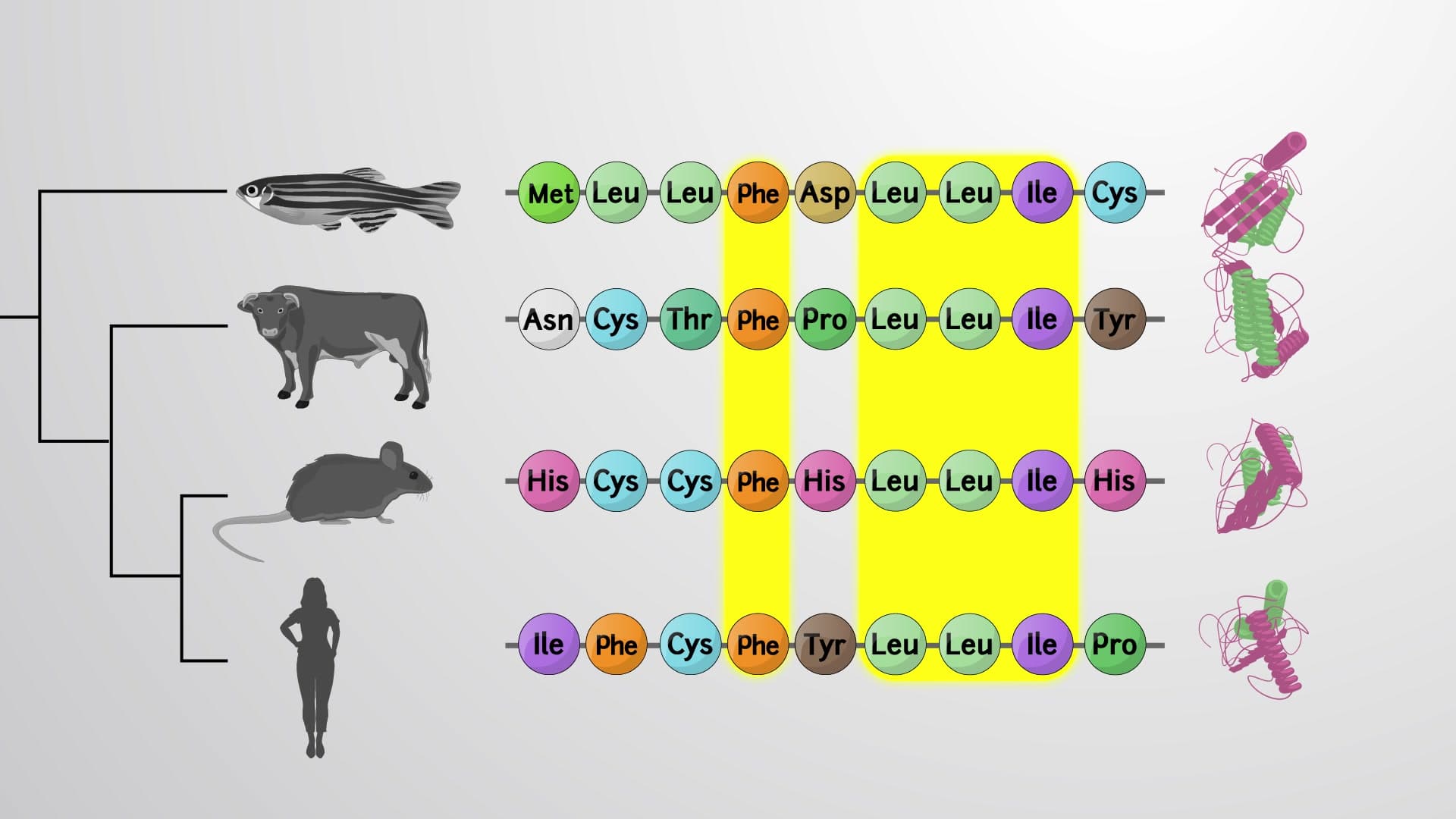
The architecture of binding sites reflects millions of years of evolutionary fine-tuning. These pockets typically feature complementary shapes and chemical properties that match their target ligands. Key structural elements include hydrophobic patches for nonpolar molecule interactions, charged residues for ionic bonds, and polar amino acids capable of hydrogen bonding.
Two primary models explain ligand-protein interactions. The classical lock-and-key model proposes rigid complementarity between ligand and binding site, like a key fitting perfectly into a lock. However, modern research favors the induced fit hypothesis, which recognizes that both protein and ligand undergo conformational adjustments upon binding. This flexibility explains how enzymes like hexokinase can accommodate glucose while excluding larger sugars.
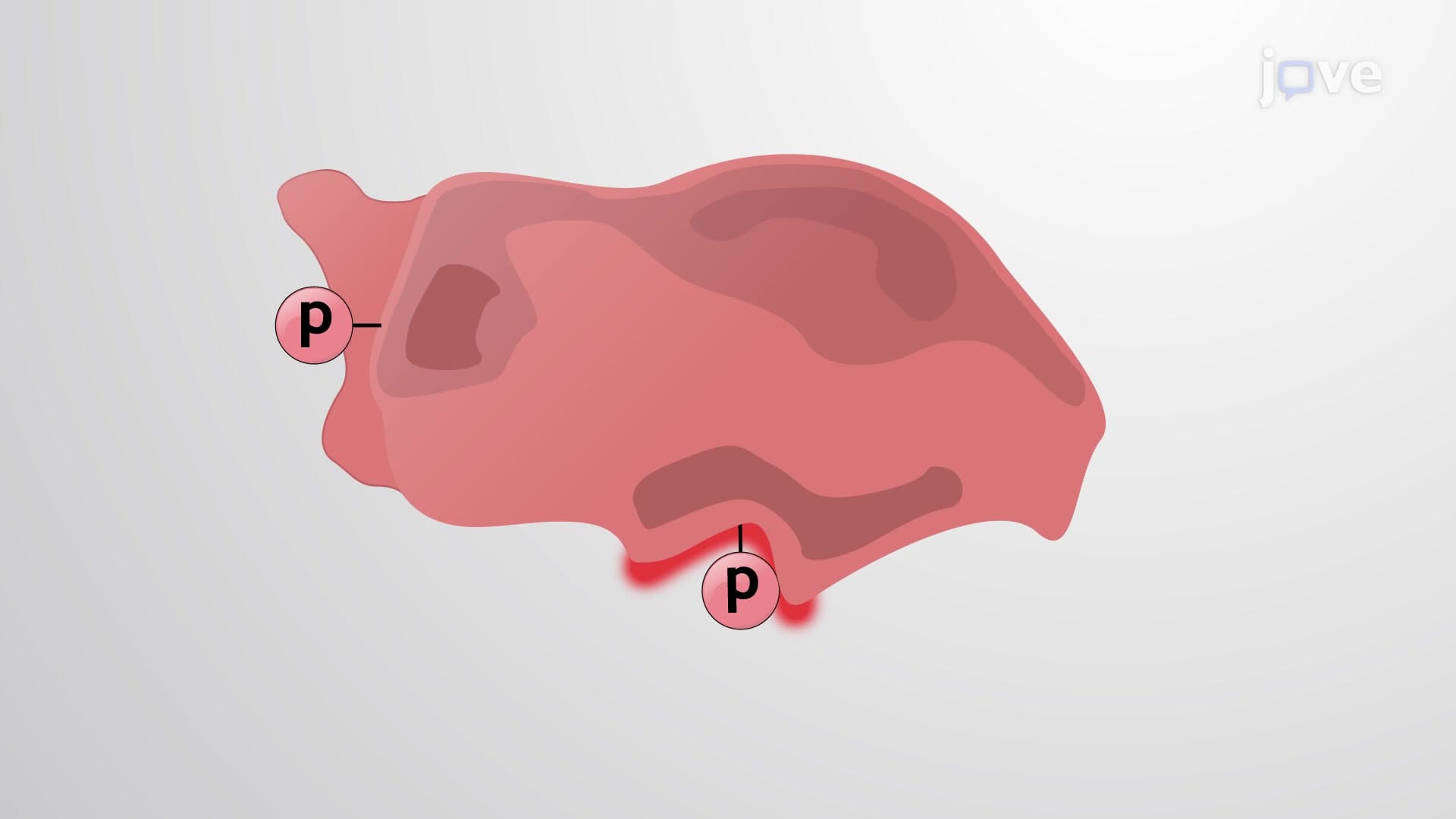
Beyond the primary active site, many proteins contain allosteric binding sites-regulatory regions where ligand binding induces conformational changes that affect protein function at distant locations. The classic example is hemoglobin's cooperative oxygen binding, where oxygen attachment at one subunit increases affinity at remaining binding sites. This principle is crucial for understanding enzyme regulation and drug action.
Understanding ligand binding sites directly translates to therapeutic breakthroughs. Consider how ACE inhibitors like lisinopril treat hypertension by blocking the angiotensin-converting enzyme's active site, preventing formation of the vasoconstrictor angiotensin II. Similarly, statins lower cholesterol by occupying the binding site of HMG-CoA reductase, the rate-limiting enzyme in cholesterol synthesis.
Modern drug discovery relies heavily on computational docking studies that predict how potential therapeutics interact with target binding sites. The FDA-approved HIV protease inhibitors exemplify this approach-these drugs were designed to mimic natural peptide substrates while remaining non-cleavable, effectively jamming the enzyme's active site.
For students preparing for the MCAT or AP Biology exams, focus on how binding site specificity relates to enzyme kinetics and competitive inhibition. Understanding these molecular interactions provides the foundation for advanced topics in biochemistry and pharmacology courses.
Related Micro-courses