Loading video…


 12 Concepts
 46.9K views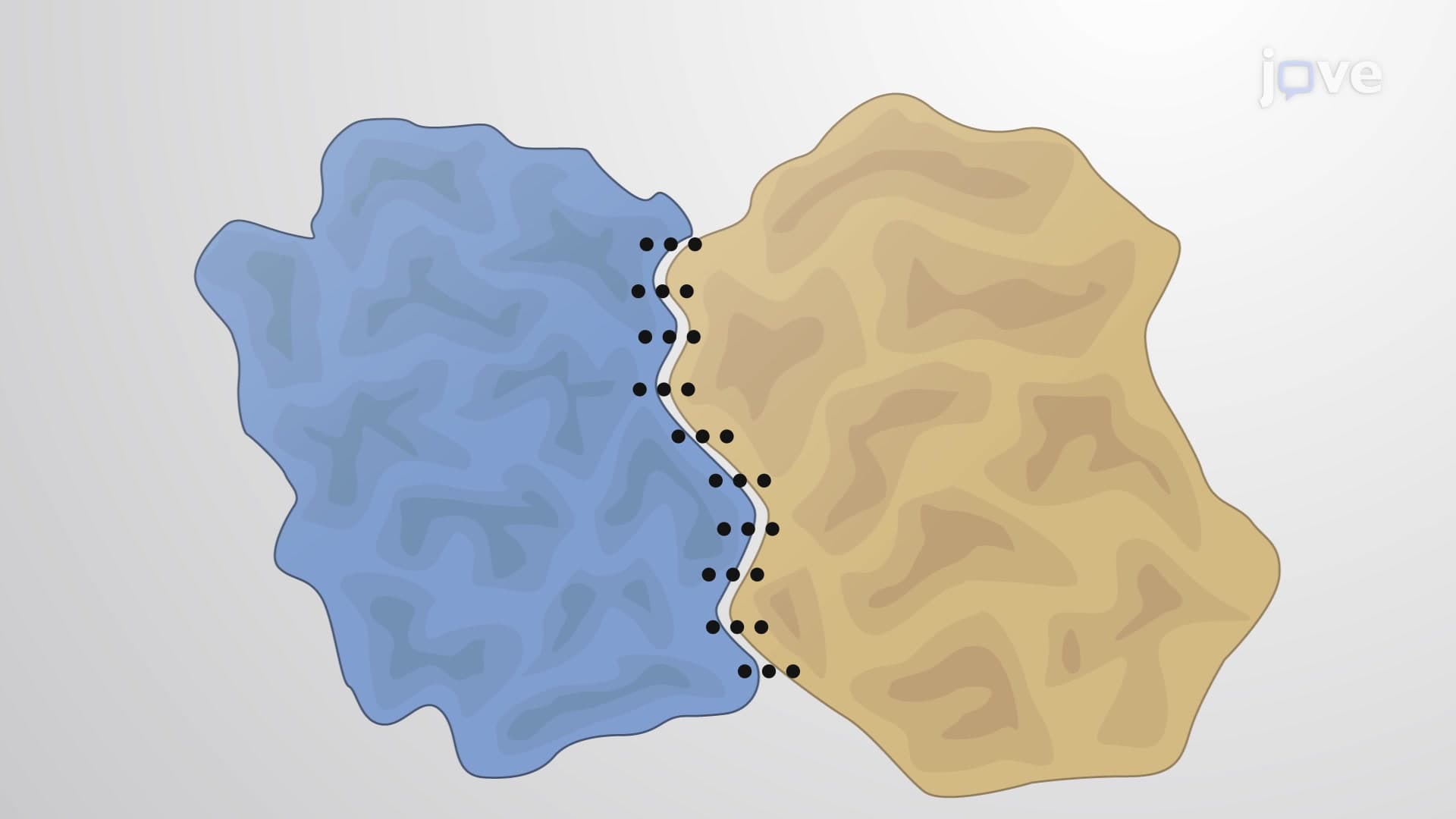

Video Summary: What Is Protein Protein Interfaces
When you get a COVID-19 vaccine, your immune system recognizes the virus through protein protein interfaces, the precise molecular handshakes between antibody and viral proteins. These specialized binding regions on protein surfaces enable selective, high-affinity interactions that drive everything from hormone signaling to muscle contraction in the human body. Understanding what is protein protein interfaces reveals how cellular machinery achieves remarkable specificity and coordination. Watch the full video on JoVE Coach to master this concept with expert-led visuals and step-by-step explanations.
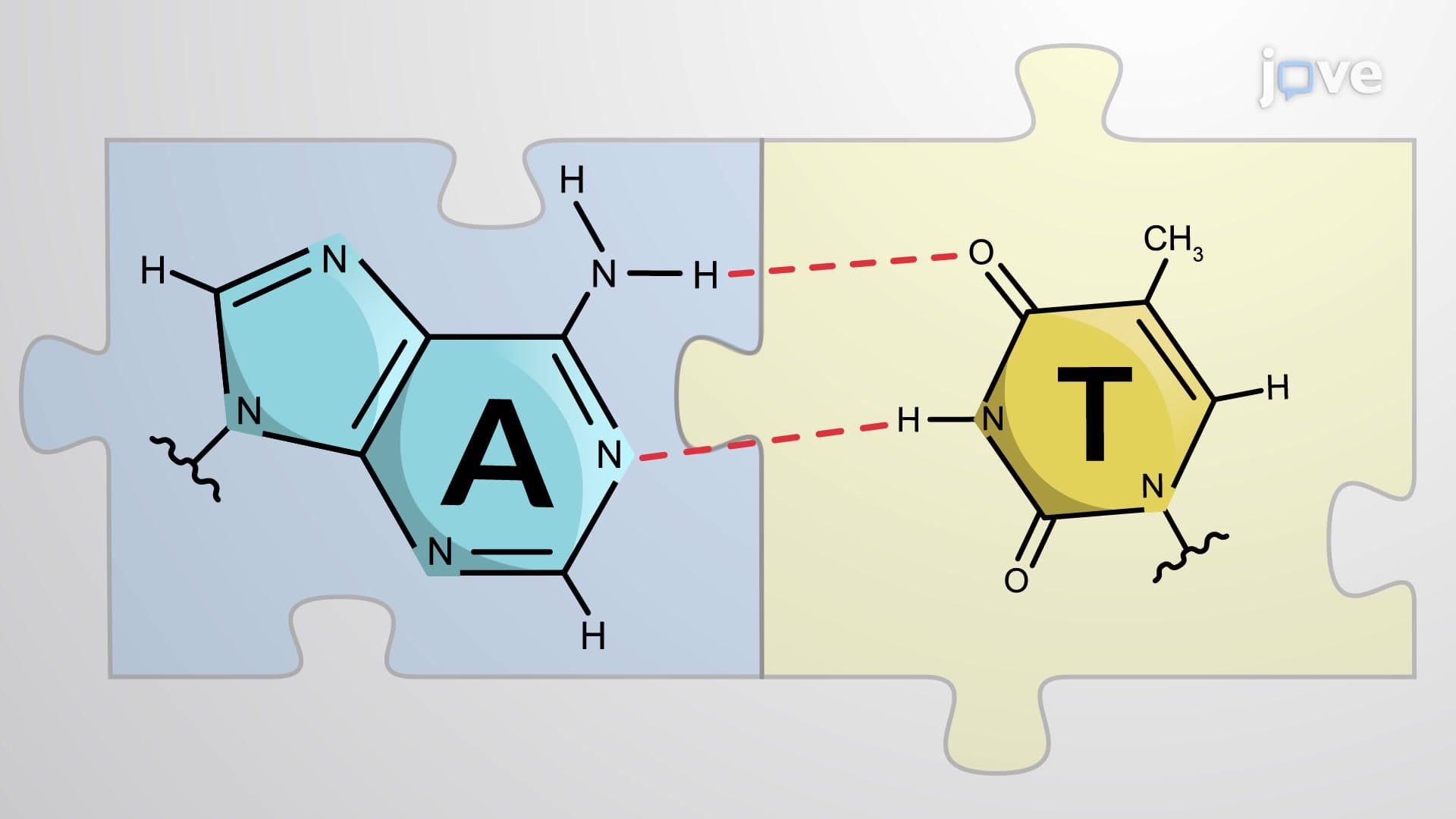
Protein protein interfaces represent one of biology's most elegant solutions to cellular organization and communication. These specialized surface regions enable proteins to form stable, specific complexes that execute virtually every biological process, from DNA replication to immune defense. At their core, these interfaces are complementary molecular surfaces where proteins achieve recognition through precise geometric and chemical matching.
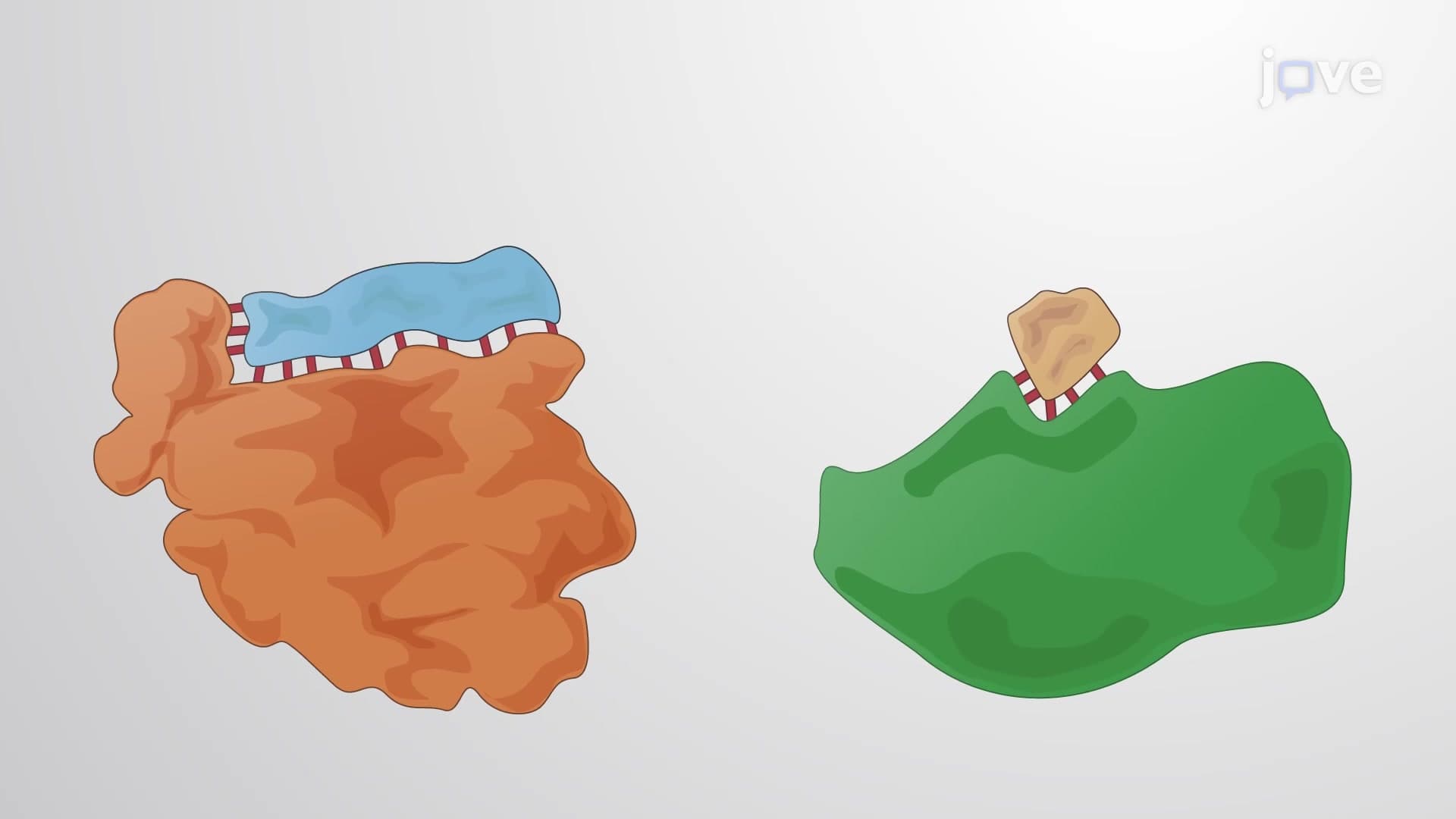
The architecture of protein-protein binding sites follows predictable patterns that students encounter throughout biochemistry coursework. Interface regions typically span 1,500-3,000 square Angstroms and involve 15-40 amino acid residues from each protein partner. These binding surfaces exhibit remarkable complementarity in both shape and electrostatic properties, creating what biochemists call "hot spots", critical residues that contribute disproportionately to binding energy.
The classic lock-and-key model, while simplified, helps students visualize how rigid complementarity drives initial recognition. However, the induced fit model better explains real-world binding, where proteins undergo conformational changes upon interaction. Consider insulin binding to its receptor: the hormone induces structural rearrangements that propagate the signal throughout the cell, ultimately regulating glucose metabolism.
Binding strength, quantified by the dissociation constant (Kd), determines whether protein complexes form under physiological conditions. Strong interactions (Kd in nanomolar range) characterize structural proteins like those in muscle sarcomeres, while weaker interactions (Kd in micromolar range) enable reversible regulatory processes. This concept frequently appears on MCAT biochemistry sections and AP Biology exams, where students must predict complex stability under varying cellular conditions.
Modern medicine leverages protein interface knowledge extensively. Monoclonal antibodies like those treating rheumatoid arthritis (adalimumab/Humira) work by blocking TNF-alpha protein interactions that drive inflammation. Cancer immunotherapy drugs such as pembrolizumab (Keytruda) disrupt PD-1/PD-L1 interfaces, unleashing T-cell responses against tumors. These examples illustrate how interface disruption creates therapeutic opportunities.
In biotechnology, protein interface engineering enables the development of biosensors, improved enzymes for industrial processes, and novel protein-based materials. Companies like Genentech and Amgen have built entire drug portfolios around manipulating specific protein-protein interactions, demonstrating the field's commercial significance.
Related Micro-courses