Loading video…


 12 Concepts
 46.9K views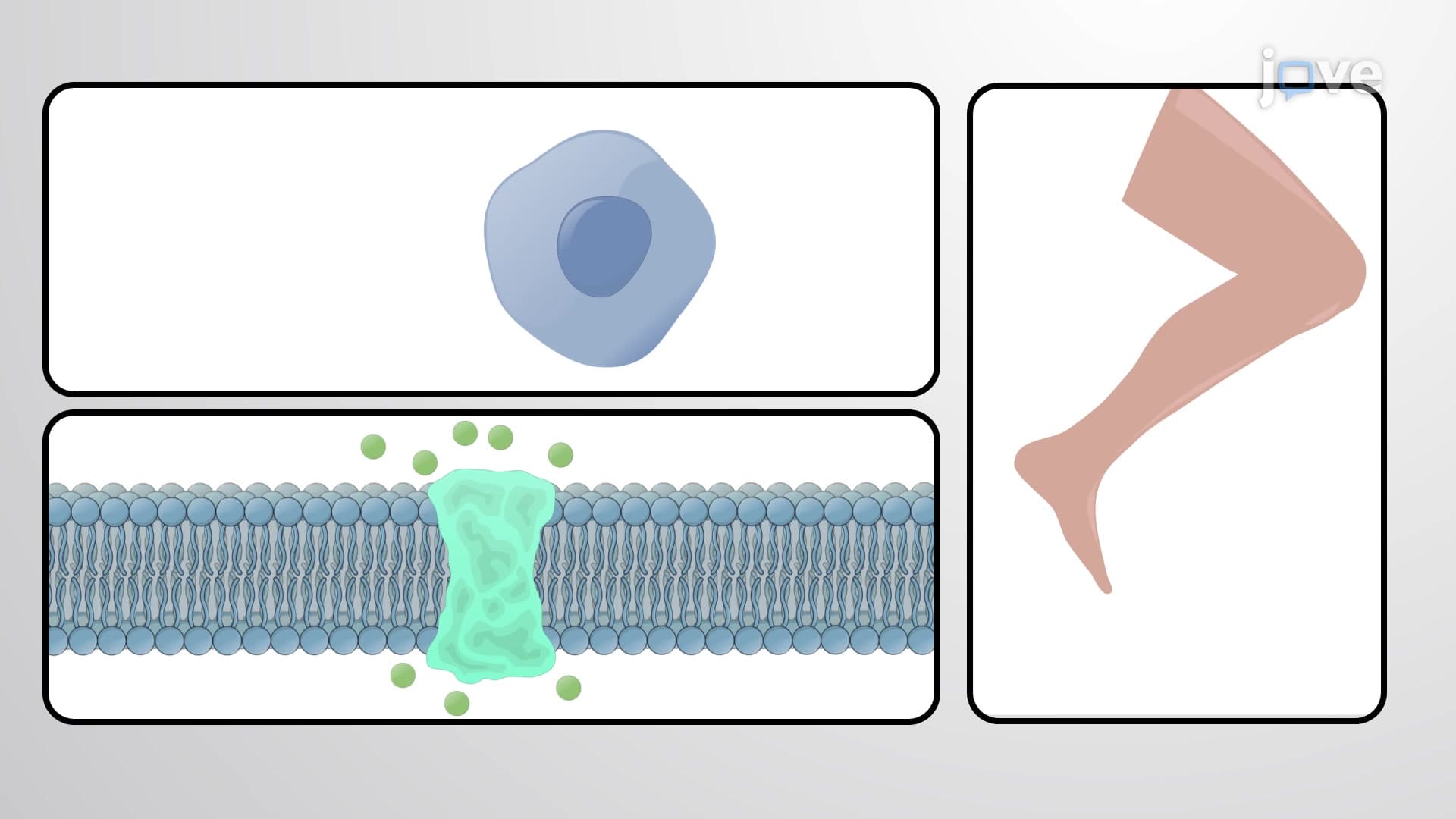

Video Summary: What Is Mechanical Protein Function
Ever wonder how your heart beats over 100,000 times daily without stopping? Mechanical protein function powers this incredible feat, as specialized proteins convert chemical energy into physical movement within cells. These molecular motors, like myosin in cardiac muscle, drive everything from muscle contraction to cellular transport across your body. Watch the full video on JoVE Coach to master this concept with expert-led visuals and step-by-step explanations.
Mechanical protein function represents one of biology's most elegant energy conversion systems, where proteins act as molecular machines that transform chemical energy stored in ATP into mechanical work. Unlike enzymes that catalyze reactions or structural proteins that provide support, mechanical proteins actively generate force and movement within cells.
The three primary motor proteins exemplify mechanical protein function in distinct ways. Myosin motors power muscle contraction by walking along actin filaments, generating the force behind everything from your heartbeat to voluntary movements. In patients with hypertrophic cardiomyopathy, mutations in cardiac myosin disrupt this mechanical function, leading to heart muscle thickening and potential heart failure.
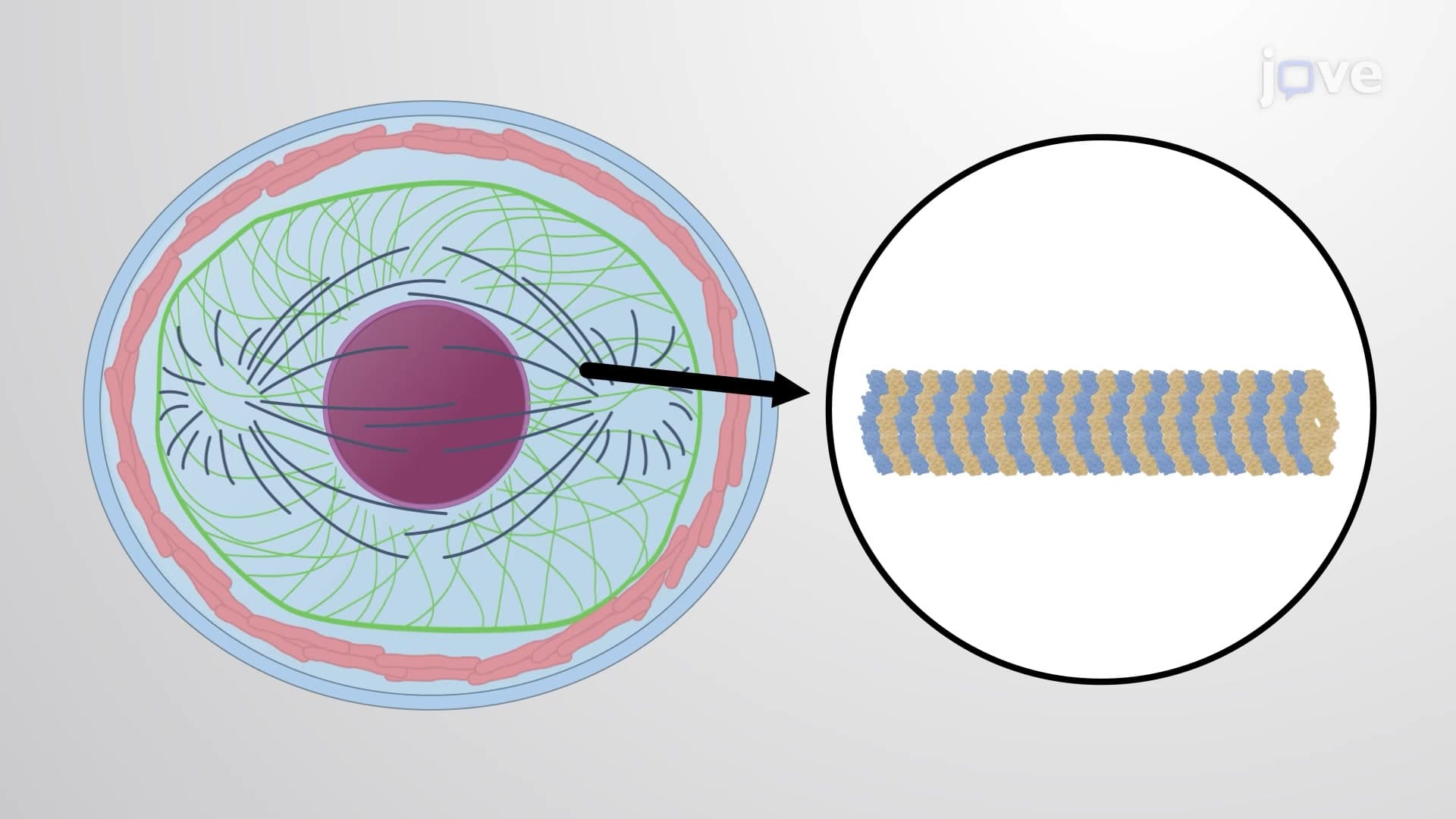
Kinesin motors serve as the cell's cargo transport system, moving organelles and vesicles toward the cell periphery along microtubules. Dynein motors work in reverse, transporting materials back toward the cell center. Defects in these transport systems contribute to neurodegenerative diseases like Alzheimer's, where impaired axonal transport disrupts neuronal function.
The mechanical function of these proteins relies on ATP hydrolysis driving conformational changes. When ATP binds to the motor protein, it triggers a shape change that generates a "power stroke," propelling the protein along its cytoskeletal track. This process repeats cyclically, creating sustained movement. Understanding this mechanism is crucial for AP Biology students studying cellular energetics and appears frequently on MCAT Cell Biology sections.
Research into mechanical protein function has revolutionized our understanding of human disease and inspired nanotechnology applications. Scientists at MIT and Stanford are developing artificial molecular motors based on these natural systems for targeted drug delivery. Additionally, understanding mechanical protein defects helps clinicians diagnose conditions like muscular dystrophies and develop targeted therapies.
Related Micro-courses