Loading video…


 12 Concepts
 46.9K views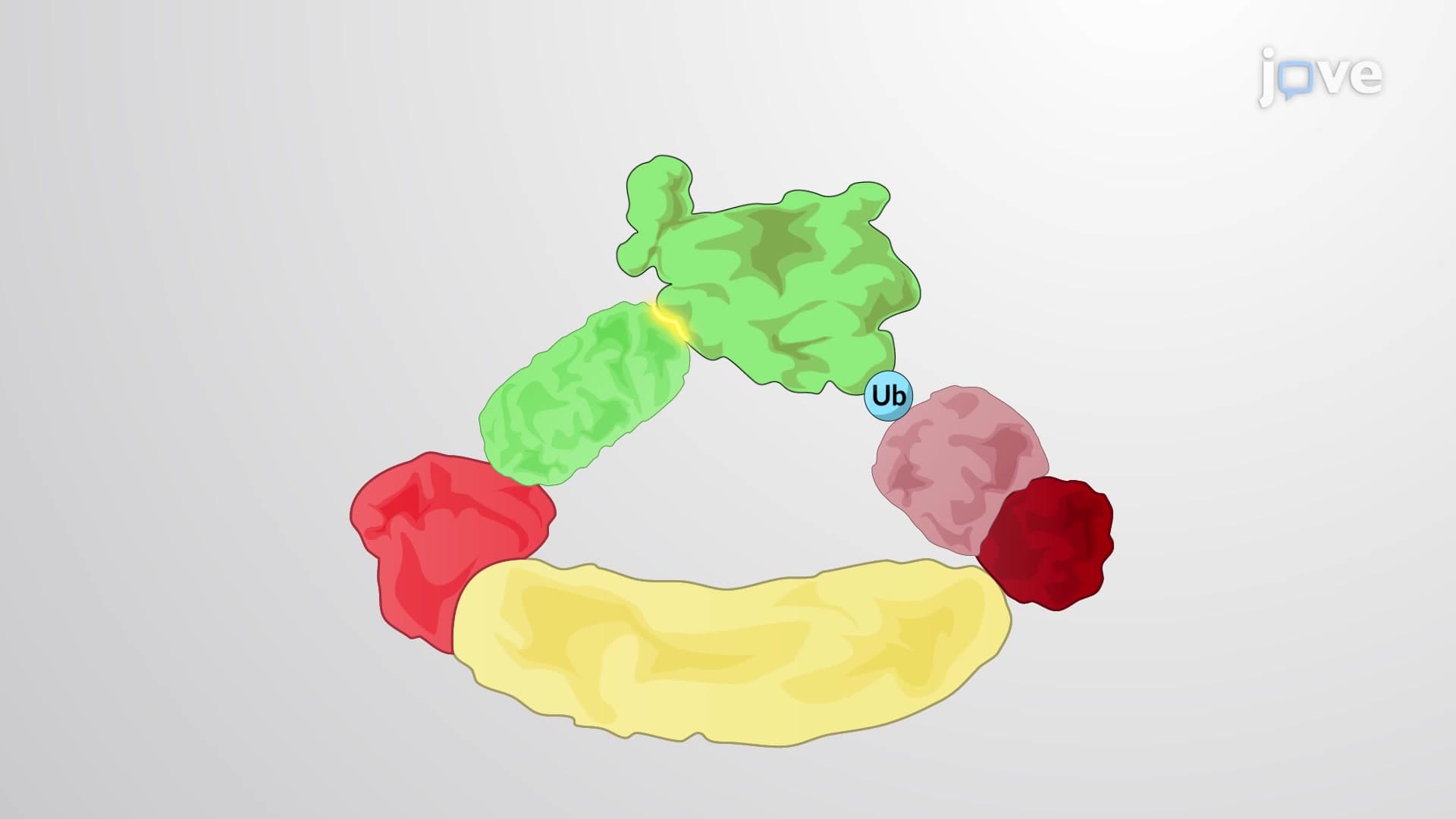

Video Summary: What Is Protein Complexes
Did you know that your cells build protein machines like LEGO sets, swapping parts to create different functions? Protein complexes are multi-subunit molecular machines where individual components can be interchanged without losing overall function. The human proteasome, responsible for protein degradation in diseases like cancer, exemplifies this modularity by assembling different subunit combinations for specialized tasks. This biological adaptability allows cells to fine-tune their responses to changing conditions. Watch the full video on JoVE Coach to master this concept with expert-led visuals and step-by-step explanations.
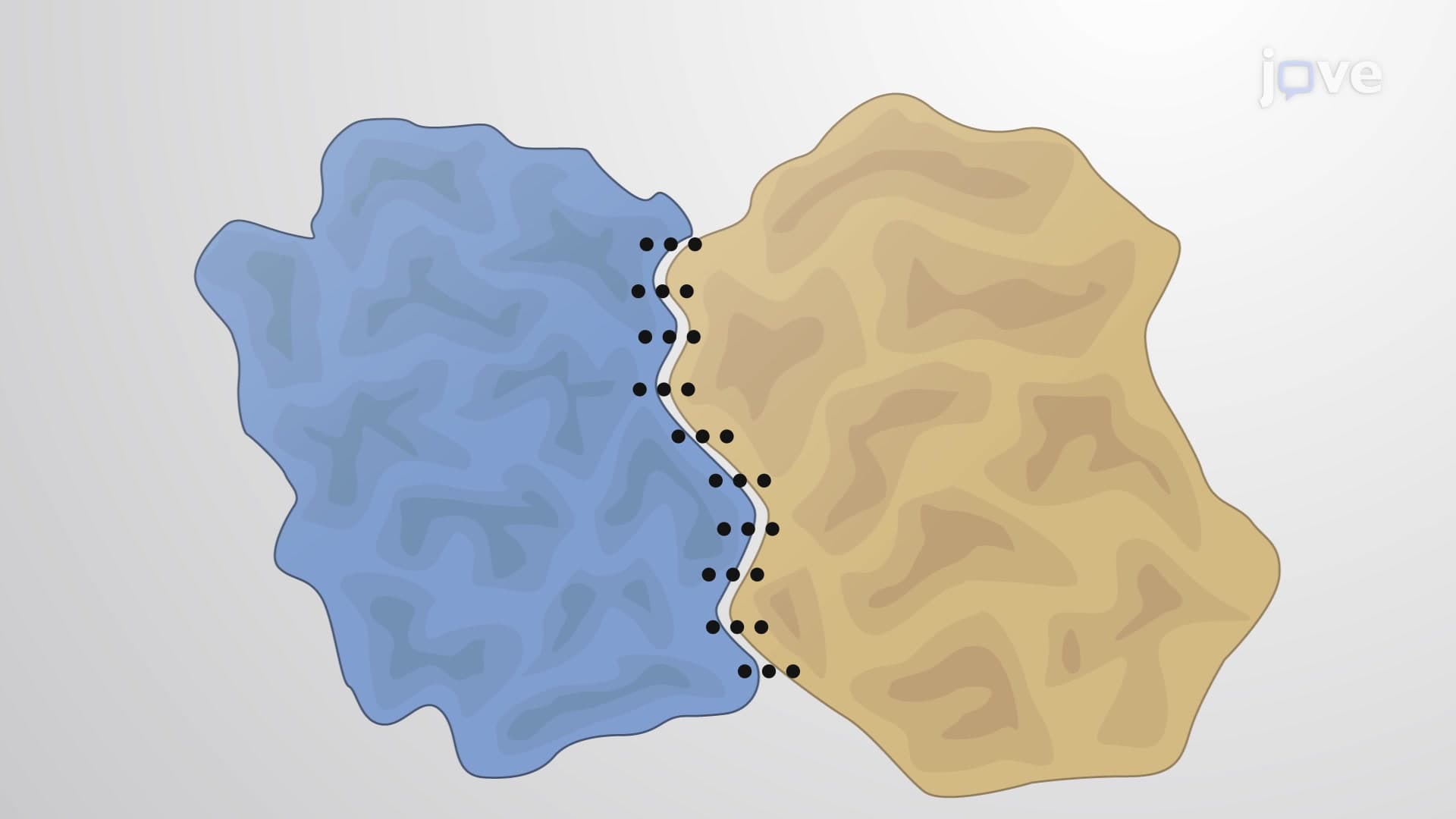
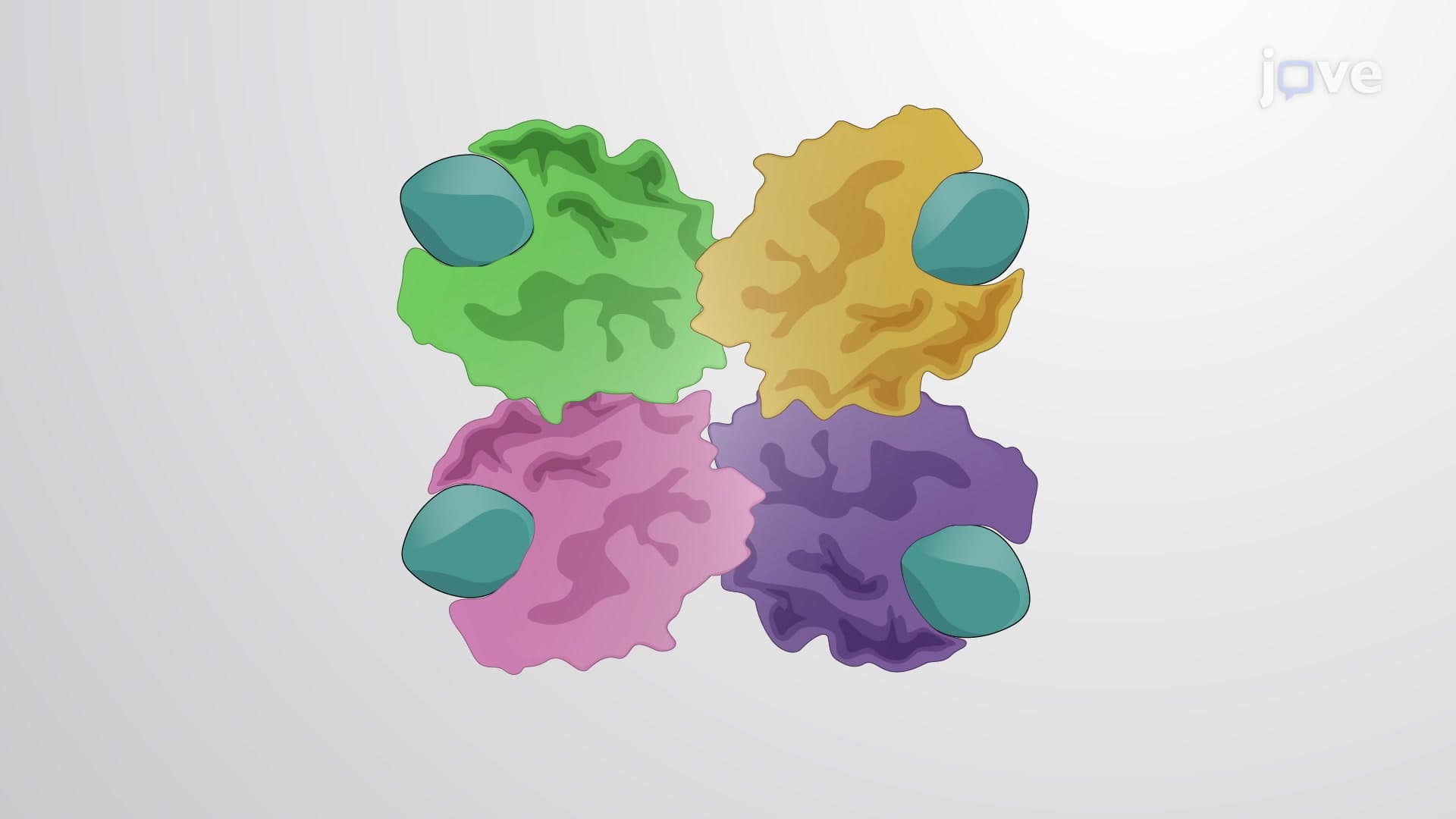
Protein complexes represent sophisticated molecular machines composed of multiple protein subunits that work together to perform specific cellular functions. Unlike single proteins operating in isolation, these multi-subunit assemblies demonstrate remarkable structural plasticity through their ability to incorporate interchangeable parts. This modularity allows cells to create functional diversity without the evolutionary cost of developing entirely new proteins from scratch.
The concept of interchangeable protein subunits revolutionizes our understanding of cellular adaptation. When environmental conditions change, cells can rapidly modify protein complex composition by swapping specific subunits, effectively reprogramming molecular machines for new tasks. This biological strategy proves far more efficient than synthesizing completely different proteins, making it a cornerstone of evolutionary biology studied in AP Biology and college-level biochemistry courses.
The human proteasome exemplifies protein complex modularity in action. This barrel-shaped protein complex responsible for degrading damaged proteins can incorporate different catalytic subunits depending on cellular needs. During immune responses, cells replace standard proteasome subunits with immunoproteasome components, optimizing antigen processing for presentation to T-cells. This modularity becomes clinically relevant in cancer research, where proteasome inhibitors like bortezomib (used at institutions like MD Anderson Cancer Center) target these complexes to treat multiple myeloma.
Similarly, the spliceosome demonstrates extraordinary compositional flexibility. This RNA-protein complex removes introns from pre-mRNA through dynamic assembly of five small nuclear ribonucleoproteins (snRNPs). The spliceosome's ability to recognize diverse splice sites and recruit different regulatory proteins enables alternative splicing, generating protein isoform diversity crucial for tissue-specific gene expression patterns studied extensively in molecular biology programs at universities like Stanford and MIT.
Protein complex modularity extends beyond structural flexibility to encompass sophisticated regulatory mechanisms. Transcription factor complexes illustrate this principle through combinatorial assembly of different DNA-binding and co-activator proteins. The Mediator complex, containing over 25 subunits in humans, can incorporate tissue-specific or condition-dependent components to fine-tune gene expression programs.
This modularity proves essential for understanding concepts frequently tested on the MCAT and in upper-level biology courses. Students encounter these principles when studying signal transduction pathways, where scaffold proteins recruit interchangeable signaling components to create pathway-specific responses. The versatility of modular protein complexes also informs synthetic biology approaches, where researchers engineer novel protein assemblies for biotechnology applications, a growing field emphasized in bioengineering programs across US universities.
Related Micro-courses