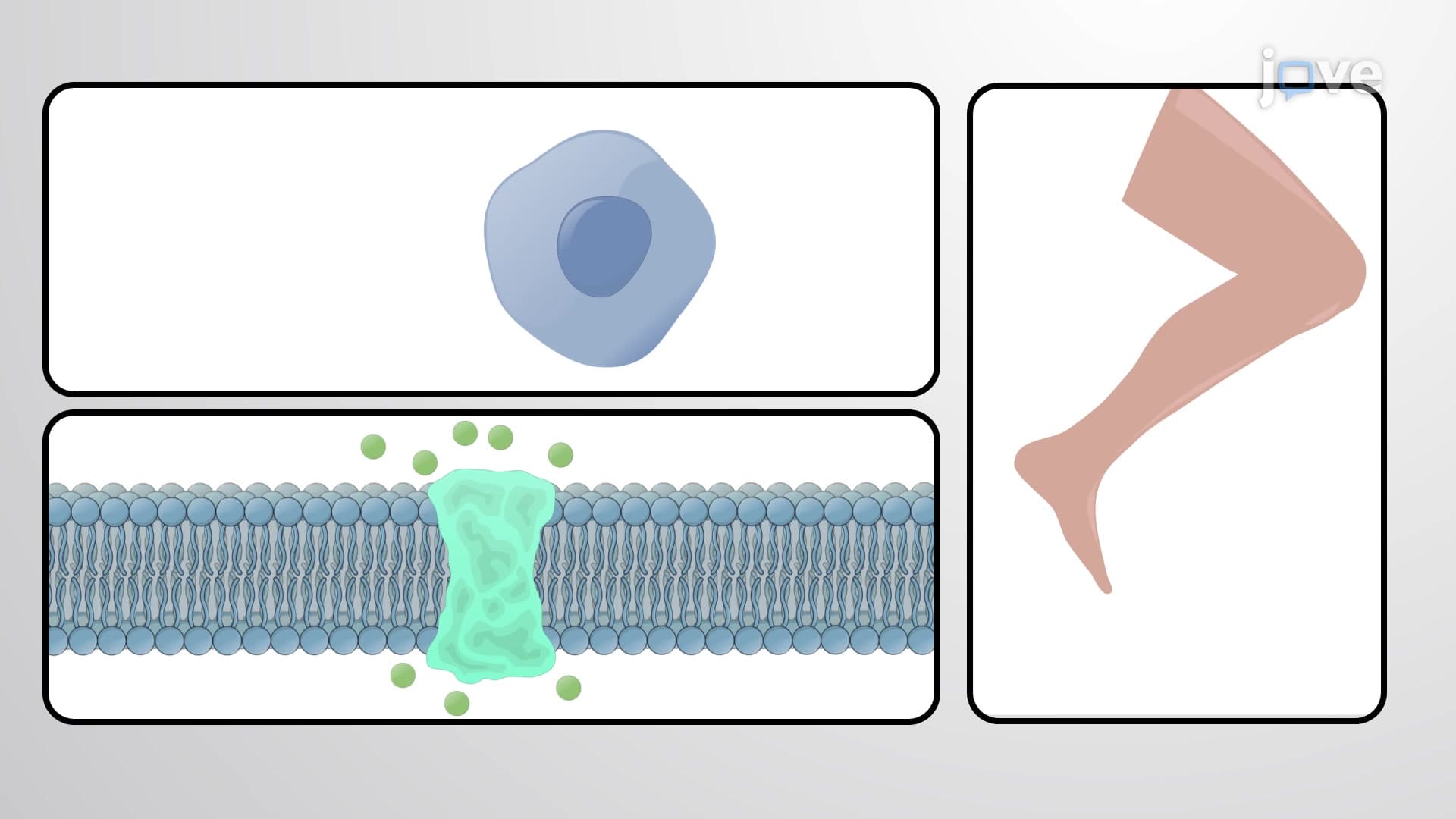
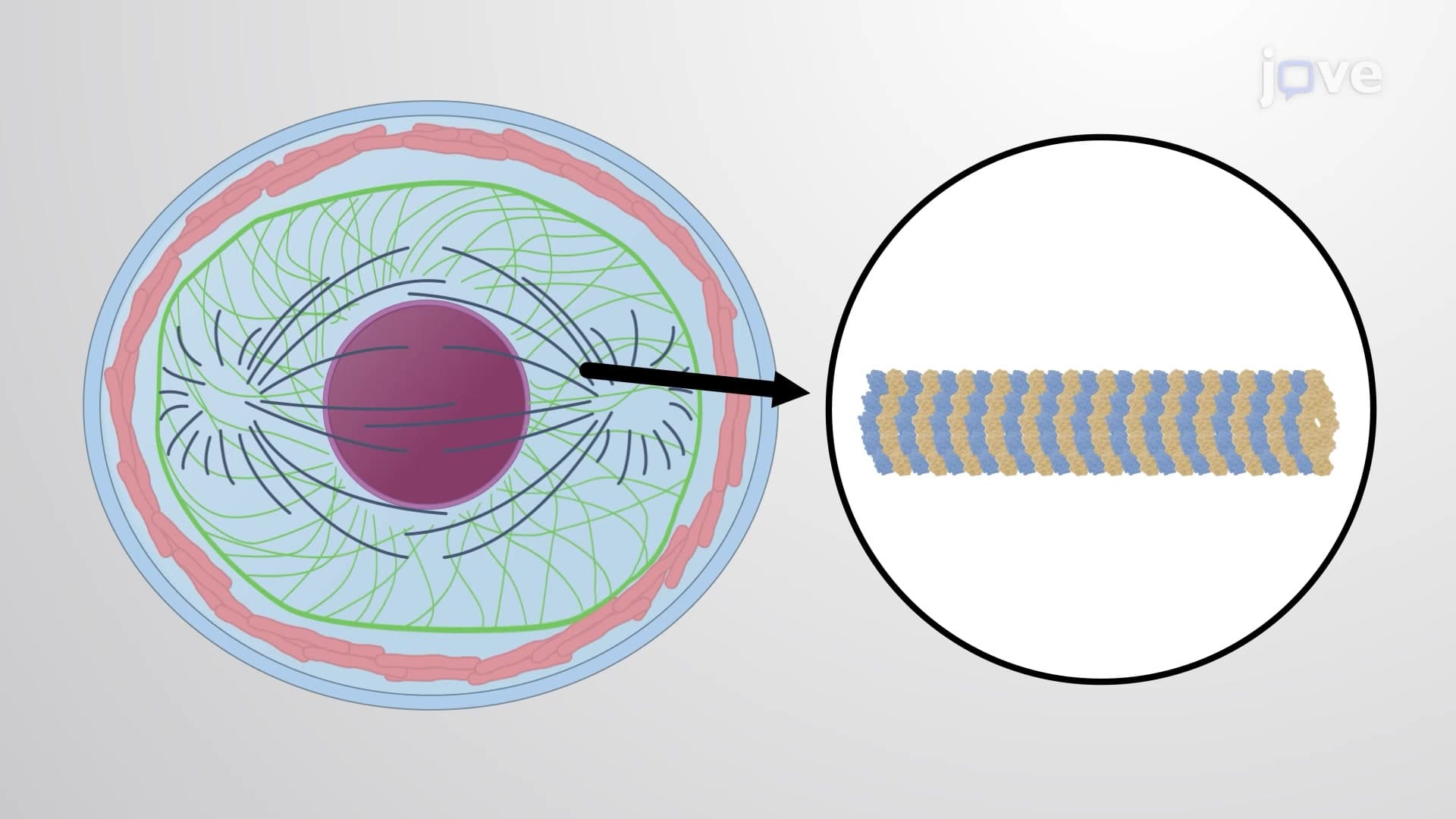
Loading video…


 12 Concepts
 46.9K views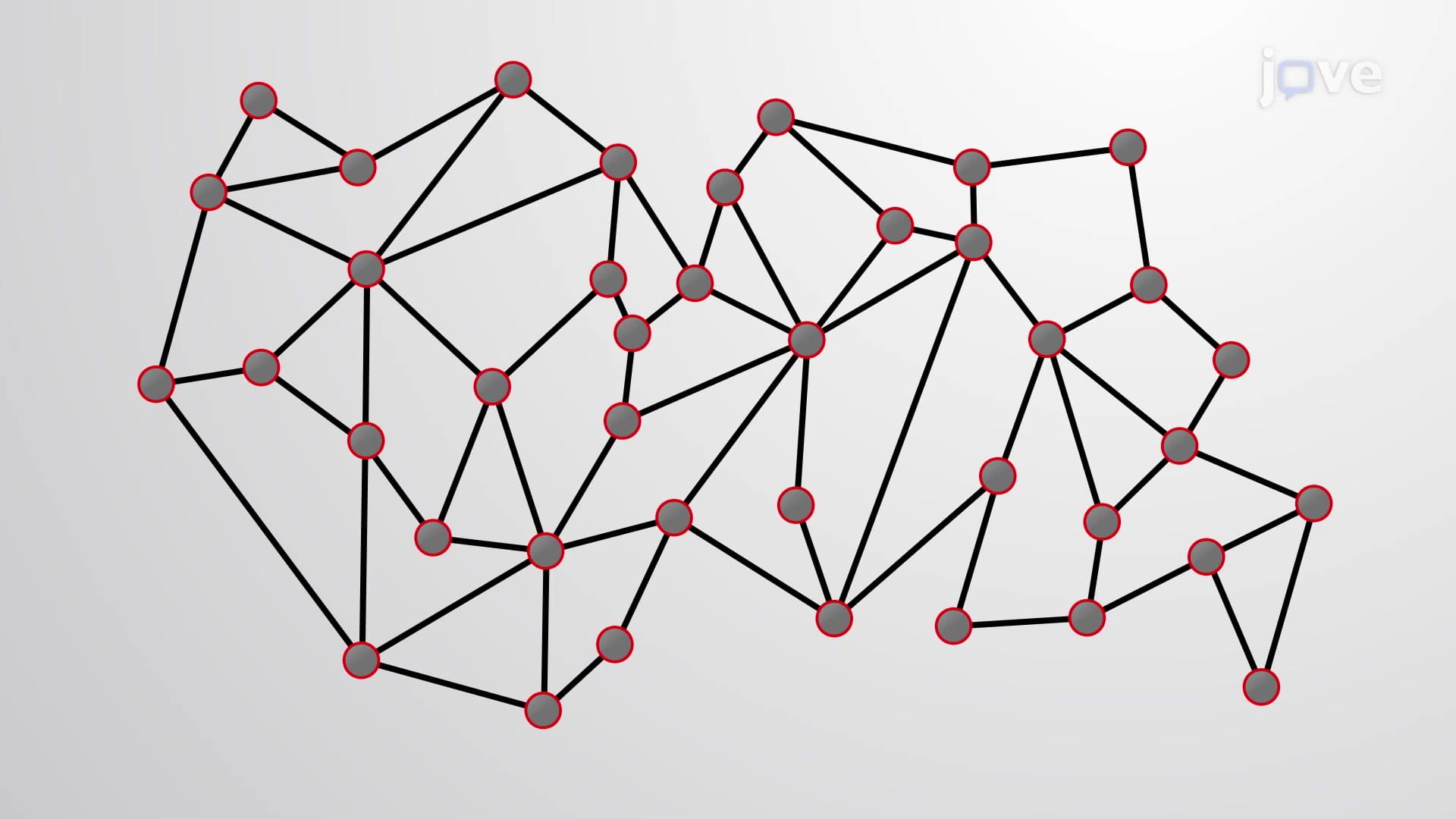

Video Summary: What are Protein Networks
Did you know that insulin's ability to regulate blood sugar depends on thousands of interconnected proteins working together like a cellular internet? Protein networks are complex systems where proteins interact through binding, signaling, and modifications to control essential life processes. These intricate molecular partnerships enable everything from fighting infections to muscle contraction in the human body. Understanding what are protein networks reveals how diseases like diabetes occur when these communication systems break down. Watch the full video on JoVE Coach to master this concept with expert-led visuals and step-by-step explanations.
What are protein networks? They represent one of biology's most sophisticated communication systems, where individual proteins function like nodes in a vast cellular internet. Unlike isolated molecules, proteins in networks create emergent properties-capabilities that arise only through collective interaction. This concept is fundamental to AP Biology, college biochemistry courses, and MCAT preparation.
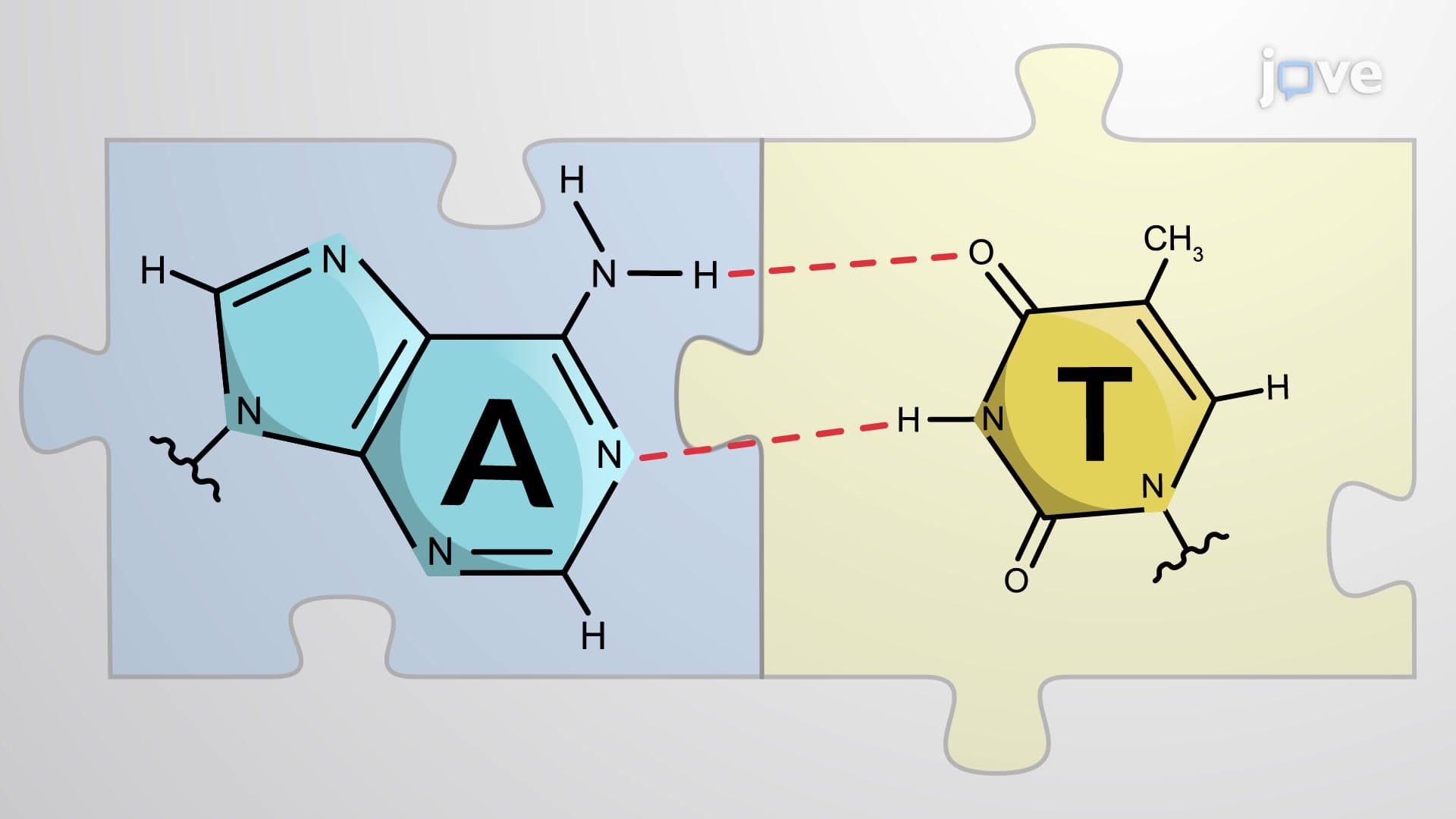
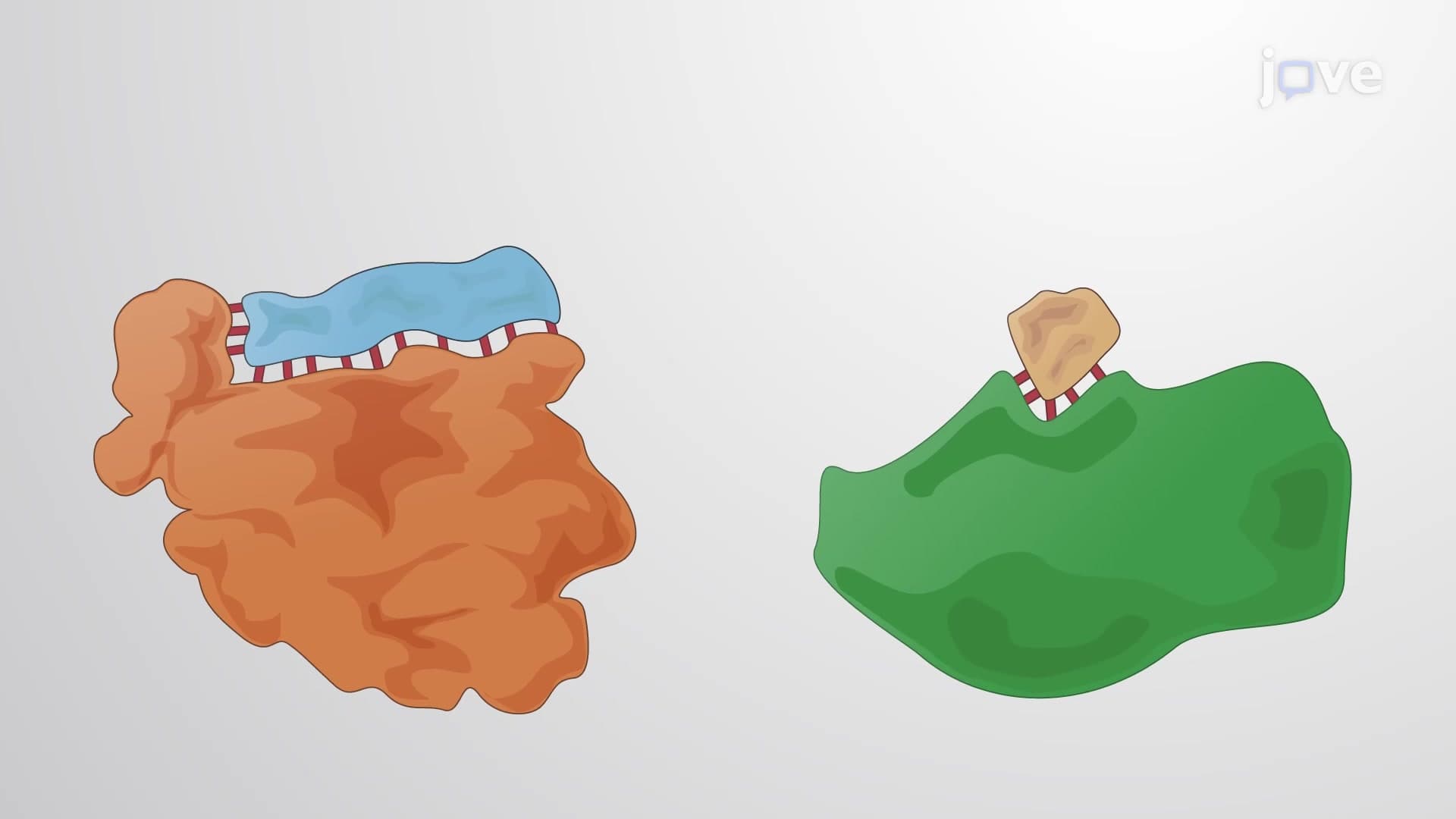
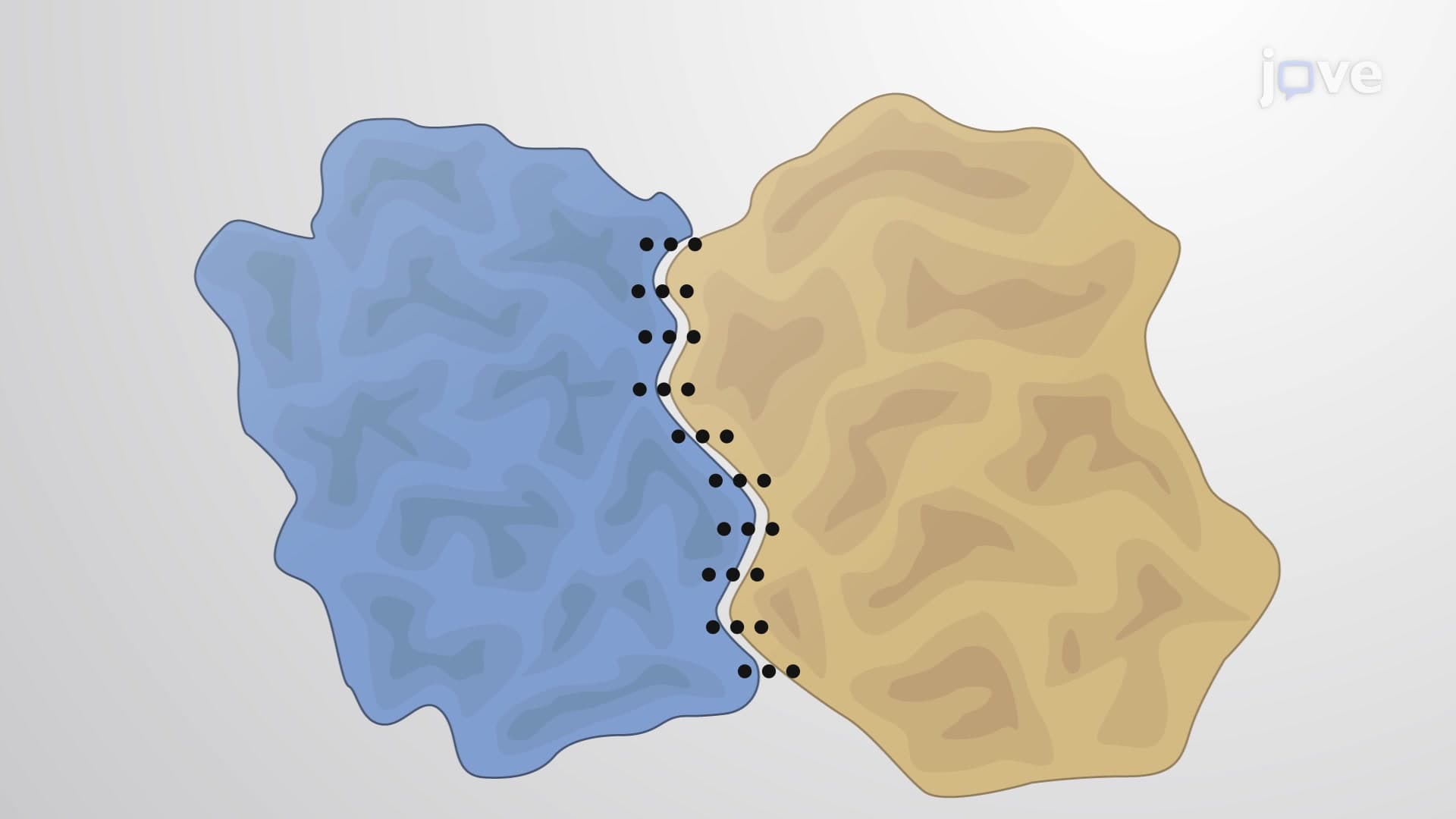
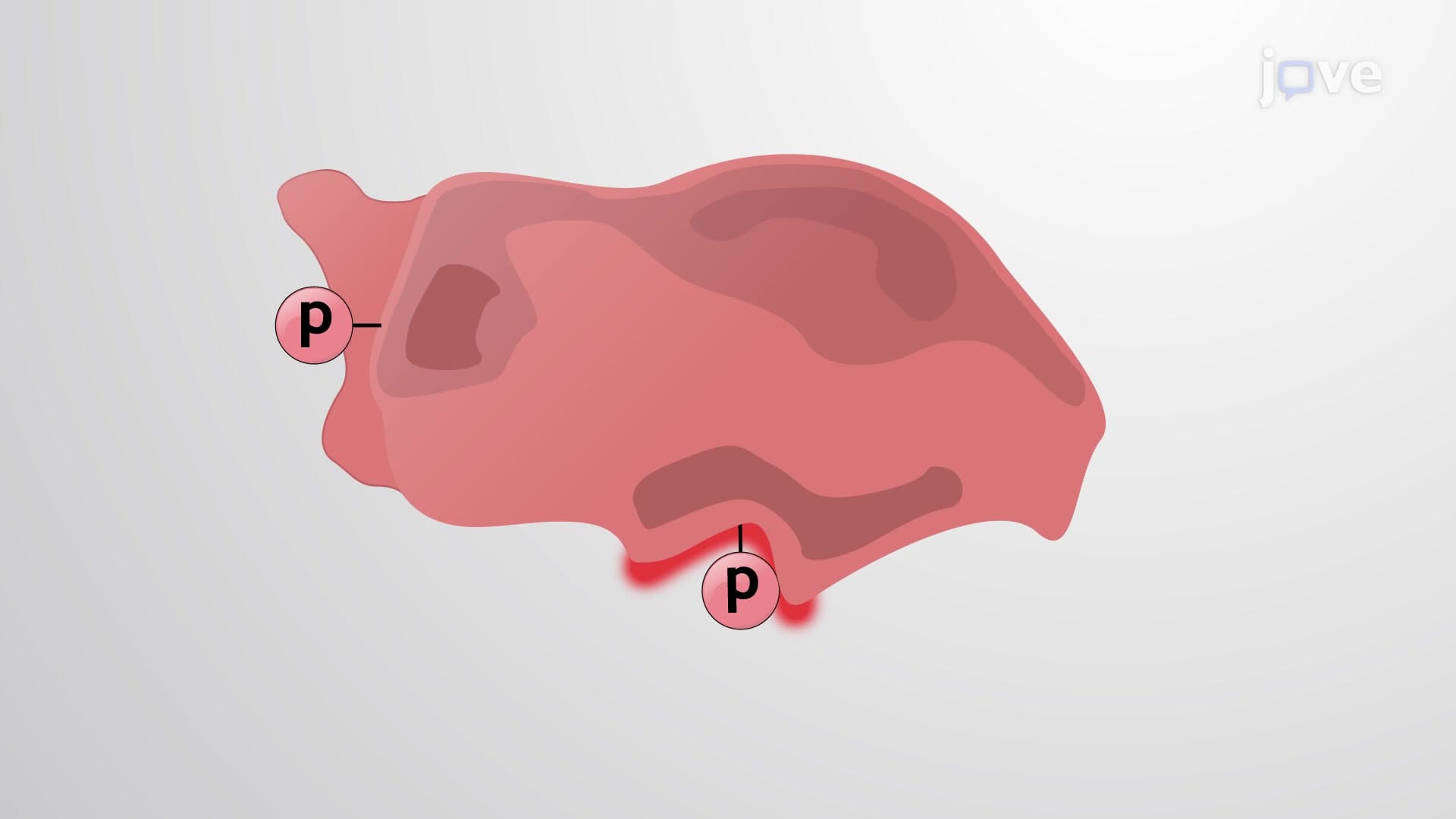
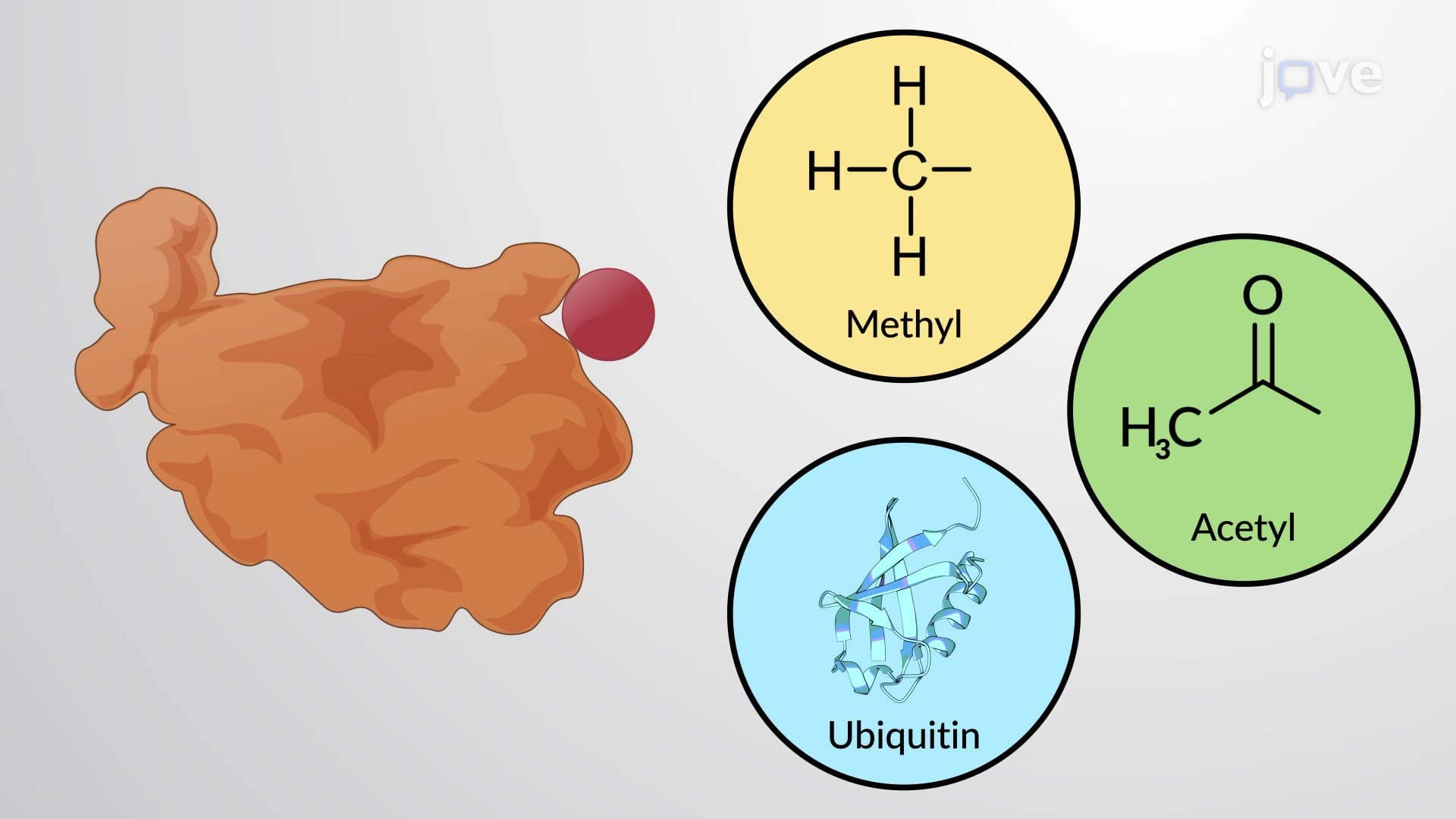
Protein networks biology explained begins with understanding how proteins physically connect. Binding domains act like molecular velcro, allowing specific proteins to recognize and attach to partners. Post-translational modifications-chemical tags added after protein synthesis-serve as switches that turn interactions on or off. For example, phosphorylation of proteins in insulin signaling networks controls glucose uptake in muscle cells, directly impacting blood sugar regulation in diabetic patients.
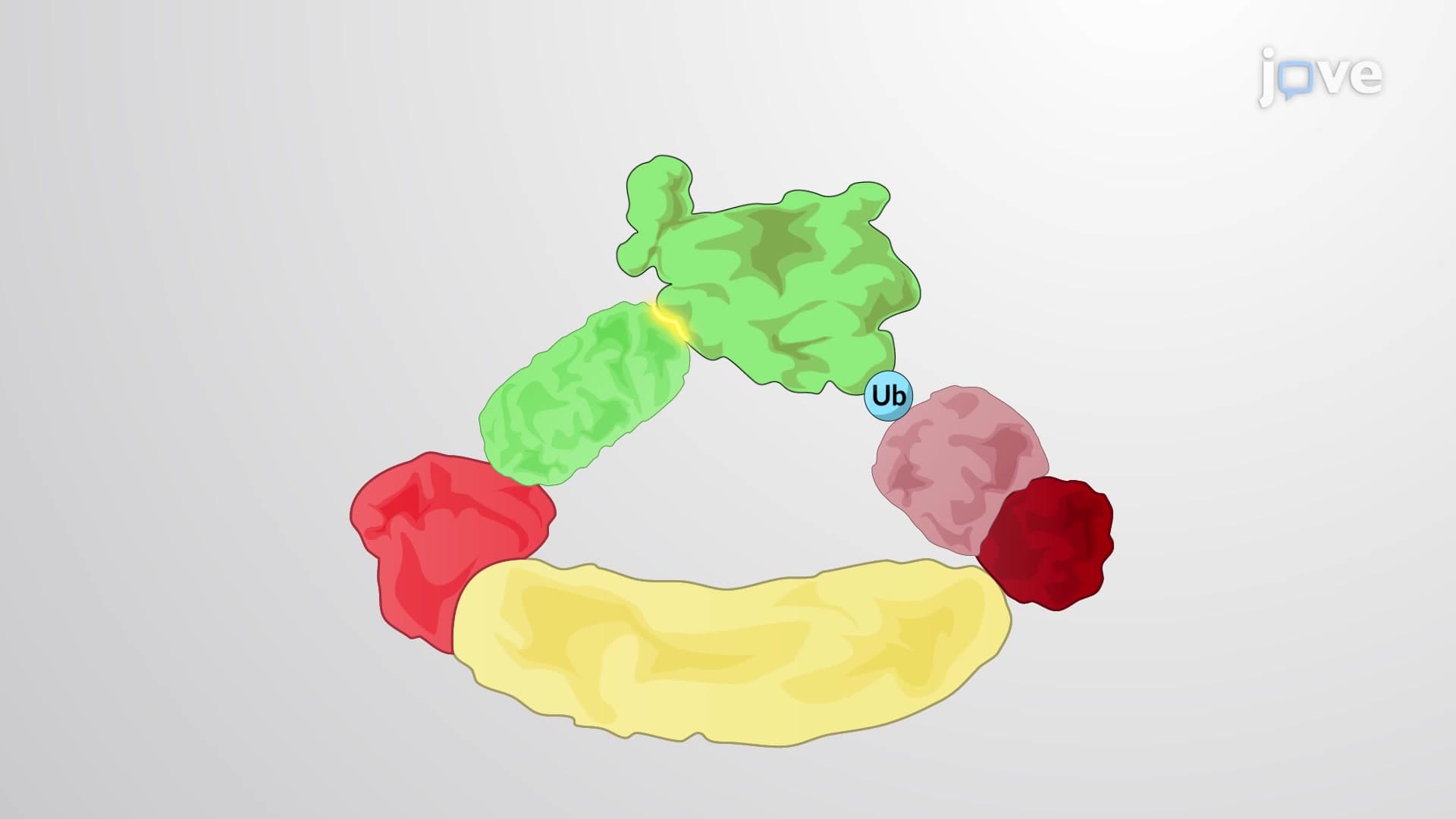
The architecture follows modular design principles. Hub proteins, like p53 in cancer networks, connect to dozens of partners, while peripheral proteins have fewer connections. This organization creates robustness-if one pathway fails, backup routes often exist.
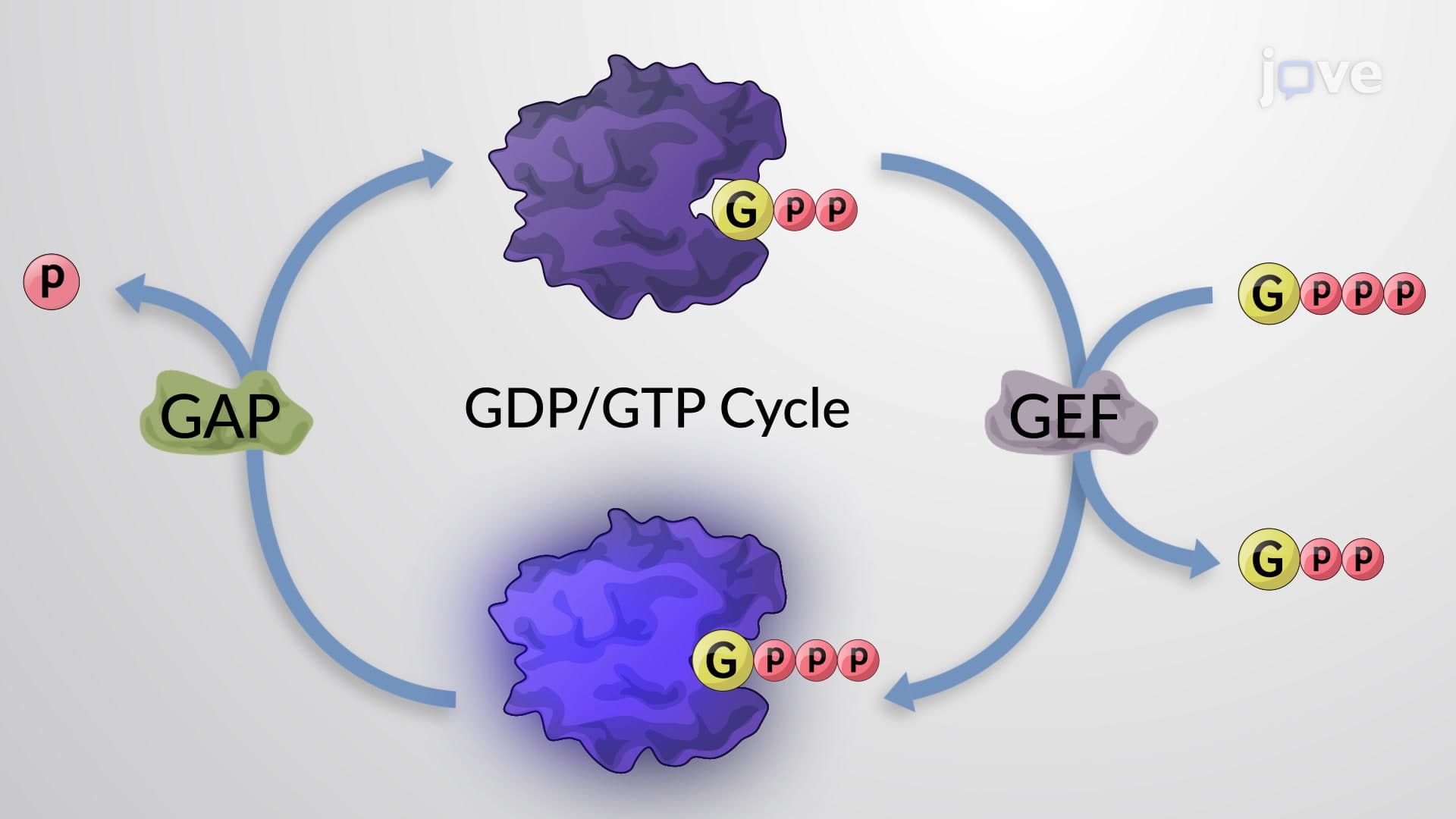
Signal transduction pathways exemplify protein networks in action. When epinephrine (adrenaline) binds receptors during stress, it triggers cascading protein interactions that ultimately release glucose from liver stores. Each step amplifies the signal, demonstrating how networks convert small inputs into large cellular responses.
Feedback loops provide network control. Negative feedback maintains homeostasis, while positive feedback creates decisive cellular responses. These concepts appear regularly in college physiology exams and medical school curricula.
Understanding protein networks definition proves crucial for medical applications. Cancer researchers at institutions like MD Anderson focus on how mutated proteins disrupt normal network function. The tumor suppressor network involving p53, BRCA1, and DNA repair proteins illustrates how network failure leads to uncontrolled cell growth.
Drug development increasingly targets protein-protein interactions rather than individual proteins. For instance, drugs blocking specific network connections show promise in treating Alzheimer's disease by preventing toxic protein aggregations.
This systems-level thinking appears in advanced placement biology, undergraduate biochemistry, and medical school pathology courses, making protein networks study guide materials essential for academic success.
Related Micro-courses