Loading video…


 12 Concepts
 46.9K views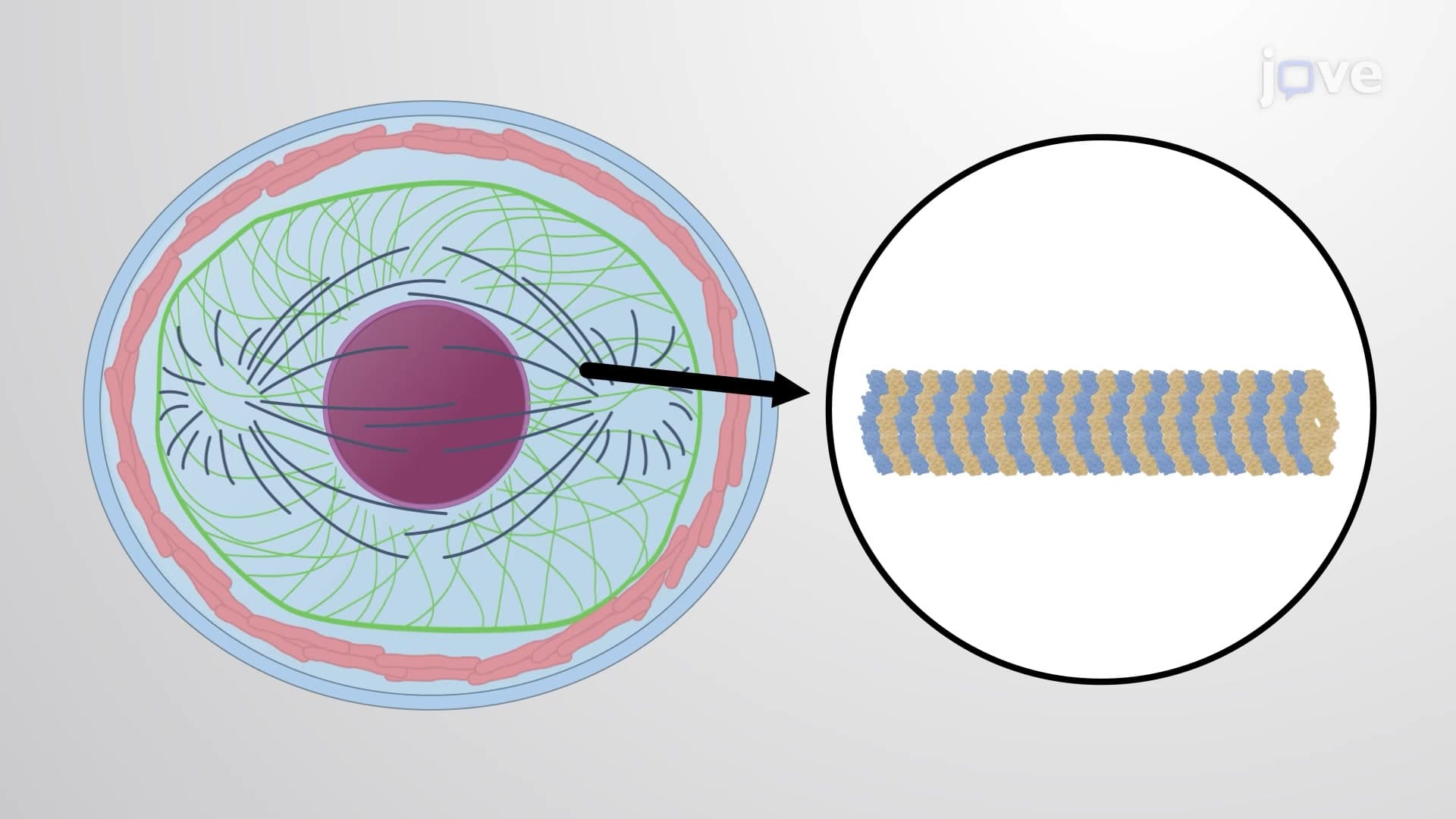

Video Summary: What Is Structural Protein Function
Ever wonder how your muscles contract during a basketball game or why skin bounces back after being stretched? Structural protein function is the key mechanism that gives cells and tissues their shape, strength, and flexibility. From the actin filaments powering muscle contractions in Olympic athletes to the collagen fibers maintaining skin elasticity, these proteins form the architectural framework of all living organisms. Understanding what is structural protein function reveals how life maintains its physical integrity while enabling dynamic movement and growth. Watch the full video on JoVE Coach to master this concept with expert-led visuals and step-by-step explanations.
Structural protein function encompasses the critical roles these specialized molecules play in providing mechanical support, maintaining cellular shape, and enabling tissue integrity. Unlike enzymes that catalyze reactions or transport proteins that move molecules, structural proteins form the physical scaffolding that gives life its three-dimensional organization.
The cytoskeleton represents one of biology's most elegant engineering solutions. Actin filaments, composed of globular actin monomers, form thin, flexible cables that power cellular movement and maintain cell shape. During muscle contraction, actin interacts with myosin to generate force-the same mechanism that allows a pitcher to throw a 100-mph fastball. Microtubules, built from tubulin dimers, serve as cellular highways for organelle transport and form the mitotic spindle during cell division. Intermediate filaments provide tensile strength, with keratin filaments in skin cells and neurofilaments in neurons offering protection against mechanical stress.
Collagen, the most abundant protein in mammals, exemplifies extracellular structural protein function. This triple-helix protein forms the backbone of tendons, bones, and blood vessels. In conditions like scurvy, collagen synthesis becomes impaired due to vitamin C deficiency, leading to weakened blood vessels and delayed wound healing-historically devastating sailors on long voyages. Elastin provides tissues with elastic recoil properties, allowing arteries to handle blood pressure fluctuations and enabling lung tissue to expand and contract during breathing.
Understanding structural protein function proves essential for students preparing for the MCAT, AP Biology exams, or college cell biology courses. Questions often focus on cytoskeletal dynamics during mitosis or the molecular basis of genetic disorders affecting structural proteins. Duchenne muscular dystrophy, caused by dystrophin defects, illustrates how structural protein dysfunction leads to progressive muscle weakness. Similarly, Marfan syndrome results from fibrillin mutations affecting connective tissue integrity, potentially causing life-threatening cardiovascular complications.
The study of structural proteins also connects to emerging fields like tissue engineering and regenerative medicine, where scientists design biomaterials mimicking natural protein networks to repair damaged tissues.
Related Micro-courses