Loading subject page…

- Cell Biology
- Protein Function
- Protein Kinases and Phosphatases
Micro-course: Protein Function
46,911 views
Learn key concepts and earn your certificate.


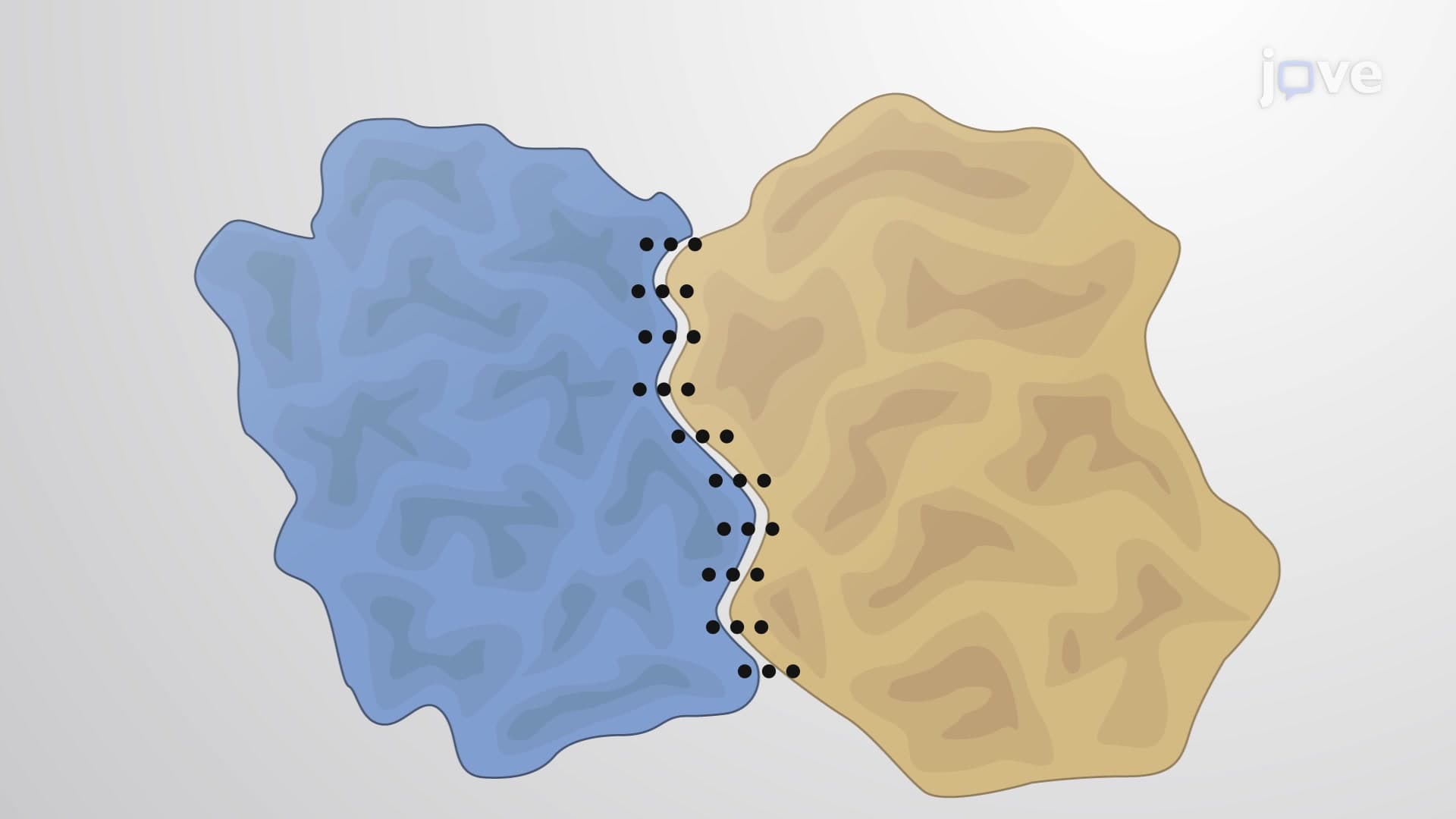
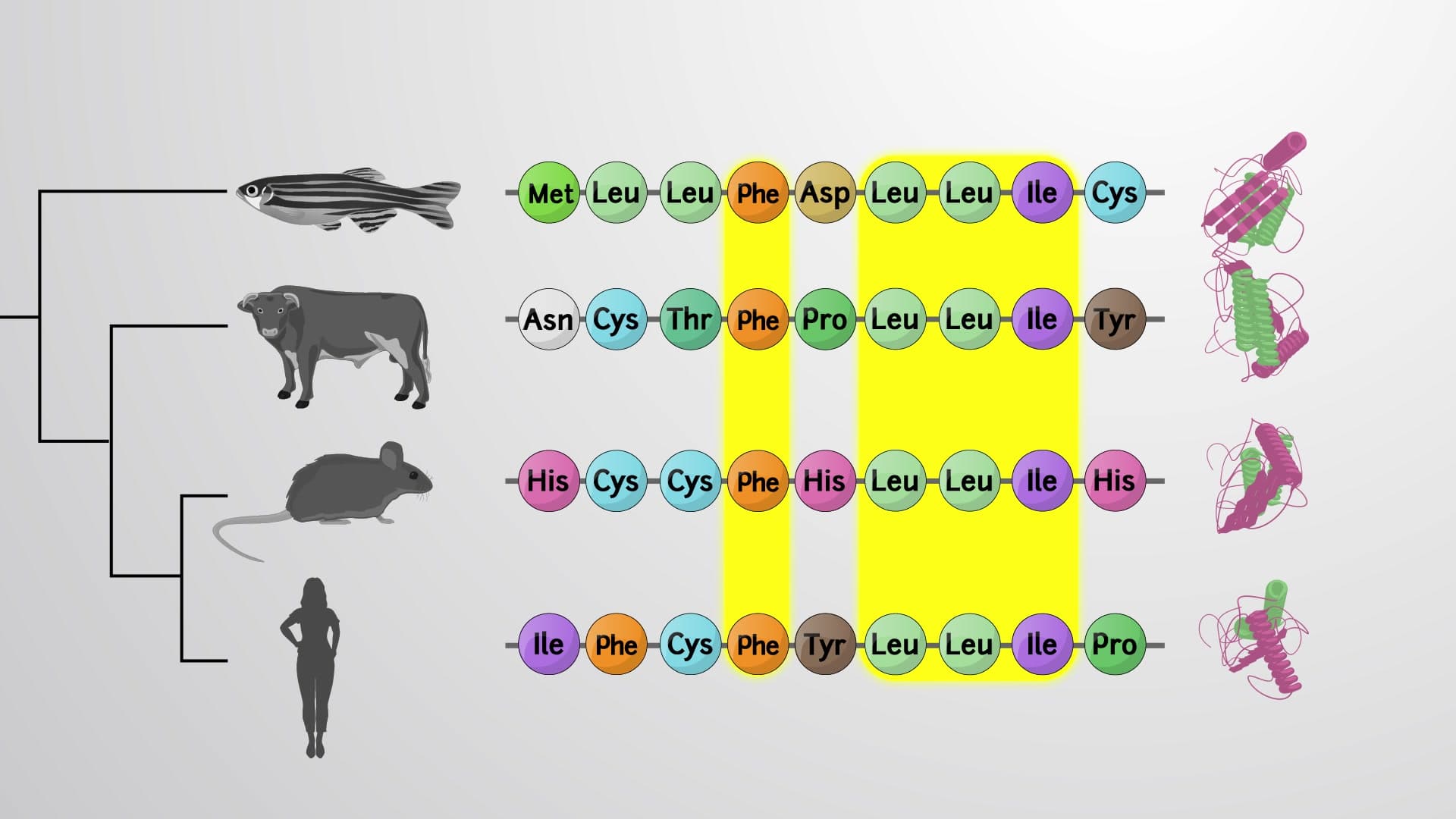
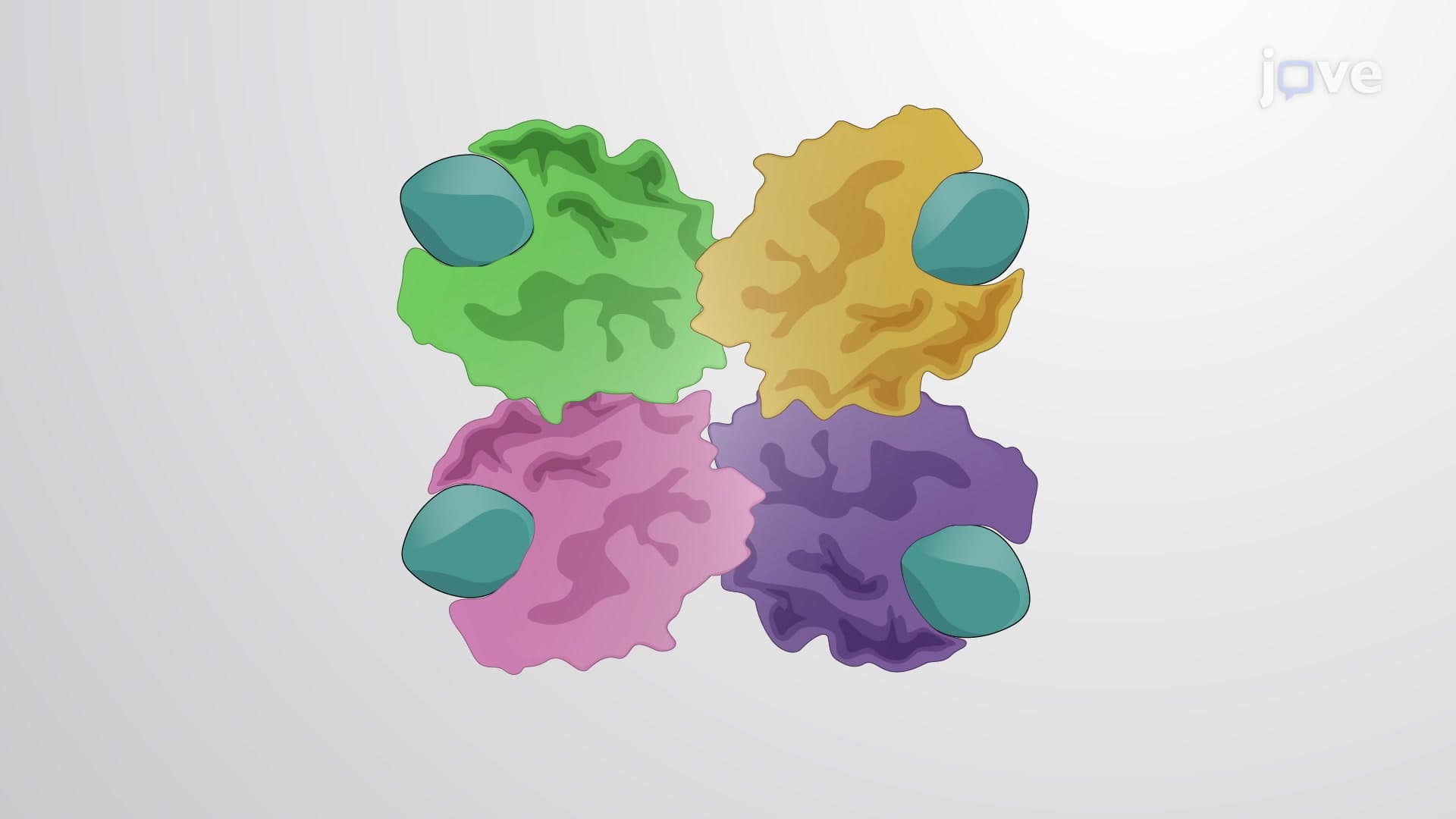

Protein Kinases and Phosphatases

00:00
02:54
Video Summary: What are Protein Kinases and Phosphatases
Every second, millions of molecular switches flip on and off inside your cells, controlling everything from your heartbeat to your memory formation. Protein kinases phosphatases are the master regulators behind these switches, with protein kinases adding phosphate groups to turn proteins "on" and phosphatases removing them to turn proteins "off." Consider how insulin works in diabetes patients-protein kinases activate glucose uptake pathways when insulin binds to cell receptors. Watch the full video on JoVE Coach to master this concept with expert-led visuals and step-by-step explanations.
- Understand what are protein kinases and phosphatases and their opposing roles in cellular regulation through reversible phosphorylation
- Identify the specific amino acid targets (serine, threonine, tyrosine) where phosphorylation occurs and the energy source (ATP) required
- Analyze how phosphorylation cascades amplify cellular signals and control critical processes like cell division and metabolism
- Compare the mechanisms by which protein kinases add phosphate groups versus how phosphatases remove them
- Evaluate the clinical significance of kinase and phosphatase dysfunction in diseases like cancer, diabetes, and neurological disorders
- Apply knowledge of enzyme kinetics and regulatory mechanisms to predict cellular responses to different signals
- Recognize the historical importance of phosphorylation discovery in revolutionizing our understanding of cellular control
- Explore therapeutic applications targeting these enzymes in modern drug development and personalized medicine approaches
Understanding Protein Kinases and Phosphatases: The Cell's Master Switches
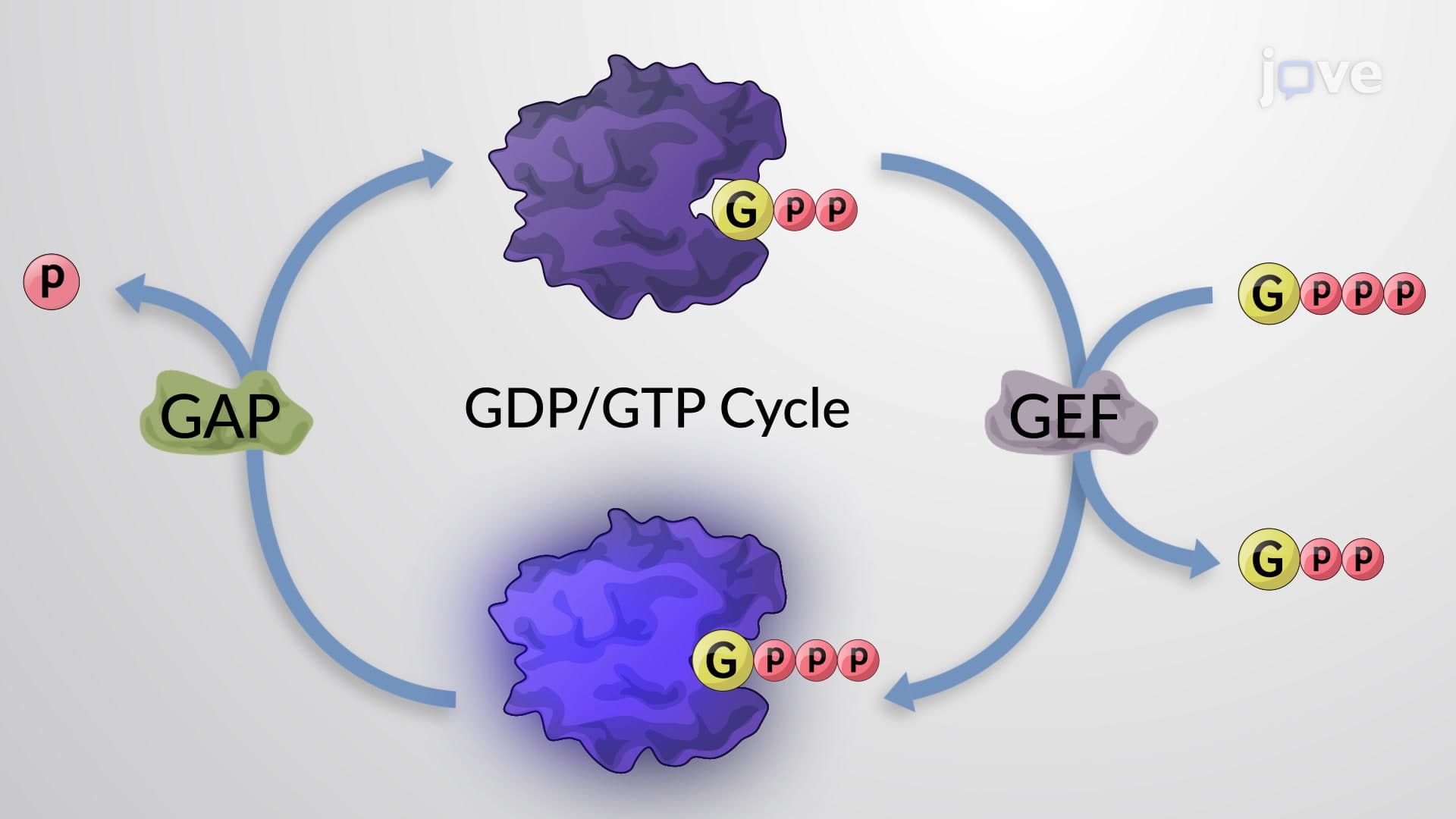
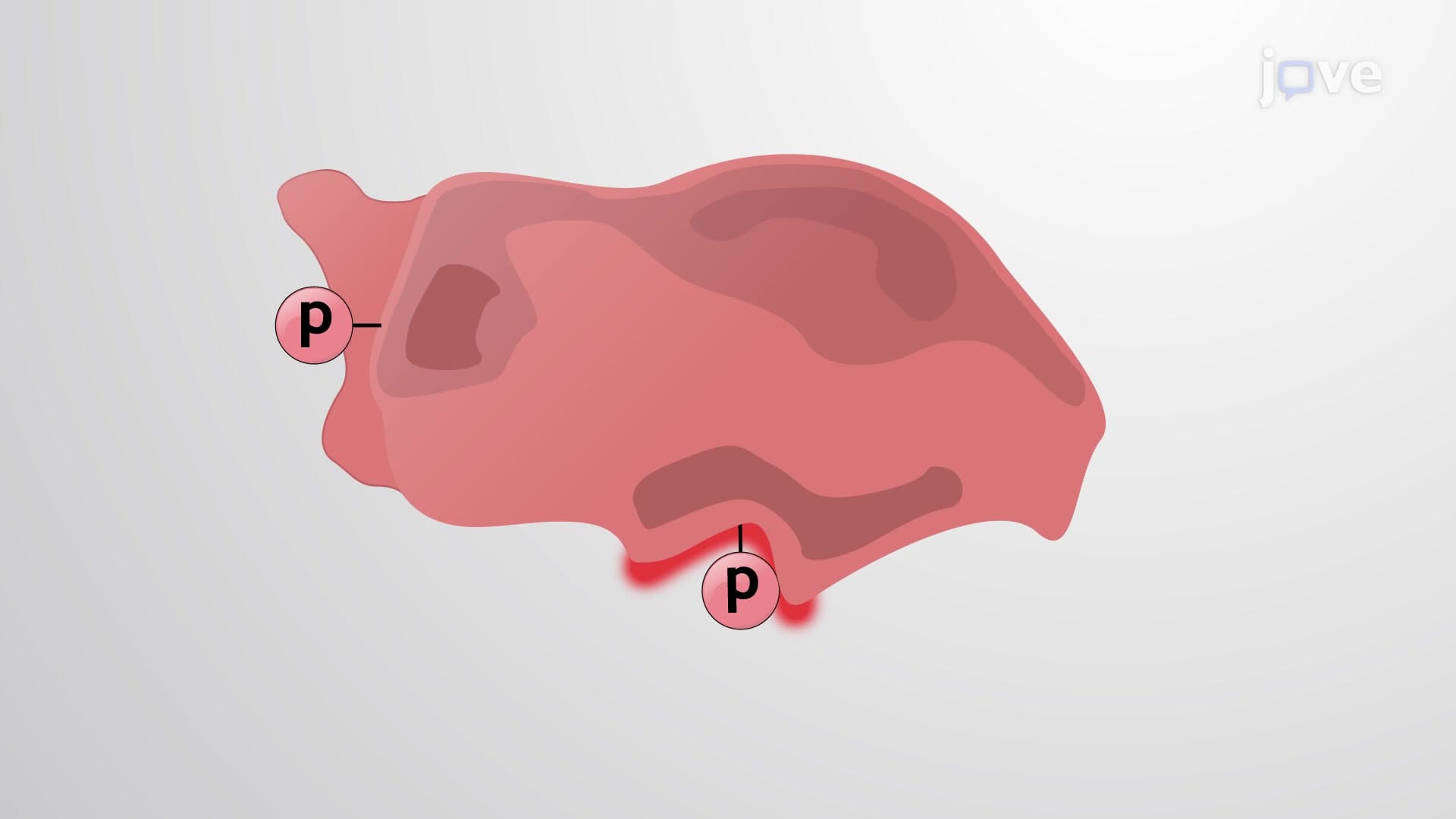
Protein kinases and phosphatases biology explained begins with understanding these enzymes as opposing forces in cellular regulation. Protein kinases are enzymes that transfer phosphate groups from ATP (adenosine triphosphate) to specific amino acids on target proteins, while protein phosphatases remove these same phosphate groups. This reversible modification, called phosphorylation, acts like a molecular on/off switch that controls protein function, location, and interactions within cells.
How Protein Kinases Work: Adding the Switch
Protein kinases specifically target three amino acids: serine, threonine, and tyrosine. When a kinase encounters its target protein, it catalyzes the transfer of a phosphate group from ATP to one of these amino acids. This process requires energy (from ATP breakdown) and often involves conformational changes that alter the target protein's activity. For example, in muscle cells, protein kinase A activates enzymes needed for glucose breakdown during exercise, providing rapid energy for contraction.
Protein Phosphatases: The Reset Button
Phosphatases perform the reverse reaction, hydrolyzing the phosphate-amino acid bond and releasing inorganic phosphate. This "reset" function is equally important-without phosphatases, proteins would remain permanently modified. Consider the cell cycle: specific phosphatases must deactivate cell division proteins at precise moments, or cells would divide uncontrollably, leading to cancer.
Real-World Applications and Clinical Significance
The protein kinases and phosphatases study guide extends far beyond basic biology. In medicine, many drugs target these enzymes. Imatinib (Gleevec), used to treat chronic myeloid leukemia, specifically inhibits a mutated protein kinase. In diabetes research at institutions like Johns Hopkins and Harvard Medical School, scientists study how insulin resistance involves defective phosphorylation pathways. For students preparing for the MCAT or AP Biology exams, understanding these mechanisms is crucial for questions about cell signaling, cancer biology, and metabolism. College biochemistry courses at universities like UC Berkeley and MIT emphasize how phosphorylation cascades amplify signals-one activated kinase can phosphorylate hundreds of target proteins, creating powerful cellular responses from weak initial signals.
Frequently Asked Questions
Protein kinases are enzymes that add phosphate groups to proteins using ATP as an energy source, while phosphatases remove these phosphate groups. Together, they control protein activity through reversible phosphorylation, acting as molecular switches that regulate virtually every cellular process from metabolism to cell division.
These enzymes form the foundation of cellular regulation by controlling when and where proteins are active. Their importance stems from their role in signal transduction, cell cycle control, metabolism, and response to environmental changes-making them essential for life and major targets for therapeutic drugs.
MCAT questions often focus on their roles in signal transduction pathways, cancer biology, and metabolism regulation. Expect to analyze phosphorylation cascades, predict effects of kinase inhibitors, and understand how mutations in these enzymes lead to disease states like diabetes and cancer.
These enzymes appear in AP Biology units covering cell communication, cell cycle regulation, and metabolism. Students should understand their roles in hormone signaling (like insulin), cell division checkpoints, and enzymatic regulation for both multiple-choice and free-response questions.
Many FDA-approved cancer drugs target protein kinases, including imatinib for leukemia and erlotinib for lung cancer. These targeted therapies work by blocking overactive kinases that drive tumor growth, representing a major advance in personalized cancer treatment at leading US cancer centers.
Basic high school chemistry is sufficient to grasp the core concepts. Understanding ATP structure, phosphate groups, and amino acids provides the foundation needed. The focus should be on biological functions rather than detailed chemical mechanisms.
Create concept maps connecting kinases and phosphatases to specific pathways like insulin signaling or cell cycle control. Practice drawing phosphorylation cascades and explaining how signal amplification works. Focus on disease examples to understand clinical relevance for comprehensive exam preparation.
Consider studying specific signaling pathways like MAPK cascades, cell cycle checkpoints, or apoptosis regulation. Explore protein structure-function relationships and enzyme kinetics. These topics build naturally on phosphorylation concepts and prepare you for advanced cell biology and biochemistry courses.
Related Micro-courses
10 Concepts

17 Concepts
18 Concepts