Loading subject page…

- Cell Biology
- Protein Function
- GTPases and their Regulation
Micro-course: Protein Function
46,911 views
Learn key concepts and earn your certificate.


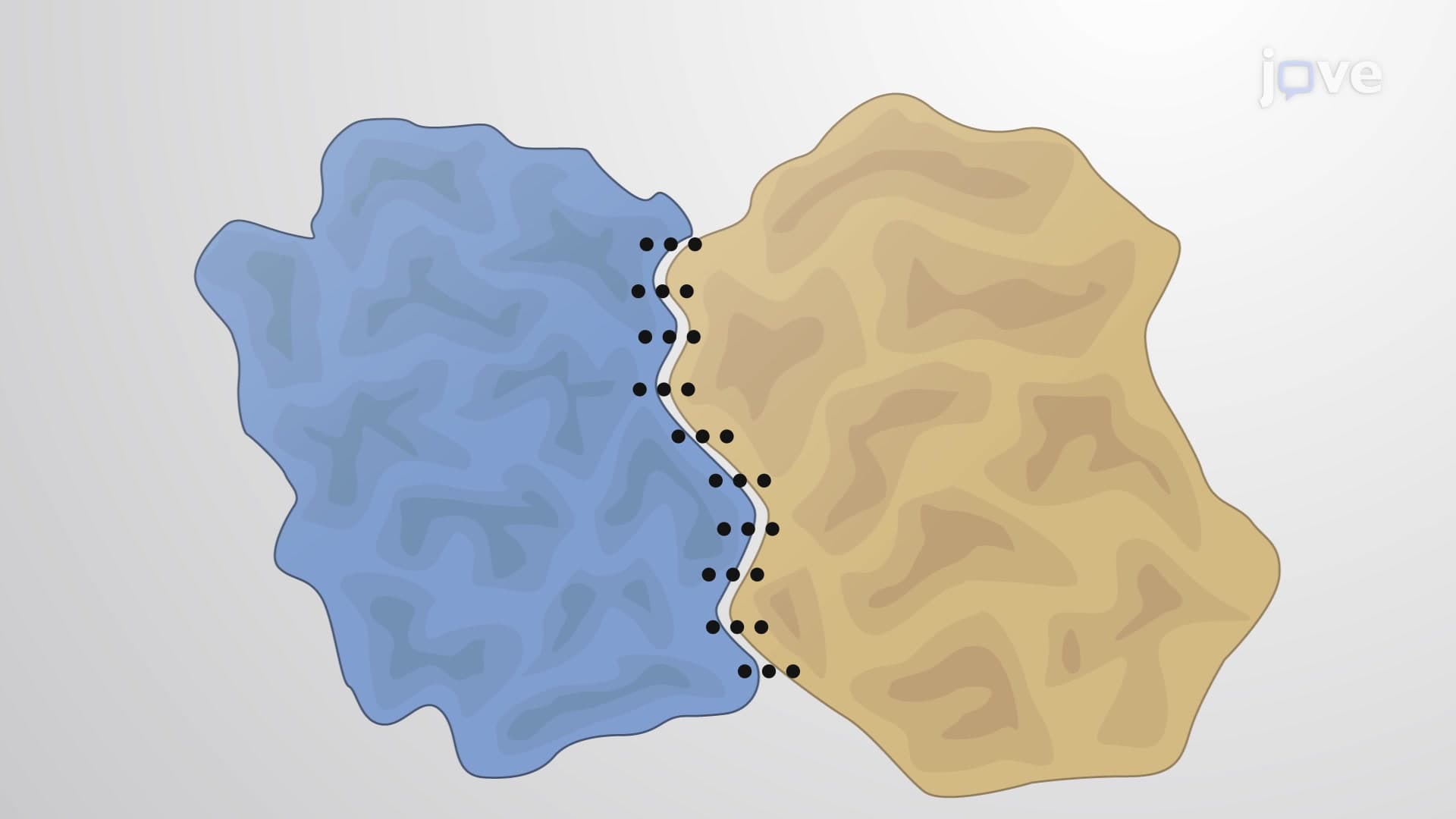
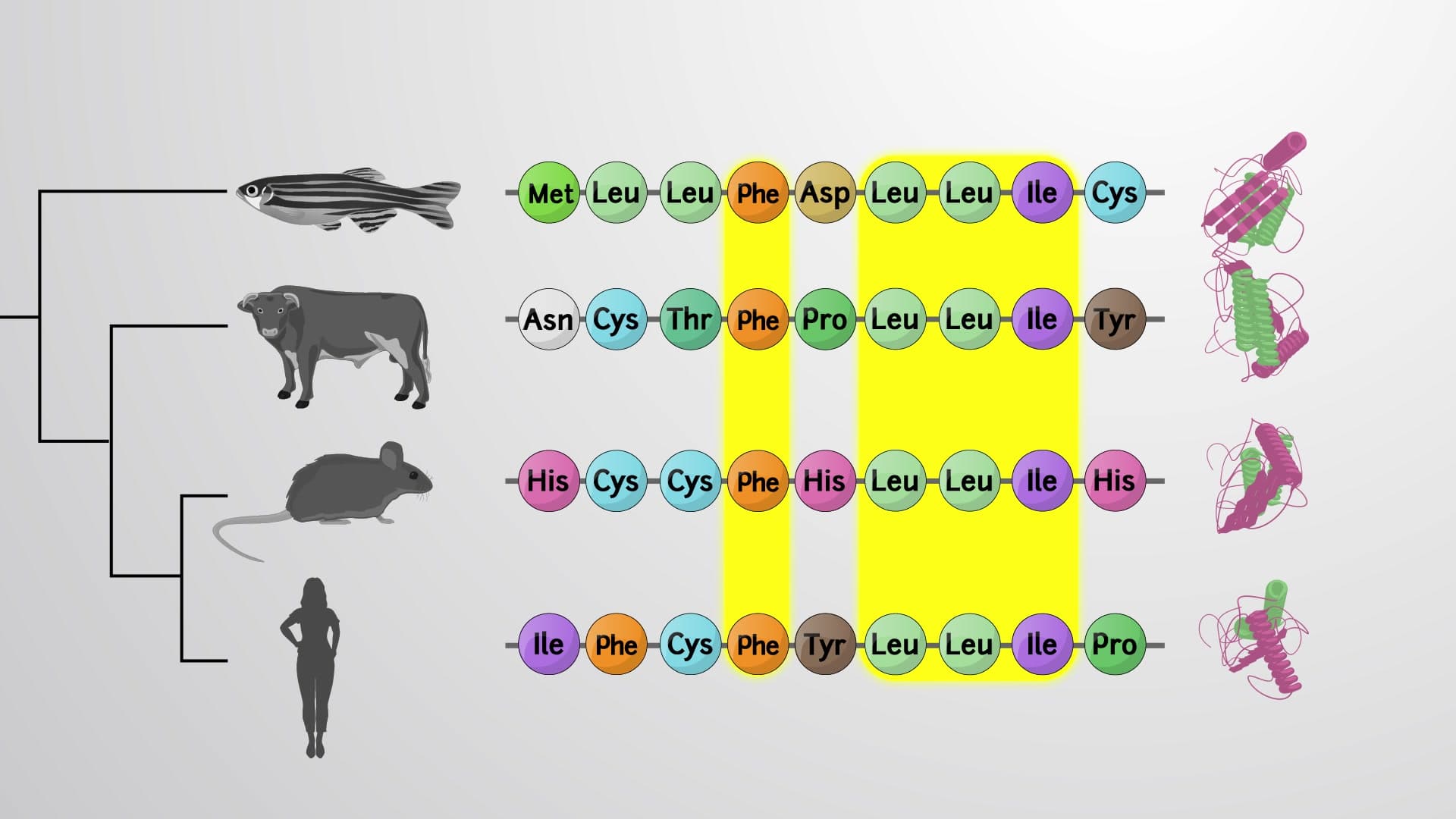
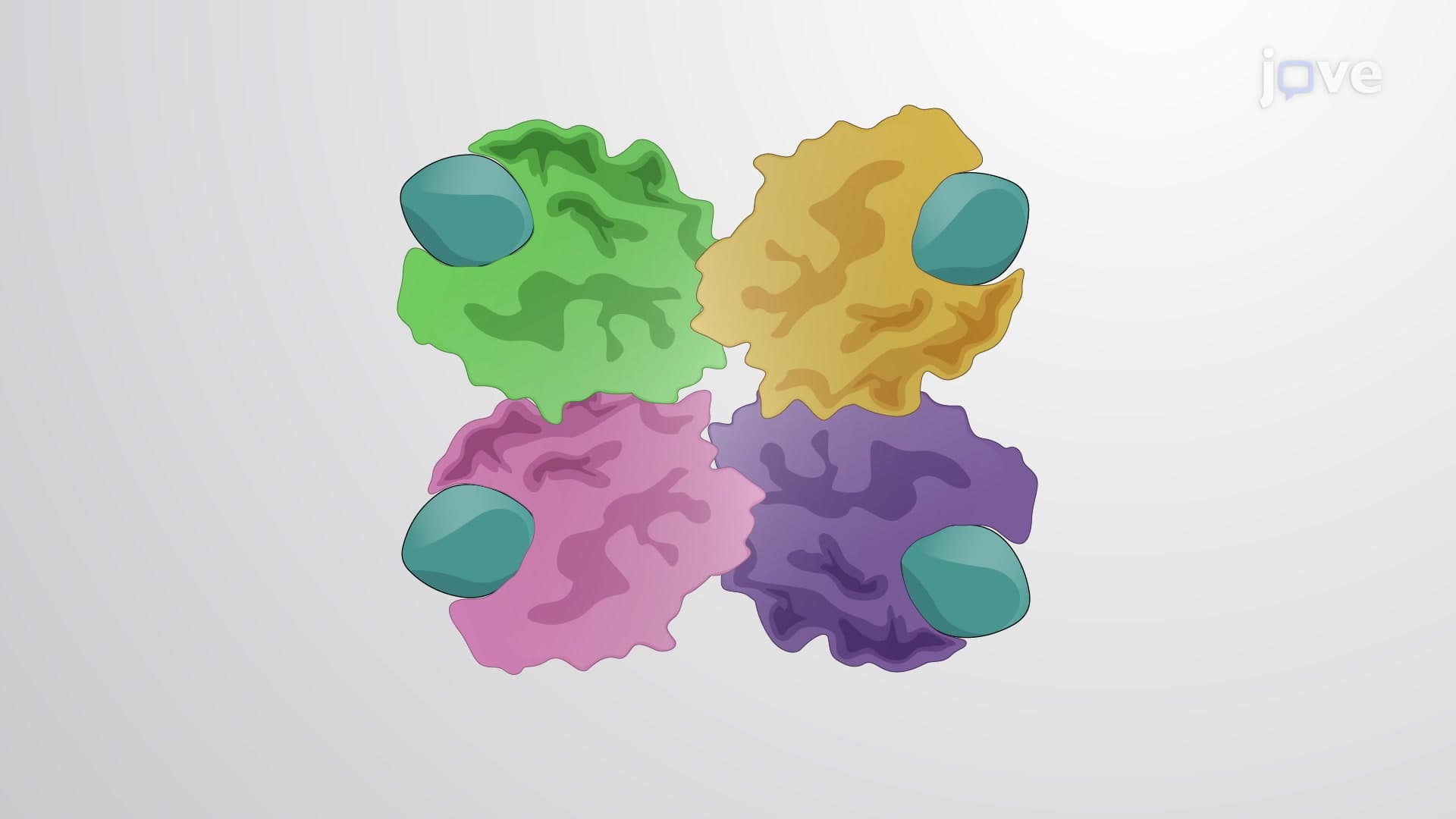
GTPases and their Regulation

00:00
02:14
Video Summary: What Is Gtpases and Their Regulation
Ever wonder how your cells know exactly when to divide, move, or respond to signals? GTPases and their regulation act as sophisticated molecular switches that control these critical cellular decisions with precision timing. These enzymes, including the famous Ras proteins linked to over 30% of human cancers diagnosed in US hospitals, cycle between "on" and "off" states by hydrolyzing GTP to GDP. What is GTPases and their regulation reveals a fundamental mechanism governing everything from wound healing to cancer development. Watch the full video on JoVE Coach to master this concept with expert-led visuals and step-by-step explanations.
- Understand what is GTPases and their regulation, including the fundamental GTP/GDP cycling mechanism that controls cellular processes
- Identify the key regulatory proteins (GEFs and GAPs) that control GTPase activity and their specific functions in cellular signaling
- Analyze how GTPases function as molecular switches in signal transduction, vesicle trafficking, and cytoskeletal dynamics
- Compare the active GTP-bound state versus inactive GDP-bound state of GTPases and their physiological significance
- Evaluate the role of Ras superfamily GTPases in cell proliferation and their connection to cancer development
- Apply knowledge of GTPase regulation to understand disease mechanisms, particularly oncogenesis and developmental disorders
- Recognize the clinical importance of GTPase mutations in human pathology and therapeutic targeting
- Explore how GTPase dysfunction contributes to various cellular abnormalities and disease states
Understanding What is GTPases and Their Regulation
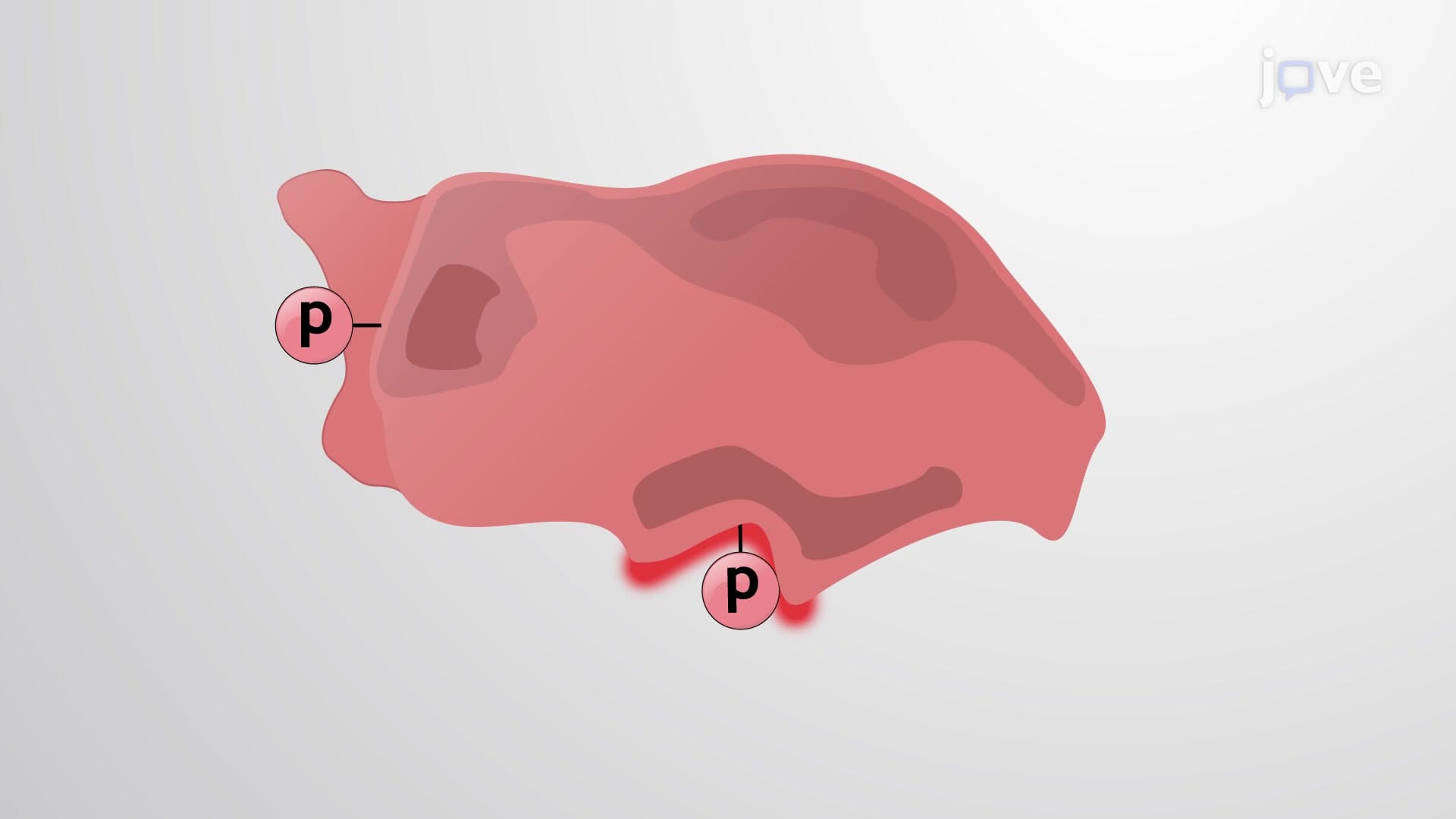
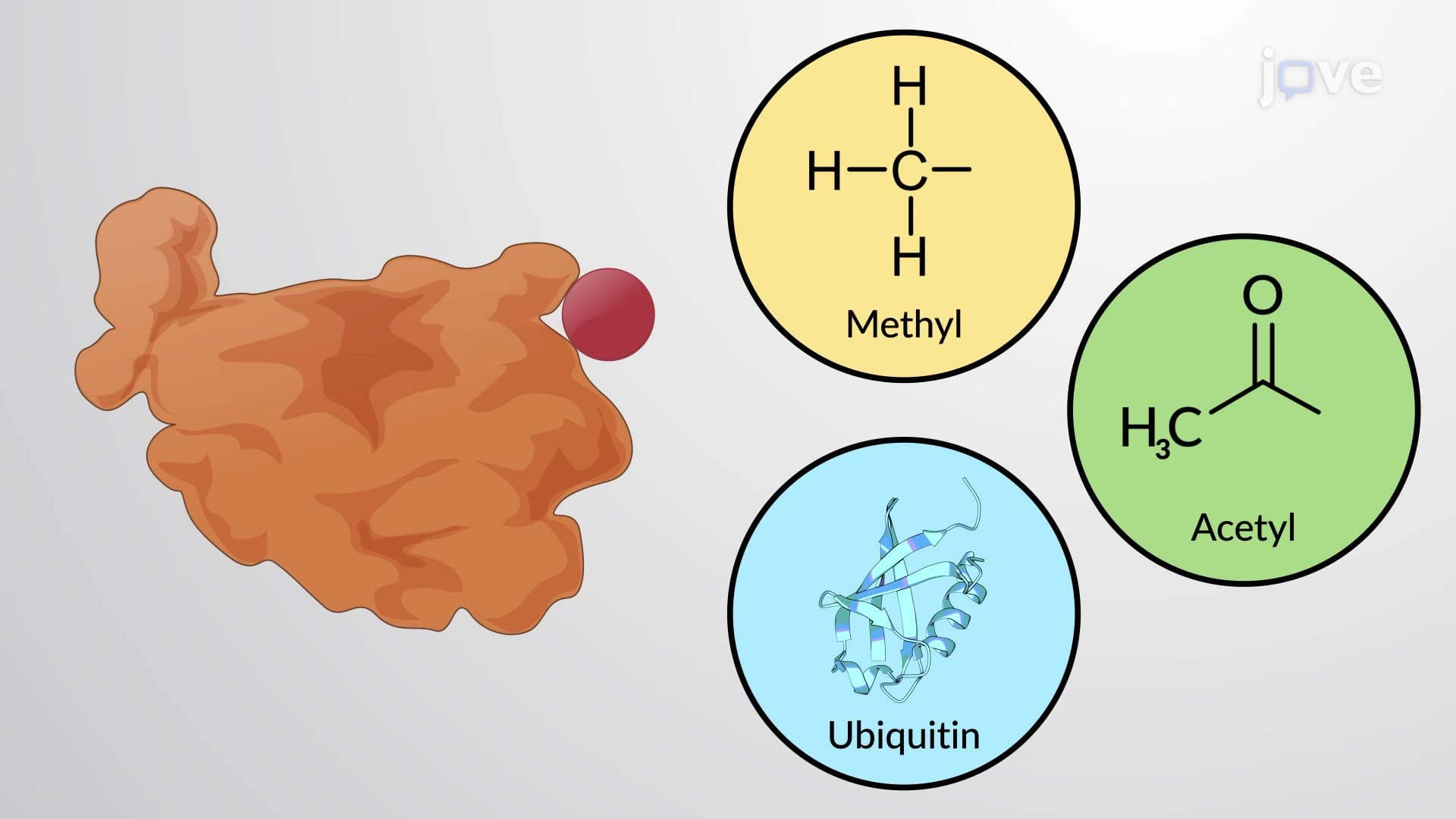
GTPases represent one of biology's most elegant regulatory systems, functioning as molecular timers and switches that govern cellular communication. These enzymes belong to a large family of proteins that hydrolyze guanosine triphosphate (GTP) to guanosine diphosphate (GDP), releasing energy and undergoing conformational changes that affect their protein interactions and cellular functions.
The GTPase Cycle: Molecular On/Off Switches
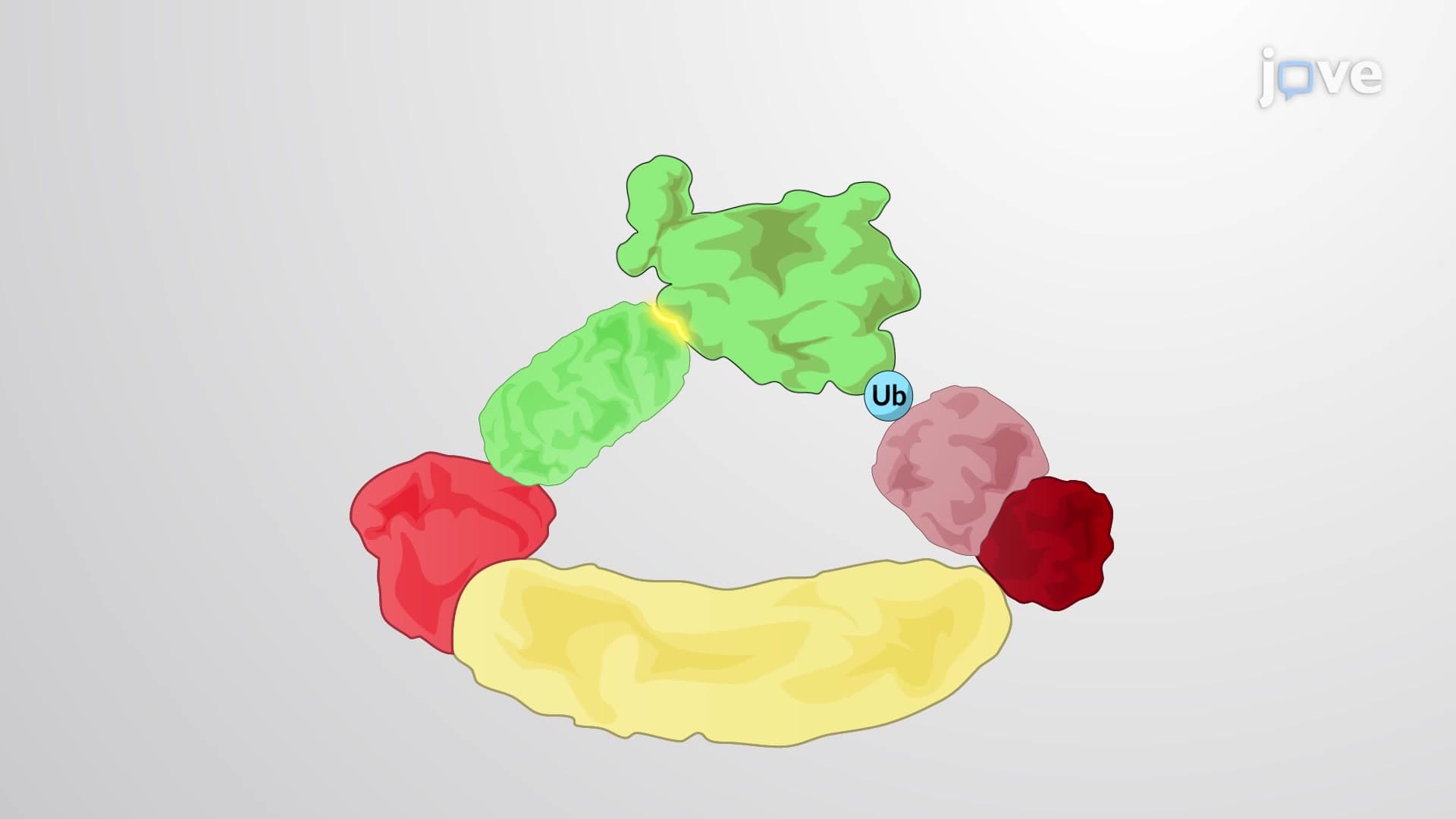
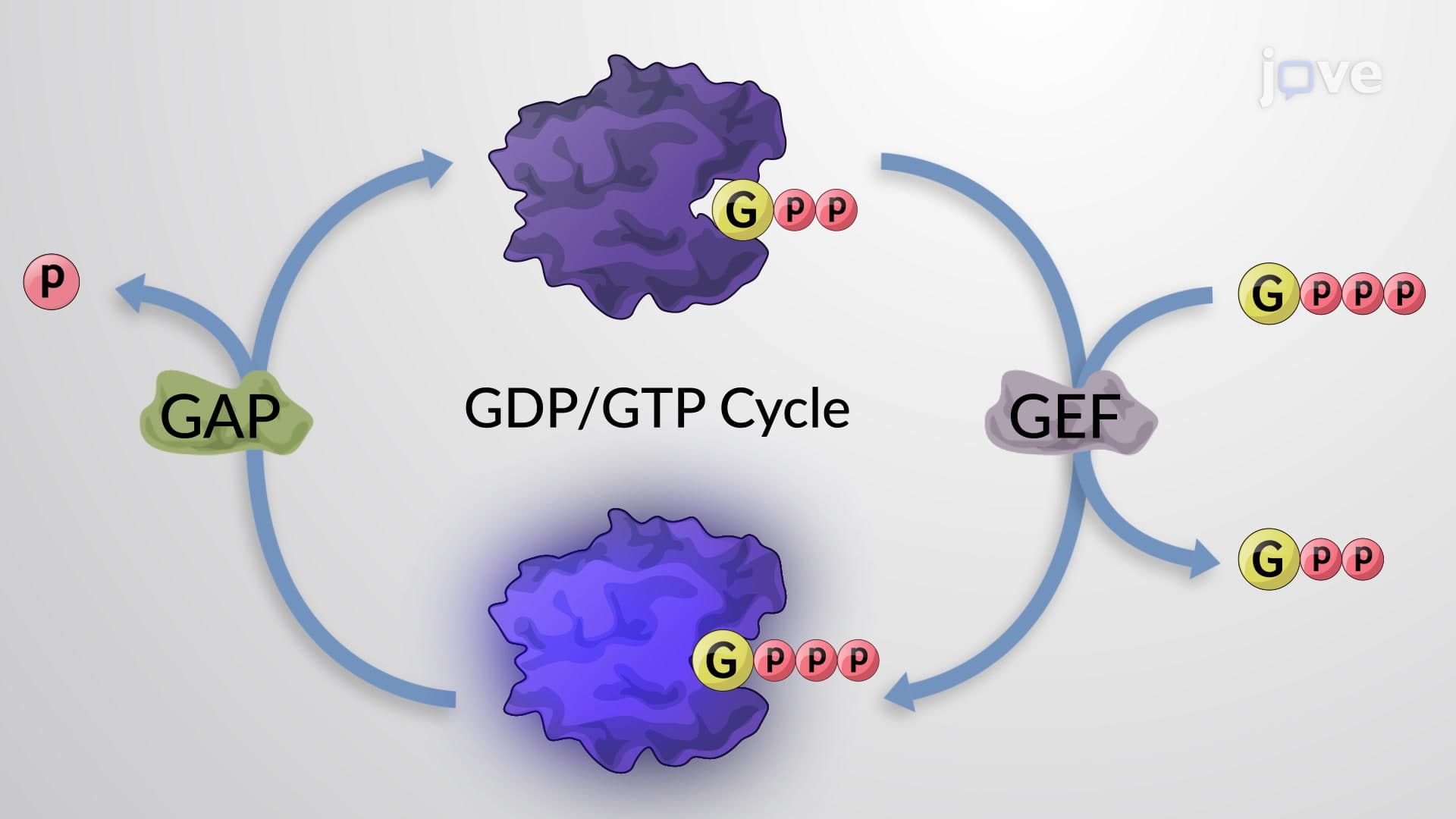
The beauty of GTPase regulation lies in its binary switching mechanism. In the GTP-bound state, GTPases adopt an active conformation that can interact with downstream effector proteins, triggering specific cellular responses. Upon GTP hydrolysis to GDP, the protein switches to an inactive conformation, terminating the signal. This cycle is tightly controlled by two classes of regulatory proteins: Guanine nucleotide Exchange Factors (GEFs) accelerate GDP release and promote GTP binding, effectively turning the switch "on." Conversely, GTPase-Activating Proteins (GAPs) enhance the intrinsic GTPase activity, accelerating GTP hydrolysis and turning the switch "off."
Clinical Significance and Disease Connections
The Ras superfamily exemplifies the clinical importance of GTPase regulation. Oncogenic Ras mutations, found in approximately 30% of human cancers including pancreatic (90%), colorectal (40%), and lung cancers, typically impair GTP hydrolysis, locking the protein in its active state. This leads to uncontrolled cell proliferation, a hallmark of cancer. The FDA has approved targeted therapies like sotorasib for KRAS G12C mutations, highlighting the therapeutic potential of understanding GTPase regulation. Students preparing for the MCAT will encounter GTPase signaling in cancer biology sections, while AP Biology students study these mechanisms in cell communication units.
Diverse Cellular Functions and Academic Applications
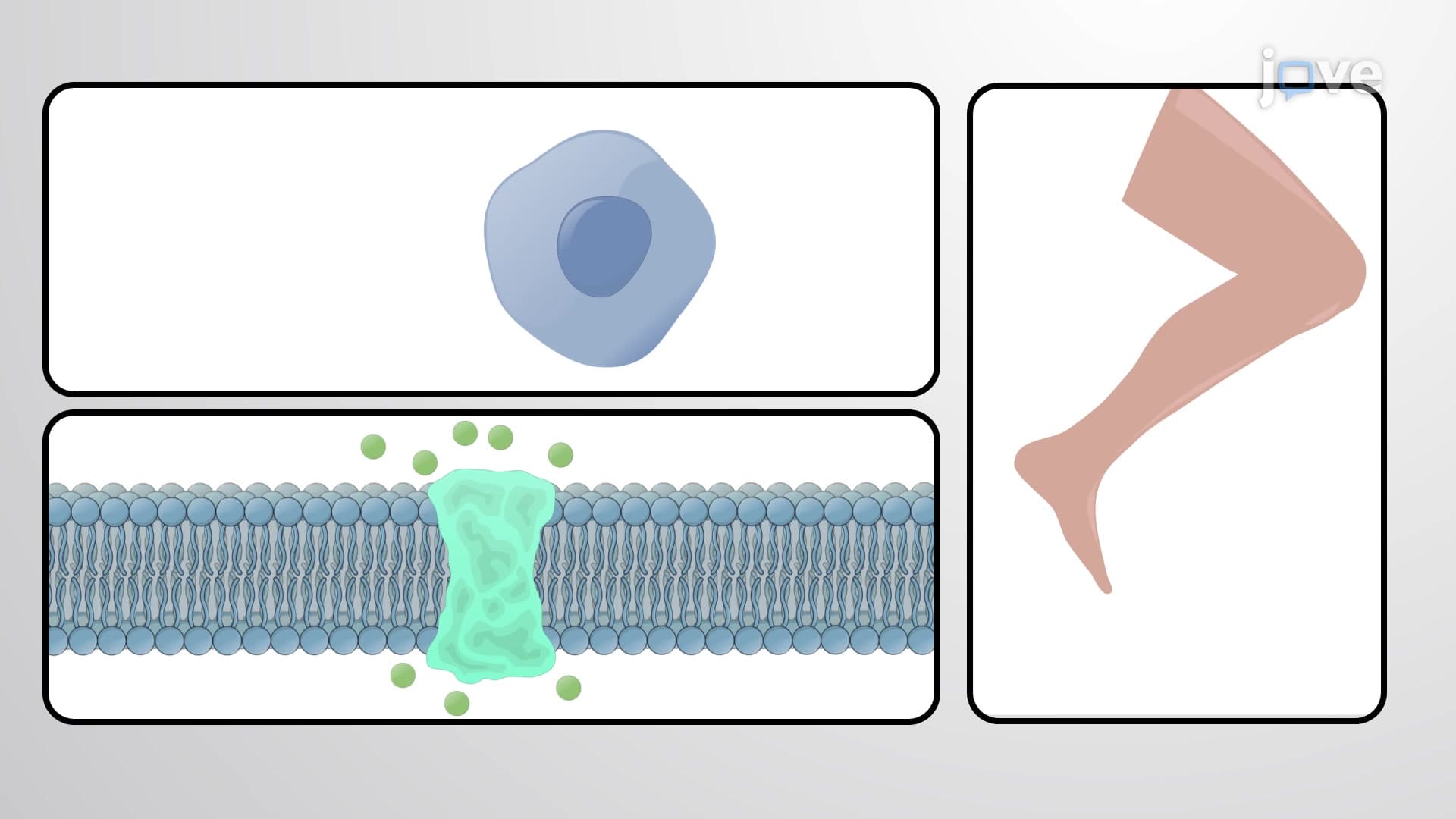
GTPases control numerous cellular processes beyond proliferation. In vesicle trafficking, Rab GTPases ensure proper protein transport between cellular compartments-essential for maintaining cellular organization. Rho family GTPases regulate cytoskeletal dynamics, controlling cell shape, migration, and division. For college students in molecular biology courses, understanding these pathways is crucial for comprehending how cells coordinate complex behaviors. The concept frequently appears in undergraduate examinations, requiring students to diagram GTPase cycles and explain regulatory mechanisms in pathological contexts.
Frequently Asked Questions
GTPases are cellular enzymes that act like molecular on/off switches, controlling when cells divide, move, or respond to signals. Their regulation involves helper proteins (GEFs and GAPs) that control the switching between active (GTP-bound) and inactive (GDP-bound) states. This system ensures cells respond appropriately to environmental cues and maintain proper function.
MCAT questions often focus on Ras signaling in cancer pathways, requiring you to analyze how mutations affect cell proliferation. AP Biology emphasizes GTPases in cell communication units, testing understanding of signal transduction mechanisms. Both exams may ask you to diagram the GTPase cycle and explain how regulatory proteins control cellular responses.
Cancer often results from cells losing growth control, and GTPases are master regulators of cell proliferation. When Ras GTPases are mutated, they remain "stuck" in the active position, continuously sending growth signals even when the cell should stop dividing. This leads to the uncontrolled proliferation characteristic of tumors, explaining why Ras mutations appear in about one-third of human cancers.
The FDA has approved targeted cancer drugs like sotorasib that specifically inhibit mutant KRAS proteins, representing breakthrough precision medicine. Pharmaceutical companies are developing additional GTPase-targeted therapies for various cancers. Research hospitals across the US use GTPase mutation testing to guide treatment decisions, particularly for lung and colorectal cancers.
Basic understanding of proteins and nucleotides is sufficient to grasp GTPase concepts. While the molecular details involve biochemistry, the core principle-proteins changing shape to control cellular functions-builds on fundamental biology concepts. High school students can master this topic by focusing on the switch-like behavior rather than complex chemical mechanisms.
Create visual diagrams showing the GTP/GDP cycle with GEF and GAP activities clearly marked. Practice drawing the Ras signaling pathway and explaining how mutations lead to cancer. Use active recall by explaining the concept aloud without notes, and connect GTPases to broader themes like signal transduction and cell cycle control for comprehensive understanding.
Delve into specific GTPase families like Rho (cytoskeleton), Rab (trafficking), and Ran (nuclear transport), each with unique cellular roles. Explore signal transduction cascades involving multiple GTPases, and investigate current research on GTPase-targeted therapeutics. Understanding these connections prepares you for advanced cell biology and potential research opportunities.
GTPases often work downstream of receptor signaling pathways, translating external signals into specific cellular responses. They integrate with kinase cascades, second messenger systems, and transcriptional regulation to coordinate complex cellular behaviors. This integration makes GTPases central nodes in cellular communication networks, essential for understanding modern cell biology.
Related Micro-courses
10 Concepts

17 Concepts
18 Concepts