Loading subject page…

- Chemistry
- Atoms and Elements
- The Atomic Theory of Matter
Micro-course: Atoms and Elements
670,624 views
Learn key concepts and earn your certificate.




The Atomic Theory of Matter

00:00
02:59
Video Summary: The Atomic Theory of Matter Explained
Ever wonder why water always contains hydrogen and oxygen in the exact same ratio, whether it comes from your tap in New York or a lake in California? The atomic theory of matter explains this fundamental principle that governs all chemical reactions around us. From the pharmaceutical labs developing COVID-19 vaccines to NASA's rocket fuel calculations, Dalton's atomic theory provides the foundation for understanding how elements combine in predictable ways. Watch the full video on JoVE Coach to master this concept with expert-led visuals and step-by-step explanations.
- Understand the atomic theory of matter explained through Dalton's four fundamental postulates and their applications to chemical reactions
- Identify the key differences between atoms of different elements and explain why atoms of the same element are identical
- Analyze how the law of conservation of mass and law of definite proportions support atomic theory principles
- Compare different compounds formed by the same elements using the law of multiple proportions
- Evaluate real-world examples of atomic theory in action, from water formation to industrial chemical processes
- Apply atomic theory concepts to predict mass ratios in chemical compounds and reactions
- Recognize the historical development from ancient Greek concepts to modern atomic understanding
- Explore the relationship between atomic theory and fundamental laws governing chemical behavior
The Atomic Theory of Matter: Foundation of Modern Chemistry
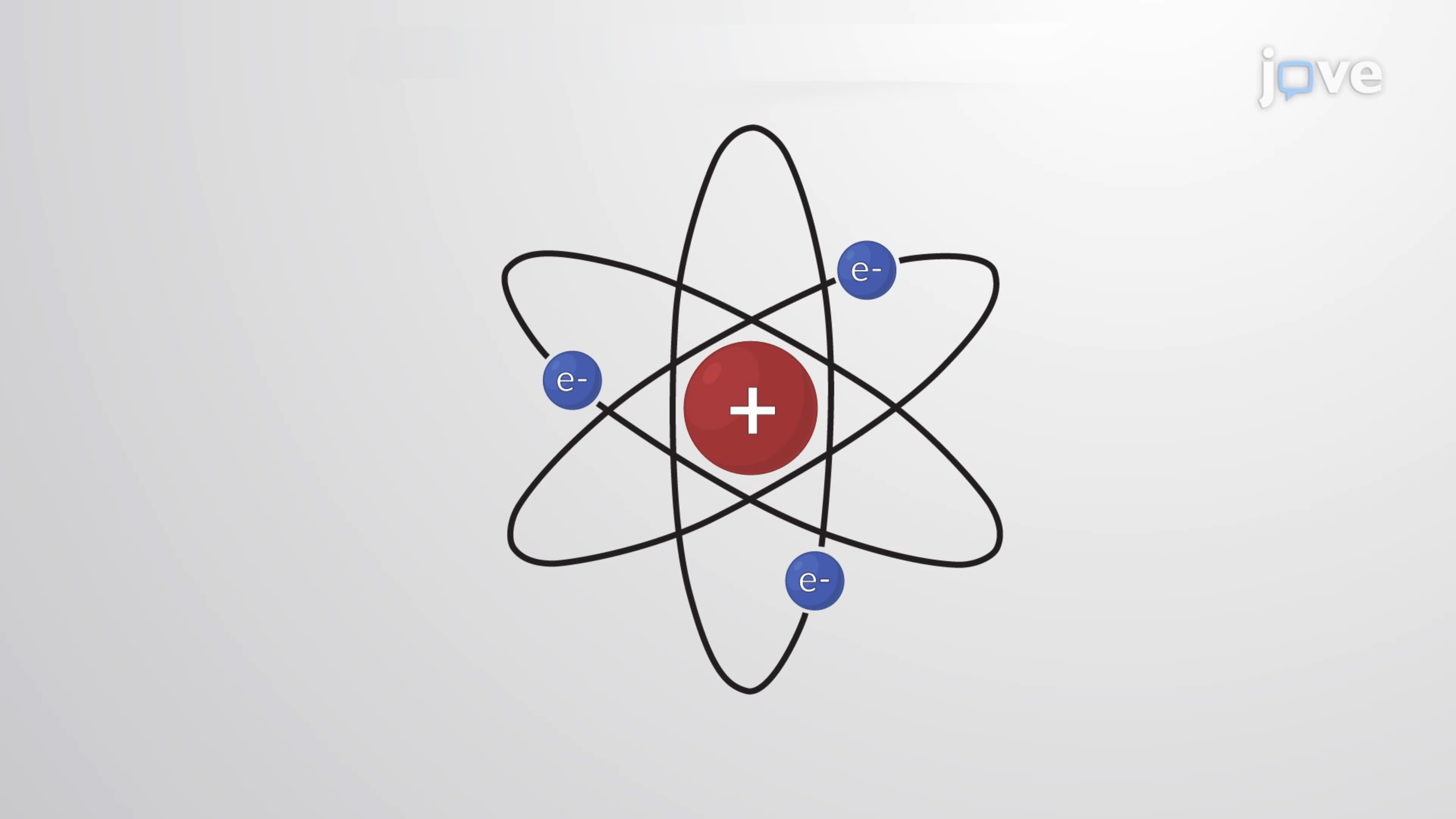
The atomic theory of matter represents one of chemistry's most crucial breakthroughs, transforming our understanding of how substances interact at the molecular level. While ancient Greek philosopher Democritus first proposed the concept of "atomos" (meaning indivisible), it was English scientist John Dalton who developed the comprehensive atomic theory that forms the backbone of modern chemistry education in AP Chemistry courses and college-level general chemistry.
Dalton's Four Postulates: Building Blocks of Chemical Understanding
Dalton's atomic theory rests on four fundamental postulates that explain chemical behavior. The first postulate establishes that all elements consist of tiny, indivisible particles called atoms. This concept helps students understand why hydrogen gas (H₂) and oxygen gas (O₂) exist as diatomic molecules rather than single atoms under normal conditions.
The second postulate states that atoms of identical elements share identical properties, while atoms of different elements possess distinct characteristics. This principle explains why carbon atoms in a diamond from Arkansas have identical properties to carbon atoms in graphite from Pennsylvania-they're the same element despite different arrangements.
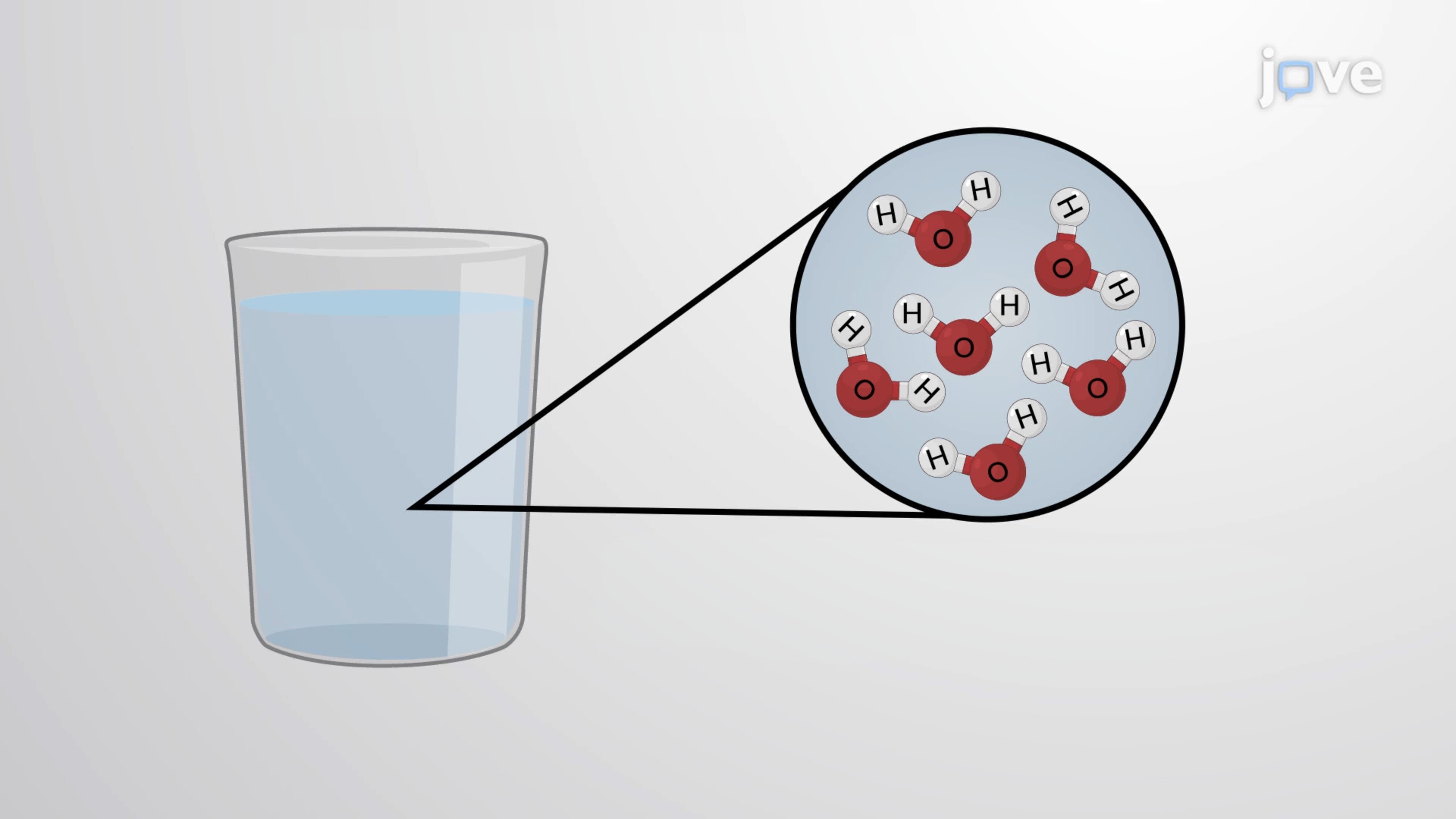
The third postulate introduces the concept of compound formation through simple whole-number ratios. When hydrogen and oxygen combine to form water, they always maintain a 2:1 atomic ratio, producing H₂O. This predictability allows pharmaceutical companies like Pfizer to manufacture medications with consistent compositions regardless of production location.
Supporting Laws: The Scientific Foundation
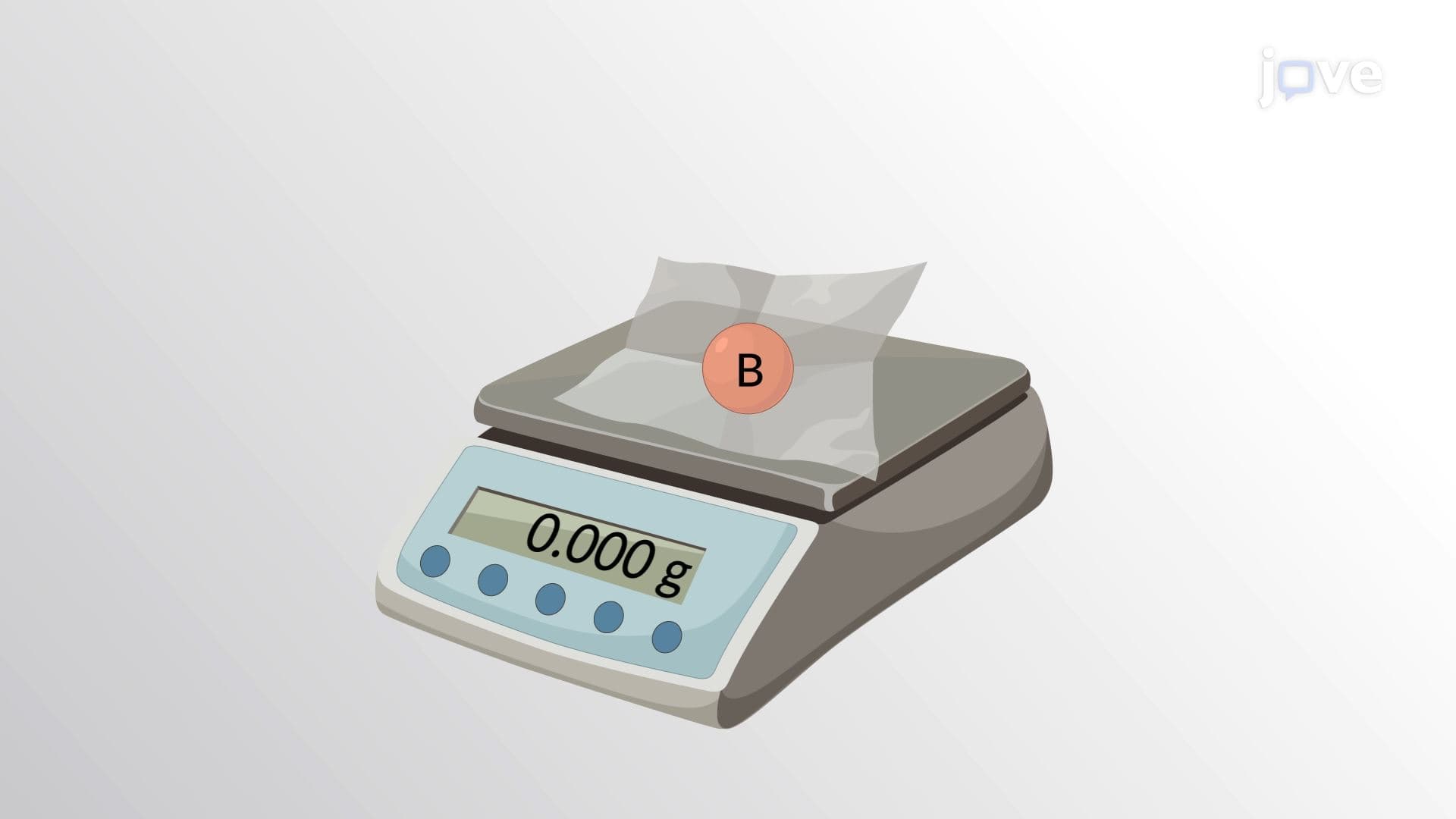
Three fundamental laws support Dalton's atomic theory. The law of conservation of mass ensures that matter cannot be created or destroyed during chemical reactions-a principle crucial for balancing chemical equations on the SAT Subject Test in Chemistry. When 18 grams of water decomposes, it produces exactly 2 grams of hydrogen and 16 grams of oxygen, with no mass lost.
The law of definite proportions guarantees that compounds maintain fixed elemental mass ratios regardless of source. Pure water always contains hydrogen and oxygen in a 1:8 mass ratio, whether collected from Lake Superior or synthesized in a University of California laboratory.
The law of multiple proportions, derived from Dalton's theory, explains how elements can form different compounds with varying ratios. Hydrogen and oxygen create both water (H₂O) and hydrogen peroxide (H₂O₂), demonstrating how fixed hydrogen masses combine with different oxygen masses in simple whole-number ratios.
Modern Applications and Exam Relevance
Understanding atomic theory proves essential for success in standardized tests like the MCAT, where students must predict reaction outcomes and calculate molecular compositions. Medical schools emphasize this knowledge because drug interactions depend on atomic-level understanding of how molecules combine and separate in the human body.
Frequently Asked Questions
The atomic theory of matter is the fundamental principle explaining that all matter consists of tiny, indivisible particles called atoms that combine in predictable ratios to form compounds. This theory forms the foundation for understanding chemical reactions, balancing equations, and predicting compound properties-essential skills for AP Chemistry, college chemistry courses, and professional exams like the MCAT.
AP Chemistry frequently tests atomic theory through stoichiometry problems, mass ratio calculations, and chemical equation balancing. Students must apply Dalton's postulates to determine empirical formulas, predict reaction products, and explain conservation of mass in chemical processes. The exam often includes multiple-choice questions about the historical development and practical applications of atomic theory.
Most college chemistry midterms and finals focus on applying atomic theory principles rather than memorizing exact postulate wording. However, understanding each postulate's meaning helps solve problems involving mass ratios, compound formation, and reaction predictions. Focus on practicing calculations and real-world applications rather than rote memorization.
Pharmaceutical companies rely on atomic theory to ensure consistent drug compositions across different manufacturing facilities. The law of definite proportions guarantees that aspirin tablets contain identical carbon-hydrogen-oxygen ratios whether produced in New Jersey or Texas, ensuring predictable therapeutic effects for patients nationwide.
Atomic theory actually simplifies chemistry by providing logical explanations for observed patterns. Students who master these fundamental principles find advanced topics like molecular geometry and reaction mechanisms much easier to understand. Start with simple examples like water formation before progressing to complex pharmaceutical compounds.
After understanding atomic theory, explore electron configuration, periodic trends, and chemical bonding theories. These topics build directly on atomic principles and prepare students for advanced concepts like molecular orbital theory and thermodynamics covered in upper-level college courses.
Practice solving mass ratio problems and balancing chemical equations daily, as these skills reinforce atomic theory understanding. Create flashcards linking each of Dalton's postulates to real-world examples, and work through past AP Chemistry or MCAT practice problems focusing on stoichiometry and conservation laws.
Chemical engineers at companies like DuPont use atomic theory for process design, while forensic scientists apply these principles for evidence analysis in FBI laboratories. Medical professionals need atomic understanding for drug interactions, and environmental scientists use these concepts for pollution control at EPA facilities.
The conservation of mass links directly to thermodynamics and energy changes in reactions, while definite proportions connect to molecular formulas and structural chemistry. Multiple proportions helps explain isomerism and different oxidation states, creating a comprehensive framework for understanding chemical behavior across all chemistry subdisciplines.
Related Micro-courses
10 Concepts

13 Concepts

10 Concepts