Loading subject page…


290,608 views

Video Summary: Atomic Radii and Effective Nuclear Charge Explained
Ever wonder why a sodium atom is significantly larger than a fluorine atom, even though they're in the same period of the periodic table? Atomic radii and effective nuclear charge explain this fascinating phenomenon that determines how atoms behave in everything from table salt formation to semiconductor manufacturing in Silicon Valley. These fundamental concepts govern atomic size patterns across the periodic table, influencing chemical bonding and reactivity in countless applications. Watch the full video on JoVE Coach to master this concept with expert-led visuals and step-by-step explanations.
Atomic size represents one of the most important periodic properties, directly influencing everything from metallic conductivity in copper wiring to the biological activity of pharmaceutical compounds. Unlike macroscopic objects with defined boundaries, atoms exist as probability clouds of electron density, making size measurement more complex than simply measuring with a ruler.
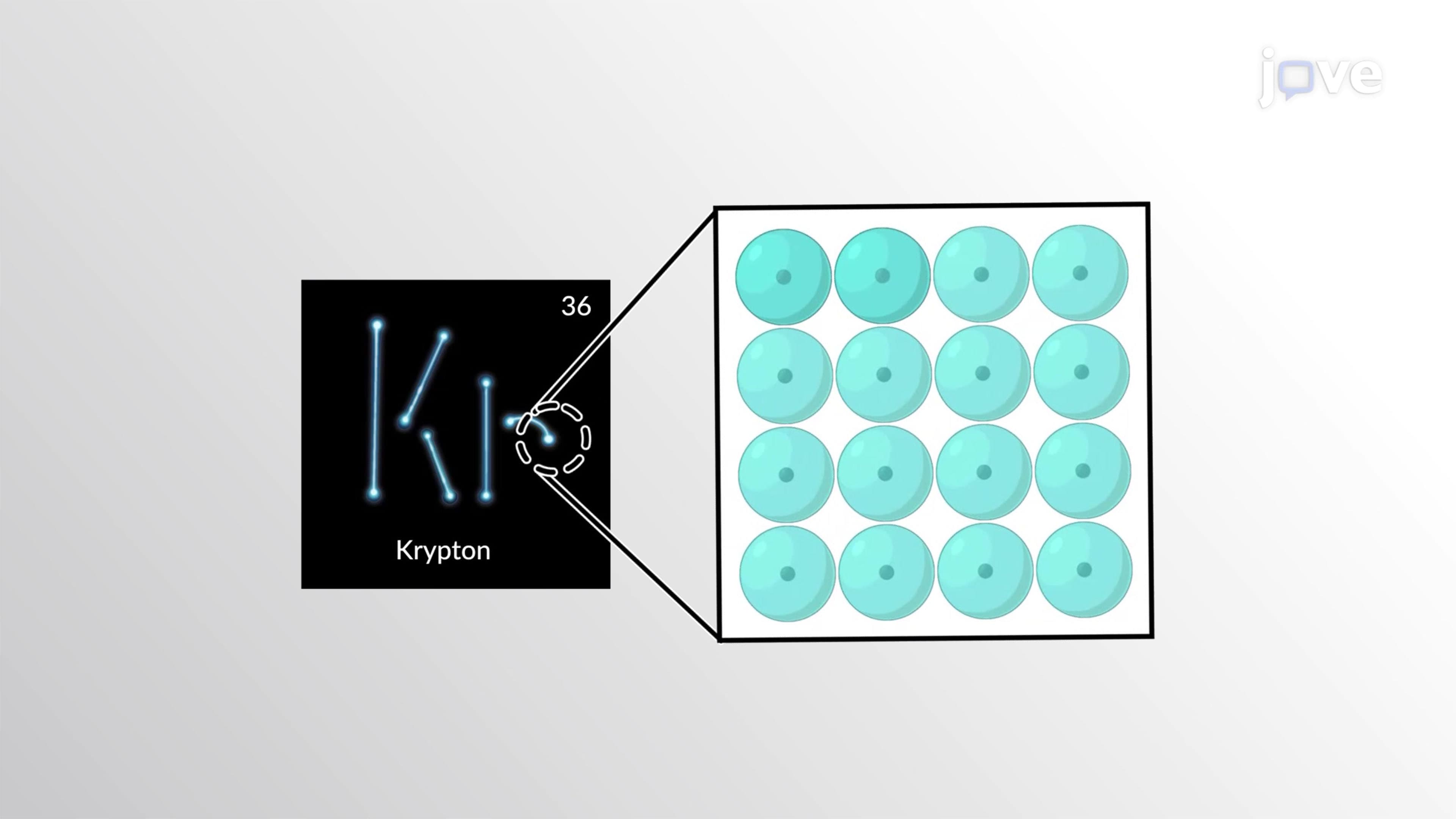
Scientists define atomic radius through two primary methods depending on the atomic environment. The van der Waals radius measures half the distance between non-bonded adjacent nuclei in solid crystals, while covalent radius focuses on bonded atoms. For metals like aluminum used in aerospace applications, we measure the distance between atomic centers in metallic crystals. For nonmetals forming diatomic molecules like chlorine gas, we measure half the bond length between covalently bonded atoms.
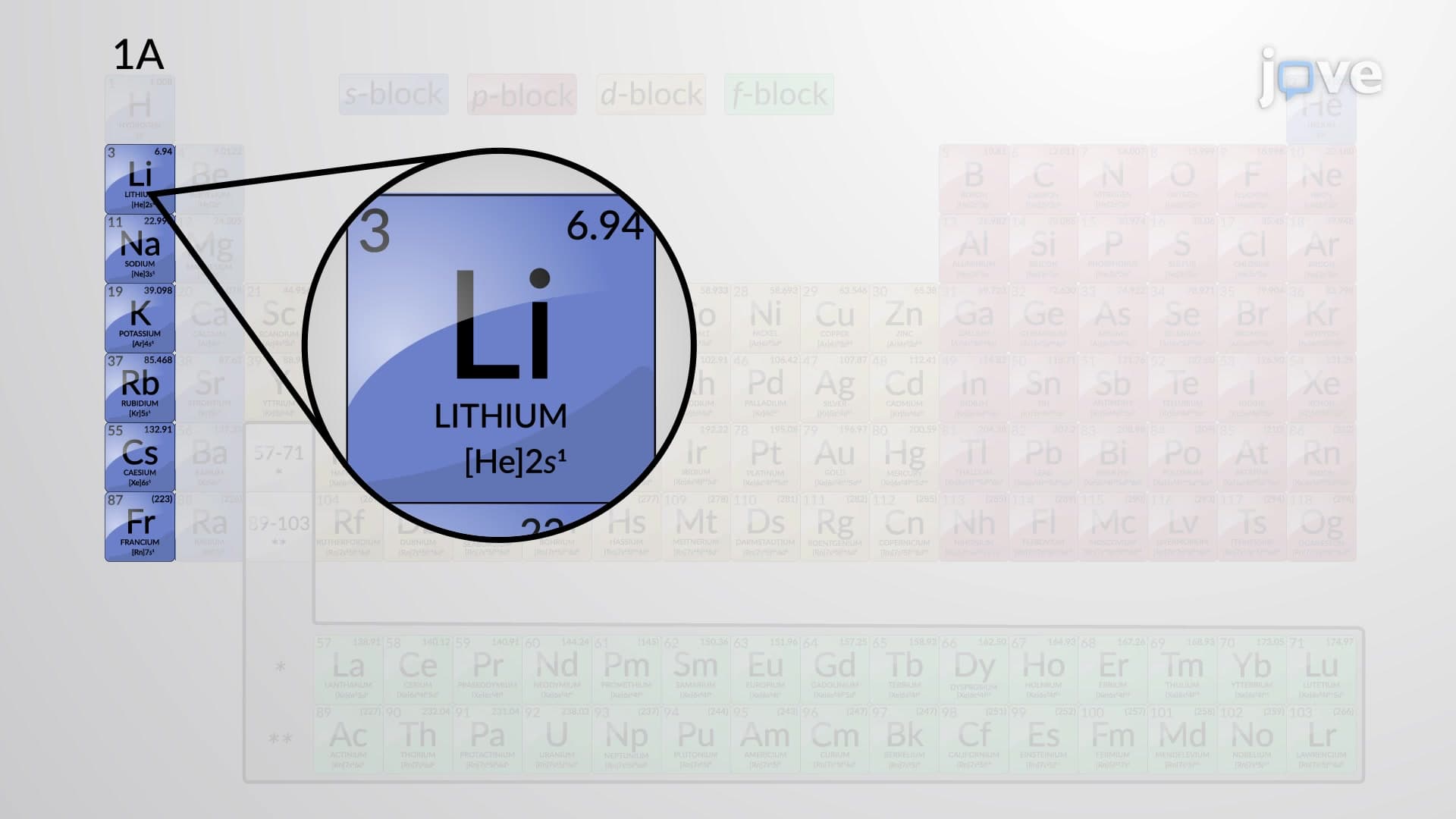
Moving down periodic table groups reveals a clear pattern: atomic radii increase systematically. From lithium to cesium in Group 1, each successive element adds a complete electron shell, pushing valence electrons farther from the nucleus. This trend explains why cesium atoms are so large they form highly reactive compounds used in atomic clocks and photoelectric devices.
The principal quantum number (n) increases by one for each period, meaning electrons occupy orbitals at greater distances from the nucleus. This fundamental relationship drives the size increase down groups and appears consistently across the entire periodic table, making it a reliable tool for predicting atomic behavior.
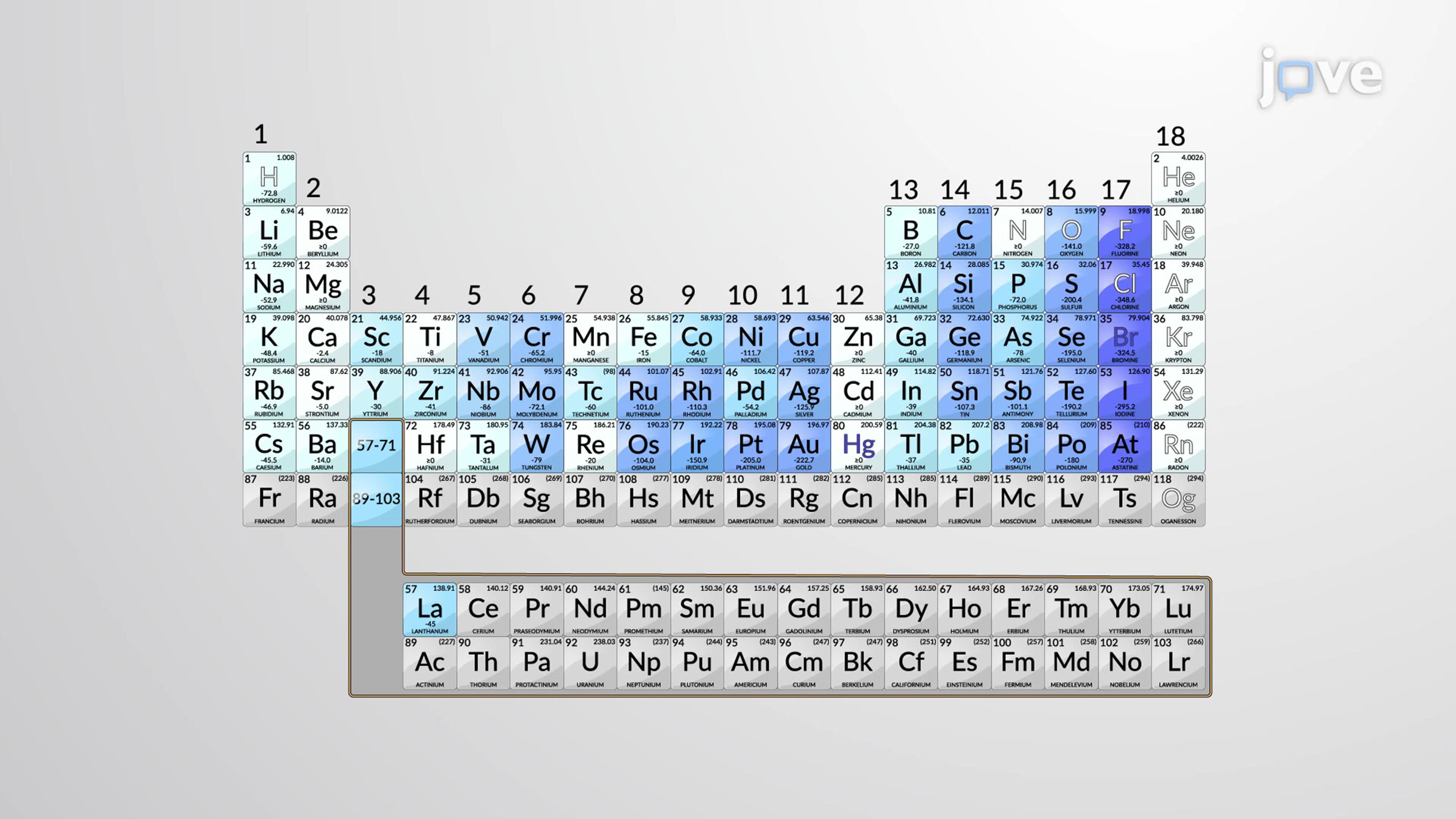
Across periods, atomic radii decrease despite adding electrons, a phenomenon explained by effective nuclear charge (Z-eff). Inner shell electrons create a "shielding effect," partially blocking outer electrons from experiencing the full nuclear charge. However, electrons in the same valence shell provide minimal shielding for each other.
As we move from sodium to chlorine, nuclear charge increases from +11 to +17, while the number of inner electrons remains constant at 10. This growing effective nuclear charge pulls valence electrons closer, reducing atomic radius. This concept proves crucial for AP Chemistry students understanding periodic trends and appears frequently on standardized tests like the SAT Subject Test in Chemistry.
Transition metals present a unique case where atomic radii remain relatively constant across periods. Unlike main group elements, transition metals add electrons to inner d orbitals while maintaining similar valence shell configurations. This explains why iron, cobalt, and nickel have similar atomic sizes despite different nuclear charges, a property exploited in steel alloy manufacturing throughout American industrial centers.
Related Micro-courses