Loading subject page…

- Chemistry
- Periodic Properties of the Elements
- Ionic Radii
Micro-course: Periodic Properties of the Elements
290,608 views
Learn key concepts and earn your certificate.

Ionic Radii

00:00
03:10
Video Summary: What Is Ionic Radii
Ever wonder why table salt dissolves so easily in water while metals don't? Ionic radii determines how ions pack together and interact in compounds like sodium chloride, affecting everything from solubility to crystal structure. Cations shrink compared to their parent atoms, while anions expand-a size difference that explains why lithium batteries work so efficiently in smartphones and electric vehicles. Watch the full video on JoVE Coach to master this concept with expert-led visuals and step-by-step explanations.
- Understand what is ionic radii and how it differs from atomic radius in neutral atoms
- Identify why cations are smaller than their parent atoms while anions are larger
- Analyze how effective nuclear charge influences ionic size in different elements
- Compare ionic radii trends across periods and groups in the periodic table
- Recognize isoelectronic series and predict relative sizes based on nuclear charge
- Apply ionic radii concepts to predict compound properties and crystal structures
- Evaluate how electron-electron repulsion affects anion size compared to parent atoms
- Explore real-world applications of ionic size in battery technology and materials science
Understanding What is Ionic Radii
Ionic radii represents the effective size of an ion in an ionic compound, measured as the distance from the nucleus to the outermost electron shell. Unlike atomic radius, which measures neutral atoms, ionic radii accounts for the dramatic size changes that occur when atoms gain or lose electrons to form ions. This concept is fundamental to understanding chemical bonding, crystal structures, and material properties in everything from semiconductors to pharmaceutical compounds.
Cation Size: Why Metal Ions Shrink
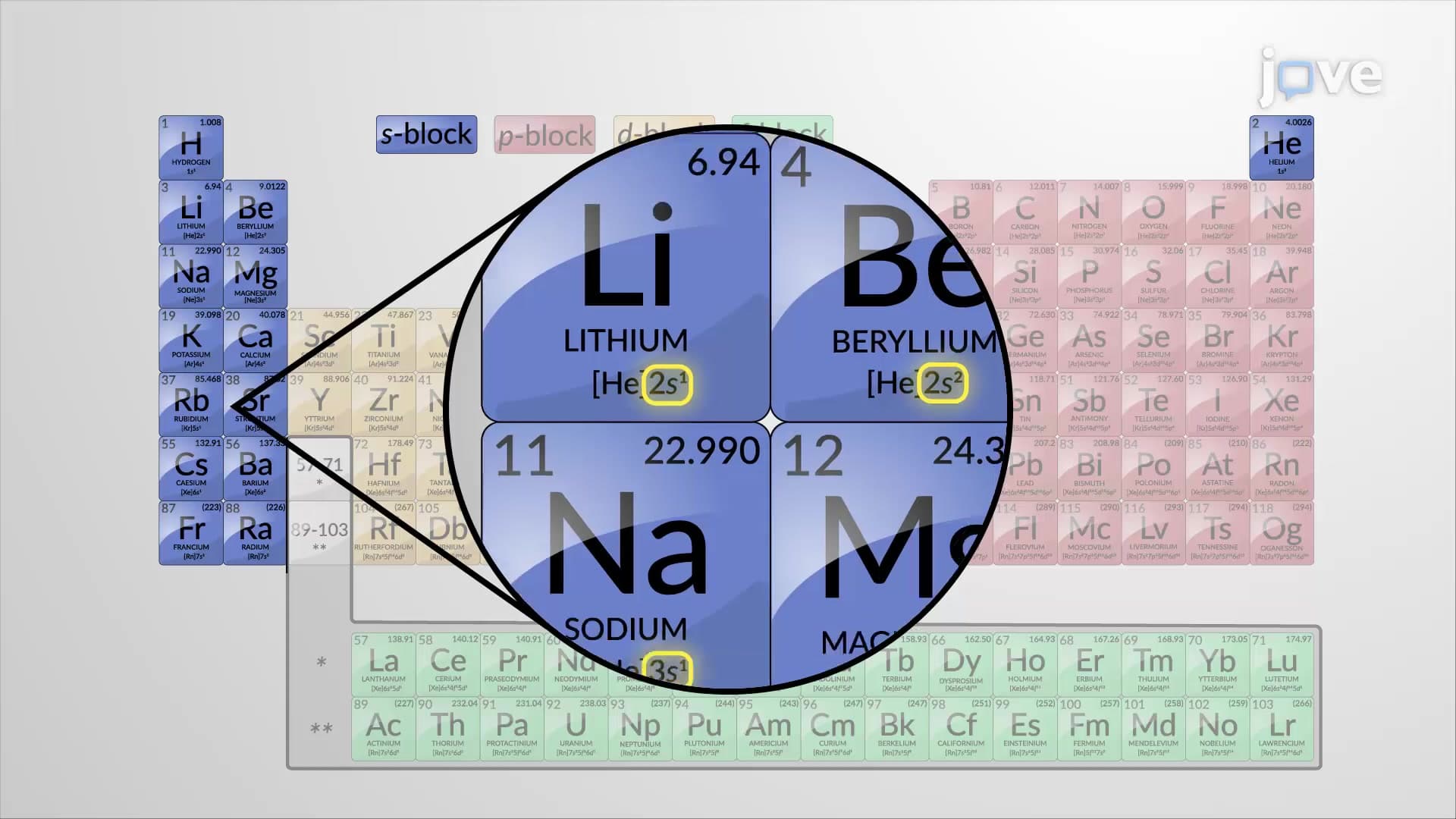
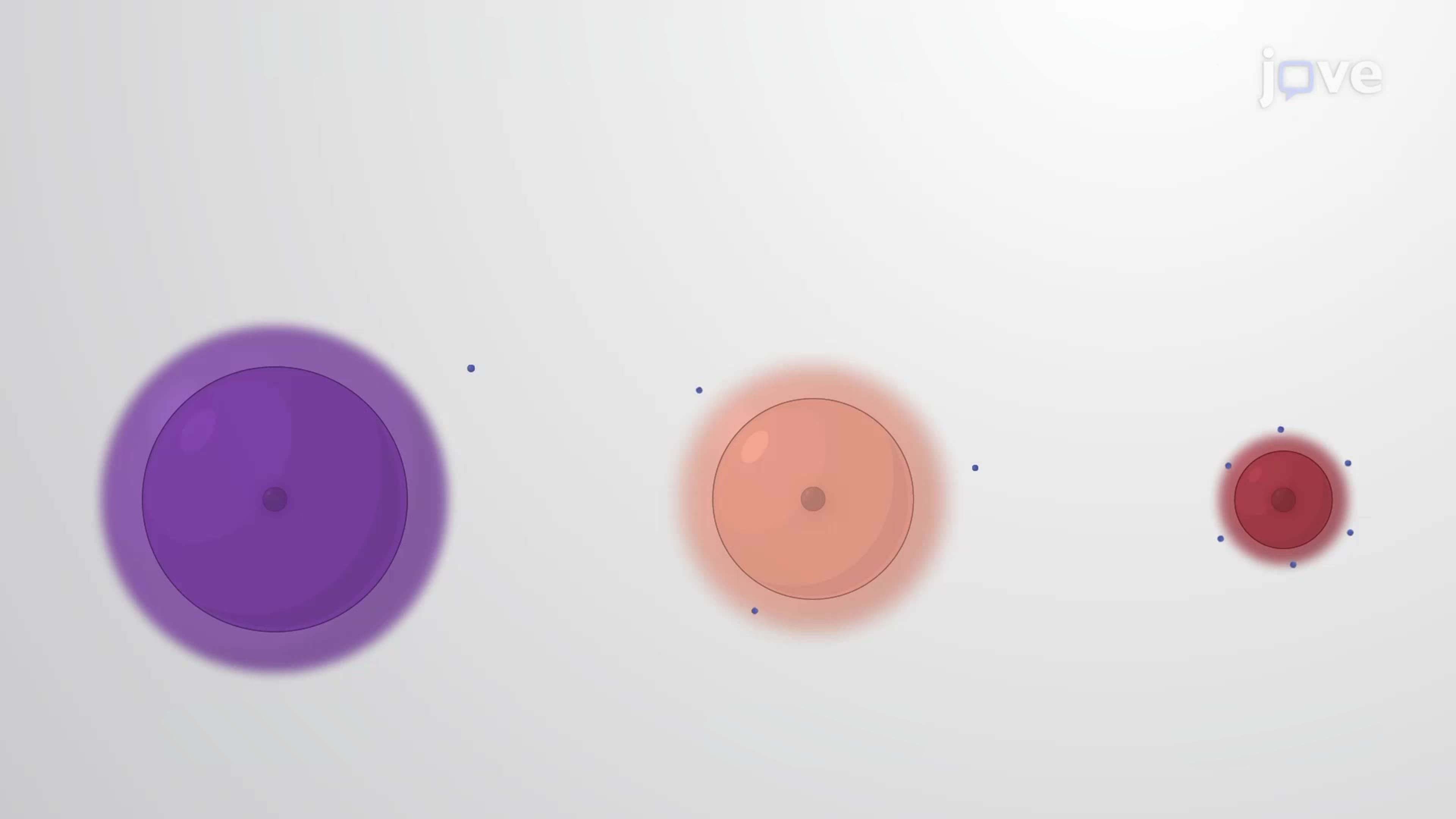
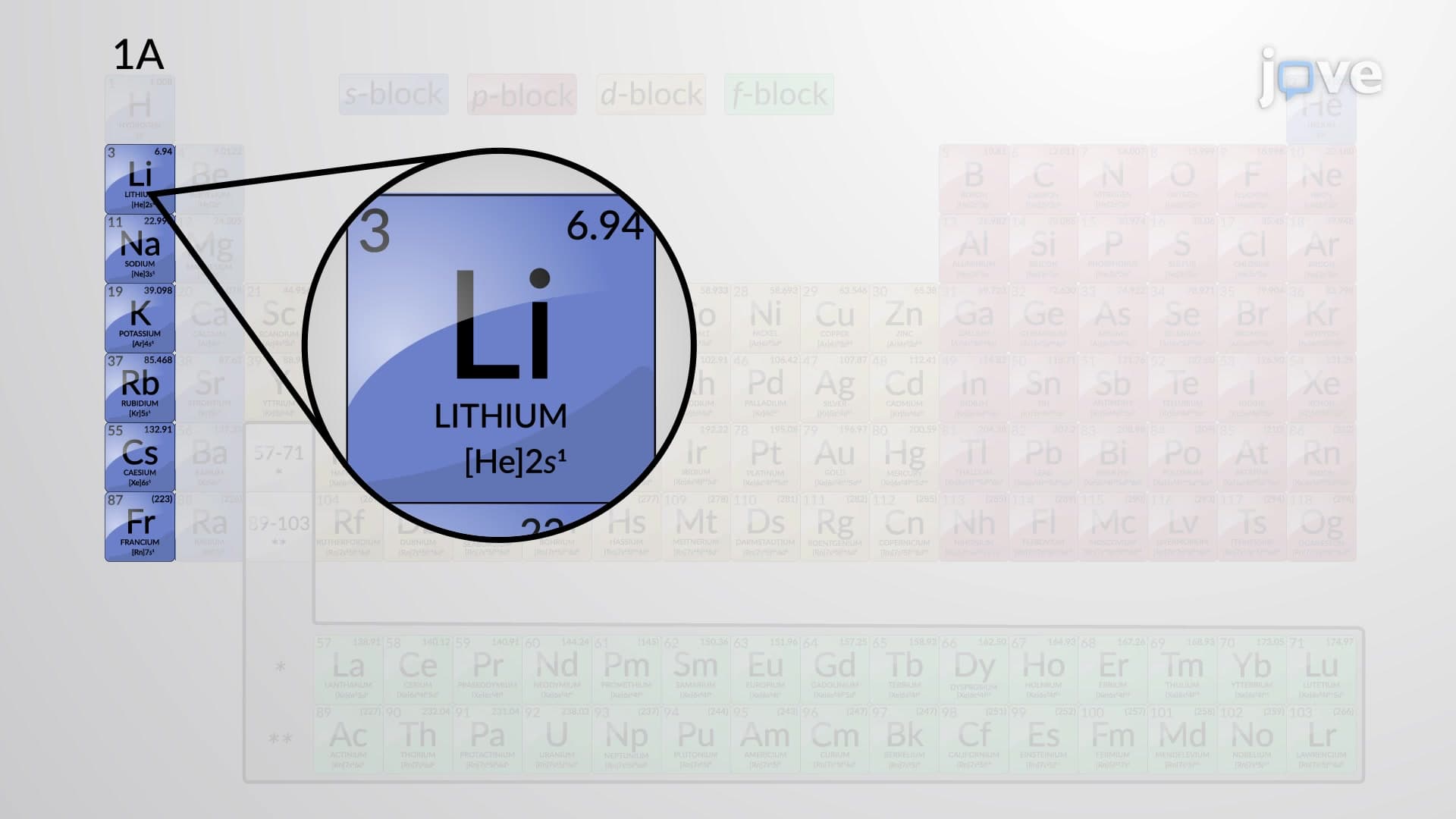
When metals lose electrons to form cations, they become significantly smaller than their parent atoms. Consider sodium, commonly found in table salt used across American households. A neutral sodium atom has an atomic radius of 186 picometers, but the sodium cation (Na+) shrinks to just 102 picometers-nearly half the size. This dramatic reduction occurs because losing the outermost electron eliminates an entire electron shell, while the nuclear charge remains constant. The remaining electrons experience stronger attraction to the nucleus, pulling them closer and reducing the overall size.
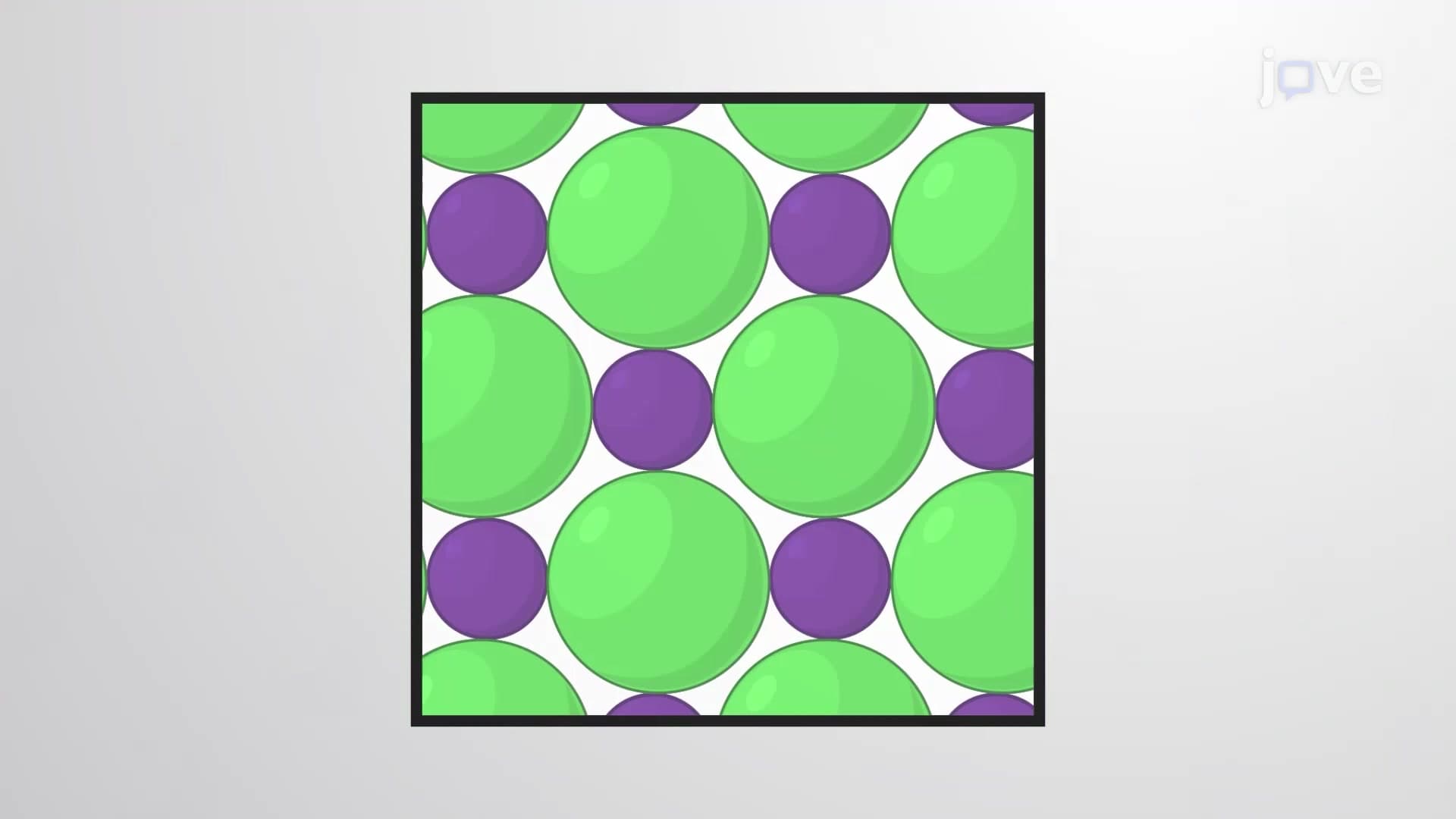
This size reduction is crucial for understanding why sodium chloride forms stable crystals. The smaller sodium cations can pack efficiently between the larger chloride anions, creating the cubic crystal structure that gives salt its characteristic properties. Students preparing for AP Chemistry or college general chemistry courses should remember that all metal cations follow this trend-they're always smaller than their parent atoms.
Anion Expansion: Why Nonmetals Grow
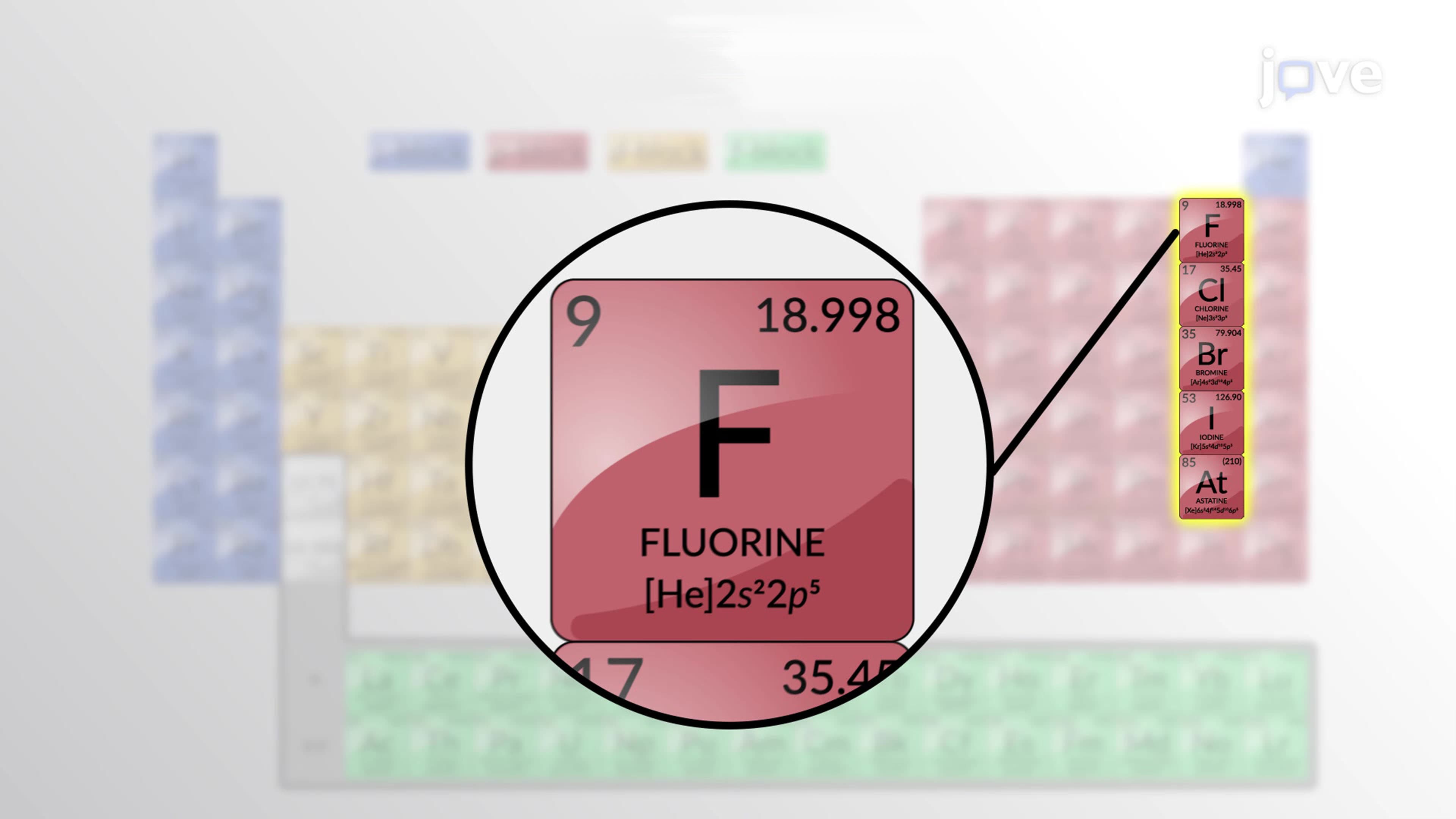
Anions behave oppositely to cations, becoming larger than their parent atoms when they gain electrons. Fluoride ions in municipal water fluoridation programs demonstrate this perfectly. A fluorine atom has a radius of 64 picometers, but the fluoride anion (F-) expands to 136 picometers-more than double the size. The added electron increases electron-electron repulsion while the nuclear charge stays constant, forcing the electron cloud to expand.
This expansion explains why ionic compounds containing small, highly charged anions often have unique properties. Fluoride's large size relative to its charge makes it ideal for dental applications, as it can effectively replace hydroxide ions in tooth enamel, creating more acid-resistant fluorapatite.
Periodic Trends and Isoelectronic Series
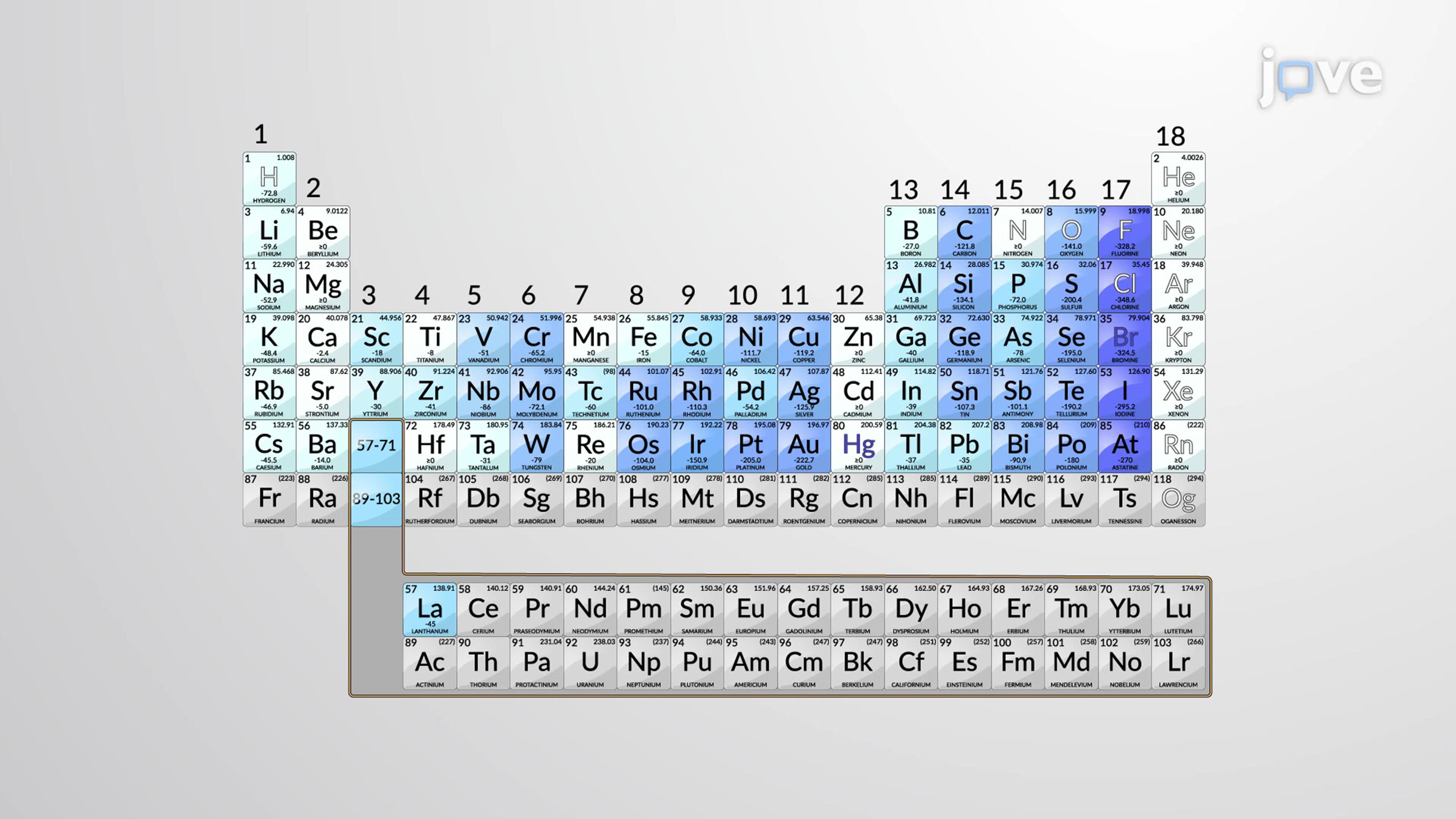
Ionic radii follow predictable periodic trends essential for MCAT and college chemistry success. Moving down a group, ionic radii increase as additional electron shells are added. Across a period, the trend depends on charge-cations generally decrease in size while anions show complex patterns based on electron configuration.
Isoelectronic series-ions with identical electron counts but different nuclear charges-provide clear examples of nuclear charge effects. The series S²⁻, Cl⁻, Ar, K⁺, Ca²⁺ all contain 18 electrons, but their radii decrease dramatically from sulfide (184 pm) to calcium (100 pm) as nuclear charge increases from 16 to 20 protons.
Frequently Asked Questions
Ionic radii measures the size of charged ions in compounds, while atomic radius measures neutral atoms. Cations are smaller than their parent atoms due to electron loss, while anions are larger due to electron gain. This size difference is crucial for understanding crystal structures and compound stability.
When atoms form ions, electron configuration changes dramatically affect size. Cations lose outermost electrons, often eliminating entire electron shells and experiencing greater nuclear attraction. Anions gain electrons, increasing electron-electron repulsion and expanding the electron cloud beyond the parent atom's size.
AP Chemistry typically tests ionic radii through comparative questions about isoelectronic series, periodic trends, and crystal structure predictions. Students must rank ions by size, explain size differences using nuclear charge concepts, and predict compound properties based on ionic size ratios.
The MCAT emphasizes understanding how ionic size affects biological processes like enzyme binding and membrane transport. Focus on trends across periods, isoelectronic series comparisons, and how ionic size influences solubility and bioavailability of pharmaceutical compounds.
College exams commonly feature calculations involving ionic radii ratios, crystal structure predictions, and trend explanations using electron-nuclear interactions. Students should practice identifying exceptions to trends and explaining size differences quantitatively using effective nuclear charge principles.
Ionic radii determines why certain salts dissolve in water while others don't, affecting everything from road de-icing to food preservation. Lithium's small ionic radius makes it perfect for rechargeable batteries in smartphones and electric vehicles, while calcium's size enables its role in biological processes and concrete strength.
No advanced math is required-ionic radii focuses on conceptual understanding of electron-nuclear interactions and periodic trends. Basic arithmetic for comparing sizes and understanding proportional relationships is sufficient. The key is visualizing how electron gain/loss affects atomic structure.
Create visual aids comparing neutral atoms to their ions, practice ranking isoelectronic series by size, and memorize key examples like Na/Na+ and F/F- size differences. Use periodic table trends to predict sizes before looking up actual values, and connect ionic size to real-world applications for better retention.
Build on ionic radii by exploring lattice energy, which depends heavily on ionic size and charge. Study crystal structures, solubility rules, and coordination chemistry. Advanced topics include polarization effects and how ionic size influences reaction mechanisms in inorganic chemistry.
Related Micro-courses