Loading subject page…


290,608 views

Video Summary: What Is Noble Gases
Ever wonder why helium balloons float or why expensive neon signs glow with vibrant colors? Noble gases, the mysterious Group 18 elements, hold these answers and more. These unreactive elements-helium, neon, argon, krypton, xenon, and radon-revolutionized our understanding of chemical bonding through their complete electron shells. From tungsten light bulbs filled with argon to helium's role in rocket fuel cooling systems at NASA, noble gases are everywhere. Watch the full video on JoVE Coach to master this concept with expert-led visuals and step-by-step explanations.
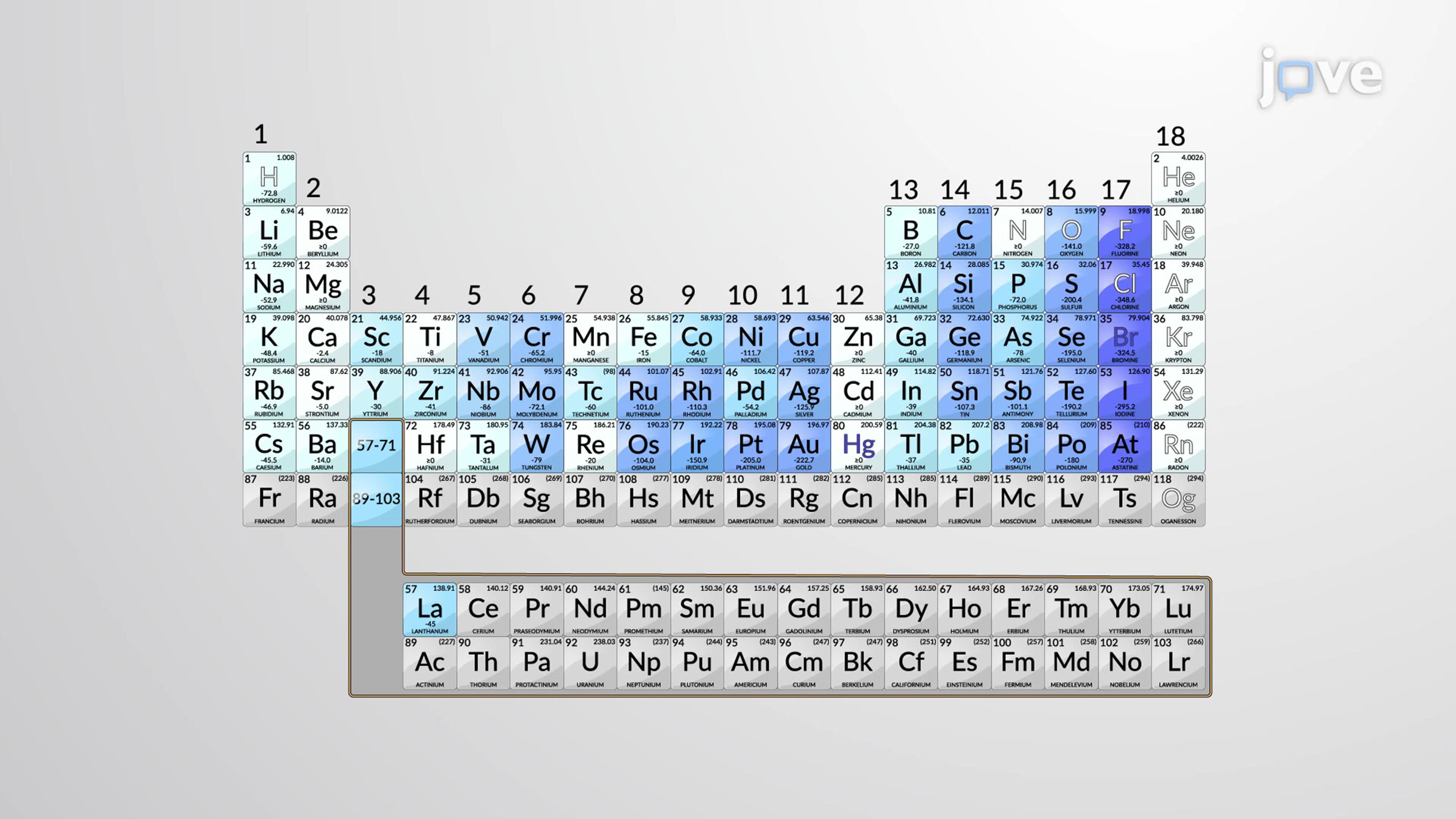
Noble gases represent one of chemistry's most fascinating element groups, demonstrating how electron configuration directly influences chemical behavior. These six elements-helium (He), neon (Ne), argon (Ar), krypton (Kr), xenon (Xe), and radon (Rn)-occupy Group 18 of the periodic table and exhibit unique properties that set them apart from all other elements.
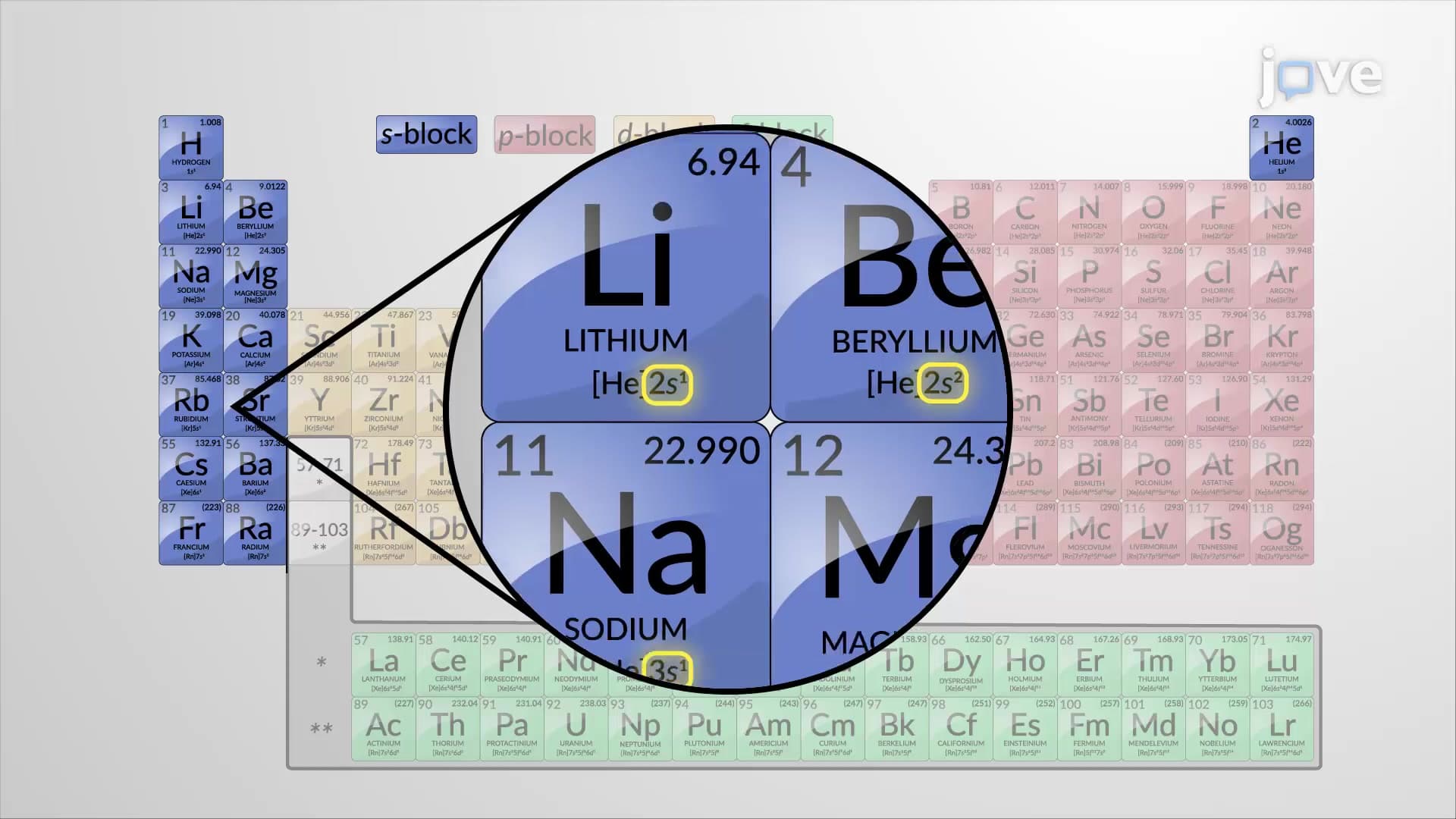
The term "noble" reflects their aristocratic behavior: they rarely interact with other elements, maintaining their independence through complete valence electron shells. This electronic configuration, featuring filled s and p orbitals (except helium with its filled 1s orbital), creates extraordinary stability that explains their monatomic existence under standard conditions.
The noble gases definition centers on their complete outer electron shells, which follow the octet rule (or duet rule for helium). This configuration results in exceptionally high first ionization energies-the energy required to remove an electron. For example, helium has the highest first ionization energy of any element at 2,372 kJ/mol, making electron removal extremely unfavorable.
Similarly, these elements exhibit positive electron affinities, meaning energy input is required to add electrons to their already-complete valence shells. Any additional electron must enter a higher principal quantum level, creating an unstable configuration. This dual resistance to both electron loss and gain explains their historical classification as "inert gases."
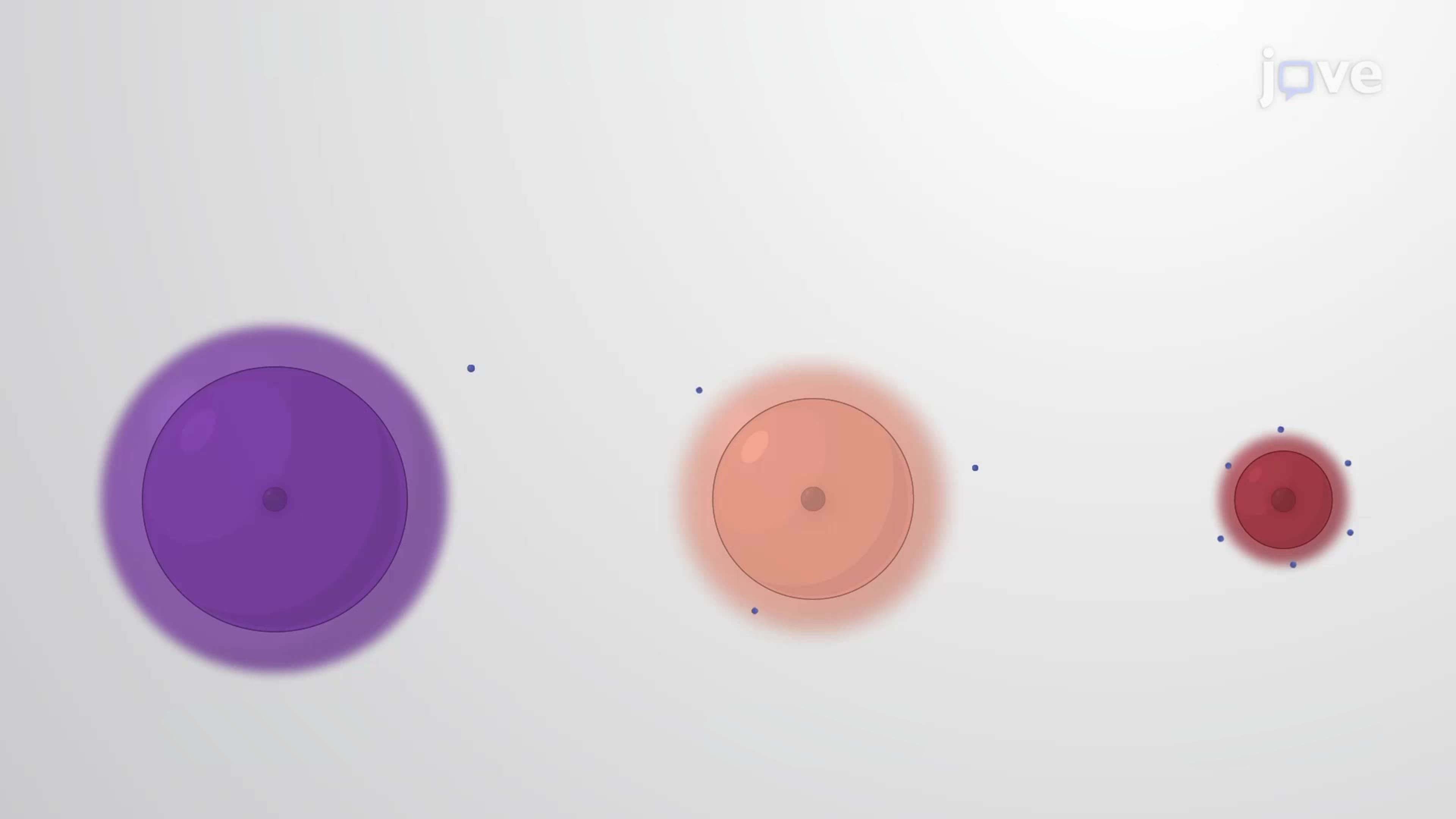
Moving down Group 18 reveals clear periodic trends essential for AP Chemistry and college-level coursework. Atomic radius increases from helium (31 pm) to radon (120 pm), while ionization energy decreases correspondingly. Boiling points follow a dramatic progression: helium liquefies at -269°C, while radon remains gaseous only until -62°C.
These trends prove crucial for MCAT preparation, where students must predict physical properties based on periodic position. The increasing polarizability down the group explains why larger noble gases can form compounds more readily than their lighter counterparts.
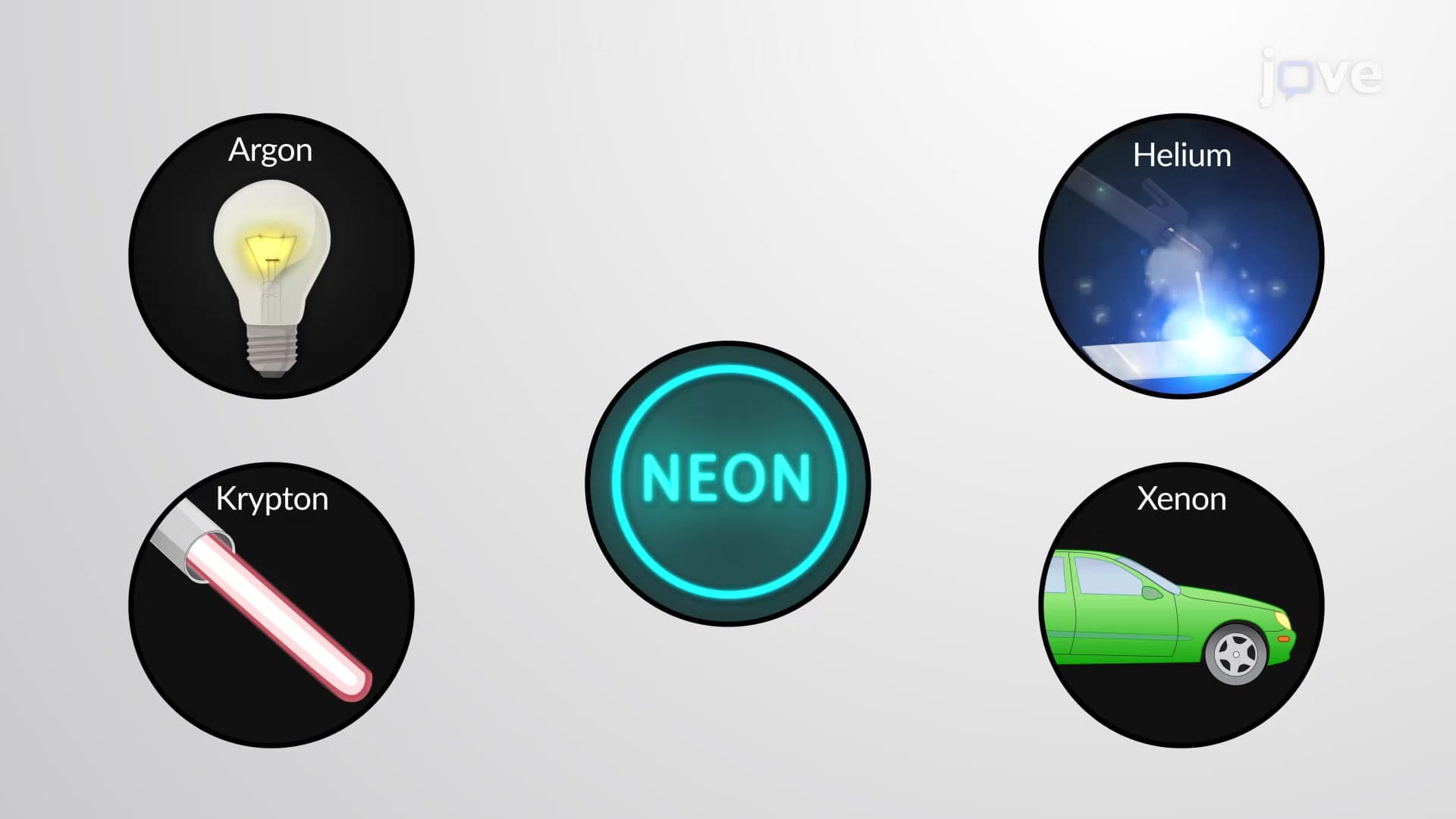
Noble gas applications span numerous industries, validating their practical importance beyond theoretical chemistry. Argon fills incandescent bulbs to prevent tungsten filament oxidation, extending bulb life significantly. Helium creates inert atmospheres for welding reactive metals like titanium in aerospace manufacturing. Neon powers the iconic advertising signs across Times Square, while xenon provides intense illumination for automotive headlights.
The medical field extensively uses noble gases: helium-oxygen mixtures treat respiratory conditions, while xenon serves as an anesthetic agent. Radon, despite its radioactivity, finds applications in cancer treatment through targeted radiation therapy.
Neil Bartlett's groundbreaking 1962 discovery revolutionized noble gas chemistry by synthesizing xenon hexafluoroplatinate, proving these elements could form stable compounds. This breakthrough, often featured in chemistry history discussions on standardized tests, demonstrated that sufficient electronegativity differences could overcome noble gas stability.
Xenon, possessing the lowest ionization energy among stable noble gases, readily forms compounds with highly electronegative elements like fluorine and oxygen. Common xenon compounds include XeF2, XeF4, and XeF6, all synthesizable under controlled laboratory conditions. These discoveries opened new research avenues in chemical bonding theory and expanded our understanding of periodic trends.
Related Micro-courses