Loading…
Loading video…

411,800 views
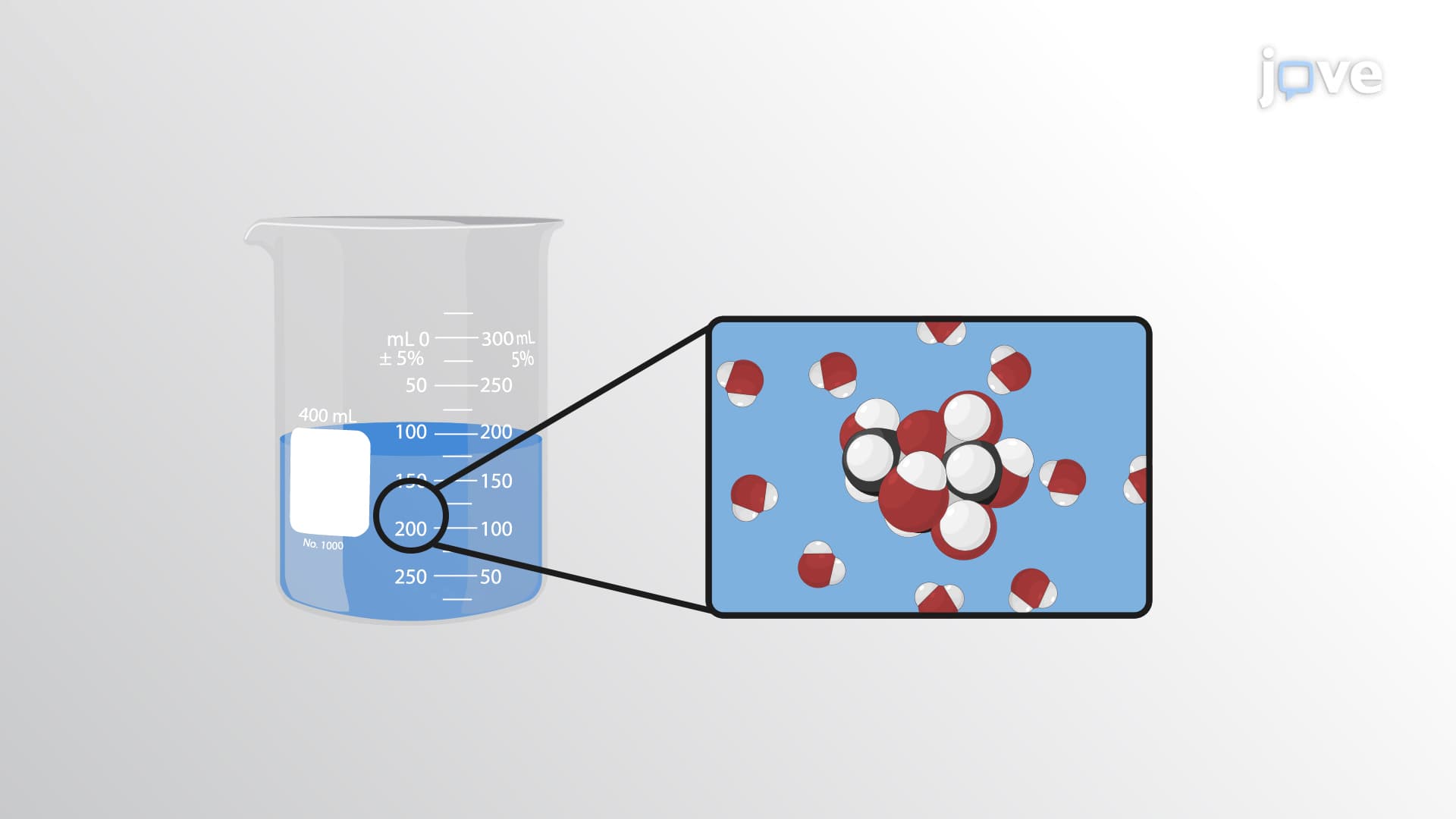
Ever wonder why road salt melts ice faster than sugar? The electrolytes van t hoff factor explains this phenomenon through the number of particles that form when substances dissolve. Unlike non-electrolytes like glucose that remain as single molecules, electrolytes like sodium chloride used in IV fluids at hospitals split into multiple ions, dramatically affecting solution properties. This multiplier effect, quantified by the van't Hoff factor, determines how much a solution's freezing point drops or osmotic pressure increases. Watch the full video on JoVE Coach to master this concept with expert-led visuals and step-by-step explanations.
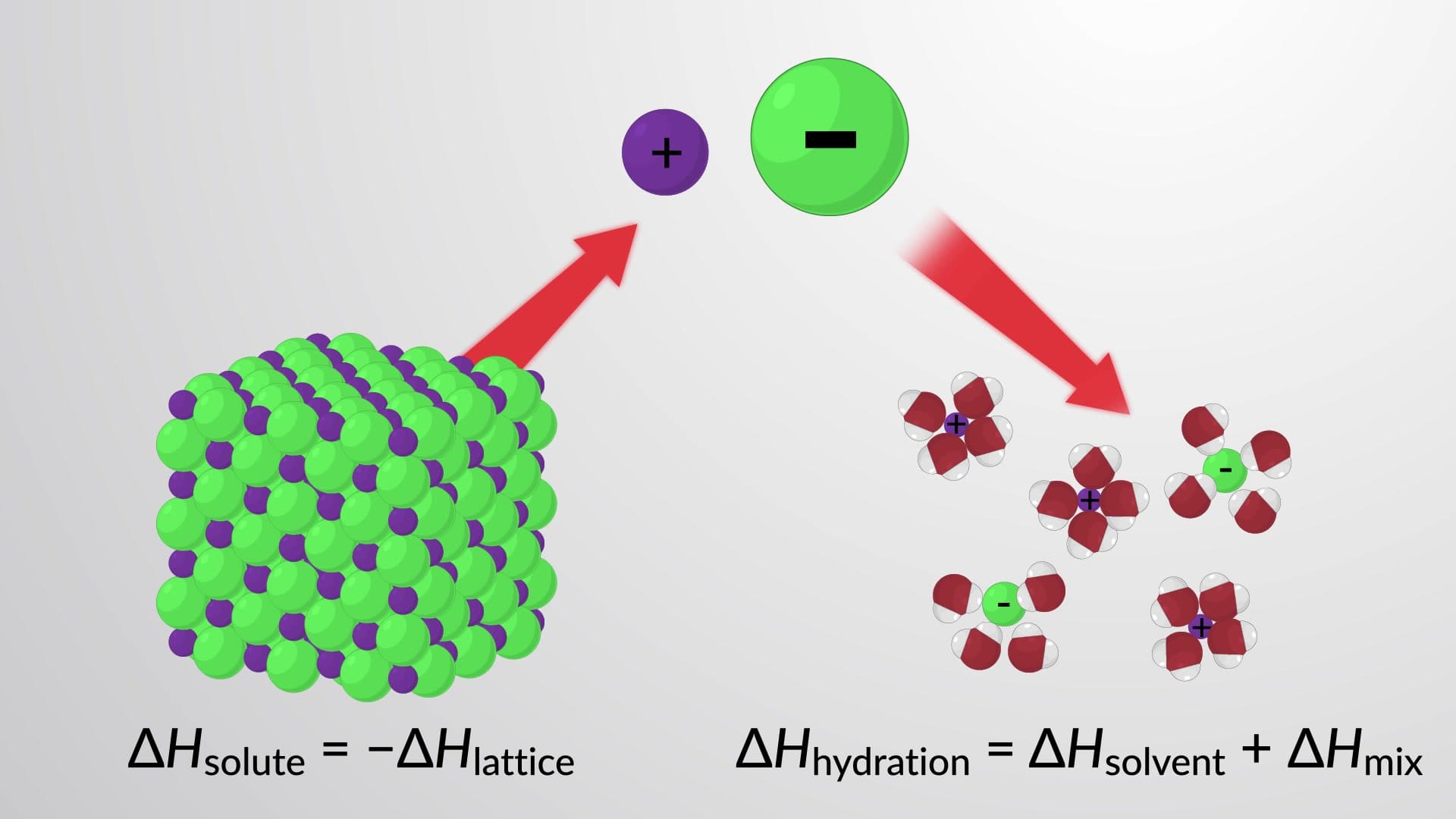
The electrolytes van t hoff factor (i) represents one of chemistry's most practical concepts, bridging theoretical predictions with real-world observations. Named after Dutch physical chemist Jacobus Henricus van't Hoff, this factor quantifies how many particles form when one formula unit of a substance dissolves in solution. For non-electrolytes like sucrose or ethanol, i equals 1 because these molecules remain intact when dissolved. However, electrolytes dramatically alter this relationship.
When sodium chloride dissolves in IV saline solutions used in US hospitals, each NaCl formula unit theoretically produces two ions (Na+ and Cl-), suggesting i = 2. Similarly, calcium chloride used for road de-icing should yield three particles (Ca2+ and two Cl- ions), indicating i = 3. This particle multiplication directly impacts colligative properties—those depending solely on particle number, not identity.
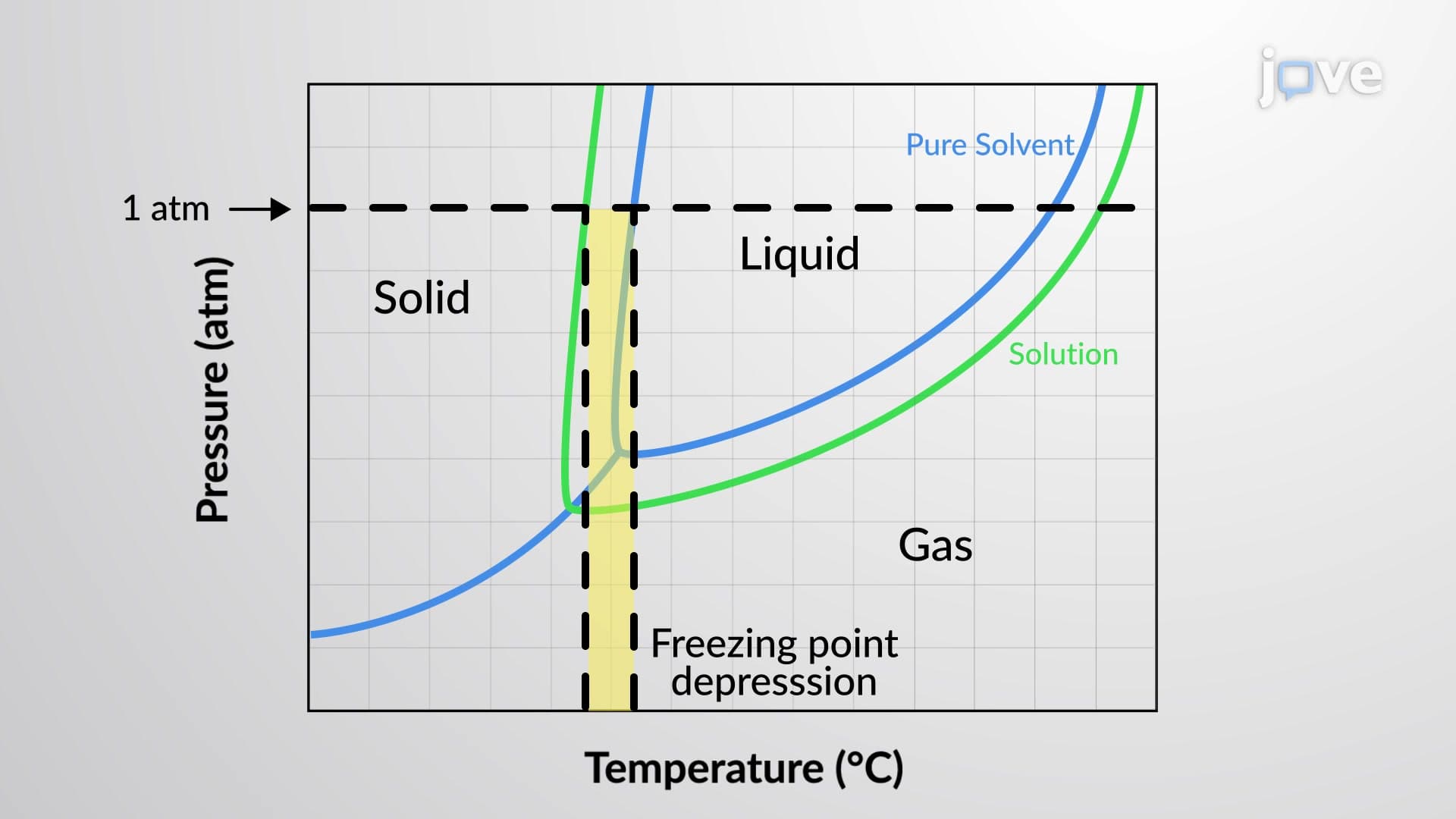
The mathematical relationship becomes evident in freezing point depression calculations: ΔTf = i × Kf × m, where Kf represents the freezing point depression constant and m indicates molality. For a 0.100 m KCl solution, using i = 2 and water's Kf = 1.86°C/m yields a theoretical freezing point depression of 0.372°C. This explains why rock salt effectively melts ice on American highways—the doubled particle count creates twice the freezing point depression compared to non-electrolytes.
AP Chemistry and college general chemistry courses emphasize these calculations because they appear frequently on standardized tests. Students must master both theoretical predictions and experimental observations, as measured values often differ from calculations.
Experimental measurements reveal that actual van't Hoff factors fall below theoretical values due to ion pairing. In concentrated solutions, oppositely charged ions experience electrostatic attraction, temporarily associating and reducing the effective particle count. Strong electrolytes with highly charged ions, such as Al2(SO4)3 used in water treatment facilities, exhibit significant ion pairing effects.
The phenomenon becomes more pronounced with increased ionic strength or higher ion charges. Magnesium sulfate, commonly administered in US emergency departments for eclampsia treatment, demonstrates substantial ion pairing due to the +2 and -2 charges on Mg2+ and SO4^2- respectively. This real-world complexity requires healthcare professionals and chemical engineers to use experimentally determined van't Hoff factors rather than theoretical values.
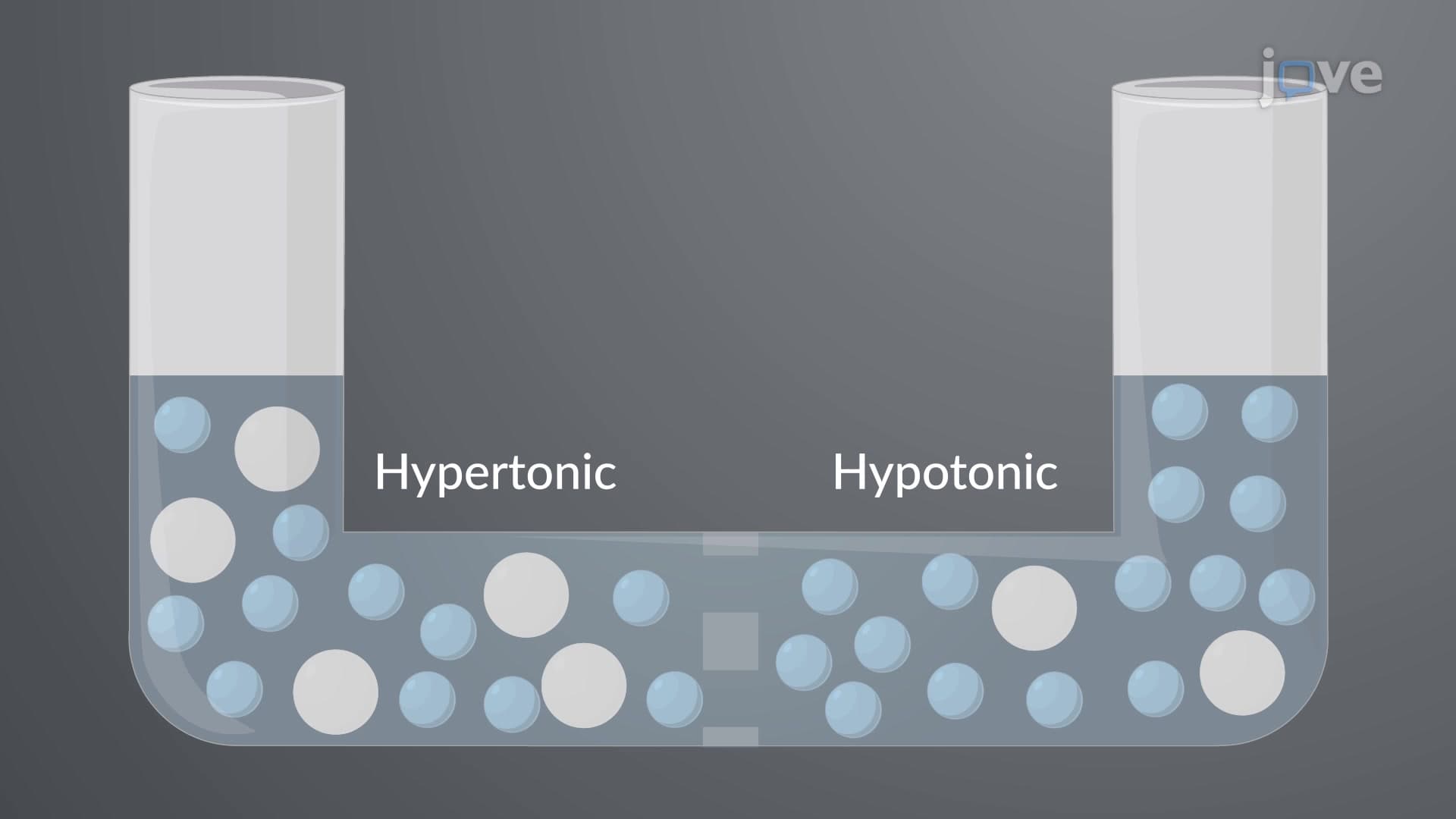
Understanding van't Hoff factor concepts proves essential for MCAT preparation and healthcare careers. Osmotic pressure calculations in IV fluid selection, dialysis solution preparation, and pharmaceutical formulation all depend on accurate particle count predictions. The factor also influences industrial processes like desalination, where membrane engineers must account for ion behavior in concentrated salt solutions.
Frequently Asked Questions
The electrolytes van t hoff factor (i) measures how many particles form when one formula unit of an electrolyte dissolves in solution. It's calculated by dividing the measured colligative property by the theoretical value for a non-electrolyte. This factor accounts for ion dissociation, making it essential for predicting solution behavior in medical, industrial, and environmental applications.
Use the formula i = (measured colligative property) / (calculated colligative property for non-electrolyte). For example, if measured freezing point depression is 0.344°C but calculated value is 0.372°C, then i = 0.344/0.372 = 0.925. AP exams often test this concept through osmotic pressure and freezing point depression calculations.
Yes, MCAT General Chemistry sections frequently include van't Hoff factor problems, especially related to biological systems and medical solutions. Focus on osmotic pressure calculations for cell membranes, IV fluid osmolarity, and kidney function. Understanding ion pairing effects and real vs. theoretical values is crucial for high scores.
Ion pairing causes experimental values to fall below theoretical expectations. Oppositely charged ions in solution experience electrostatic attraction, temporarily associating and reducing effective particle count. Strong electrolytes with highly charged ions show greater deviations due to stronger ionic interactions.
Hospital IV fluids, dialysis solutions, and medication preparations all rely on van't Hoff factor principles. For example, 0.9% saline solution's osmotic pressure depends on sodium chloride's van't Hoff factor of approximately 1.9. Emergency department physicians use these concepts when selecting appropriate IV fluids for patient hydration and electrolyte balance.
No, van't Hoff factor problems require only basic algebra and ratio calculations taught in high school chemistry. The concept focuses more on understanding particle behavior than complex mathematics. Start with simple ionic compounds like NaCl before advancing to more complex electrolytes with multiple ions.
Create comparison tables showing theoretical vs. experimental i values for common electrolytes. Practice calculating colligative properties using both values to understand real-world deviations. Focus on memorizing i values for frequently tested compounds like NaCl (i ≈ 1.9), KCl (i ≈ 1.9), and CaCl2 (i ≈ 2.7).
Advance to solution equilibria, including acid-base chemistry and solubility equilibrium. These topics build on van't Hoff factor understanding by exploring how ion concentrations affect chemical equilibrium. Also consider studying electrochemistry, where ion behavior directly impacts cell potentials and battery function.
Related Micro-courses
Related Subjects
 Analytical Chemistry 16 micro-courses›
 Organic Chemistry 21 micro-courses›