Loading…
Loading video…

411,800 views
Ever wonder why sugar disappears when you stir it into coffee, but oil forms separate layers in water? Solution formation is the process where substances mix at the molecular level to create homogeneous mixtures called solutions. From the brass in US pennies to the saline solutions used in American hospitals, solution formation governs countless everyday processes. This fundamental chemistry concept explains how solutes dissolve in solvents through intermolecular forces and entropy changes. Watch the full video on JoVE Coach to master this concept with expert-led visuals and step-by-step explanations.
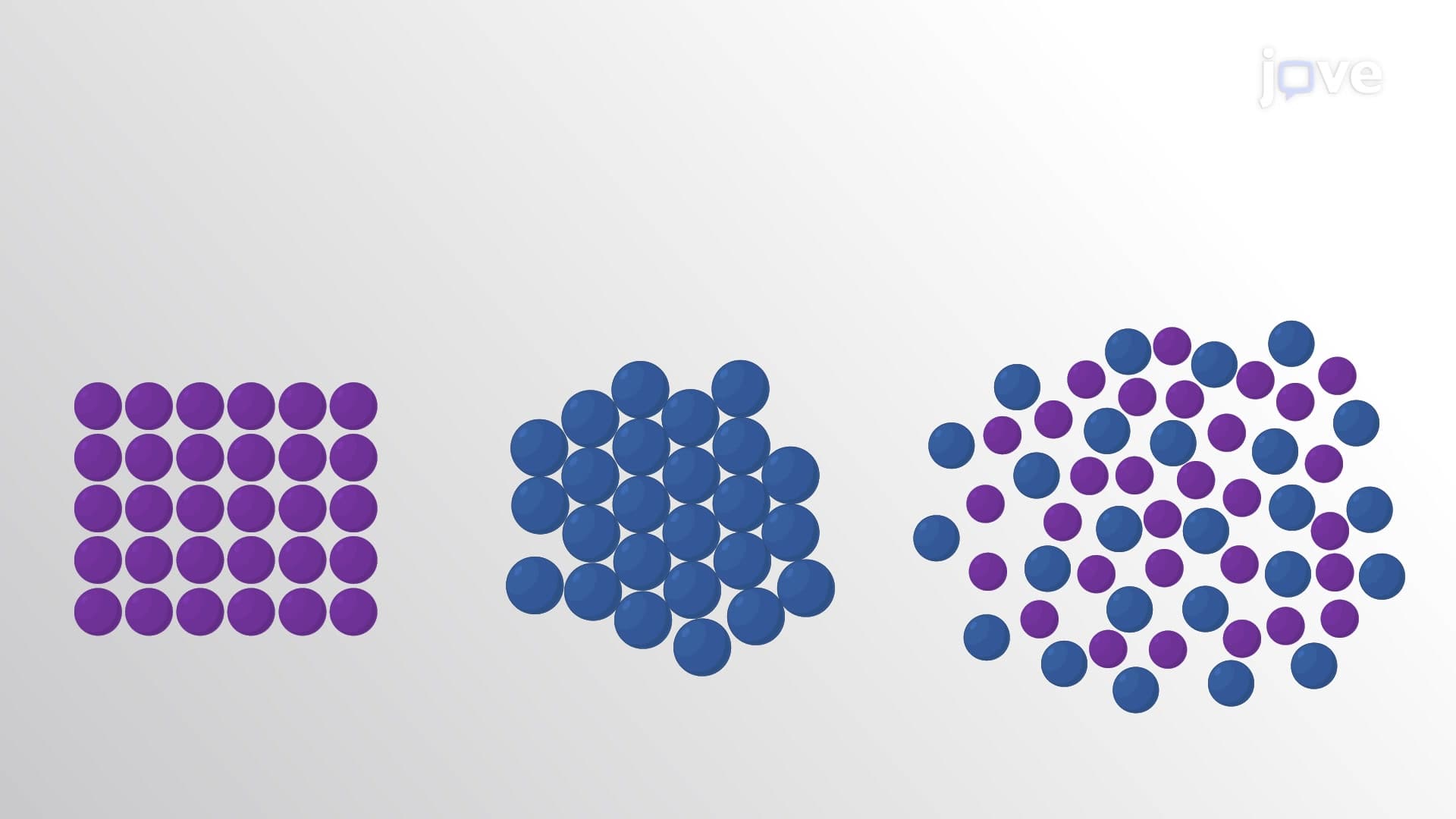
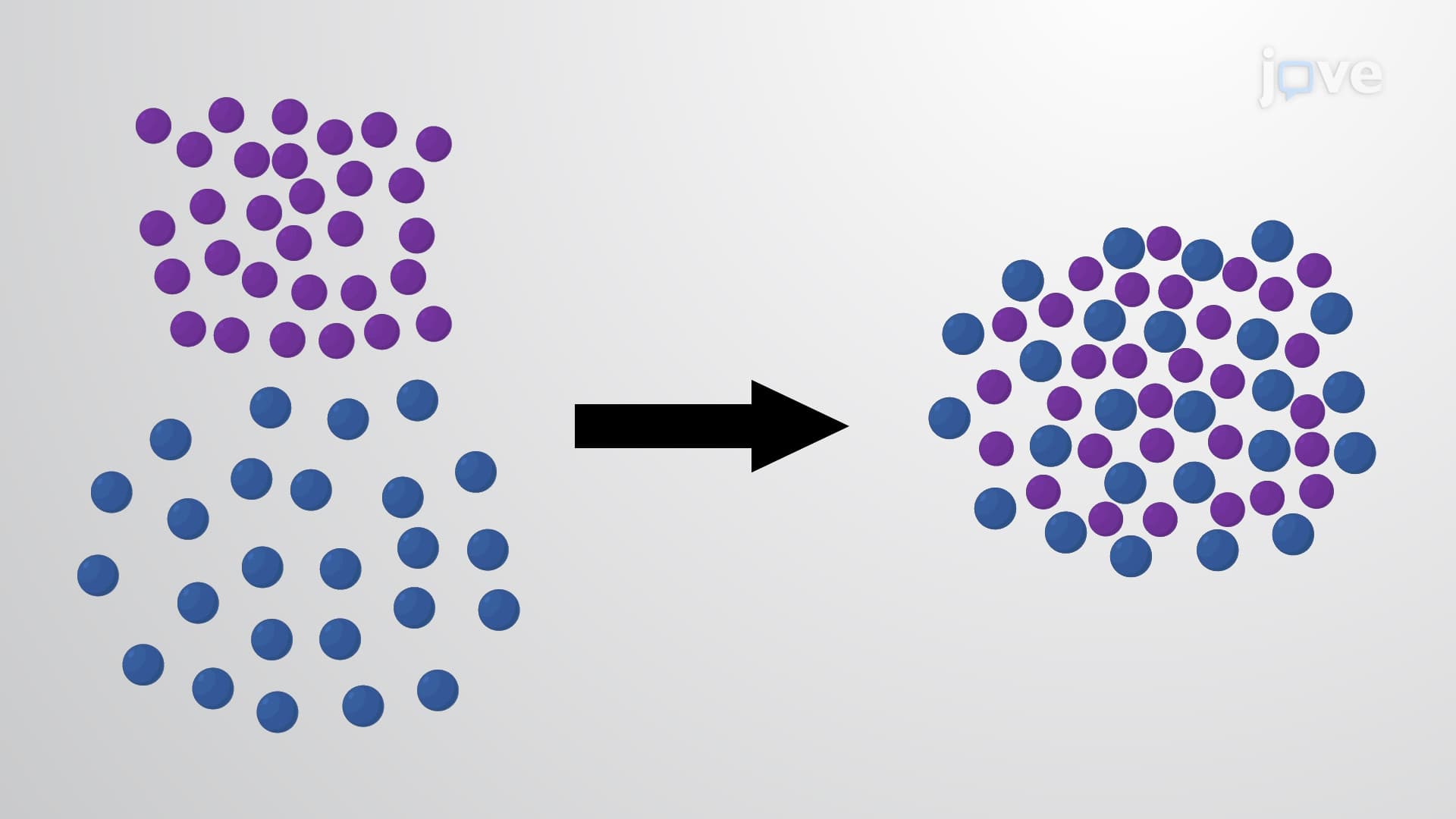
Solution formation occurs when two or more substances combine at the molecular level to create a homogeneous mixture where individual components cannot be distinguished visually. This process is fundamental to chemistry and governs everything from how medications dissolve in your bloodstream to how alloys are created in American steel mills. Unlike simple mixing, solution formation involves intimate molecular-level interactions that determine whether substances will combine and remain stable over time.
Solutions exist in all three physical states, challenging the common misconception that solutions are always liquids. Solid solutions include important American-made alloys like the copper-zinc mixture in brass instruments and the iron-carbon solutions in steel used for skyscrapers. Gaseous solutions surround us constantly—the air we breathe is a solution of nitrogen, oxygen, and trace gases. Liquid solutions are most familiar, ranging from the sodium chloride solutions used in IV bags at hospitals like Mayo Clinic to the complex glucose solutions that fuel cellular metabolism.
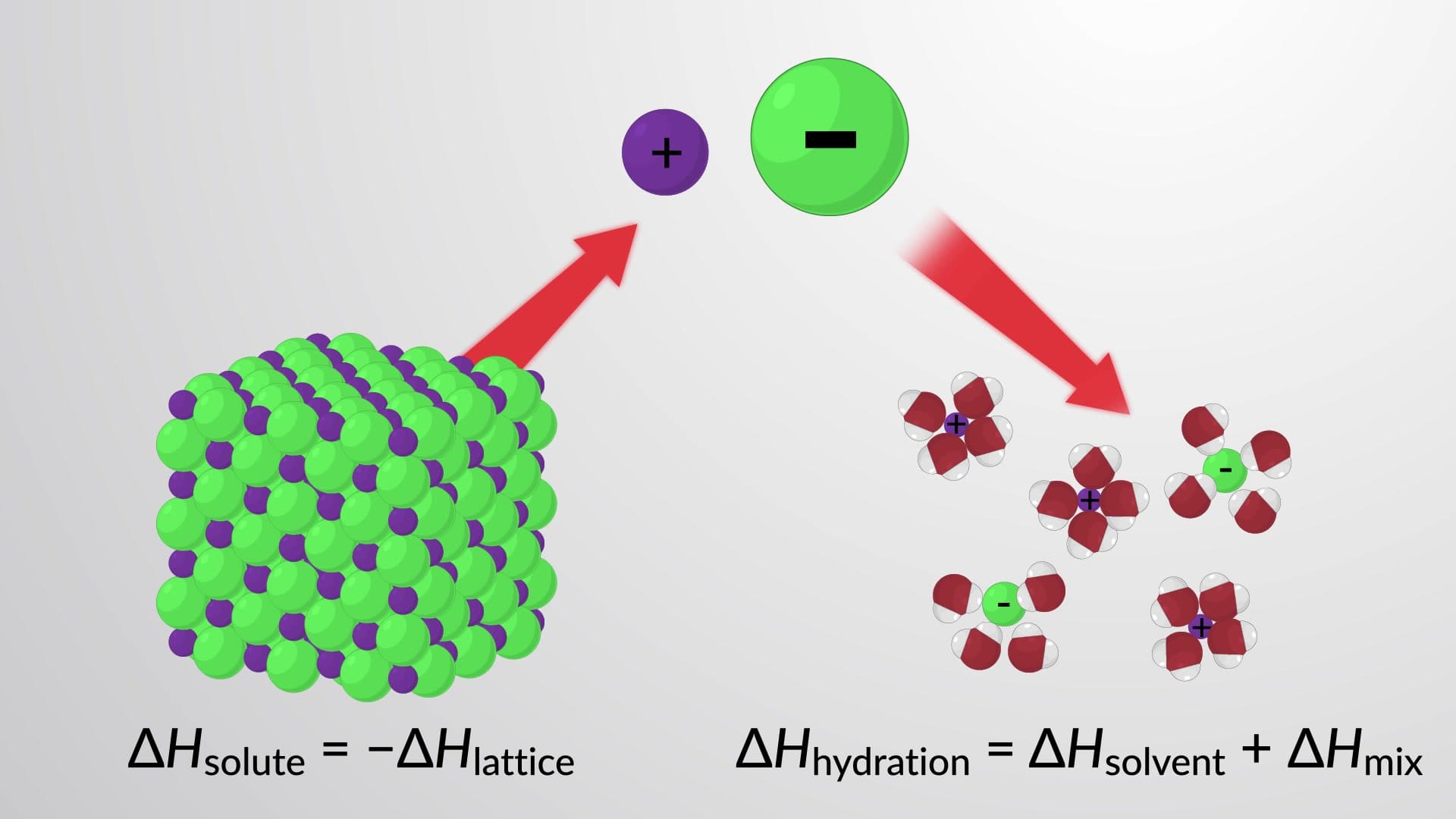
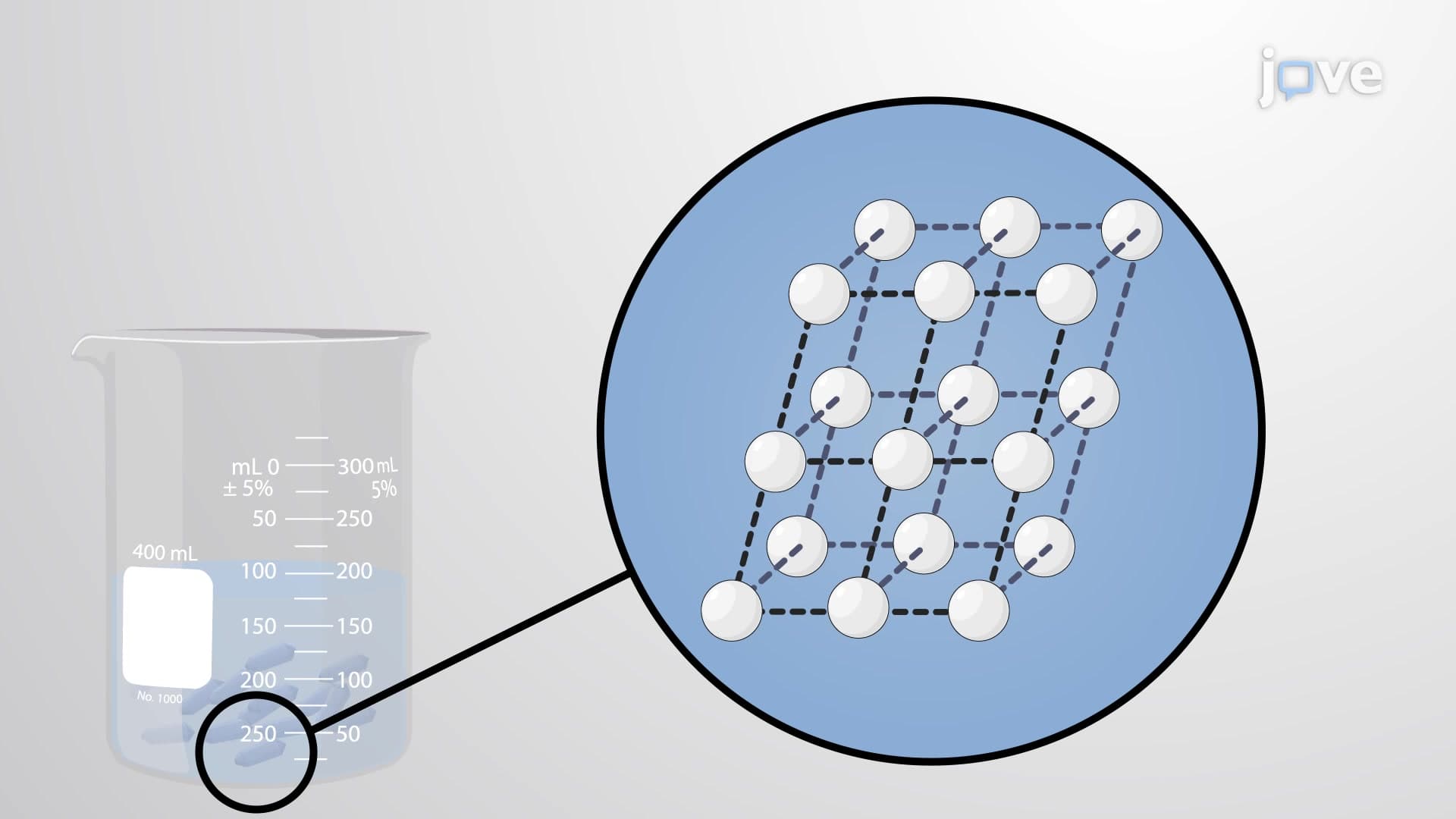
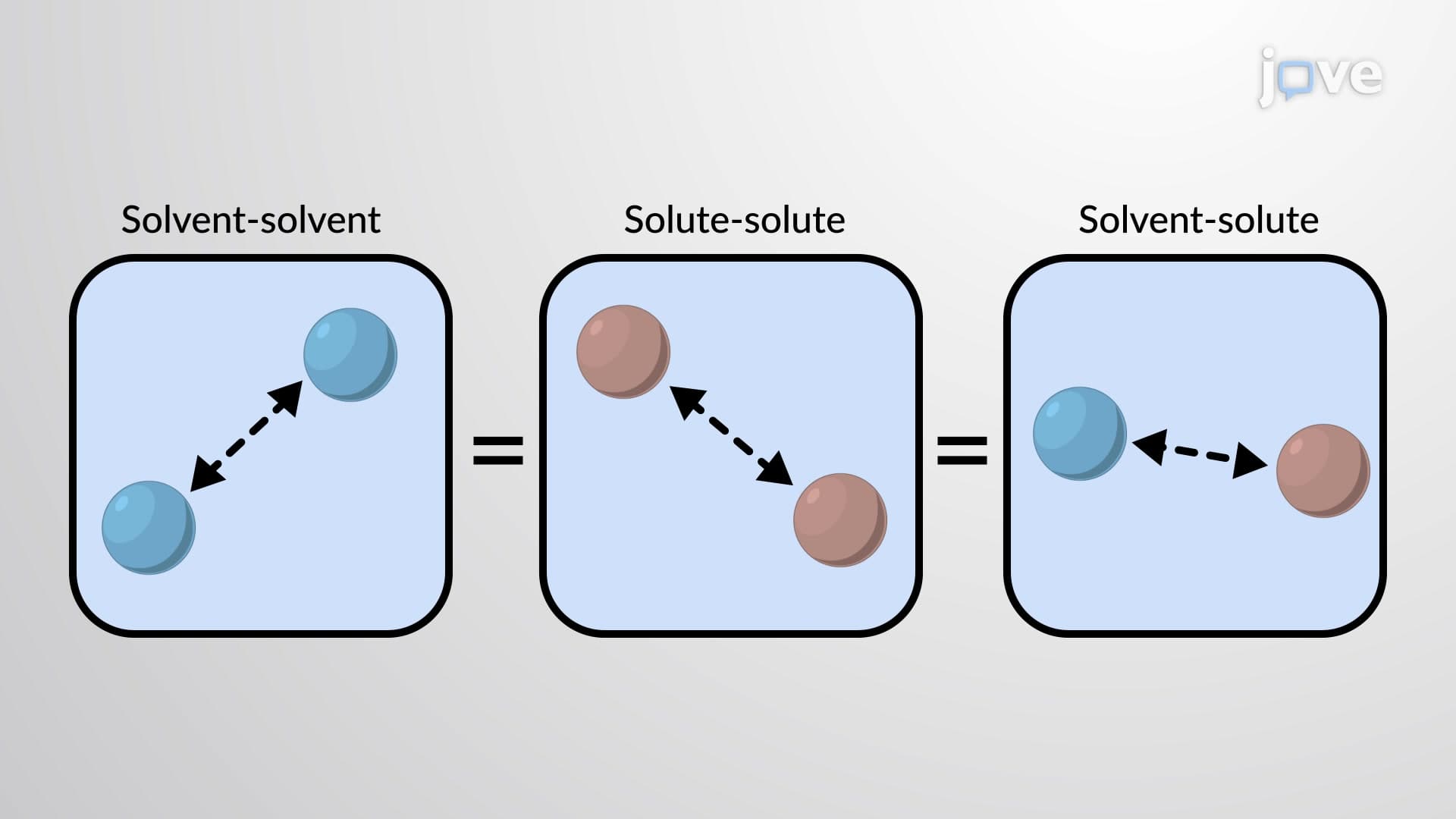
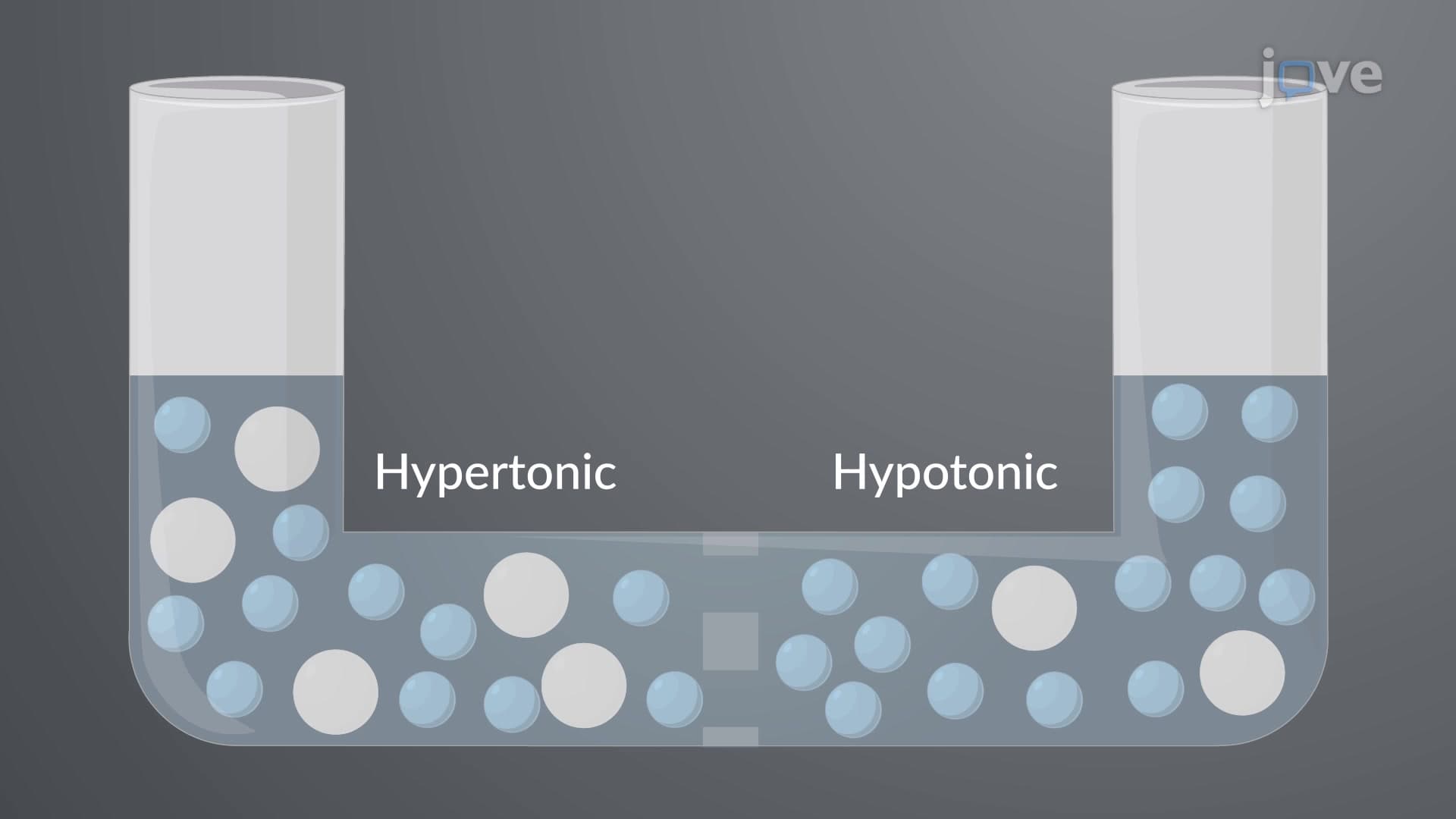
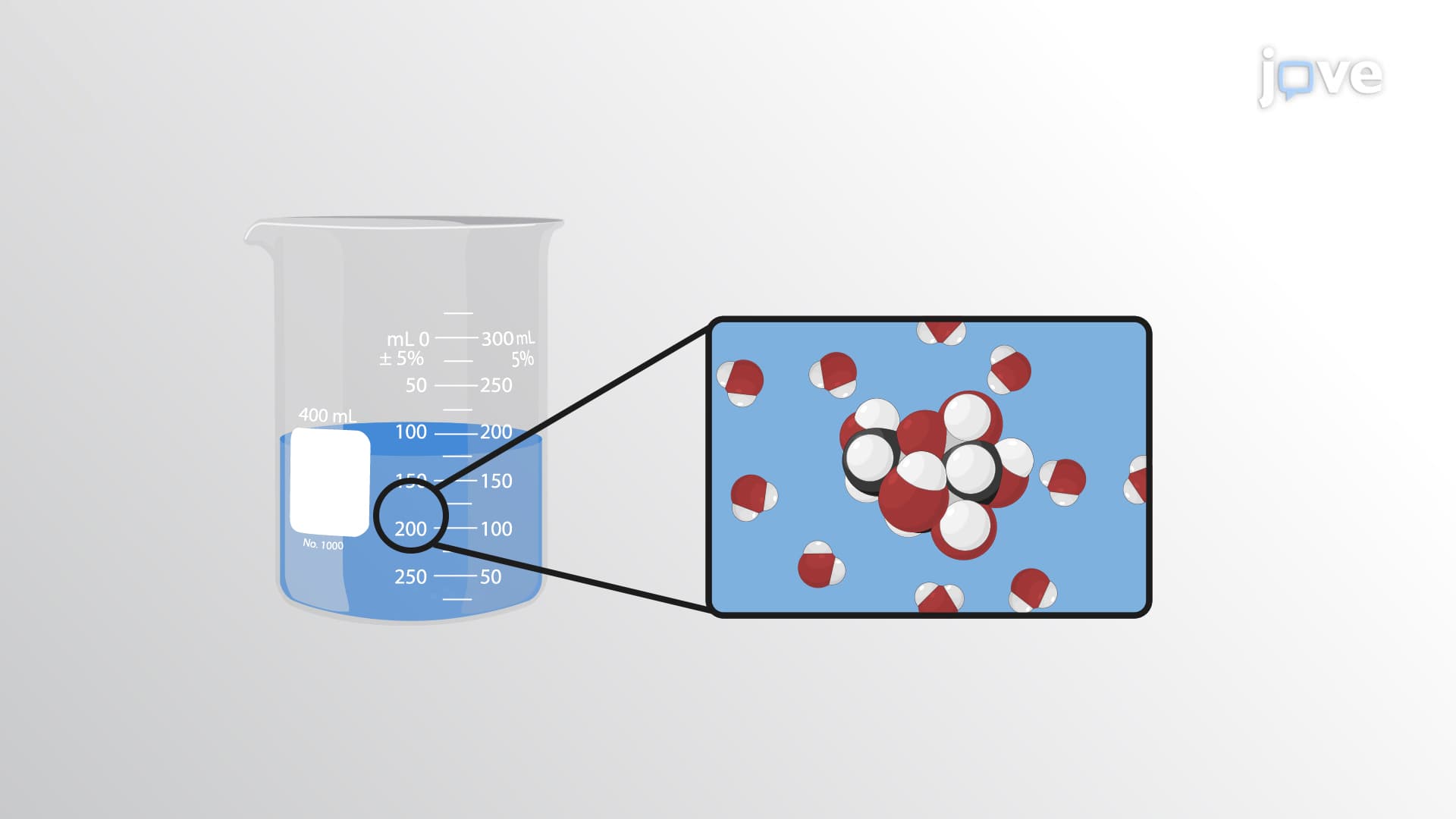
Solution formation depends on two competing factors: intermolecular forces and entropy changes. When ionic compounds like table salt dissolve in water, the polar water molecules surround and stabilize the separated ions, overcoming the crystal lattice energy. This process, called solvation, releases energy that drives dissolution. The "like dissolves like" rule helps predict solubility—polar substances dissolve in polar solvents, while nonpolar substances dissolve in nonpolar solvents. This principle explains why oil-based medications require different delivery systems than water-soluble drugs.
Even when no energy is released, solution formation can occur spontaneously due to entropy increases. When gases mix or when some liquids combine, the system becomes more disordered as molecules spread throughout a larger volume. This entropy-driven process explains phenomena from the mixing of atmospheric gases to the spontaneous dissolution of alcohol in water. Understanding entropy's role is crucial for AP Chemistry students and appears frequently on standardized tests like the MCAT, where thermodynamic principles govern biological systems.
Frequently Asked Questions
Solution formation is the process where substances mix completely at the molecular level to create uniform mixtures called solutions. It involves a solute (dissolved substance) combining with a solvent (dissolving medium) through intermolecular interactions. This process is reversible and governed by factors like temperature, pressure, and molecular compatibility.
These exams frequently test solution formation through solubility rules, concentration calculations, and thermodynamics problems. AP Chemistry includes questions about predicting solubility based on intermolecular forces, while the MCAT emphasizes biological applications like drug dissolution and cellular transport. Practice identifying solution types and calculating molarity for exam success.
Spontaneous solution formation depends on the balance between enthalpy changes (energy released or absorbed) and entropy changes (disorder increase). When mixing increases total system entropy or releases energy through favorable intermolecular interactions, solutions form spontaneously. Temperature also plays a crucial role in shifting this thermodynamic balance.
American pharmaceutical companies rely on solution formation to create liquid medications, while beverage manufacturers like Coca-Cola dissolve flavor compounds and CO2 in water. The semiconductor industry in Silicon Valley uses solution formation to create ultra-pure chemical baths for chip manufacturing. Even food processing uses solution formation when companies like General Mills dissolve vitamins in breakfast cereals.
Solution formation builds naturally on concepts you already know about mixing and dissolving. Start with familiar examples like sugar in coffee or salt in water, then apply the underlying principles to new situations. The mathematical calculations are straightforward, typically involving basic algebra and unit conversions you've practiced in previous chemistry units.
Create a concept map connecting solution formation to intermolecular forces, polarity, and thermodynamics. Practice classifying real substances as soluble or insoluble in different solvents using the "like dissolves like" rule. Work through concentration problems daily, and use flashcards for common solubility rules that appear on standardized tests.
Solution formation is fundamental to physical chemistry, analytical chemistry, and biochemistry courses. It underlies concepts like chemical equilibrium, acid-base reactions, and enzyme kinetics. Mastering these principles now provides the foundation for understanding complex biological processes and industrial applications in upper-level college chemistry courses.
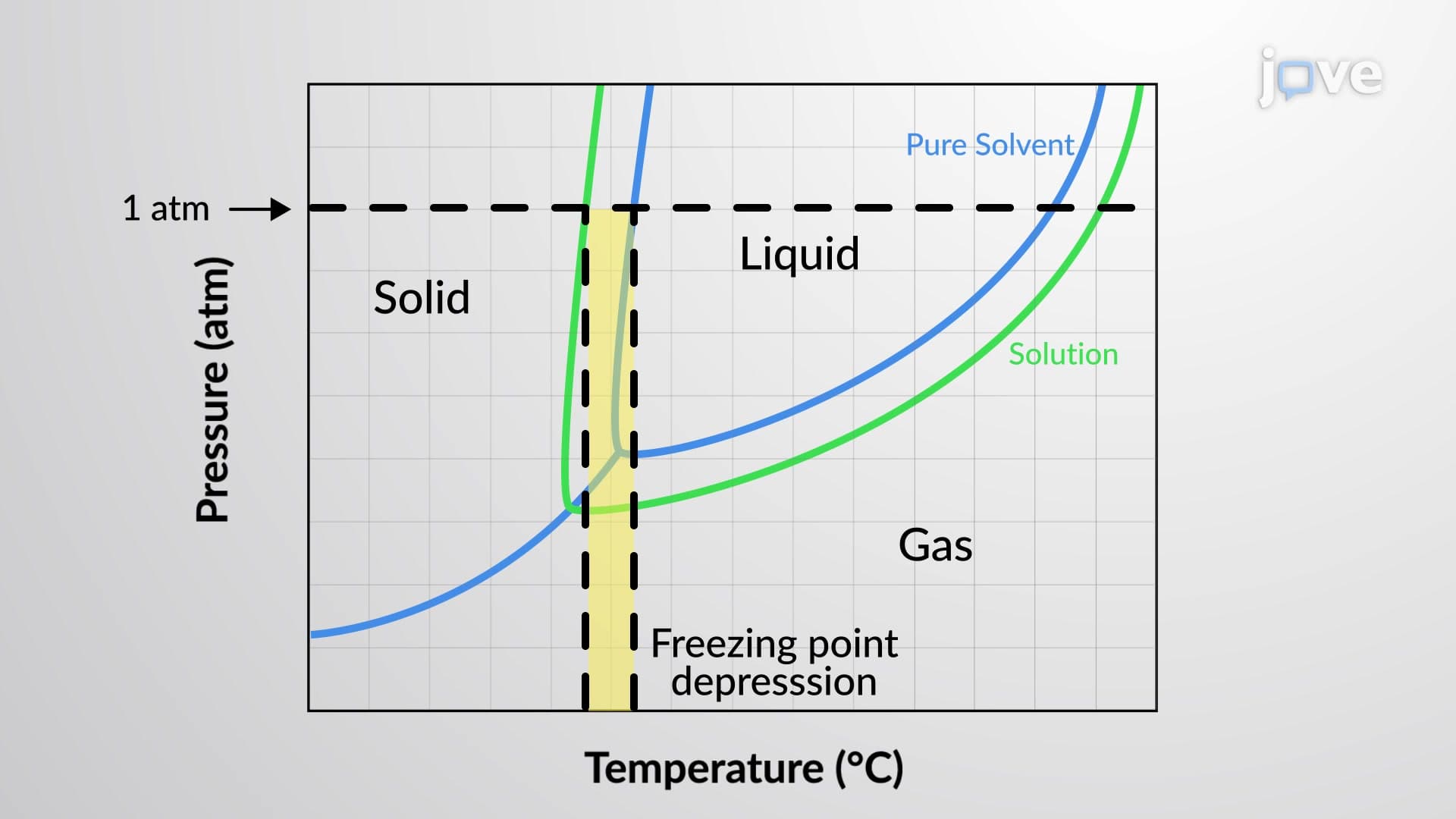
Progress to colligative properties, which describe how dissolved particles affect solution behavior like boiling point and freezing point. Then explore chemical equilibrium and reaction kinetics in solution. These advanced topics build directly on solution formation principles and frequently appear together on college entrance exams and advanced placement tests.
Related Micro-courses
Related Subjects
 Analytical Chemistry 16 micro-courses›
 Organic Chemistry 21 micro-courses›