Loading subject page…

- Chemistry
- Solutions and Colloids
- Vapor Pressure Lowering
Micro-course: Solutions and Colloids
411,800 views
Learn key concepts and earn your certificate.

Vapor Pressure Lowering


00:00
03:28
Video Summary: What Is Vapor Pressure Lowering
Ever wonder why antifreeze prevents your car's radiator from boiling over in summer heat? Vapor pressure lowering occurs when dissolved particles reduce a liquid's tendency to evaporate, creating solutions with lower vapor pressures than pure solvents. This colligative property explains how ethylene glycol in antifreeze protects engines by raising the boiling point of water. Understanding what is vapor pressure lowering helps explain everything from cooking with salt water to industrial distillation processes. Watch the full video on JoVE Coach to master this concept with expert-led visuals and step-by-step explanations.
- Understand what is vapor pressure lowering and how it functions as a colligative property that depends only on particle concentration, not identity
- Identify the molecular mechanism behind vapor pressure reduction when non-volatile solutes are added to volatile solvents
- Apply Raoult's Law to calculate vapor pressure changes in solutions using mole fractions and pure solvent vapor pressures
- Analyze the relationship between solute concentration and the magnitude of vapor pressure lowering in various solution types
- Compare vapor pressures of pure solvents versus solutions to quantify the lowering effect
- Evaluate real-world applications of vapor pressure lowering in automotive antifreeze, cooking, and industrial processes
- Recognize how vapor pressure lowering connects to other colligative properties like boiling point elevation and freezing point depression
- Explore the mathematical derivation of vapor pressure lowering equations from fundamental thermodynamic principles
Understanding Vapor Pressure Lowering Fundamentals
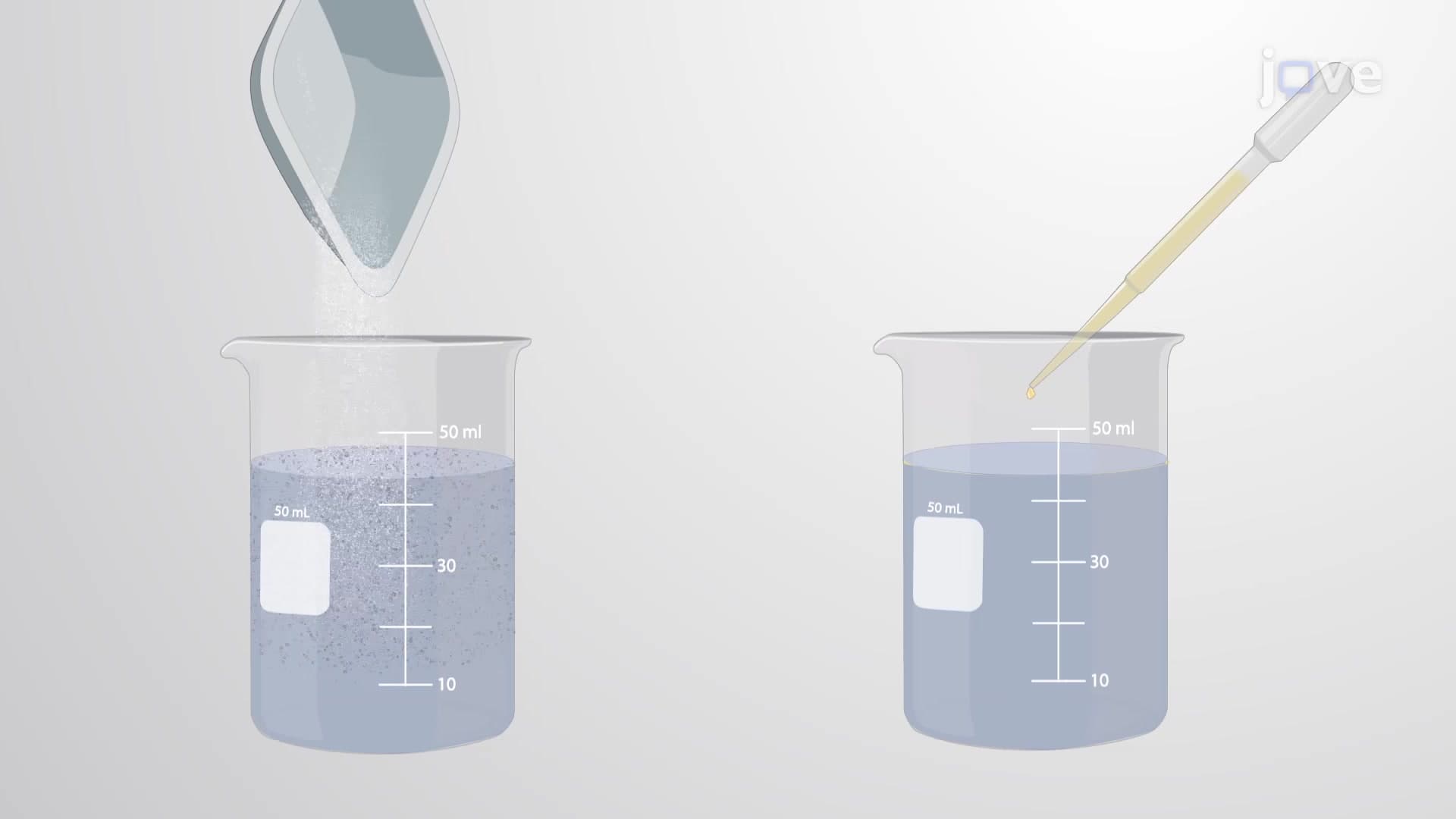
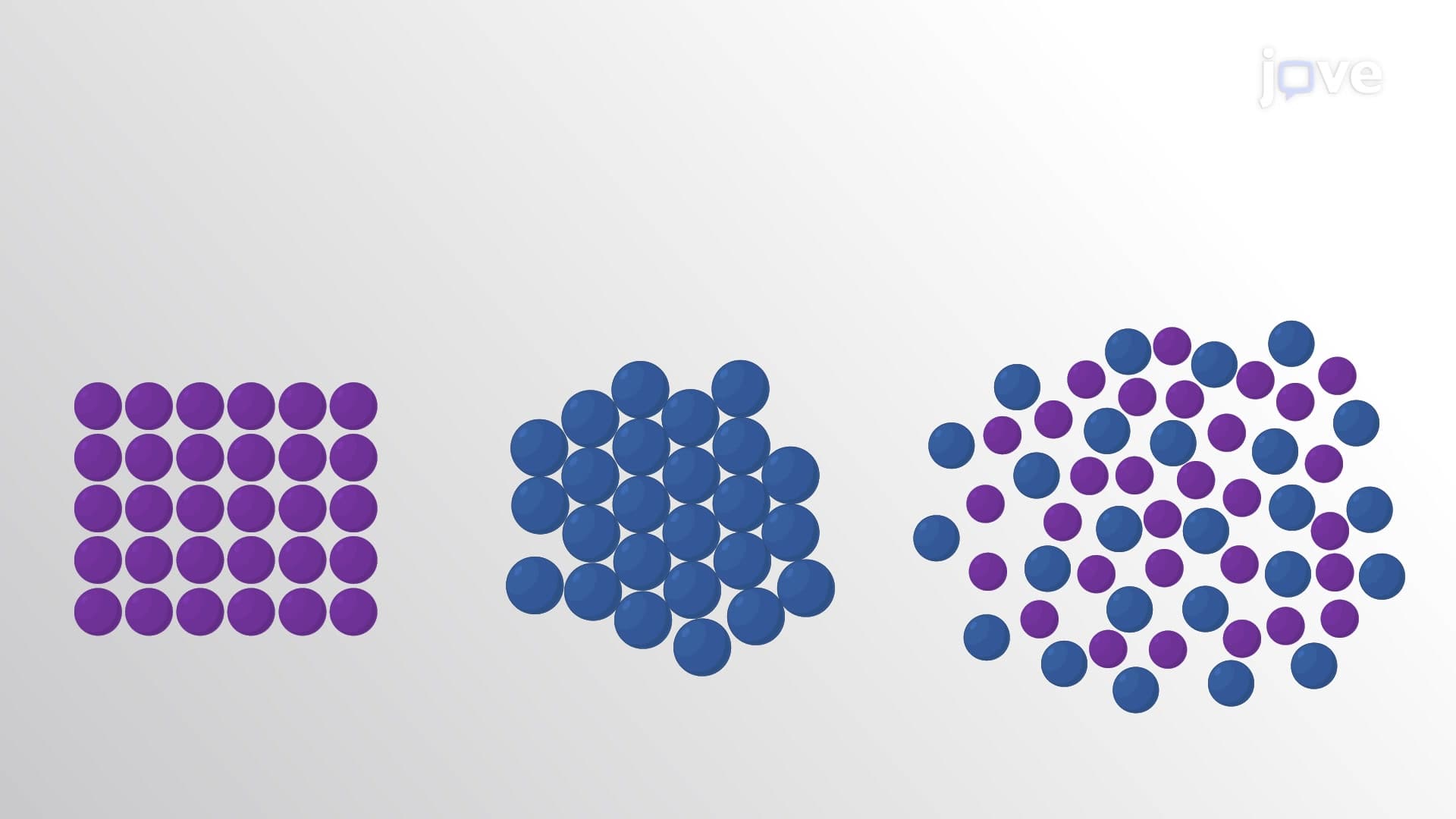
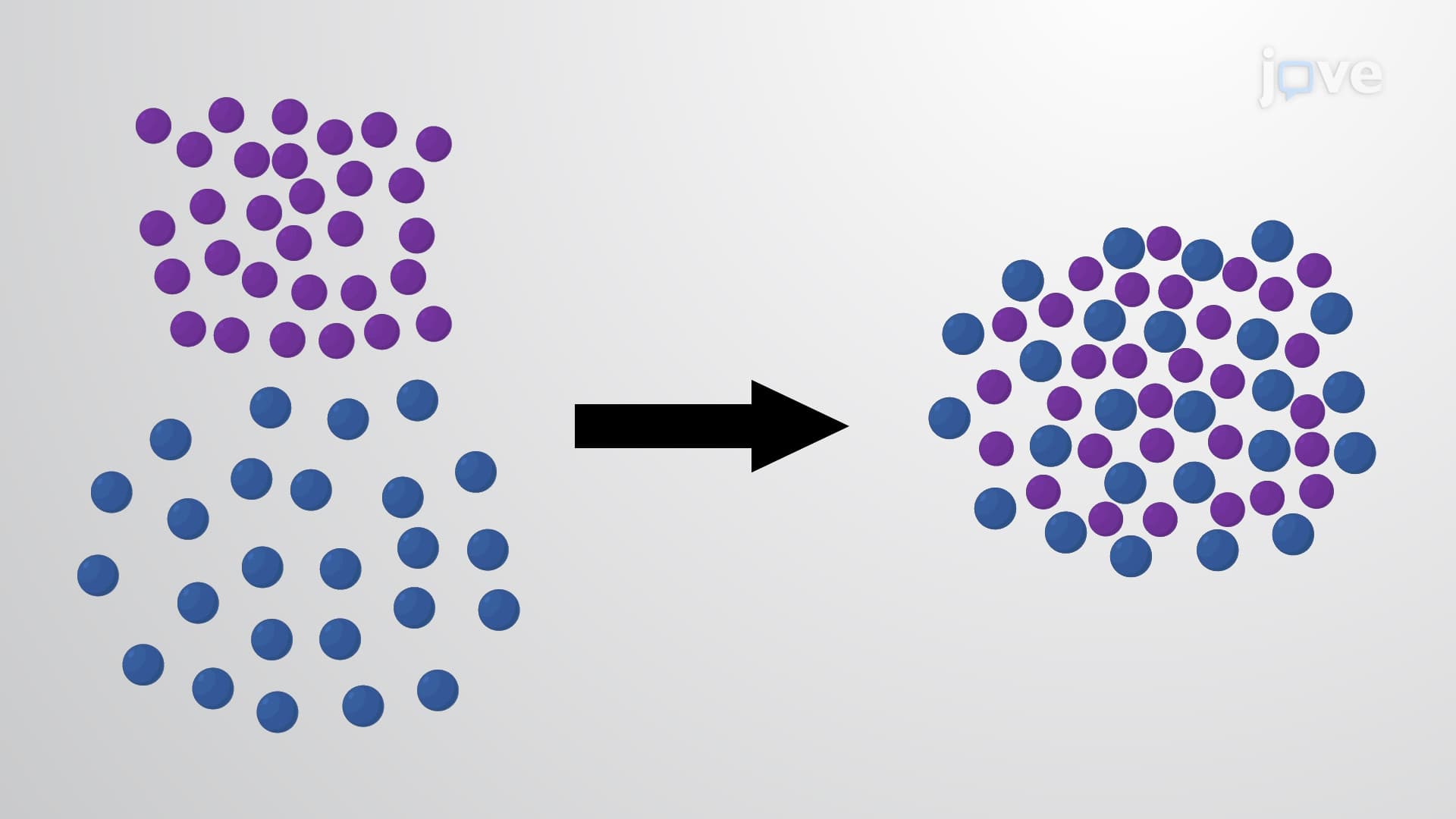
Vapor pressure lowering represents one of chemistry's most practically important colligative properties. When you dissolve a non-volatile solute in a volatile solvent, the solution's vapor pressure becomes lower than that of the pure solvent. This phenomenon occurs because dissolved particles occupy surface positions that would otherwise be available for solvent molecules to escape into the gas phase.
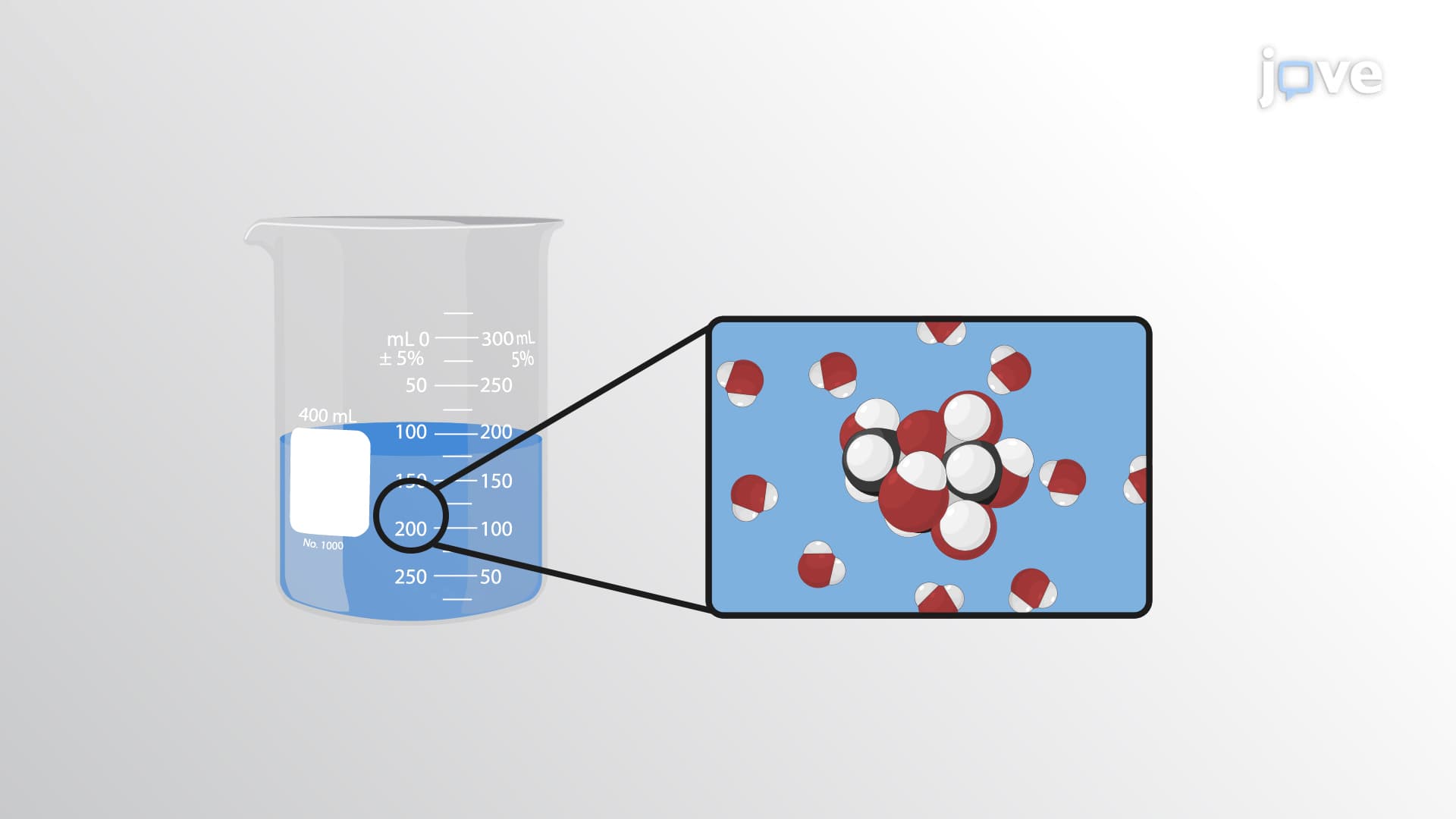
At the molecular level, pure solvents have their entire liquid surface composed of solvent molecules. Some escape through evaporation while others condense back, establishing dynamic equilibrium. However, when solute particles are present, they physically block some surface sites, reducing the rate of solvent evaporation. The vapor pressure drops proportionally to maintain equilibrium between the liquid and gas phases.
Raoult's Law and Quantitative Analysis
The mathematical relationship governing vapor pressure lowering is described by Raoult's Law: P(solution) = X(solvent) × P(pure solvent). Here, X(solvent) represents the mole fraction of the solvent, and P(pure solvent) is the vapor pressure of the pure solvent at a given temperature.
For vapor pressure lowering calculations, we can derive: ΔP = X(solute) × P(pure solvent), where ΔP represents the decrease in vapor pressure. This equation shows that vapor pressure lowering is directly proportional to the solute's mole fraction, making it a true colligative property.
Consider a practical example: dissolving 58.5 grams of sodium chloride (1 mole) in 1000 grams of water (55.6 moles) at 25°C. The mole fraction of NaCl is 0.018, and pure water's vapor pressure is 23.8 torr. However, since NaCl dissociates into two ions, the effective particle concentration doubles, resulting in a vapor pressure lowering of approximately 0.86 torr.
Real-World Applications and Academic Importance
Vapor pressure lowering appears frequently on standardized tests including AP Chemistry, MCAT, and college general chemistry exams. Students often encounter problems requiring vapor pressure calculations using Raoult's Law, particularly in sections covering solution properties and thermodynamics.
In automotive applications, ethylene glycol antifreeze demonstrates vapor pressure lowering by reducing water's vapor pressure, which contributes to raising the coolant's boiling point. This prevents overheating in summer conditions while also providing freezing point depression for winter protection.
Food science applications include understanding how dissolved sugars and salts affect cooking processes. When making candy, sugar solutions have lower vapor pressures than pure water, affecting evaporation rates and final product consistency.
Industrial distillation processes rely heavily on vapor pressure lowering principles. Petroleum refineries separate crude oil components based on vapor pressure differences, with additives sometimes used to modify these properties for improved separation efficiency.
Frequently Asked Questions
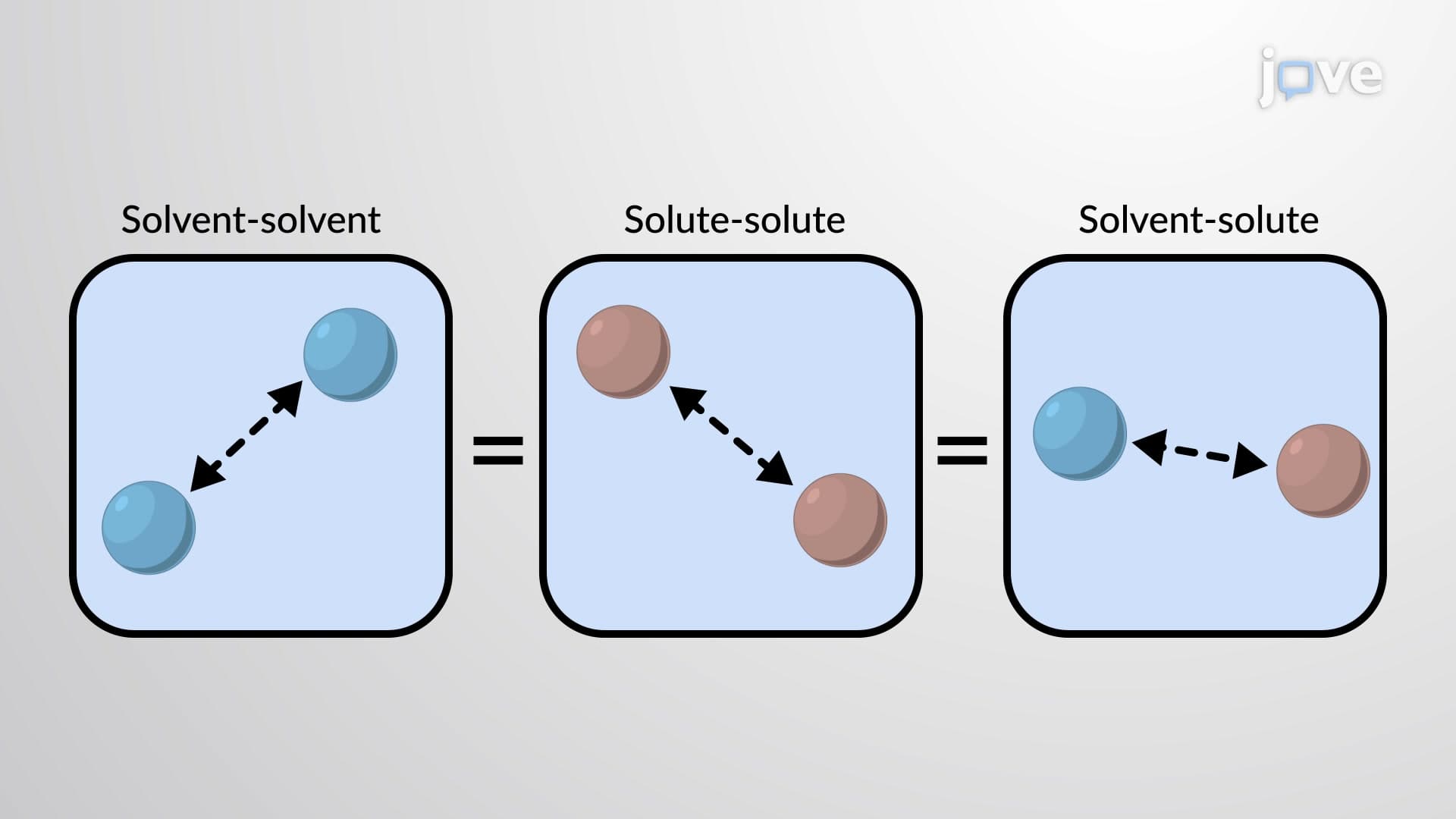
Vapor pressure lowering is the decrease in a solution's vapor pressure compared to the pure solvent, occurring when non-volatile solute particles occupy surface positions and reduce the rate of solvent evaporation. This colligative property depends only on the number of dissolved particles, not their chemical identity. The phenomenon maintains dynamic equilibrium between liquid and gas phases at a lower vapor pressure.
AP Chemistry frequently tests vapor pressure lowering through Raoult's Law calculations, asking students to determine solution vapor pressures or solute concentrations. Expect problems involving mole fraction calculations, comparing vapor pressures of different solutions, and connecting vapor pressure lowering to other colligative properties. Practice with both molecular and ionic solutes, as ionic compounds produce more particles per formula unit.
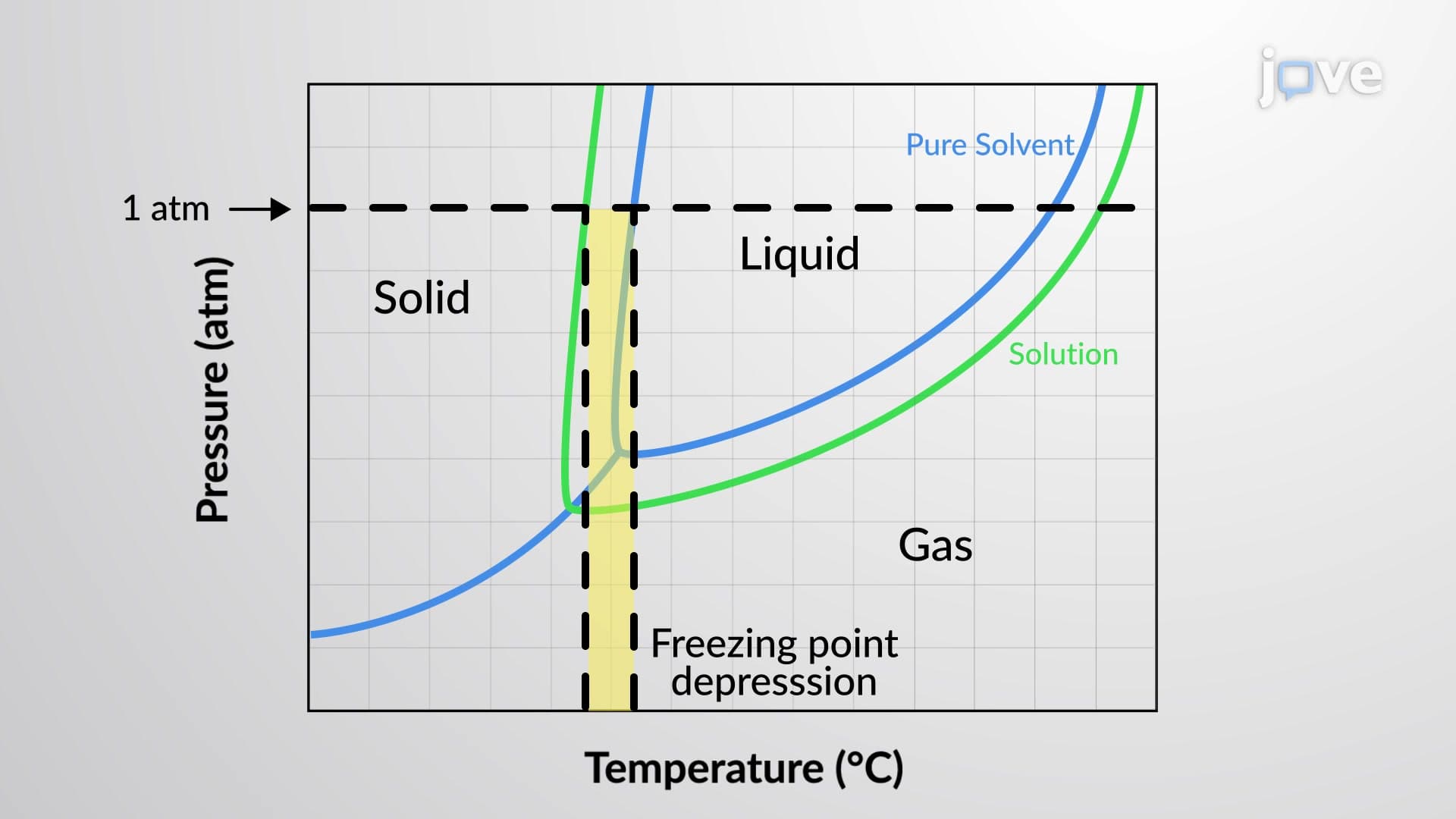
Vapor pressure lowering is the direct decrease in vapor pressure when solutes are added, while boiling point elevation is the resulting increase in the temperature needed to reach atmospheric pressure. Both are colligative properties caused by the same molecular mechanism: solute particles reducing solvent evaporation rates. Lower vapor pressure means higher temperatures are required to achieve the pressure needed for boiling.
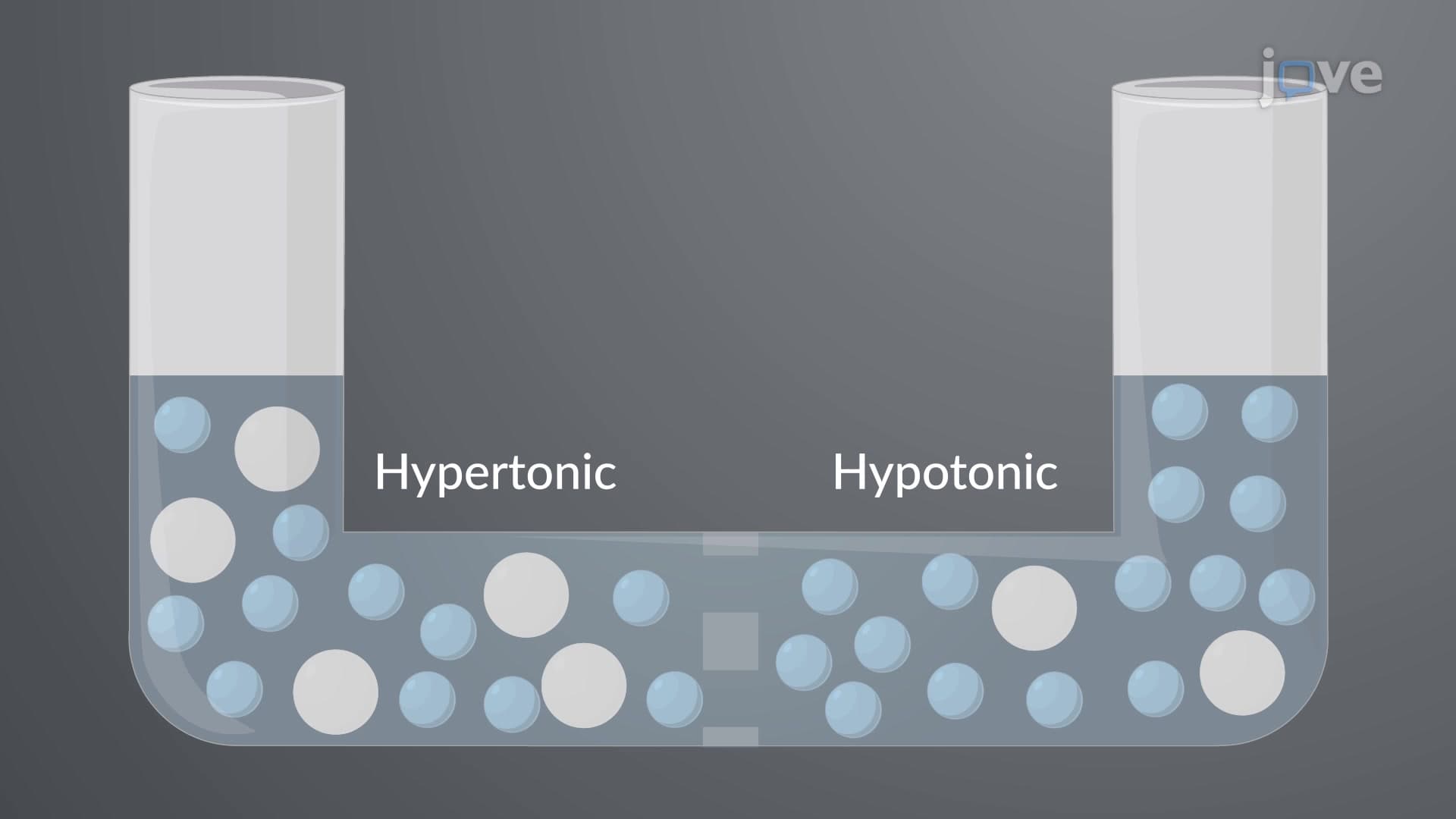
MCAT questions often integrate vapor pressure lowering with thermodynamics, solution chemistry, and biological systems. Expect passages involving drug formulations, cell membrane transport, or physiological processes where solute concentrations affect vapor pressure. Focus on understanding the relationship between particle concentration and vapor pressure changes, especially in biological contexts like blood plasma or cellular fluids.
Salt water evaporates more slowly because dissolved sodium and chloride ions lower the water's vapor pressure through vapor pressure lowering. With reduced vapor pressure, fewer water molecules have sufficient energy to escape the liquid phase at any given temperature. This principle explains why ocean water evaporates more slowly than freshwater lakes and why salt is sometimes used to control ice melting rates.
Vapor pressure lowering builds naturally on basic concepts like evaporation and concentration that most students already understand. The mathematical applications using Raoult's Law require only algebra and mole calculations typically covered in introductory chemistry. Start with the molecular explanation, then progress to calculations. Visual models showing surface particles help students grasp why fewer solvent molecules can evaporate.
Master mole fraction calculations first, as they're essential for all vapor pressure lowering problems. Practice identifying whether solutes dissociate (like NaCl producing two particles) versus molecular solutes (like glucose producing one particle). Create a step-by-step approach: identify given information, calculate mole fractions, apply Raoult's Law, and check units. Work through problems involving both vapor pressure calculations and reverse problems finding solute amounts.
After understanding vapor pressure lowering, explore other colligative properties including freezing point depression, boiling point elevation, and osmotic pressure. These concepts share the same underlying principles and mathematical approaches. Advanced topics include non-ideal solutions, activity coefficients, and vapor pressure curves. This foundation supports studying phase diagrams, distillation processes, and solution thermodynamics in upper-level chemistry courses.
Related Micro-courses