Loading video…


 13 Concepts
 411.8K views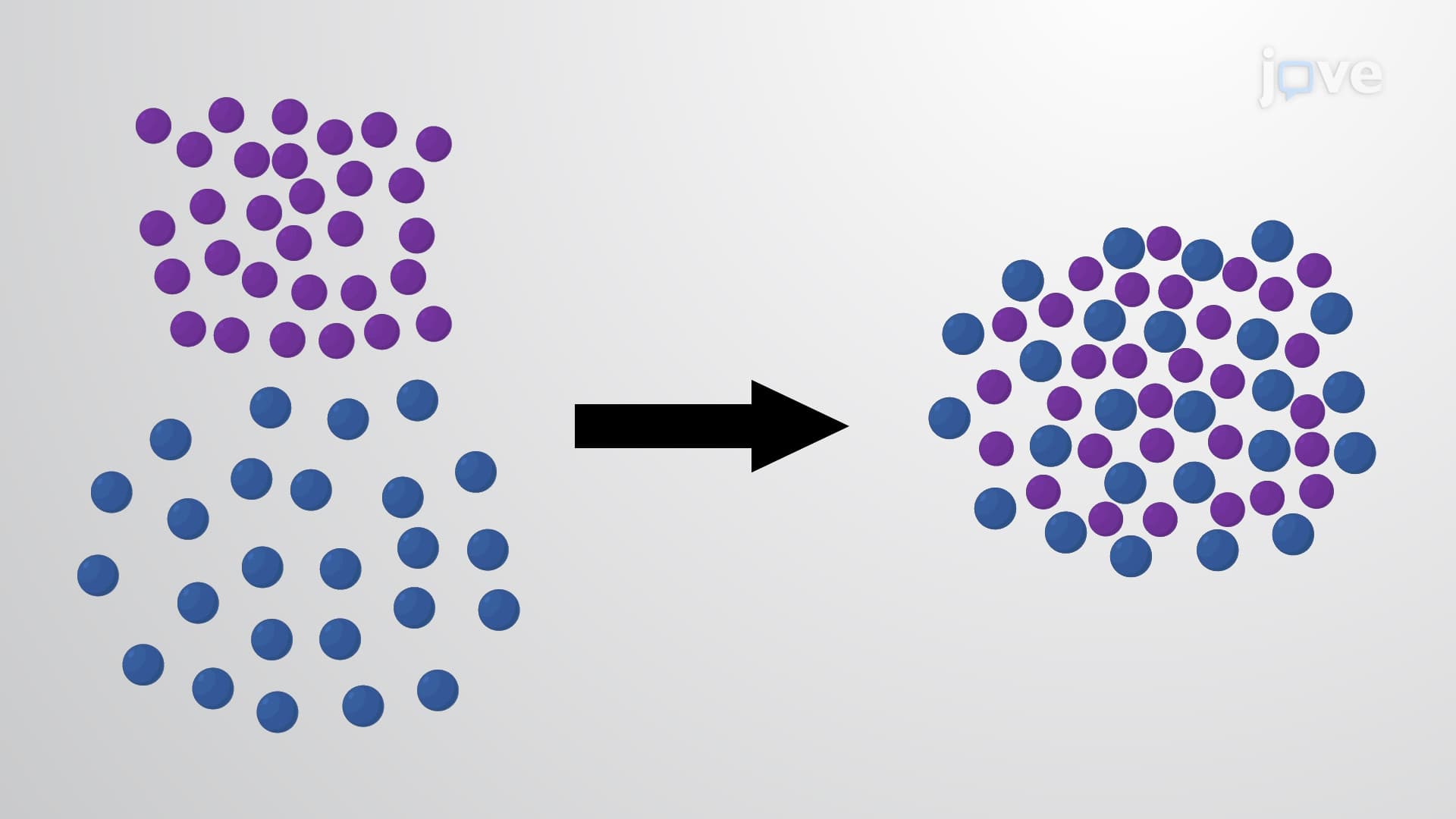

Video Summary: What Is Enthalpy of Solution
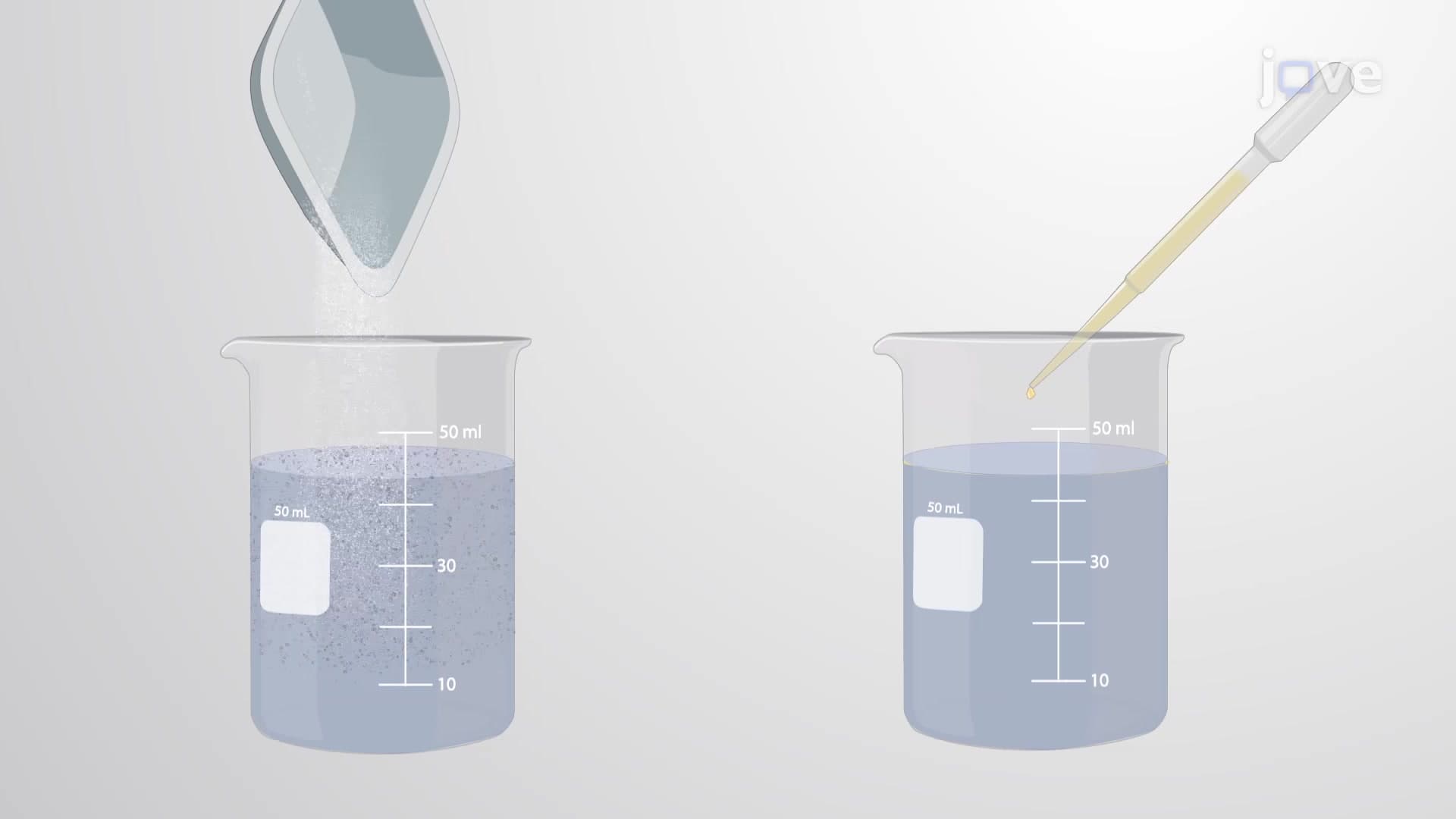
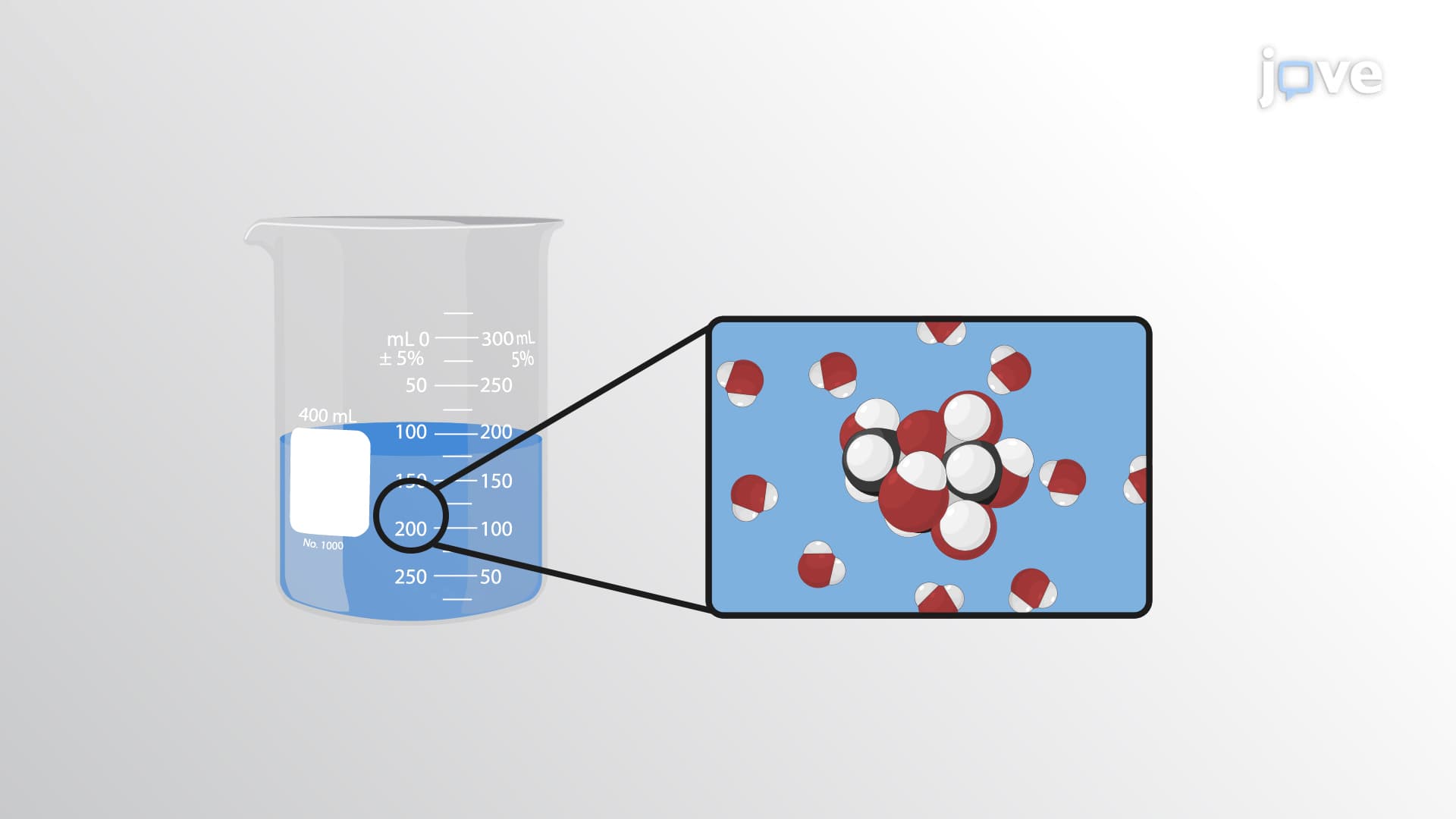
Ever wondered why some hand warmers heat up instantly when activated while others become ice-cold? The enthalpy of solution explains this fascinating phenomenon that occurs whenever substances dissolve. When sodium hydroxide dissolves in water at a pharmaceutical manufacturing plant in New Jersey, it releases heat and warms the surrounding solution. This energy change during dissolution is what chemists call enthalpy of solution. Watch the full video on JoVE Coach to master this concept with expert-led visuals and step-by-step explanations.
Enthalpy of solution represents the total energy change that occurs when a solute dissolves in a solvent under constant pressure conditions. This thermodynamic property is crucial for understanding everything from why salt dissolves easily in water to how instant cold packs work in sports medicine. At major US pharmaceutical companies like Pfizer and Johnson & Johnson, scientists routinely calculate enthalpy of solution values to optimize drug formulation processes and ensure consistent product quality.
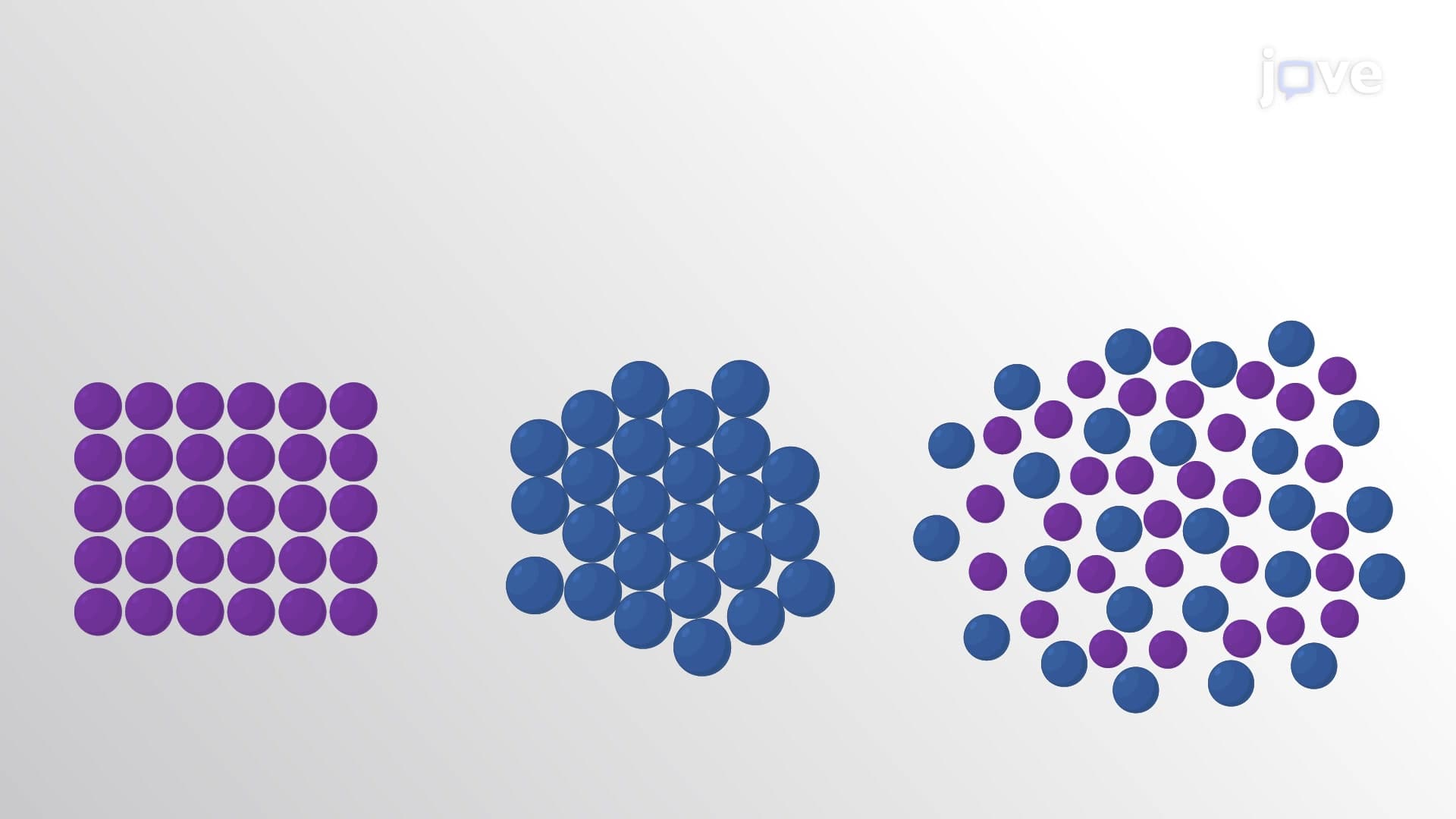
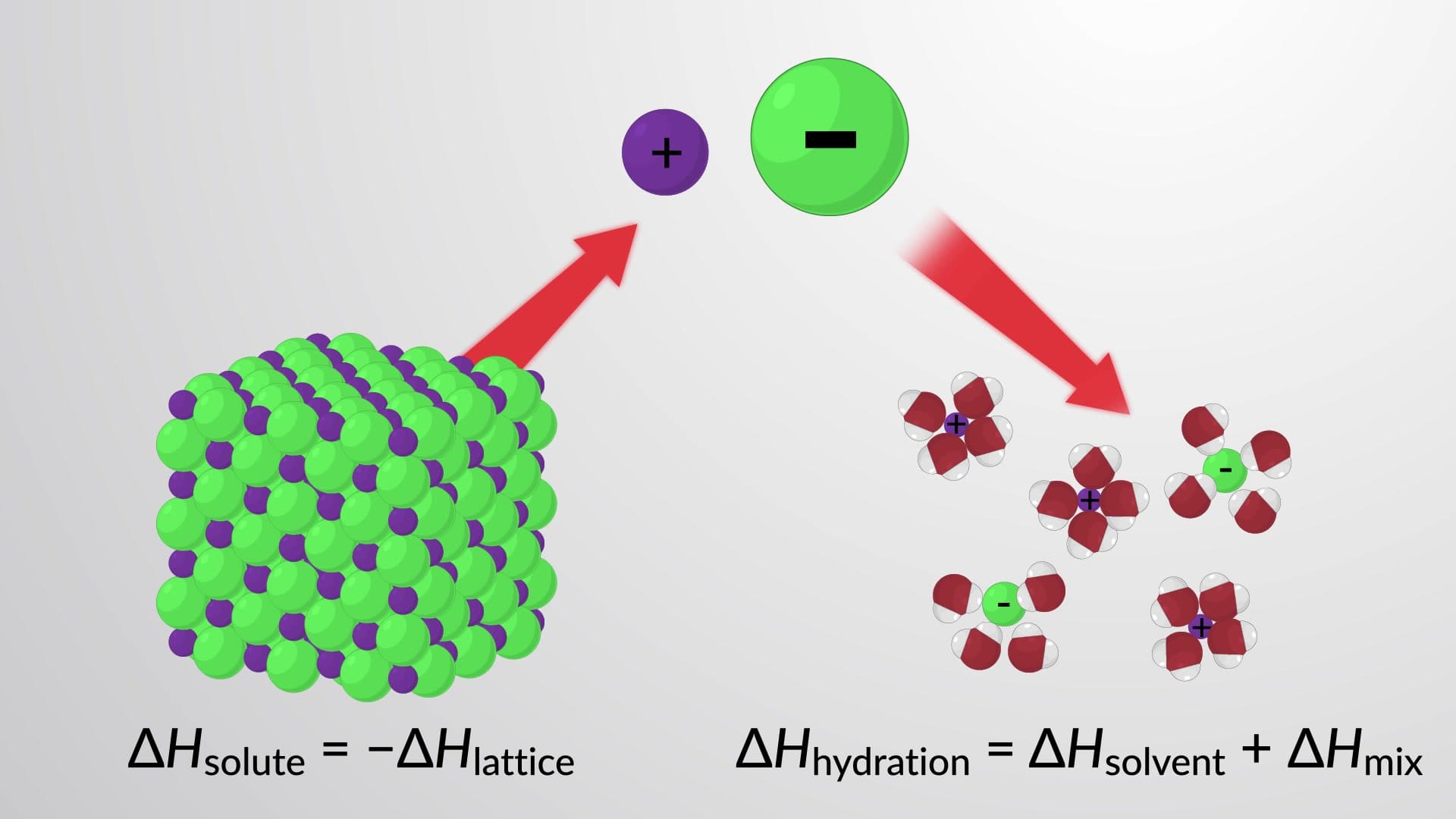
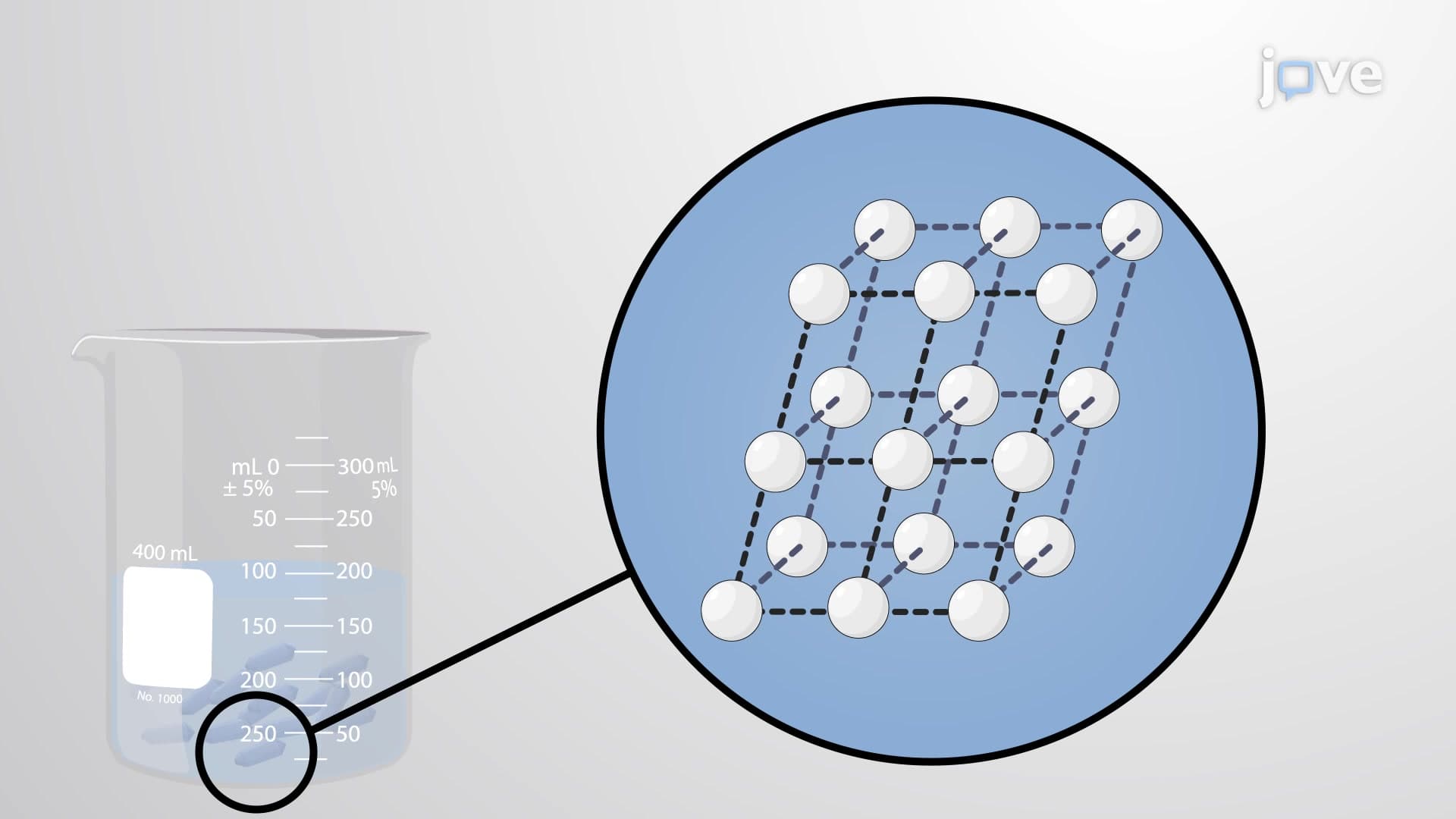
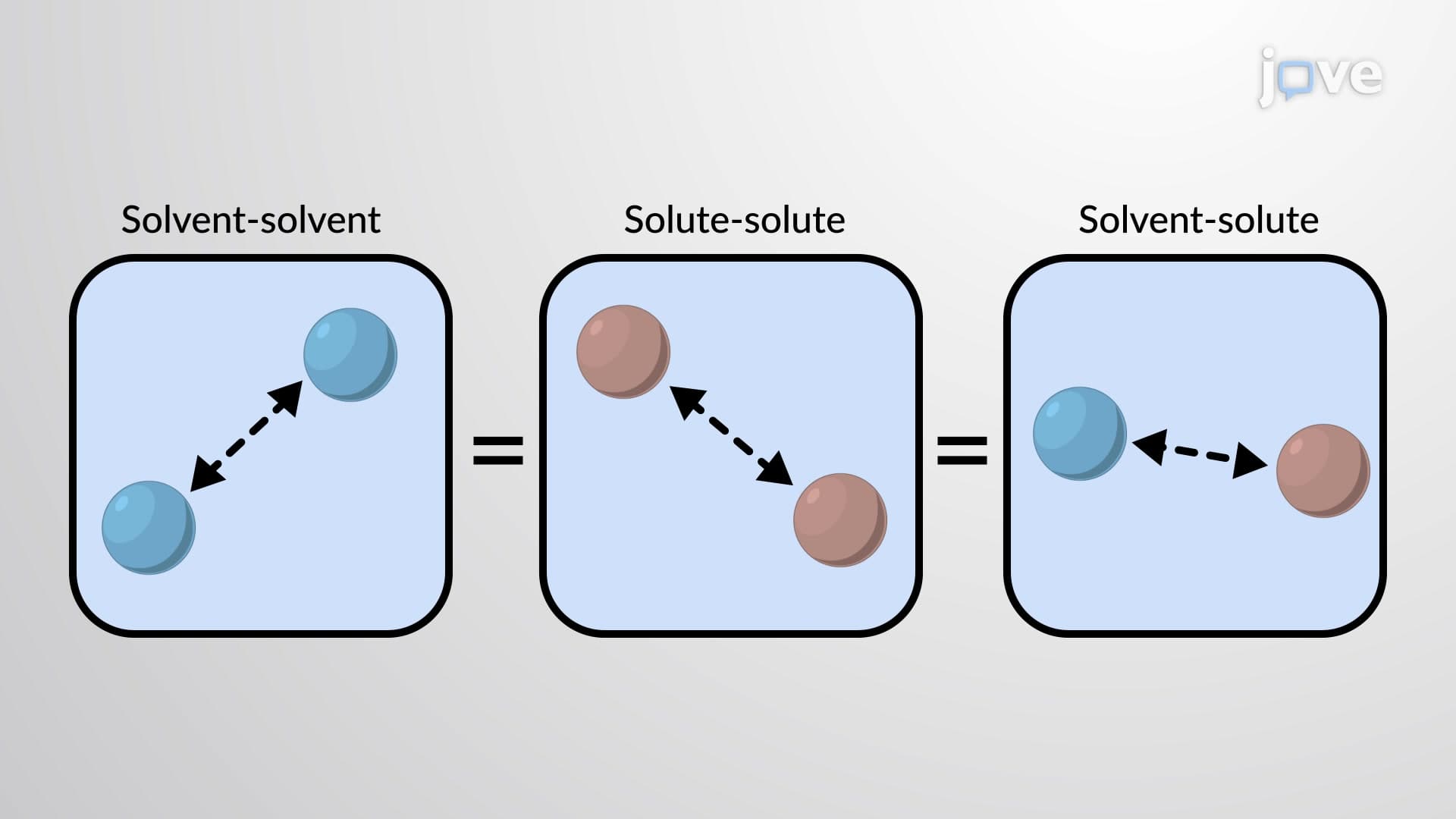
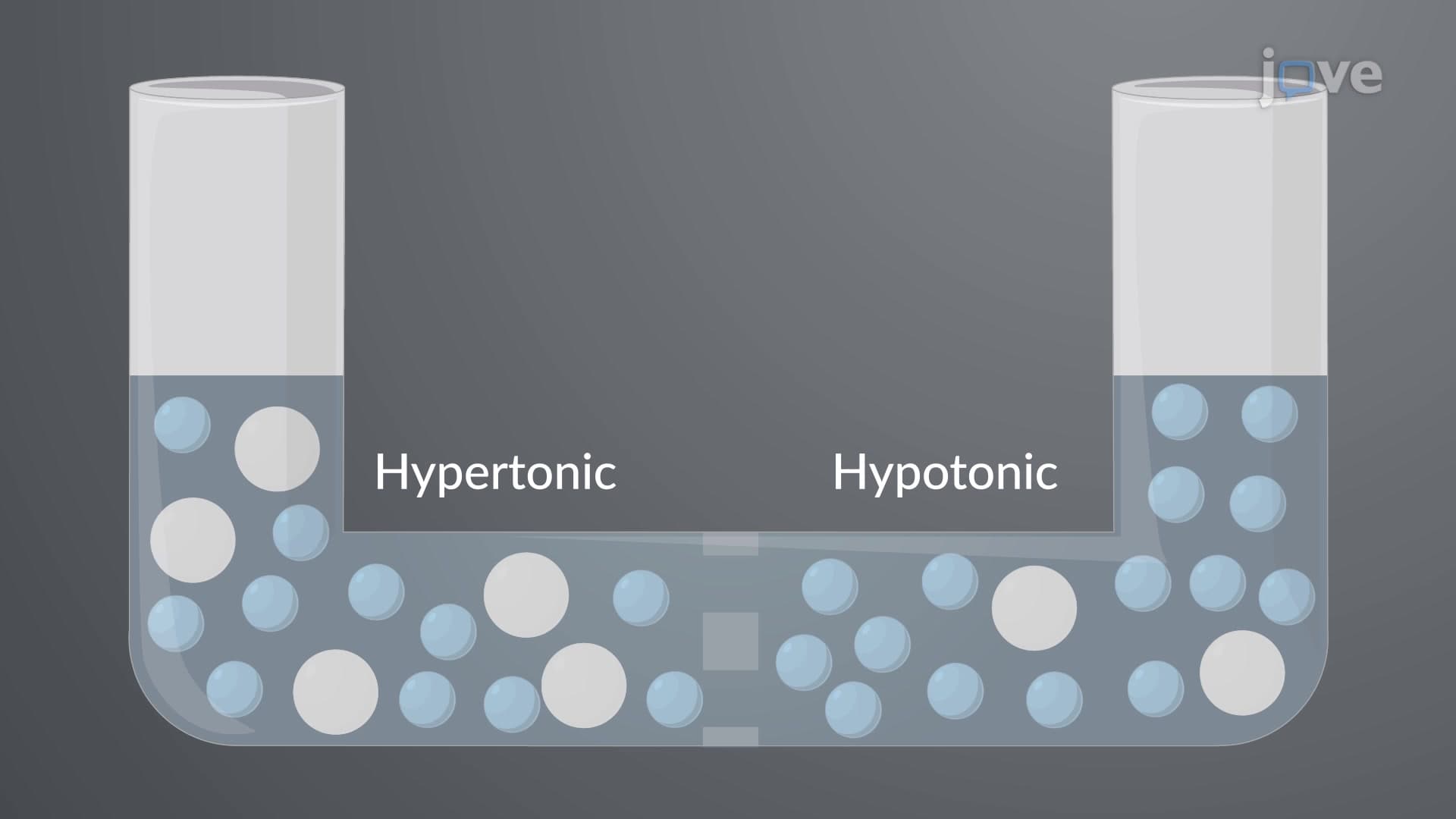
Solution formation involves three distinct energy-consuming or energy-releasing steps. First, solute particles must separate from each other, requiring energy input to overcome intermolecular forces like hydrogen bonds or ionic attractions. Second, solvent molecules must be displaced to create space for the solute, which also demands energy. Finally, new interactions form between solute and solvent particles, typically releasing energy through favorable intermolecular interactions.
This stepwise approach proves invaluable when students encounter AP Chemistry problems or college-level physical chemistry courses at institutions like MIT or Stanford University. Understanding each component helps predict whether the overall process will warm or cool the solution.
The net enthalpy change follows Hess's Law, where the total energy change equals the sum of individual step enthalpies. When the energy required to separate solute and solvent particles exceeds the energy released during mixing, the process becomes endothermic-like ammonium nitrate in instant cold packs used by athletic trainers across American high schools and colleges.
Conversely, when mixing releases more energy than separation requires, the process becomes exothermic. Sodium hydroxide dissolution exemplifies this phenomenon, commonly demonstrated in general chemistry labs at universities nationwide. Students preparing for MCAT sections on thermodynamics frequently encounter these calculations, making mastery essential for medical school admission.
Unlike chemical reactions, dissolution represents a reversible physical change. The dissolved substances retain their chemical identity and can be recovered through evaporation or other separation techniques. This distinction becomes particularly important in analytical chemistry applications, where forensic scientists at FBI laboratories or quality control specialists at food processing plants must differentiate between mixture formation and chemical transformation.
Related Micro-courses