Loading video…


 13 Concepts
 411.8K views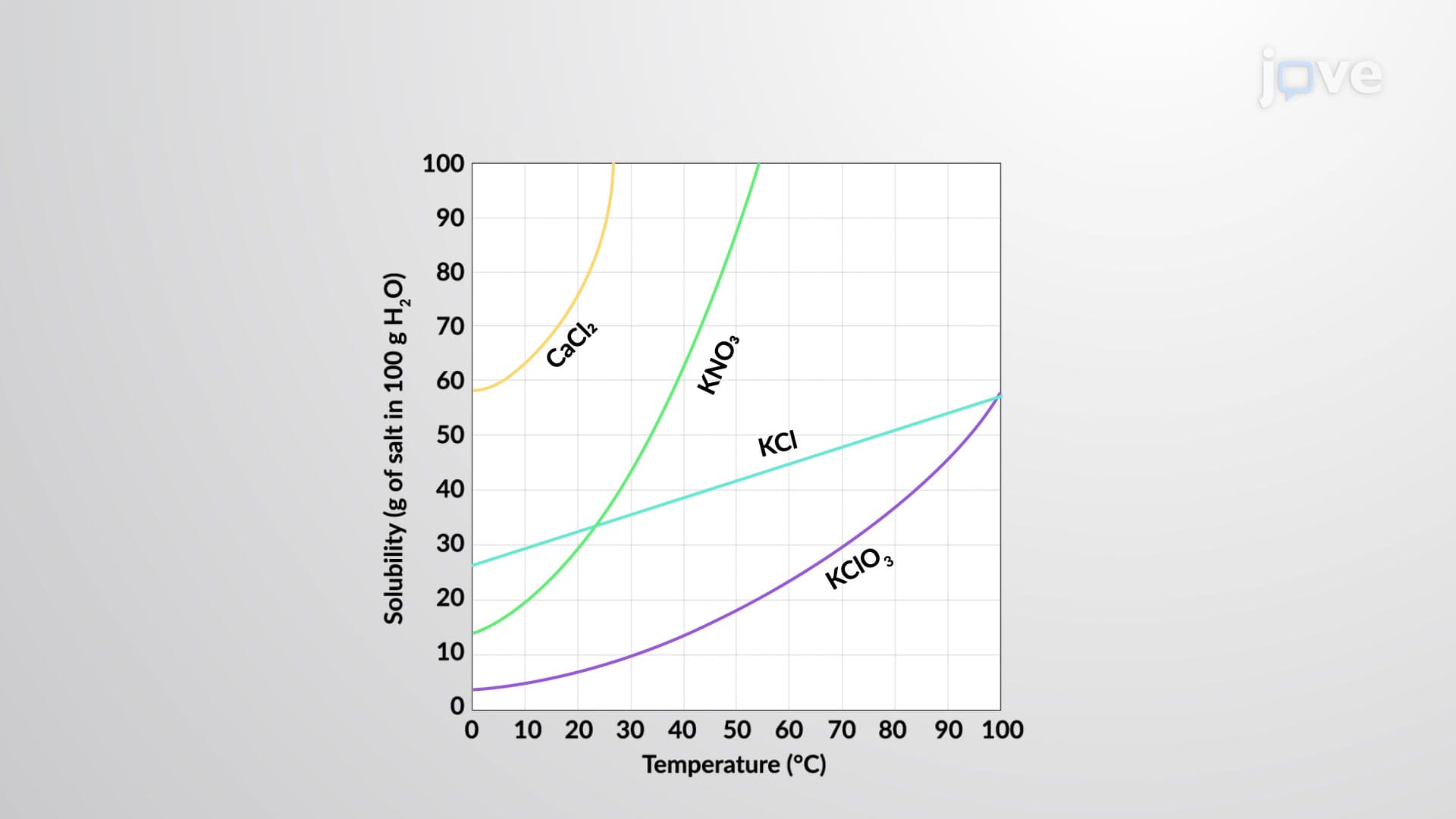

Video Summary: What Is Physical Properties Affecting Solubility
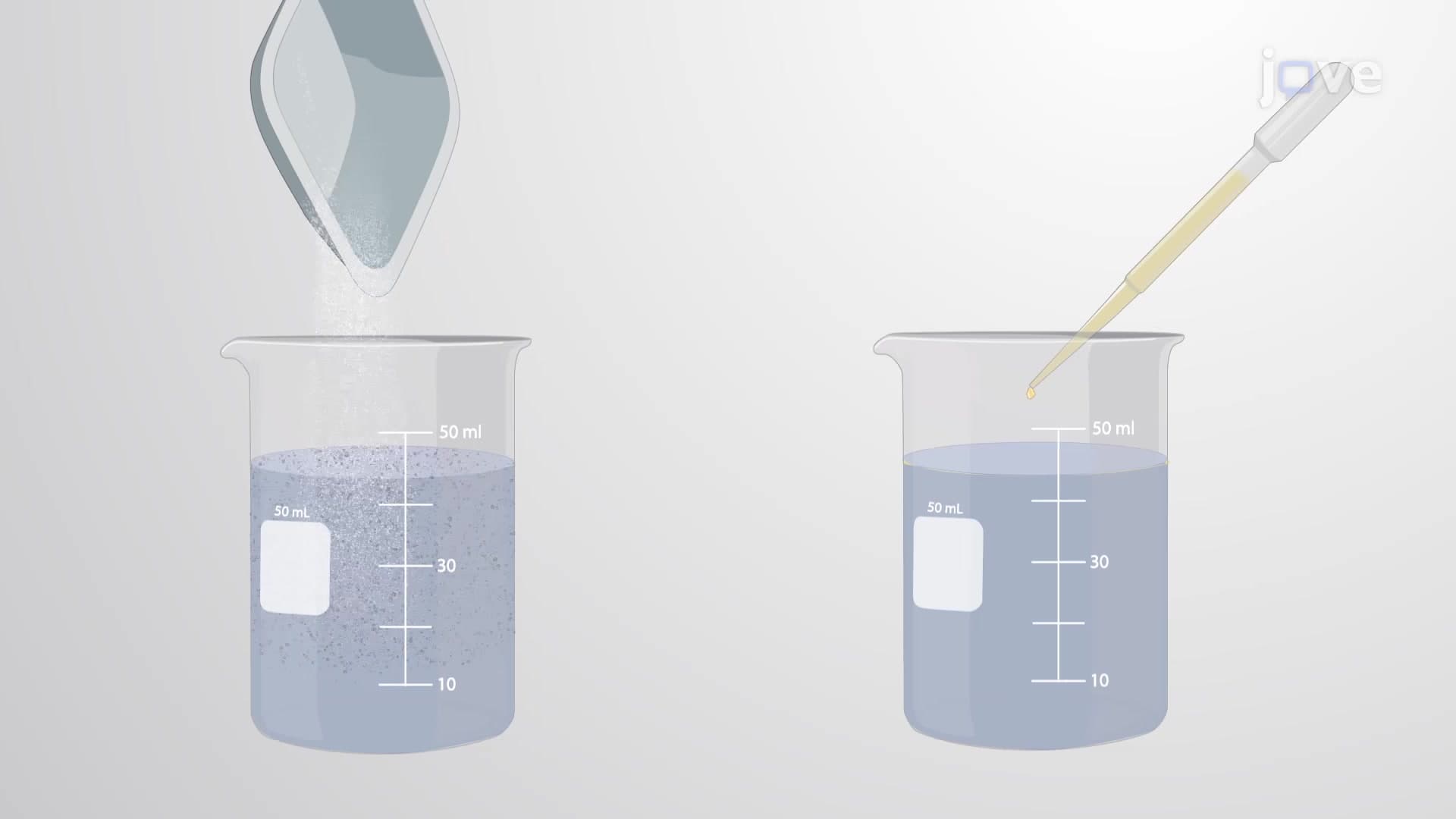
Ever wondered why your Coca-Cola goes flat when left open, but sugar dissolves better in hot coffee? Physical properties affecting solubility explain these everyday phenomena through temperature and pressure effects on how substances dissolve. Temperature dramatically changes solubility rates-most solids dissolve better in hot water, while gases like carbon dioxide escape from warm beverages. Watch the full video on JoVE Coach to master this concept with expert-led visuals and step-by-step explanations.
Physical properties affecting solubility encompass the measurable characteristics-primarily temperature and pressure-that determine how much solute dissolves in a given solvent. This fundamental concept bridges general chemistry principles with real-world applications, from pharmaceutical drug delivery to environmental science. Students encounter these principles in AP Chemistry, college general chemistry courses, and standardized exams like the MCAT.
Most solid compounds exhibit increased solubility as temperature rises, following Le Chatelier's principle. When you dissolve table salt or sugar in hot water versus cold water, the difference is immediately apparent. However, exceptions like calcium hydroxide (lime water) actually become less soluble at higher temperatures-a concept that frequently appears on AP Chemistry exams.
The rate of solubility change varies dramatically between compounds. Potassium nitrate shows explosive solubility increases with temperature, jumping from 13g per 100mL water at 0°C to over 240g at 100°C. Meanwhile, sodium chloride barely changes, increasing from 36g to 39g across the same temperature range. This differential behavior enables fractional crystallization, a separation technique used in pharmaceutical manufacturing and chemical purification processes throughout US industries.
Gas solubility behaves oppositely to most solids-increasing temperature decreases gas solubility. This explains why carbonated beverages lose fizz when warmed and why fish kills occur in heated water bodies during summer months. The solubility relationship follows Henry's Law: C = kP, where concentration equals the Henry's Law constant multiplied by pressure.
Pressure effects are equally important. Coca-Cola and Pepsi manufacture their products by dissolving carbon dioxide under approximately 4 atmospheres of pressure. When you open a can, pressure drops to 1 atmosphere, causing immediate CO₂ escape-that satisfying "pop" sound. Deep-sea divers experience this principle firsthand through decompression sickness, where dissolved nitrogen forms dangerous bubbles during rapid ascent.
These principles appear across multiple US standardized exams. MCAT questions often test gas solubility in blood chemistry contexts. AP Chemistry free-response questions frequently require calculating solubility changes or explaining beverage chemistry. College organic chemistry courses apply these concepts to recrystallization procedures and reaction optimization.
Understanding physical properties affecting solubility also connects to environmental chemistry-explaining acid rain formation, ocean acidification, and pollution remediation strategies used by US environmental agencies.
Related Micro-courses