Loading video…


 13 Concepts
 411.8K views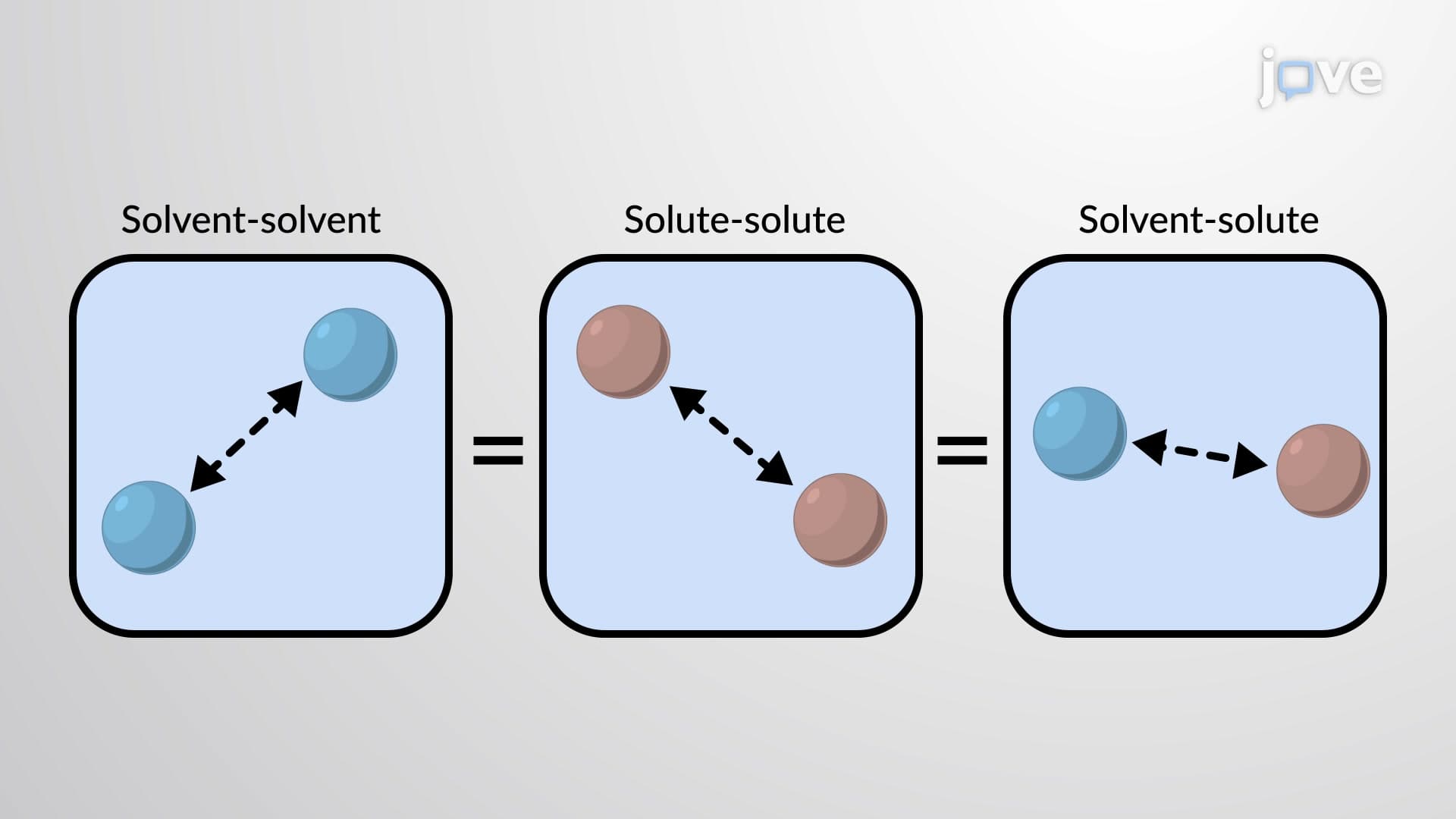

Video Summary: What are Ideal Solutions
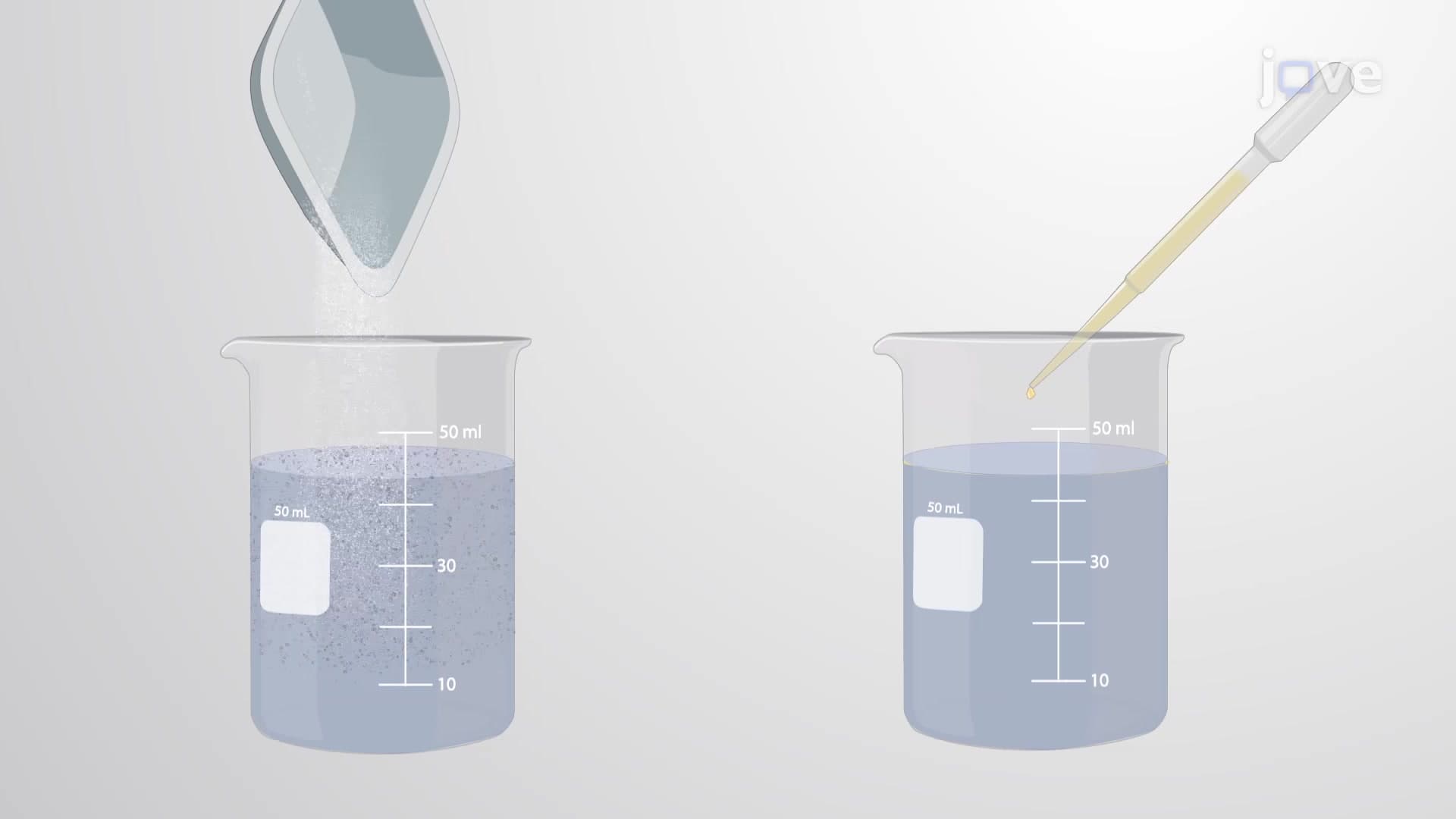
Ever wonder why your morning coffee tastes different when you add sugar versus artificial sweetener? The answer lies in how molecules interact in ideal solutions. These special mixtures occur when solvent-solvent, solute-solute, and solute-solvent forces are all equally strong, creating predictable behavior that follows Raoult's law perfectly. Think of how ethanol and water mix in alcoholic beverages sold across US liquor stores. Watch the full video on JoVE Coach to master this concept with expert-led visuals and step-by-step explanations.
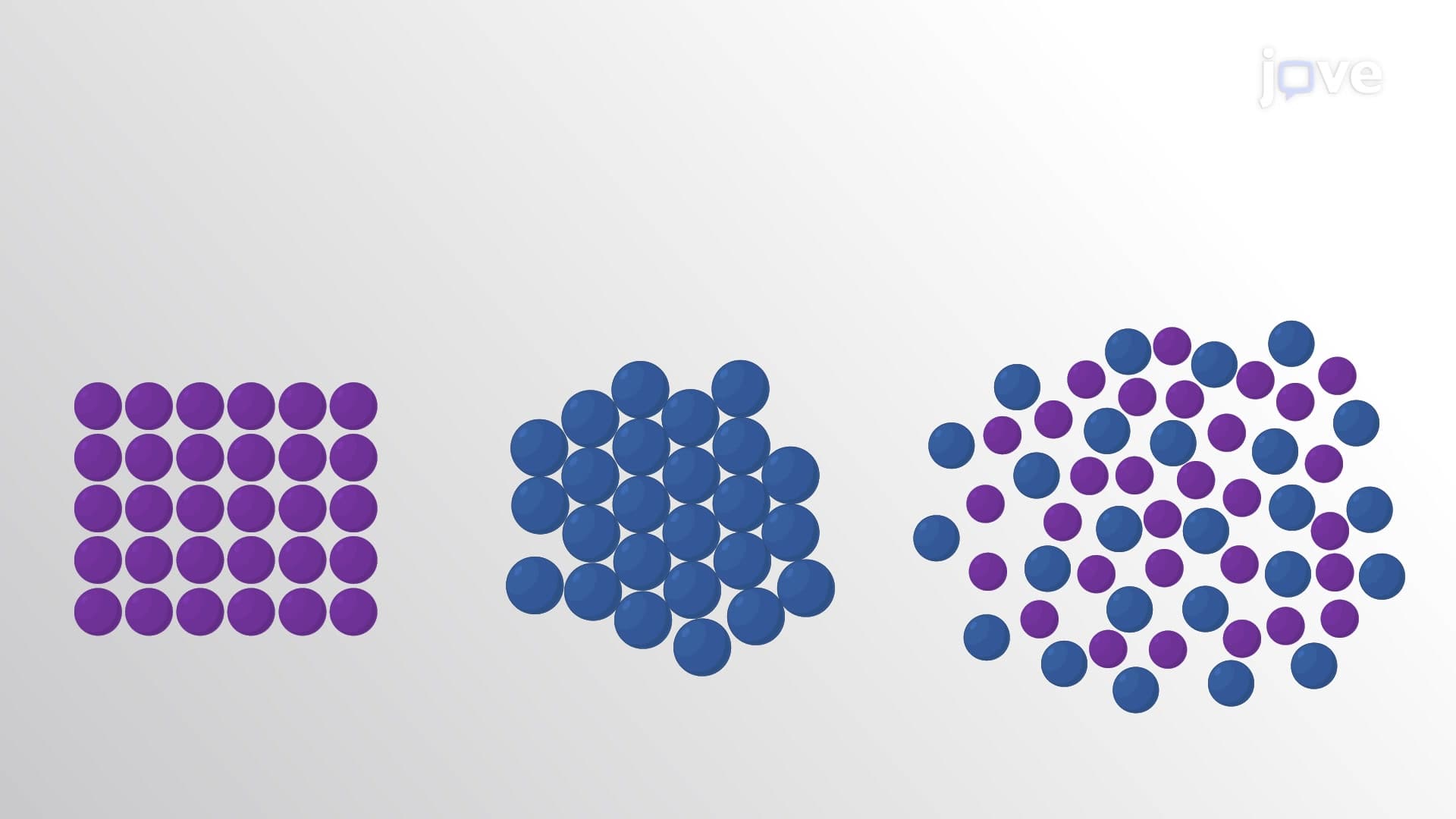
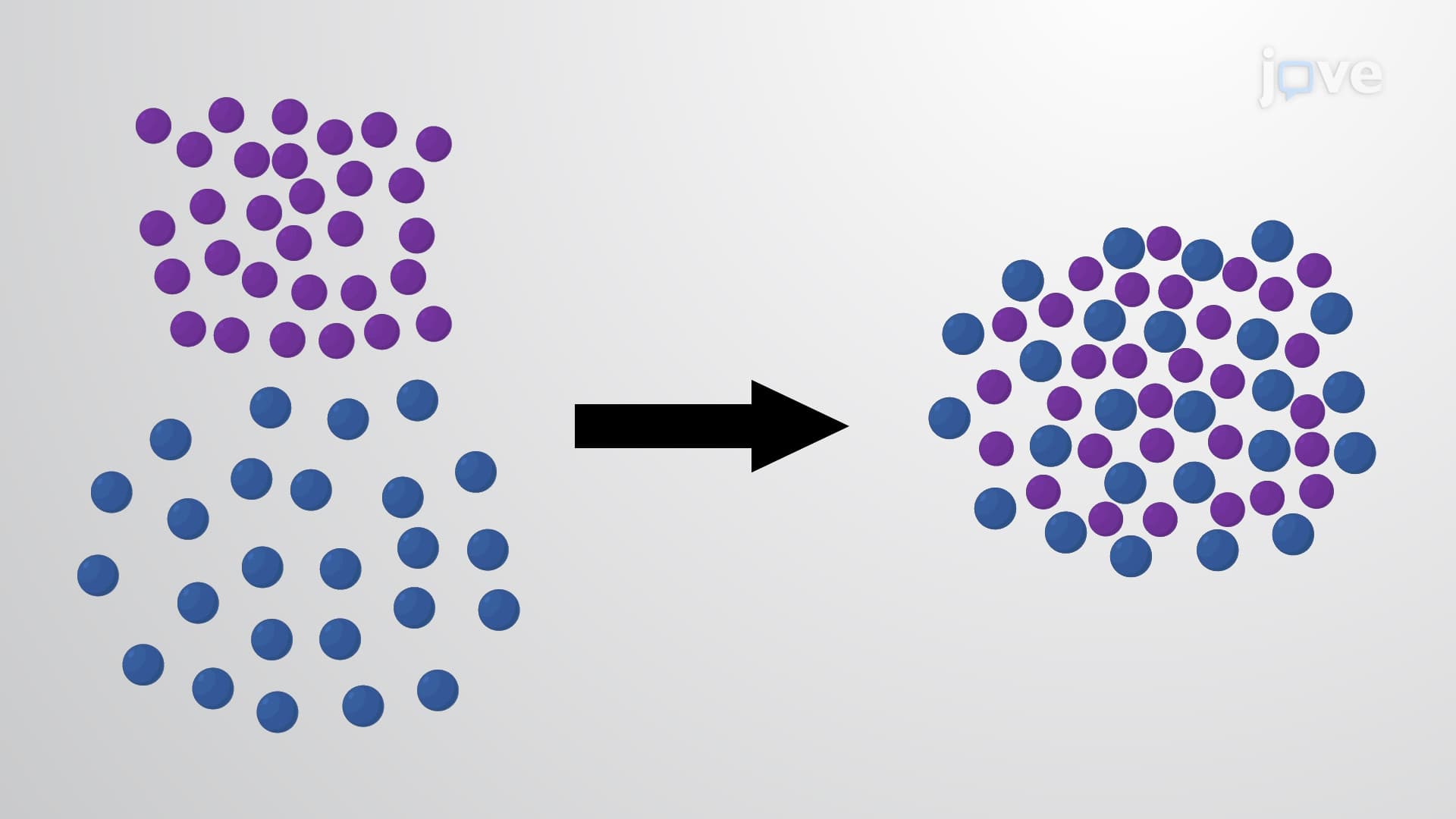
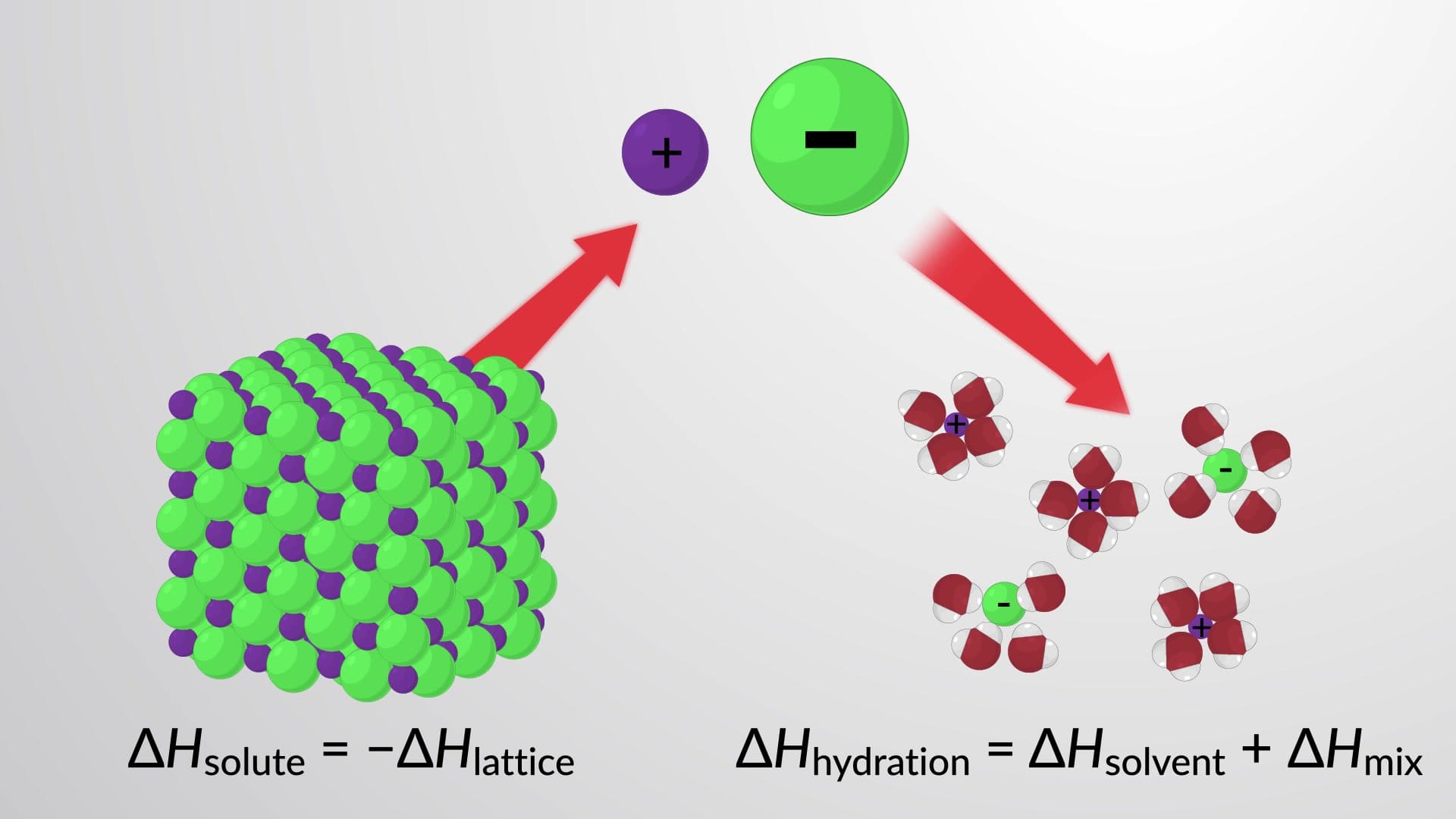
Ideal solutions represent a fundamental concept in physical chemistry where molecular interactions achieve perfect balance. In these systems, the strength of solvent-solvent attractions equals both solute-solute and solute-solvent interactions. This equilibrium creates predictable thermodynamic behavior that chemists can model mathematically.
The pharmaceutical industry relies heavily on ideal solution principles when formulating medications. For instance, when Pfizer develops liquid formulations at their Michigan facilities, chemists must understand how drug molecules interact with various solvents to ensure consistent dosing and stability.
Ideal solutions obey Raoult's law across all concentration ranges, making vapor pressure calculations straightforward. The law states that each component's partial vapor pressure equals its mole fraction multiplied by its pure vapor pressure: P(A) = X(A) × P°(A).
Consider a toluene-benzene mixture used in chemical manufacturing across Texas refineries. With toluene's mole fraction at 0.4 and benzene at 0.6, plus pure vapor pressures of 22 torr and 75 torr respectively, the partial pressures become 8.8 torr and 45 torr. The total vapor pressure reaches 54 torr-a linear relationship that appears as a straight line when graphed.
Binary ideal solutions commonly involve structurally similar compounds. Benzene-toluene mixtures exemplify this behavior because both molecules share similar aromatic structures and intermolecular forces. Similarly, hexane-heptane solutions used in petroleum refining demonstrate ideal behavior due to comparable hydrocarbon chains.
AP Chemistry students frequently encounter these calculations on standardized tests, where understanding mole fraction relationships proves crucial for success. College organic chemistry courses at institutions like UCLA and University of Michigan emphasize these principles when discussing distillation and purification techniques.
Non-ideal solutions exhibit positive or negative deviations from Raoult's law predictions. Positive deviations occur when solute-solvent interactions weaken compared to pure component forces, as seen in benzene-methanol mixtures. The solution's vapor pressure exceeds theoretical predictions because molecules escape more readily.
Negative deviations happen when strong solute-solvent attractions form, like hydrogen bonding in acetone-chloroform solutions. These interactions reduce vapor pressure below predicted values, demonstrating how molecular forces govern macroscopic properties.
Related Micro-courses