Loading video…


 13 Concepts
 411.8K views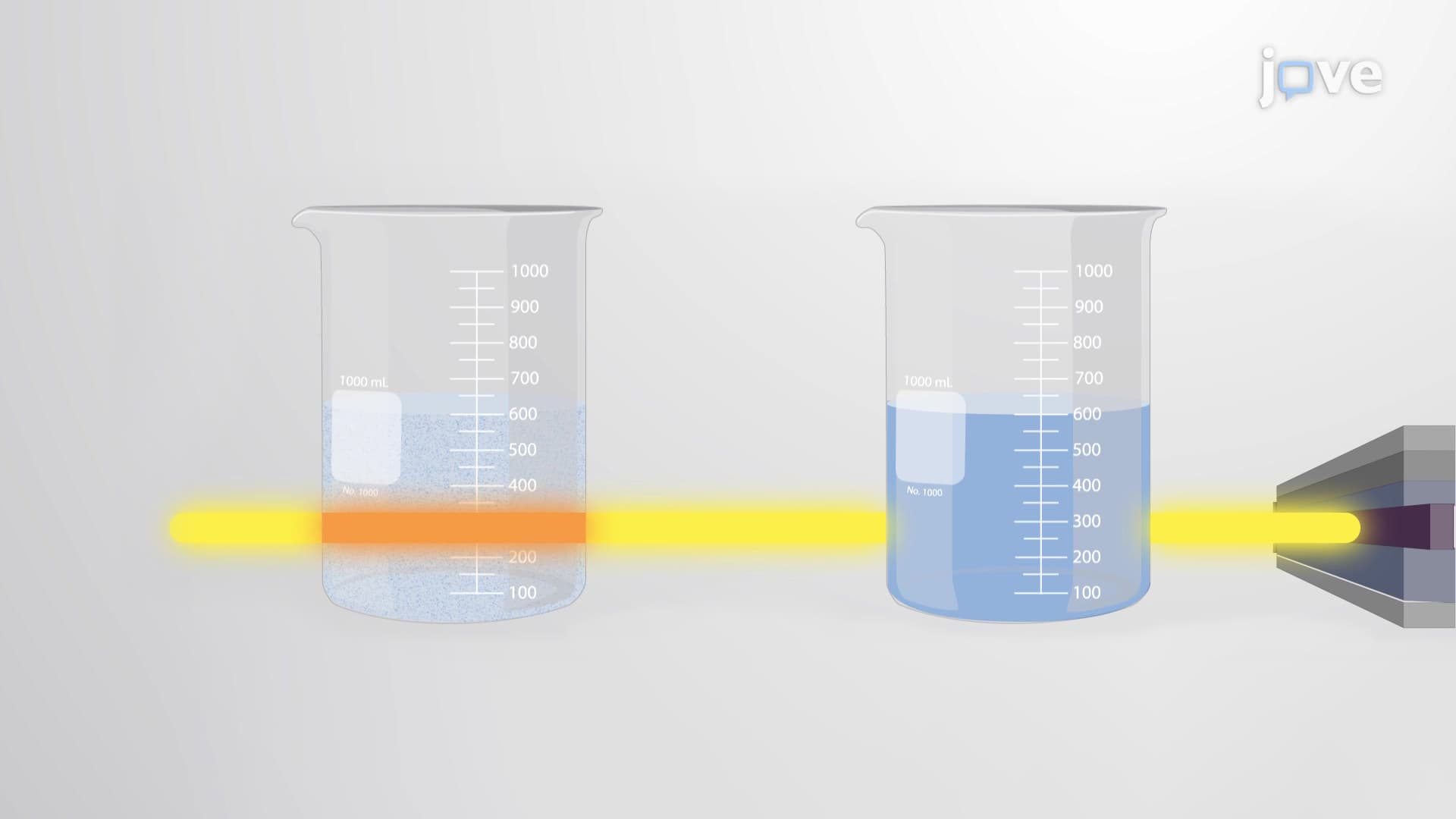

Video Summary: What Is Colloids
Ever wonder why milk looks white while sugar water is clear? Colloids create fascinating mixtures where tiny particles remain suspended between liquids, giving milk its characteristic appearance. Unlike solutions where substances completely dissolve, or suspensions where particles quickly settle, colloids maintain their cloudy dispersion indefinitely. From the whipped cream on your Starbucks latte to the fog rolling over San Francisco Bay, colloids surround us daily in countless forms. Watch the full video on JoVE Coach to master this concept with expert-led visuals and step-by-step explanations.
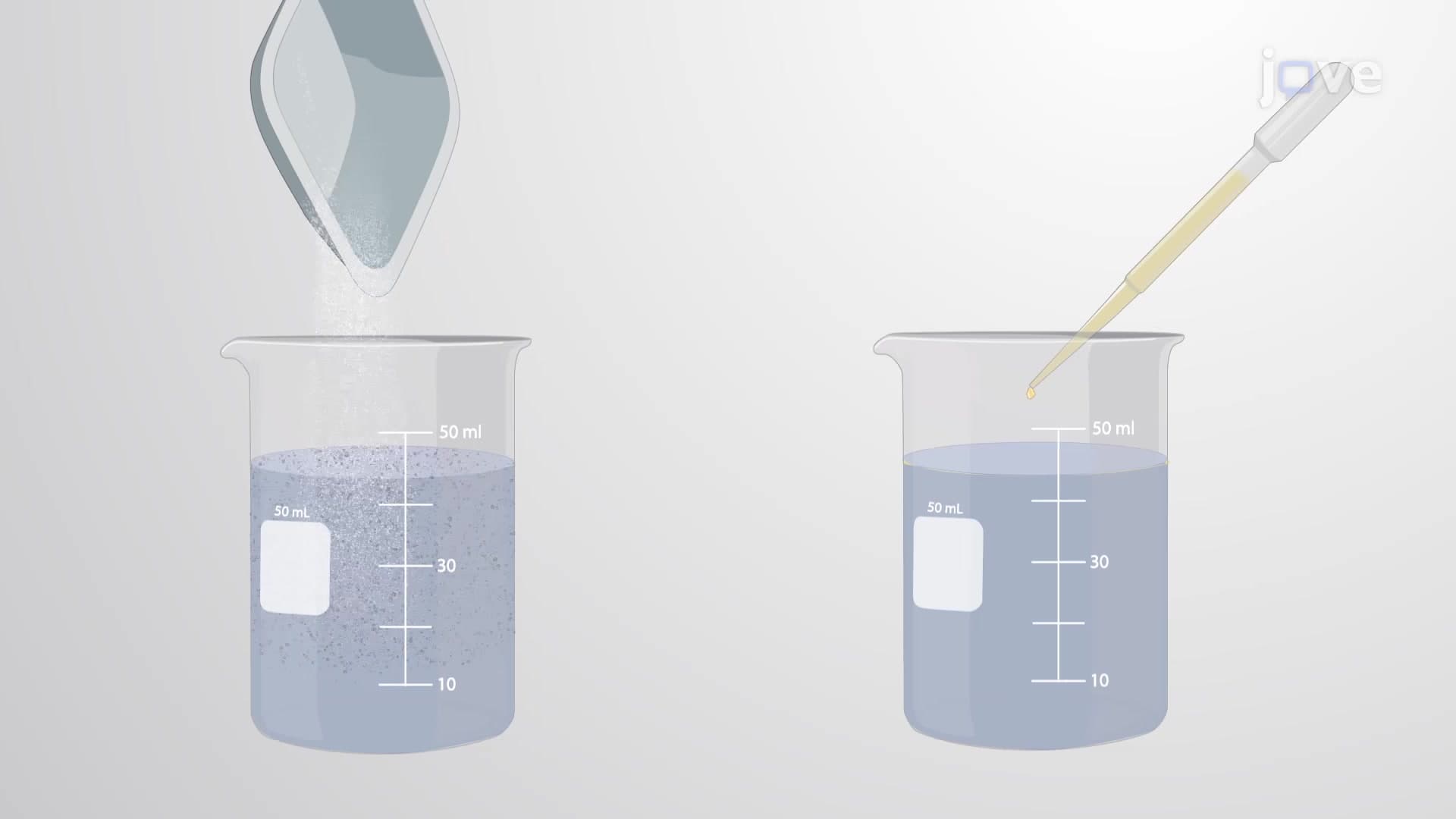
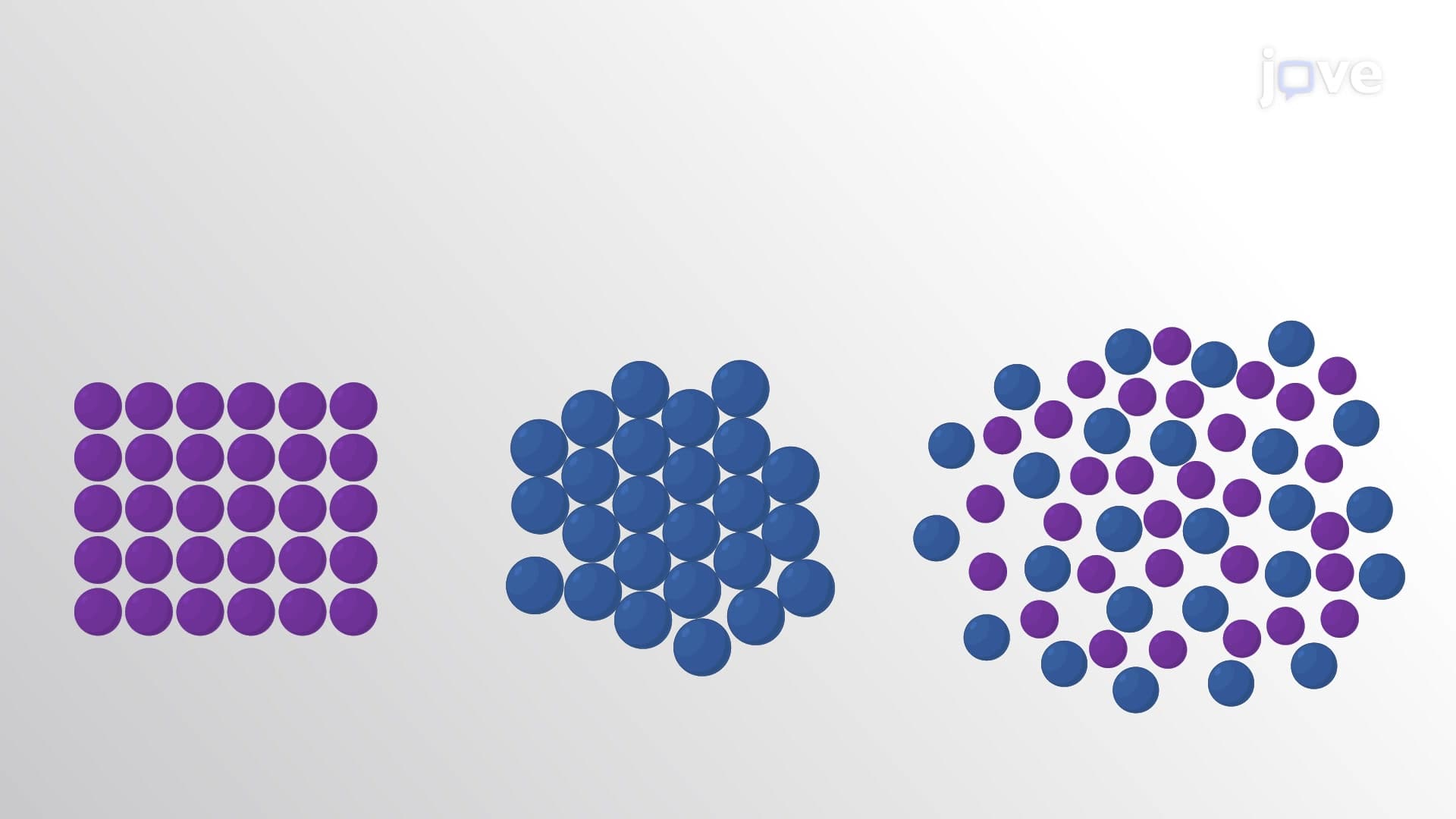
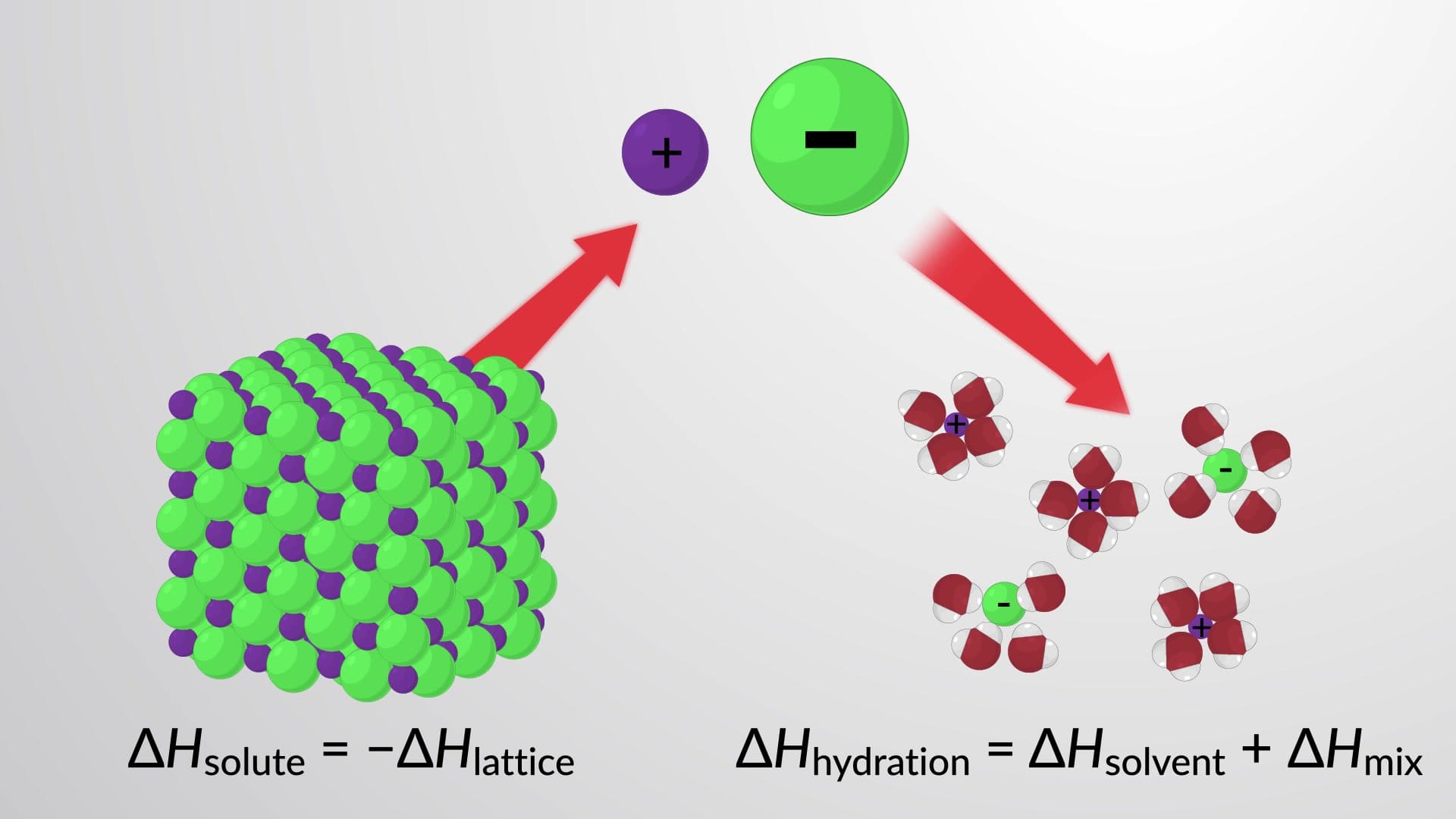
Colloids represent a unique category of mixtures that exist between the familiar extremes of solutions and suspensions. When you dissolve table salt in water, individual sodium and chloride ions disperse completely, creating a clear, homogeneous solution. Conversely, mixing sand with water produces a suspension where large particles quickly settle out. Colloids occupy the fascinating middle ground-particles too large to dissolve completely yet small enough to remain dispersed indefinitely.
The defining feature of any colloid lies in its particle size range: 5 to 1000 nanometers. To put this in perspective, colloidal particles are roughly 5-1000 times larger than typical dissolved molecules (around 1 nanometer) but significantly smaller than suspended particles (10,000+ nanometers). This specific size range creates the unique properties that make colloids so important in both natural systems and industrial applications.
American students preparing for AP Chemistry or college-level courses should remember that colloids maintain their heterogeneous nature despite appearing uniform to the naked eye. Unlike true solutions, colloids scatter light-a phenomenon crucial for understanding their behavior in laboratory settings and standardized exams.
Two key phenomena help identify and understand colloidal behavior. The Tyndall effect occurs when light passes through a colloidal dispersion, creating a visible beam due to light scattering by suspended particles. You can observe this effect when sunlight streams through dusty air or when car headlights illuminate fog on Interstate highways.
Brownian motion explains why colloidal particles remain dispersed rather than settling. Named after botanist Robert Brown, this random movement results from constant collisions with surrounding molecules. In colloids like milk or paint, Brownian motion prevents particle aggregation and settling, maintaining the mixture's stability over time.
Water-based colloids fall into two categories: hydrophilic (water-loving) and hydrophobic (water-fearing). Hydrophilic colloids, such as gelatin desserts popular in American households, form stable dispersions because their particles interact favorably with water molecules. Hydrophobic colloids, like oil-in-water emulsions, require stabilizing agents to prevent separation.
Understanding micelle formation proves essential for explaining how everyday cleaning products work. Soap molecules contain both hydrophilic heads and hydrophobic tails, arranging themselves in spherical structures that trap oil and grease inside while remaining water-soluble on the outside. This principle underlies the effectiveness of dishwashing liquids, shampoos, and laundry detergents found in American homes.
Related Micro-courses