Loading video…


 13 Concepts
 411.8K views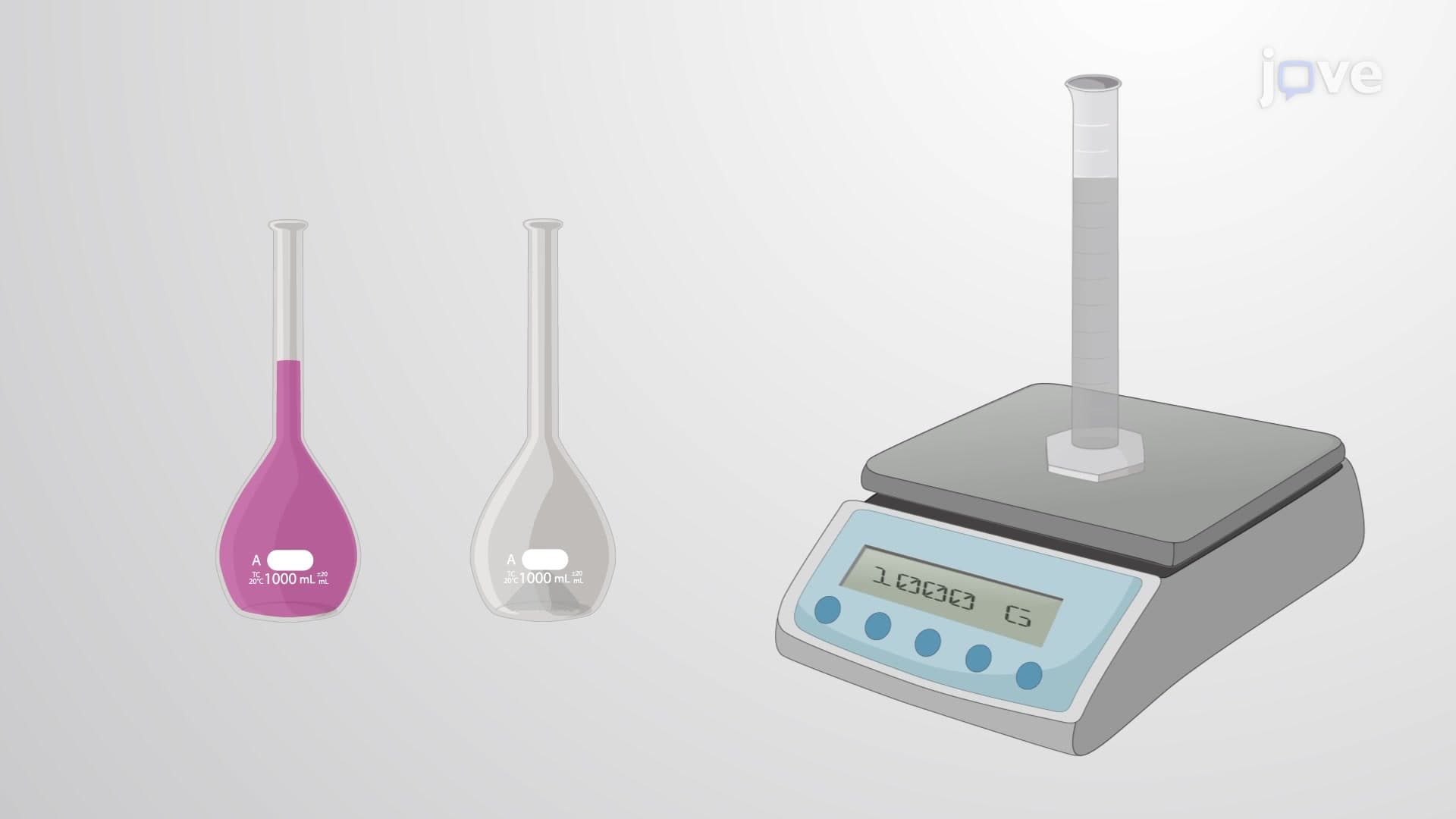

Video Summary: What Is Expressing Solution Concentration
Ever wonder why your morning coffee tastes different when you use more or less grounds? Expressing solution concentration determines exactly how much solute dissolves in a given amount of solvent, affecting everything from medication dosages at hospitals like Johns Hopkins to the precise formulations used in Coca-Cola's secret recipe. What is expressing solution concentration becomes crucial when chemists need to communicate exact measurements for reproducible results. Watch the full video on JoVE Coach to master this concept with expert-led visuals and step-by-step explanations.
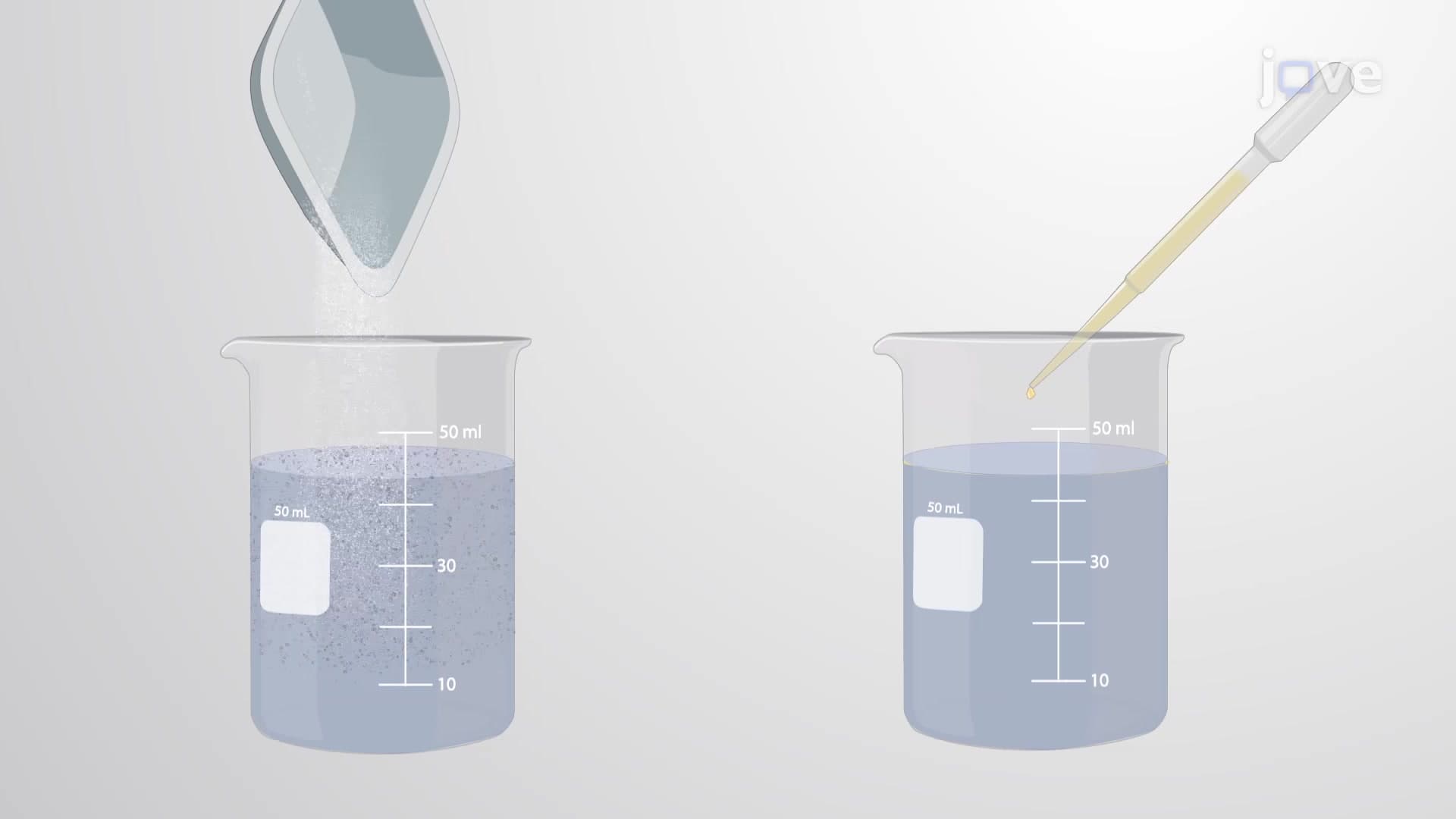
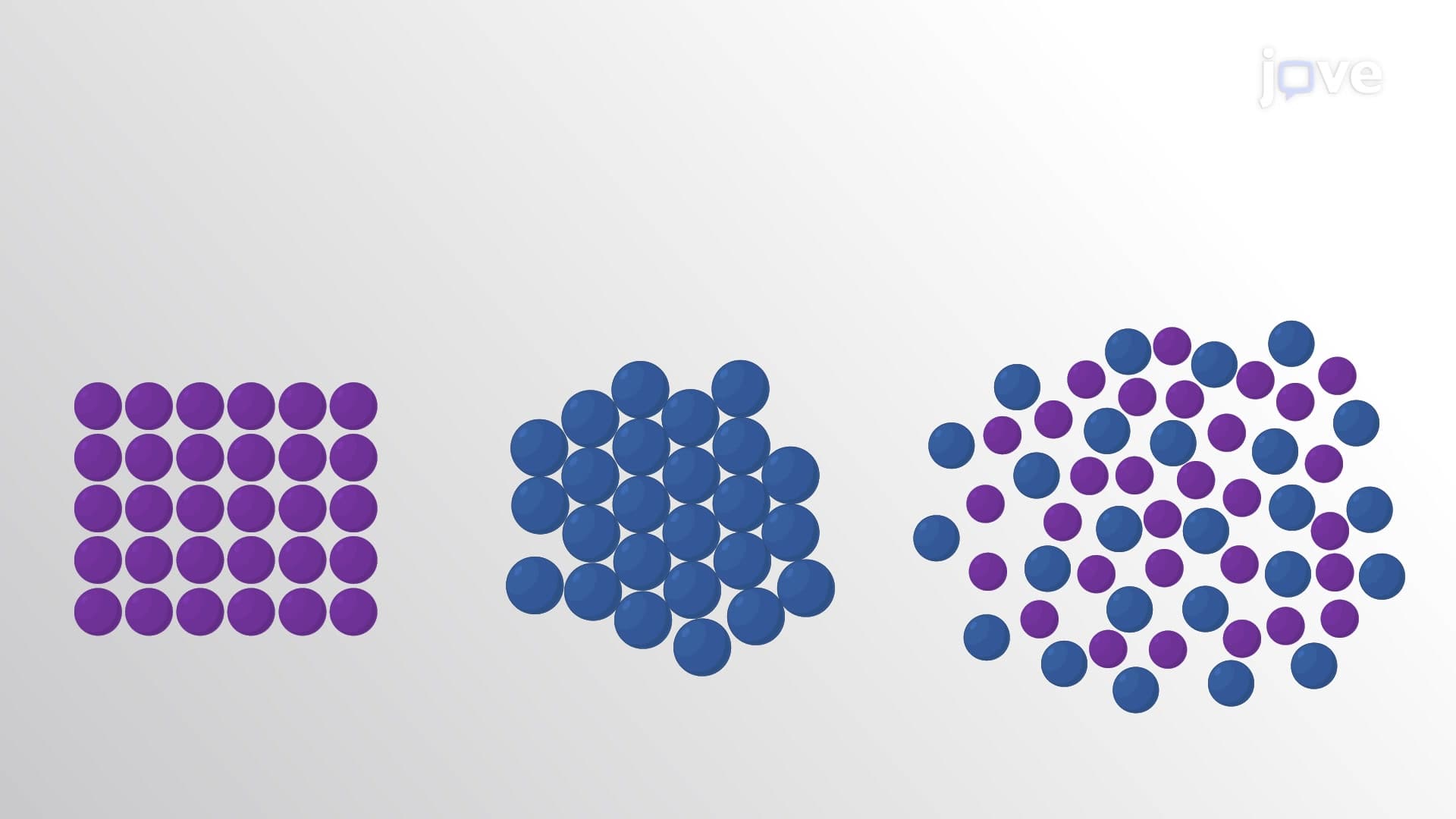
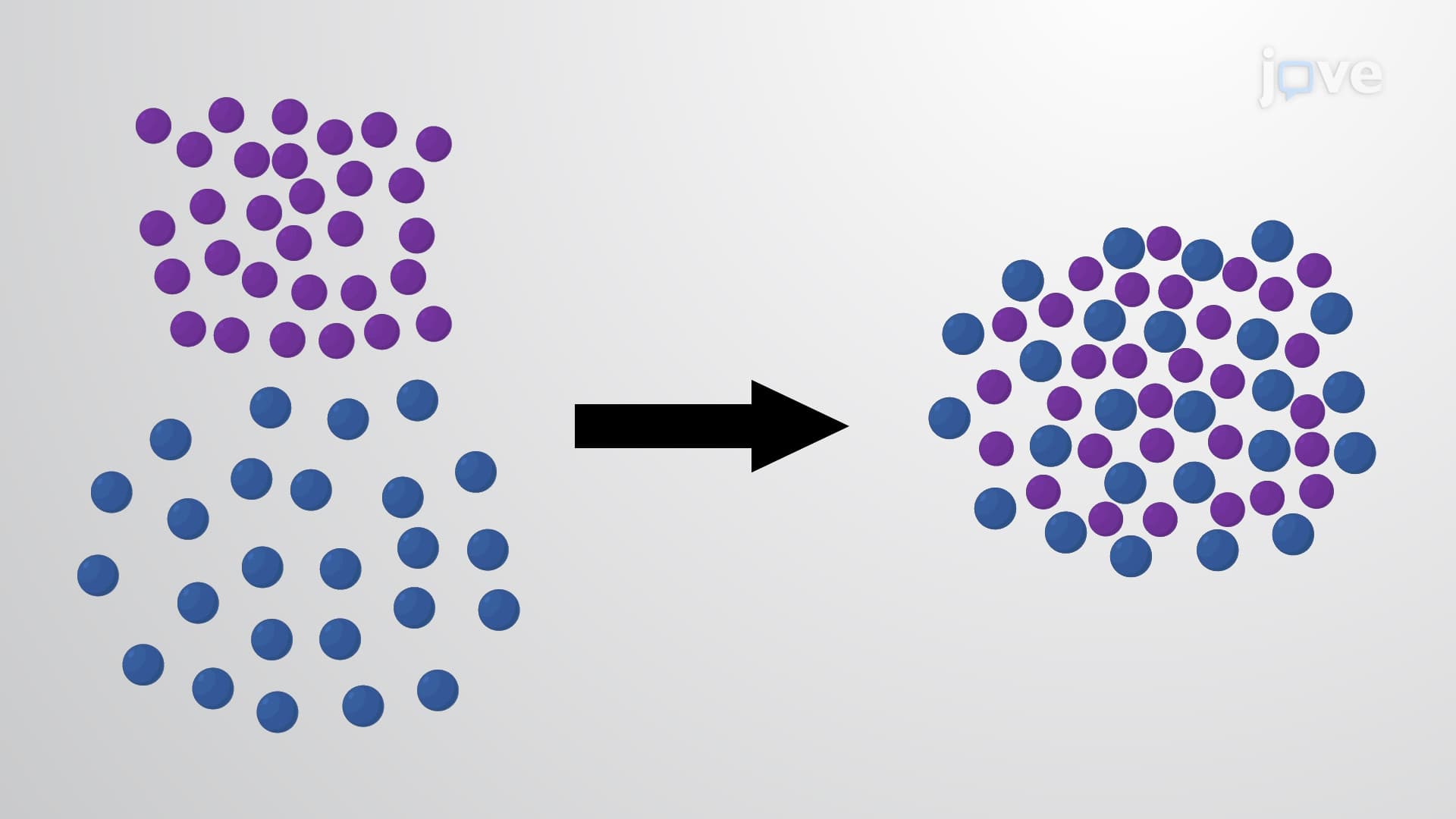
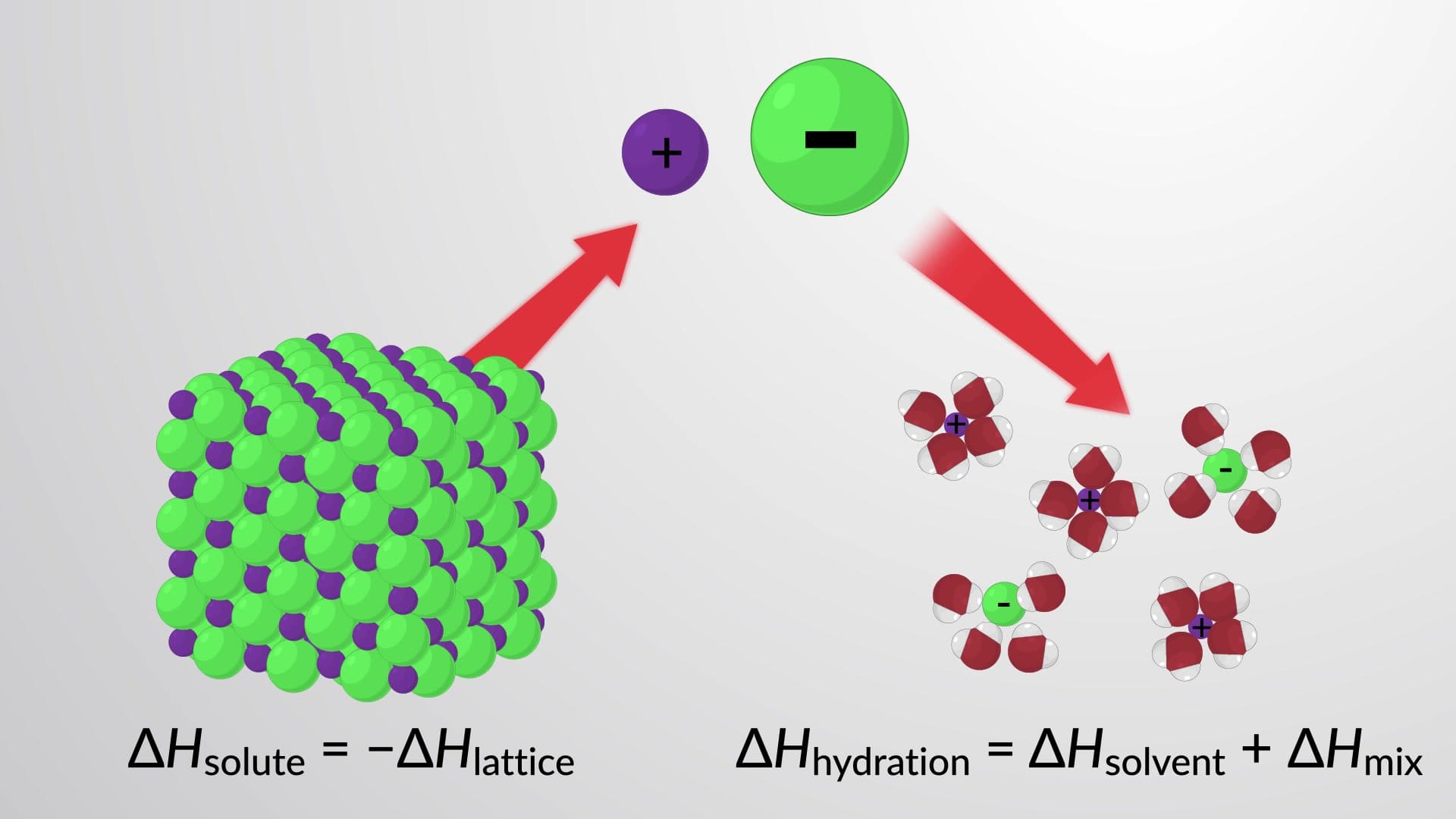
Expressing solution concentration provides chemists with standardized methods to communicate the exact amount of solute present in a solution. This fundamental concept bridges qualitative descriptions (dilute vs. concentrated) with quantitative measurements essential for laboratory work, industrial processes, and medical applications.
Solutions exist on a spectrum from extremely dilute to highly concentrated. Environmental scientists monitoring lead contamination in Flint, Michigan's water supply work with concentrations measured in parts per billion (ppb), while pharmaceutical companies preparing IV solutions use much higher concentrations. The expressing solution concentration definition encompasses both these extremes through appropriate unit selection.
Parts per million (ppm) calculations follow the formula: (mass of solute ÷ mass of solution) × 1,000,000. This unit proves invaluable for trace analysis, such as measuring chlorine levels in municipal water supplies or detecting pesticide residues in agricultural products.
Three primary percentage units dominate laboratory and industrial applications:
Mass percent = (mass of solute ÷ mass of solution) × 100, commonly used in metallurgy for alloy compositions. Volume percent = (volume of solute ÷ volume of solution) × 100, essential for alcohol content determination in beverages. Mass/volume percent = (mass of solute ÷ volume of solution) × 100, frequently employed in pharmaceutical preparations.
What is expressing solution concentration in detail requires mastering molarity, molality, and mole fraction. These units appear extensively on AP Chemistry exams and college-level coursework.
Molarity (M) measures moles of solute per liter of solution, making it temperature-dependent since solution volume changes with temperature. Molality (m) uses moles of solute per kilogram of solvent, remaining temperature-independent-crucial for precise thermodynamic calculations.
Mole fraction represents the ratio of component moles to total moles, essential for vapor pressure calculations and Raoult's law applications. This dimensionless unit proves particularly valuable in physical chemistry contexts.
Understanding these distinctions becomes critical when preparing for standardized tests like the MCAT, where concentration interconversions frequently appear in passages about biological systems and drug delivery mechanisms.
Related Micro-courses