Loading subject page…


411,800 views

Video Summary: What are Intermolecular Forces in Solutions
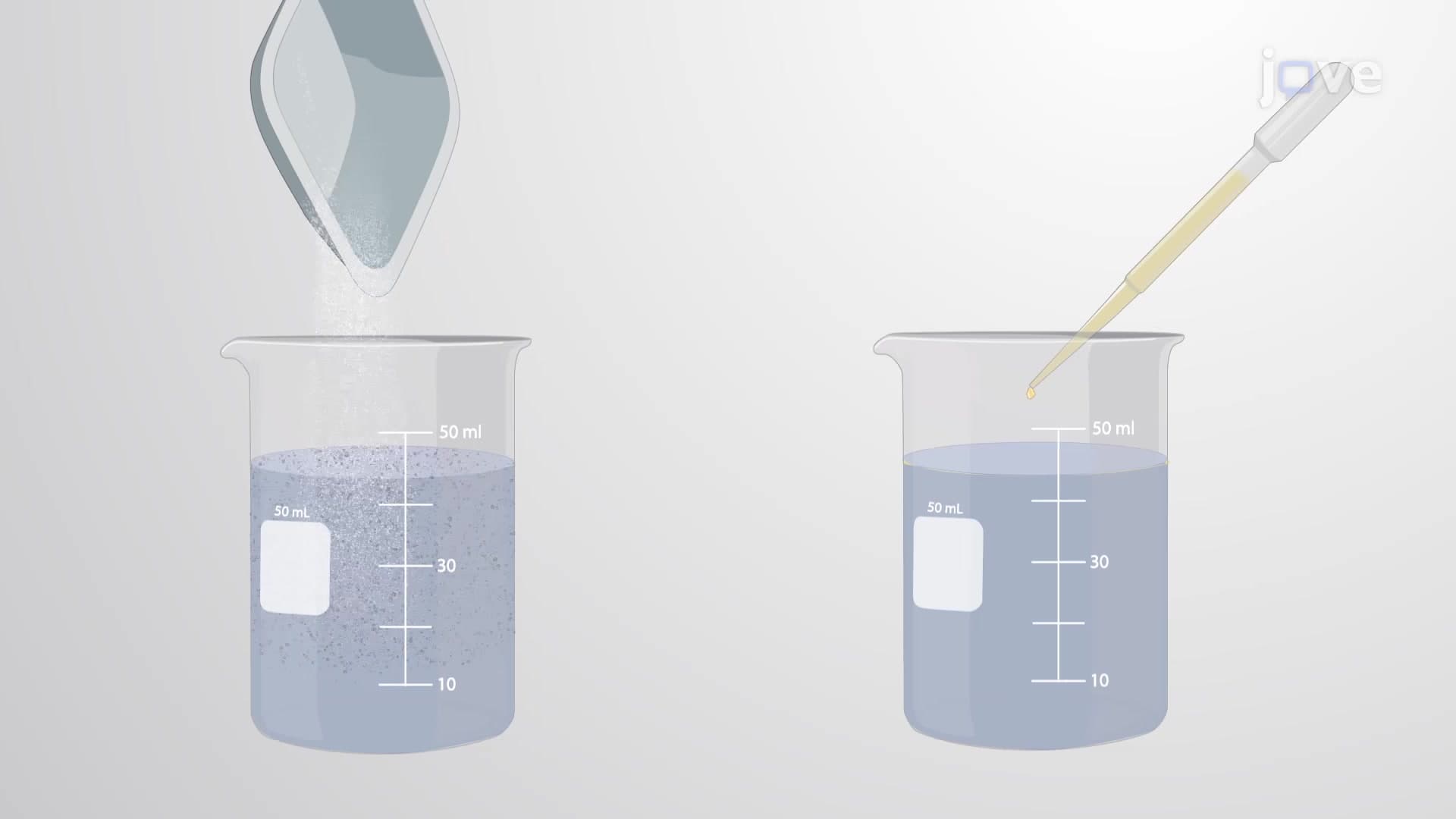
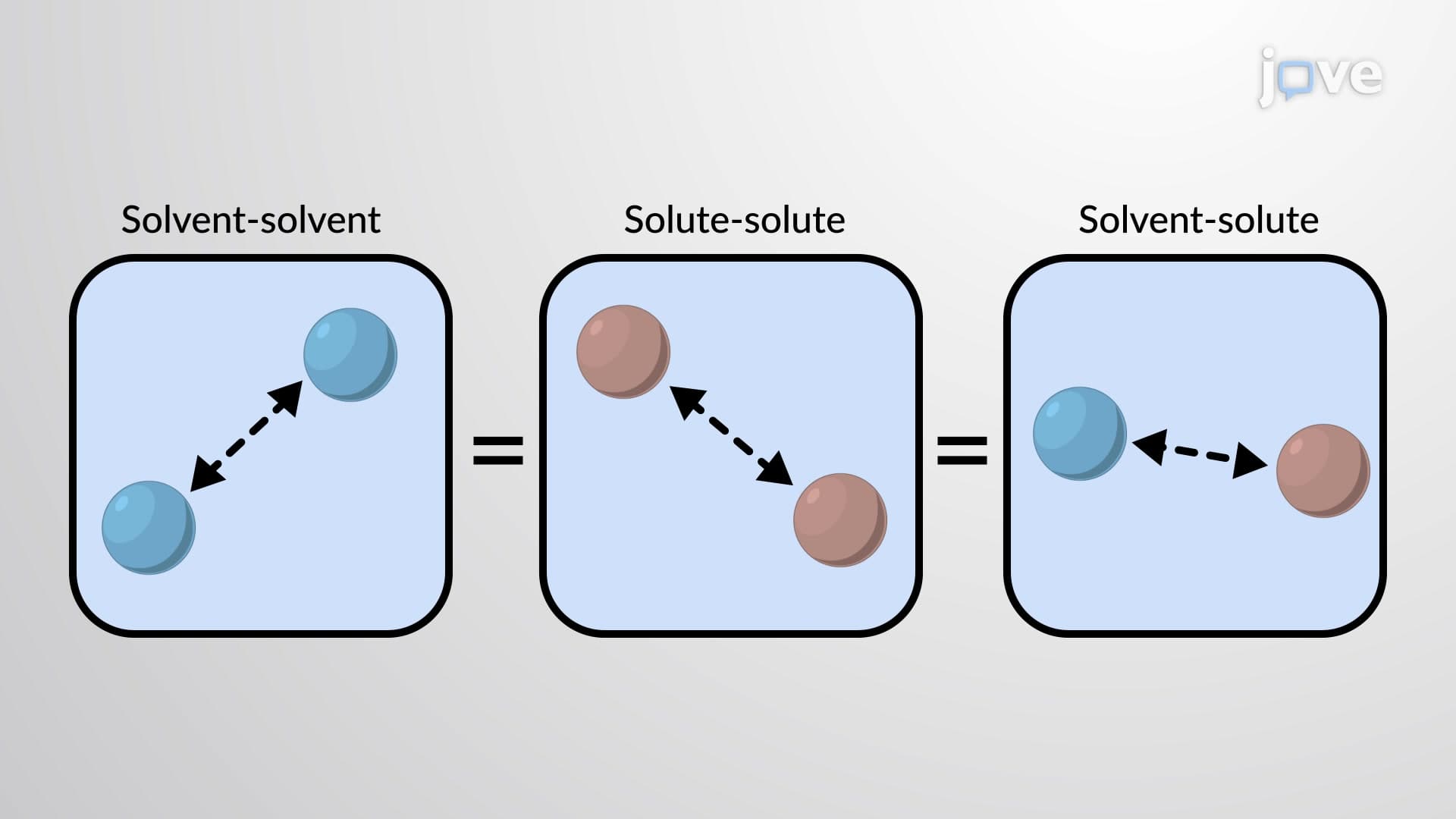
Ever wonder why oil and water don't mix, but salt dissolves completely in water? Intermolecular forces in solutions determine these mixing behaviors by controlling how molecules interact when substances combine. When sodium chloride dissolves in water at a McDonald's restaurant to create salt water for cleaning, three distinct molecular interactions must occur: breaking apart the original substance bonds, disrupting solvent molecules, and forming new solvent-solute attractions. Watch the full video on JoVE Coach to master this concept with expert-led visuals and step-by-step explanations.
Intermolecular forces in solutions represent the attractive and repulsive interactions between molecules that determine whether substances will mix together. Unlike intramolecular forces (bonds within molecules), these forces occur between separate molecules and control macroscopic properties like solubility, boiling points, and phase behavior. In the pharmaceutical industry, understanding these forces helps formulators design drug delivery systems where active ingredients must dissolve properly in biological fluids.
The types of intermolecular forces in solutions include four main categories, each with distinct characteristics. Dispersion forces (also called London forces) occur between all molecules due to temporary electron distribution fluctuations, making them universal but generally weak. Dipole-dipole interactions happen between polar molecules where permanent charge separations create attractive forces. Hydrogen bonding represents a special, stronger type of dipole-dipole interaction occurring when hydrogen atoms bonded to highly electronegative atoms (N, O, F) interact with lone pairs on nearby molecules. Finally, ion-dipole interactions occur between ionic compounds and polar molecules, typically being the strongest intermolecular forces encountered in solutions.
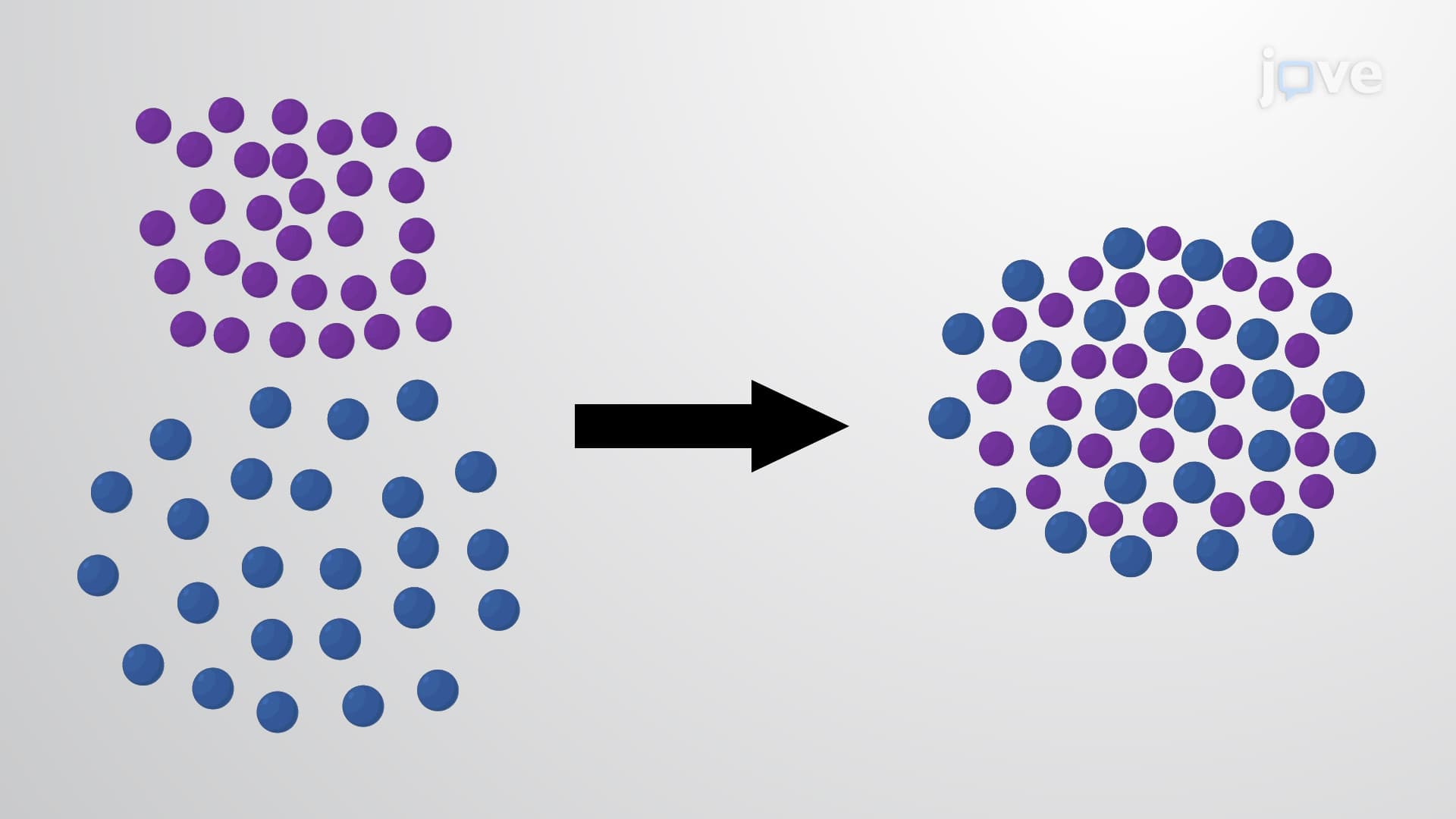
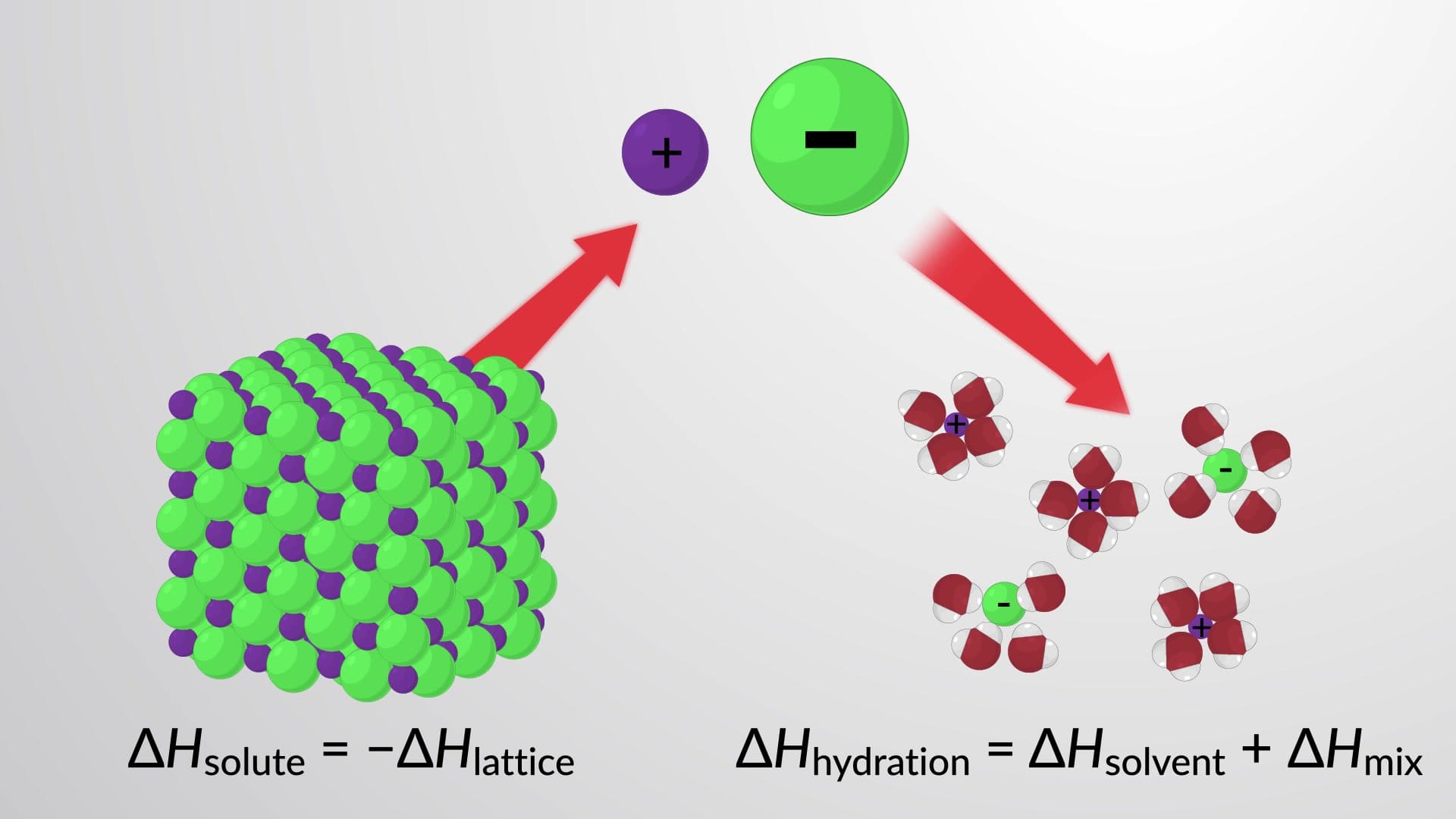
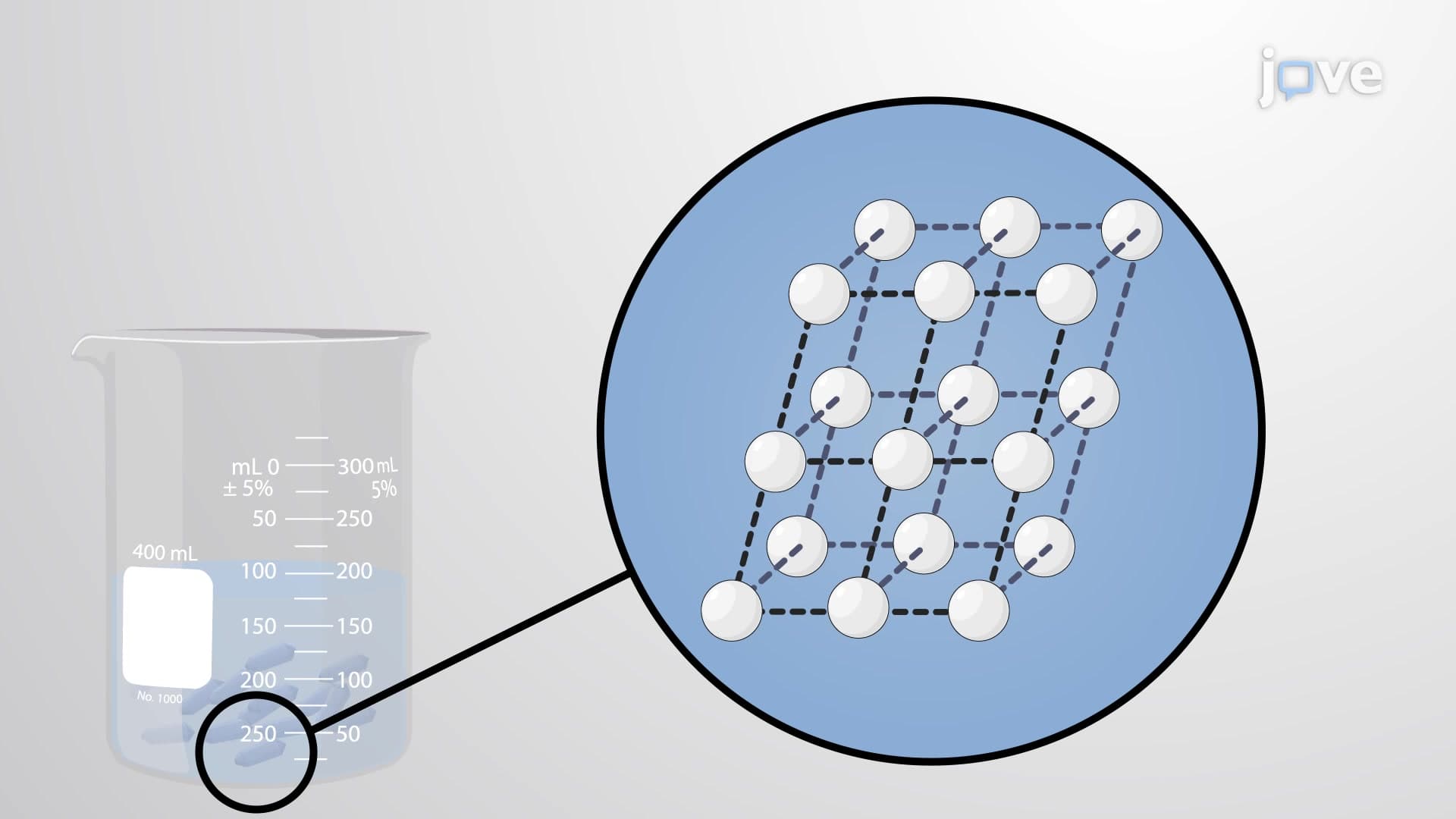
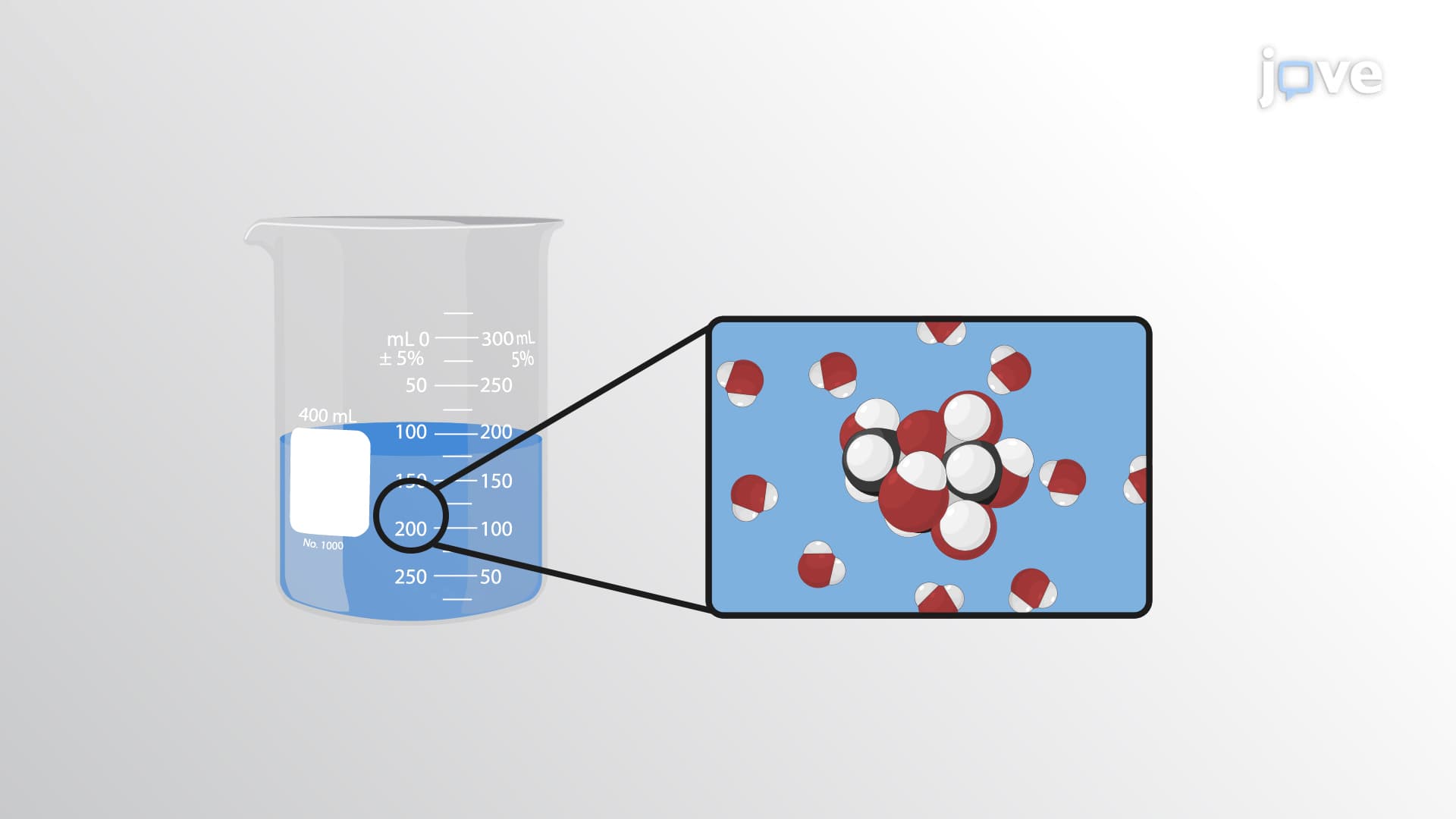
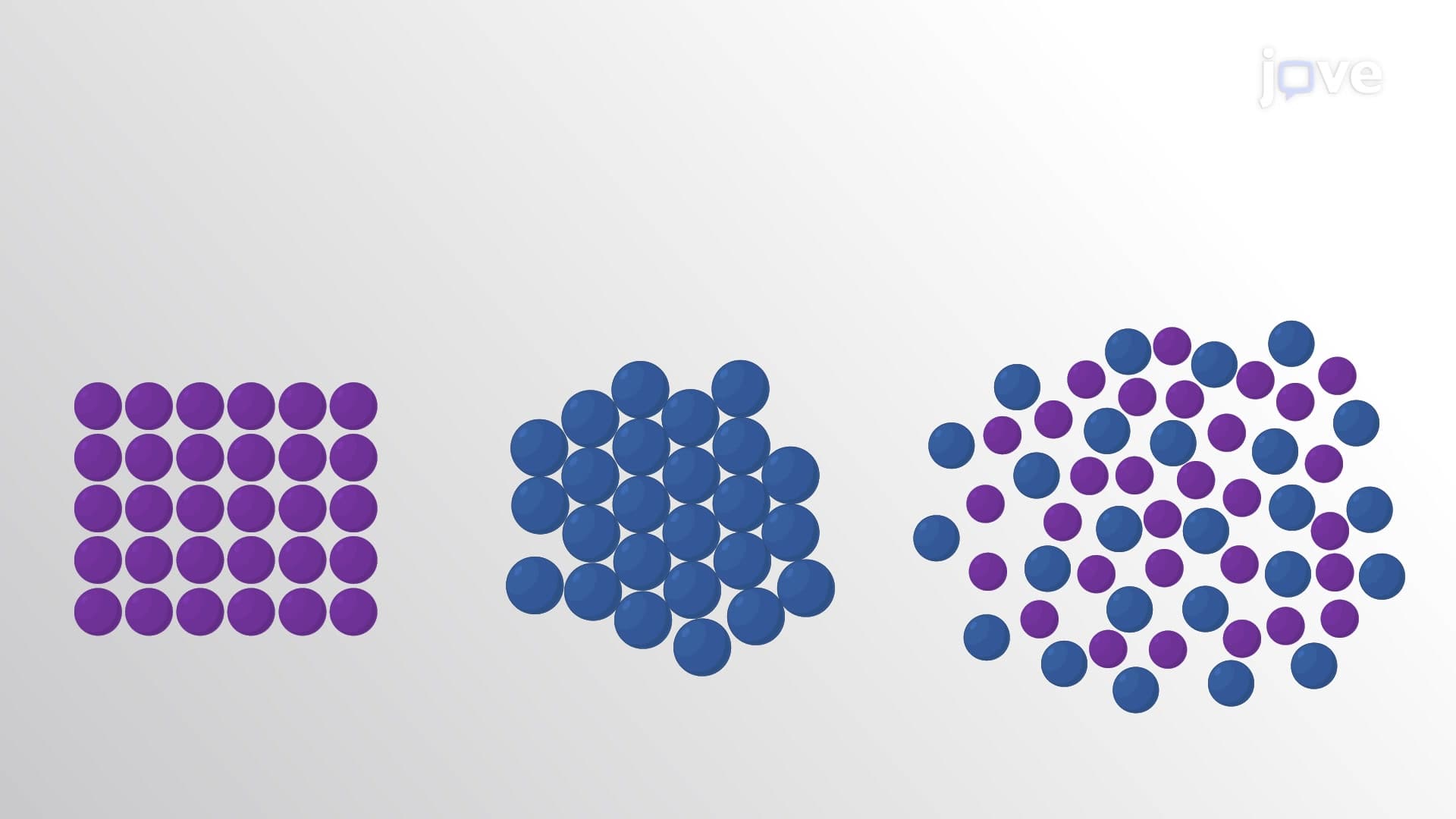
When examining intermolecular forces in solutions overview, the dissolution process involves three distinct energy-requiring steps. First, solute-solute interactions must be overcome to separate solute particles from each other-like breaking apart the ionic lattice in table salt (NaCl). Second, solvent-solvent interactions must be disrupted to make space for solute particles-such as breaking hydrogen bonds between water molecules. Third, new solute-solvent interactions must form to stabilize the mixed system-exemplified by ion-dipole attractions between Na⁺/Cl⁻ ions and water molecules during salt dissolution.
This intermolecular forces in solutions concept appears frequently on AP Chemistry exams, college general chemistry courses, and MCAT sections covering solution chemistry. Students encounter problems asking them to predict solubility based on molecular polarity, calculate solution formation energies, and explain why "like dissolves like." In medical applications, understanding these forces explains how medications dissolve in stomach acid, why certain anesthetics work through lipid solubility, and how kidney dialysis removes waste products from blood through selective dissolution processes.
Related Micro-courses