Loading subject page…
- Chemistry
- Solutions and Colloids
- Freezing Point Depression and Boiling Point Elevation
Micro-course: Solutions and Colloids
411,800 views
Learn key concepts and earn your certificate.


Freezing Point Depression and Boiling Point Elevation

00:00
03:12
Video Summary: Freezing Point Depression and Boiling Explained
Ever wonder why we sprinkle salt on icy roads during Chicago winters or add antifreeze to car radiators? Freezing point depression and boiling phenomena explain these everyday solutions perfectly. When non-volatile substances dissolve in solvents like water, they dramatically alter both freezing and boiling temperatures through colligative properties. Understanding freezing point depression and boiling helps explain everything from cooking pasta at high altitudes to preventing engine damage in extreme weather. Watch the full video on JoVE Coach to master this concept with expert-led visuals and step-by-step explanations.
- Understand how freezing point depression and boiling elevation occur when non-volatile solutes dissolve in pure solvents
- Identify the relationship between vapor pressure changes and temperature modifications in solutions
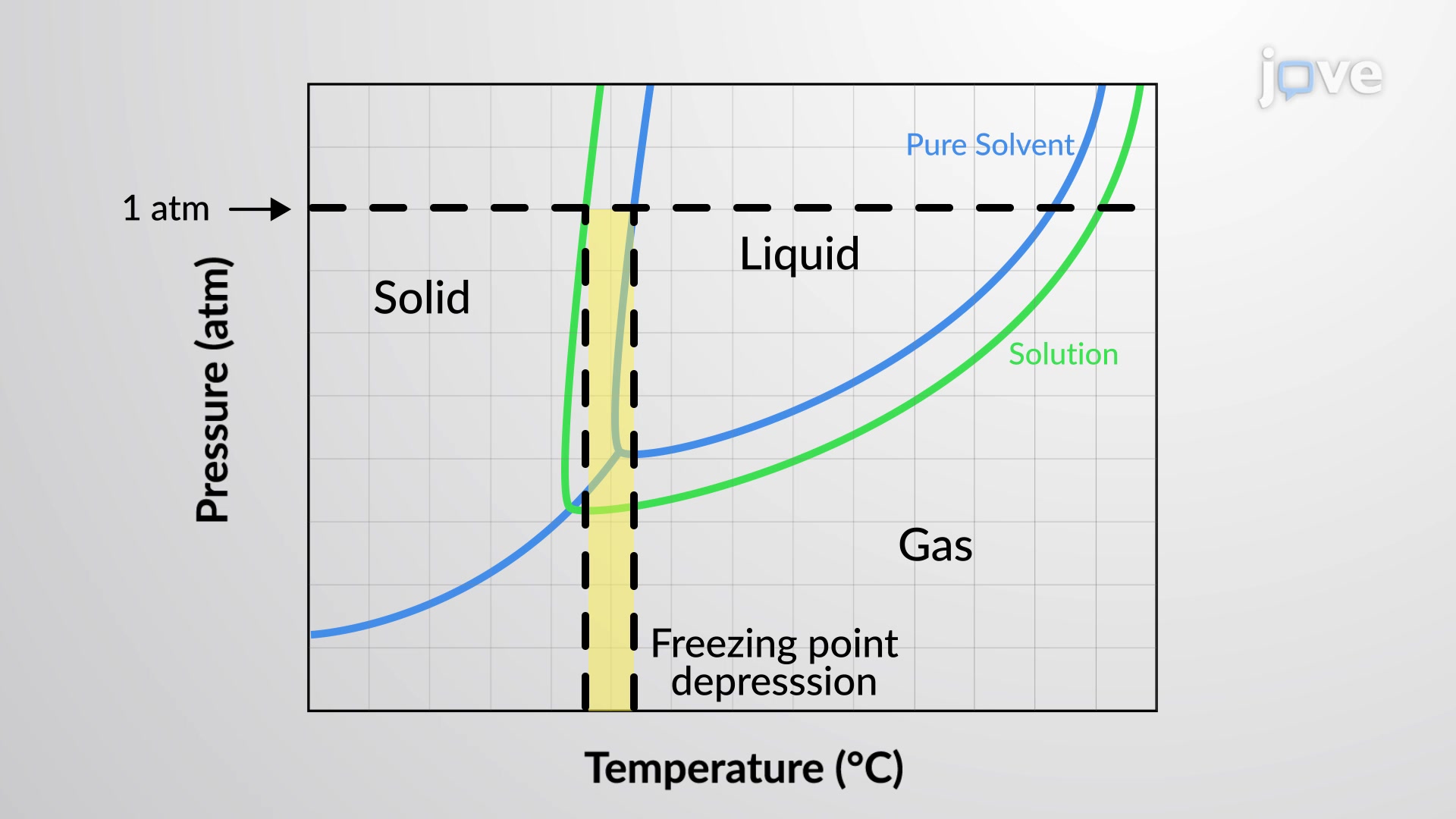
- Analyze phase diagrams to predict boiling point elevation and freezing point depression behaviors
- Apply molal boiling point elevation and freezing point depression constants to calculate temperature changes
- Evaluate colligative properties and their dependence on solute concentration rather than identity
- Compare solution behavior to pure solvent properties across different temperature ranges
- Recognize real-world applications from automotive antifreeze to food preservation techniques
- Explore mathematical relationships using molality and solvent-specific constants for quantitative predictions
Understanding Freezing Point Depression And Boiling Fundamentals
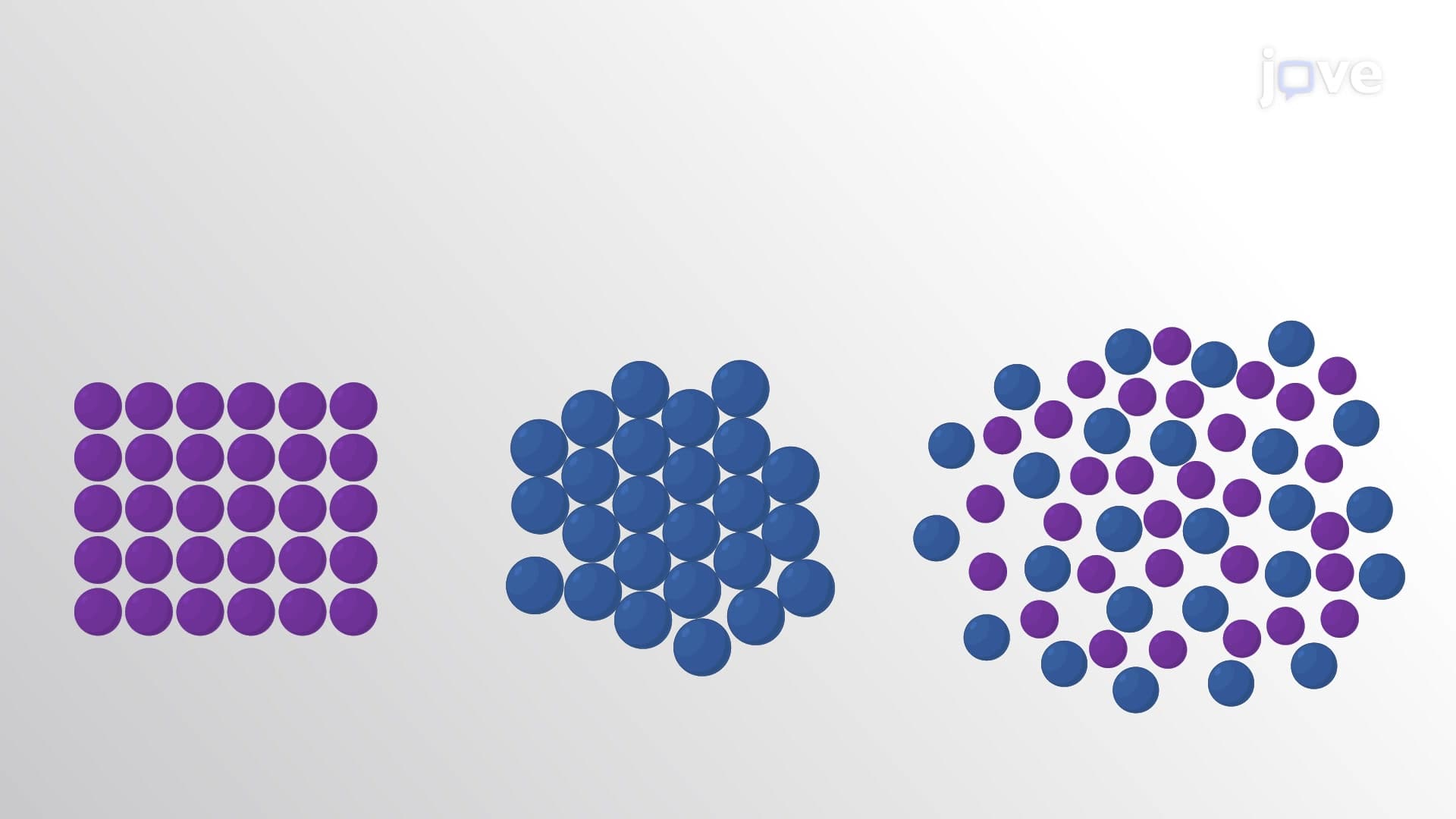
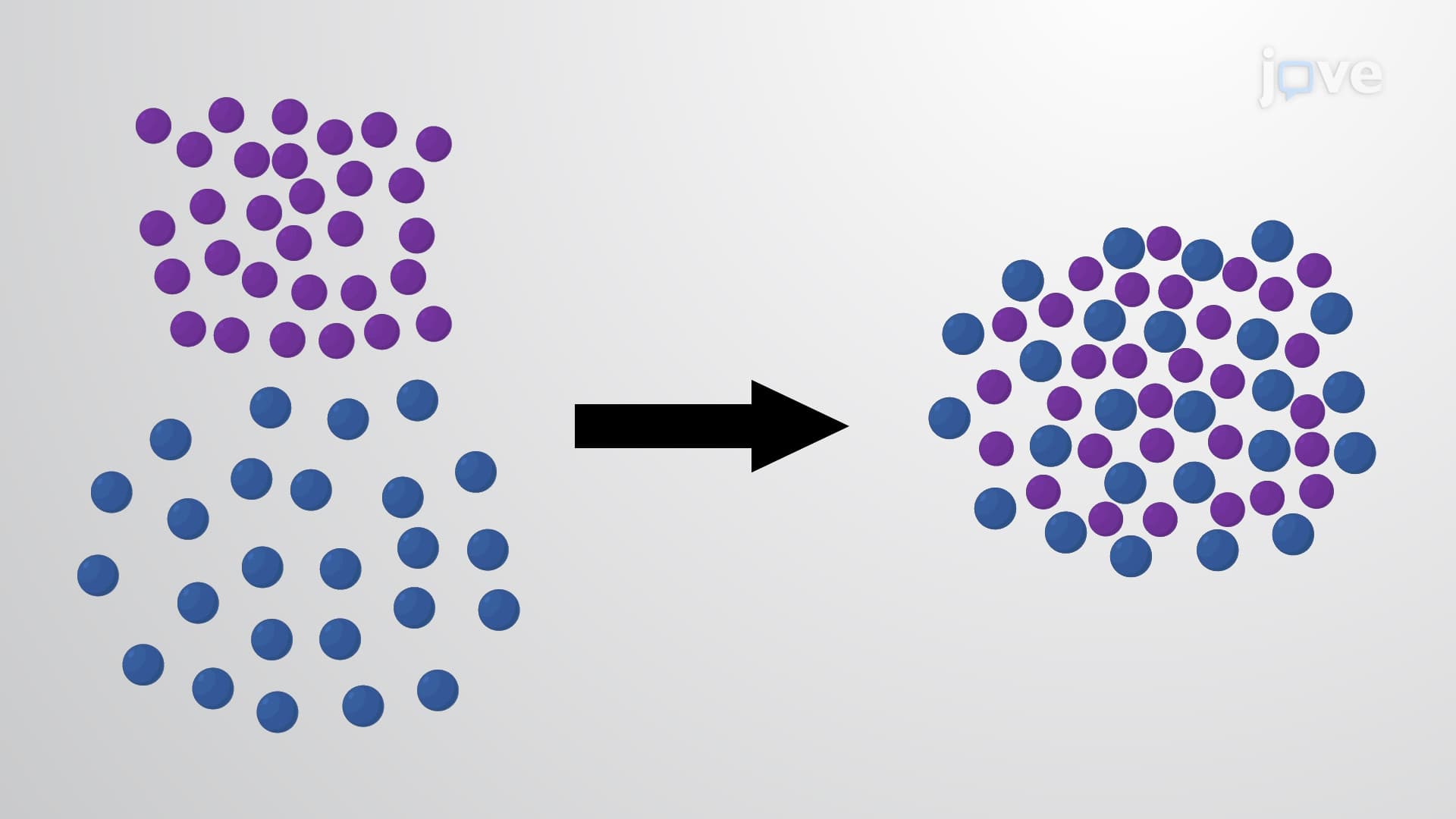
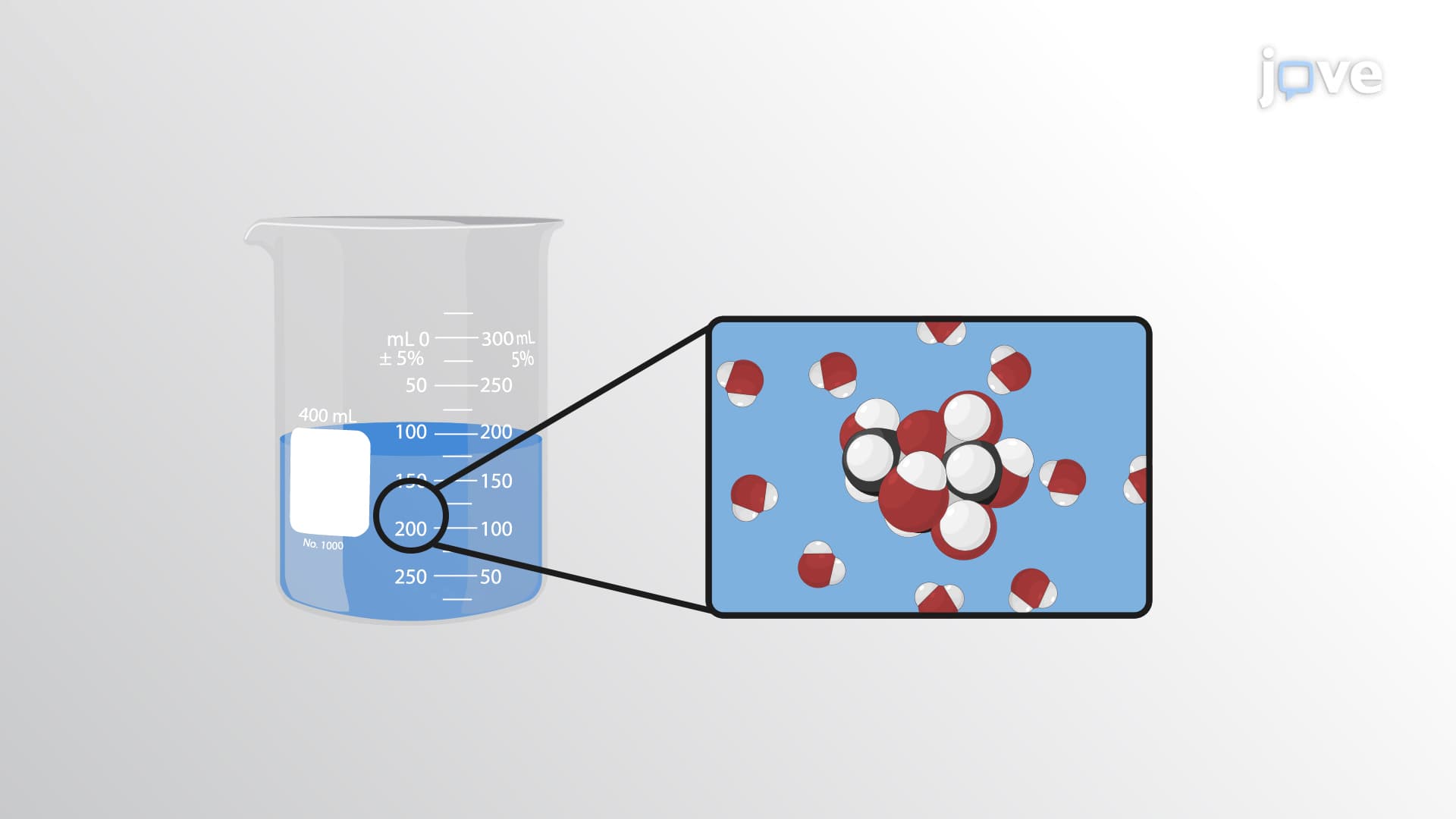
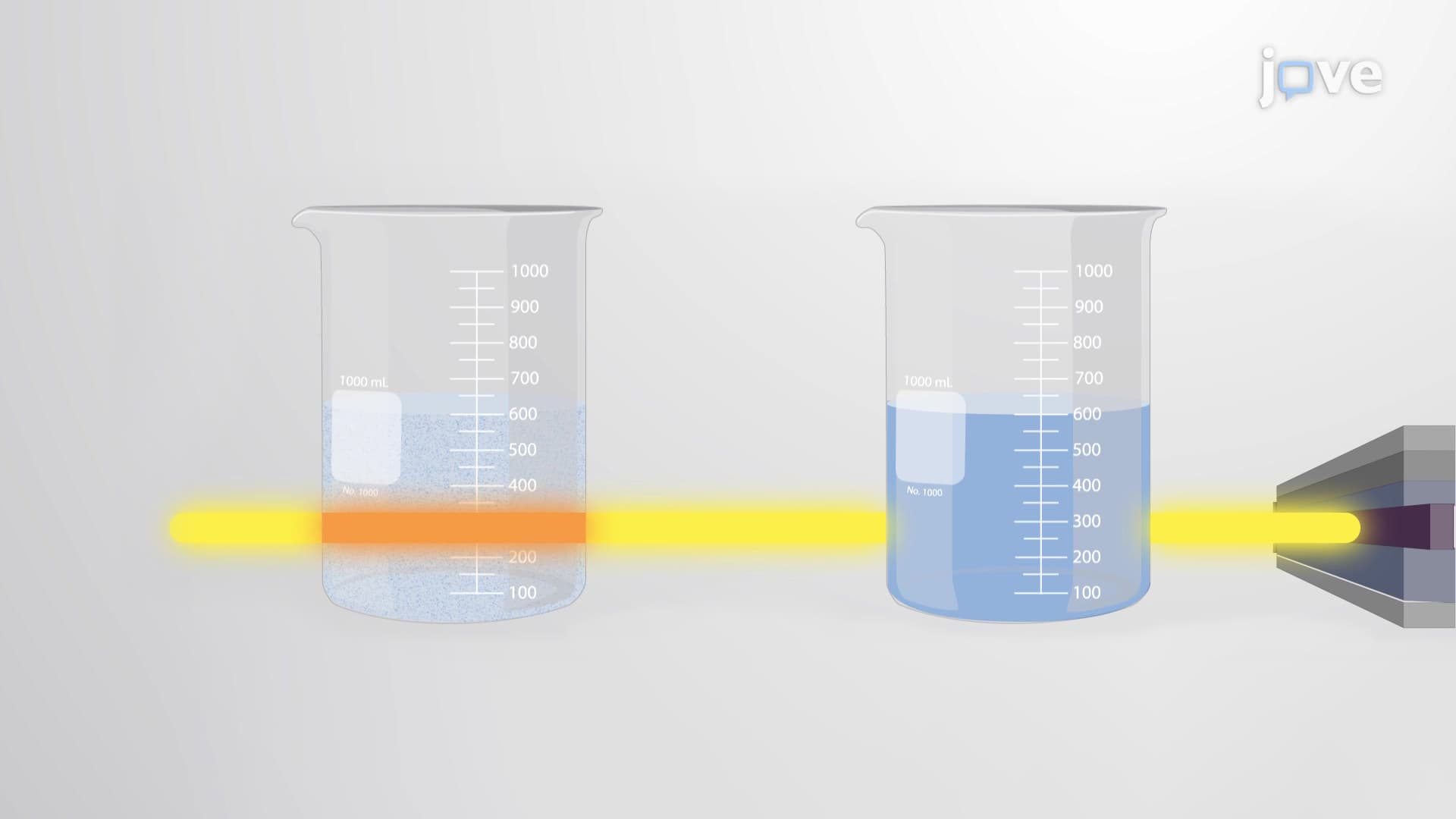
Colligative properties represent some of chemistry's most practical applications, directly impacting daily life from Minnesota ice roads to Colorado mountain cooking. When non-volatile solutes dissolve in solvents, they fundamentally alter the liquid's physical properties by disrupting intermolecular forces and changing vapor pressure dynamics.
Vapor Pressure: The Driving Force Behind Temperature Changes
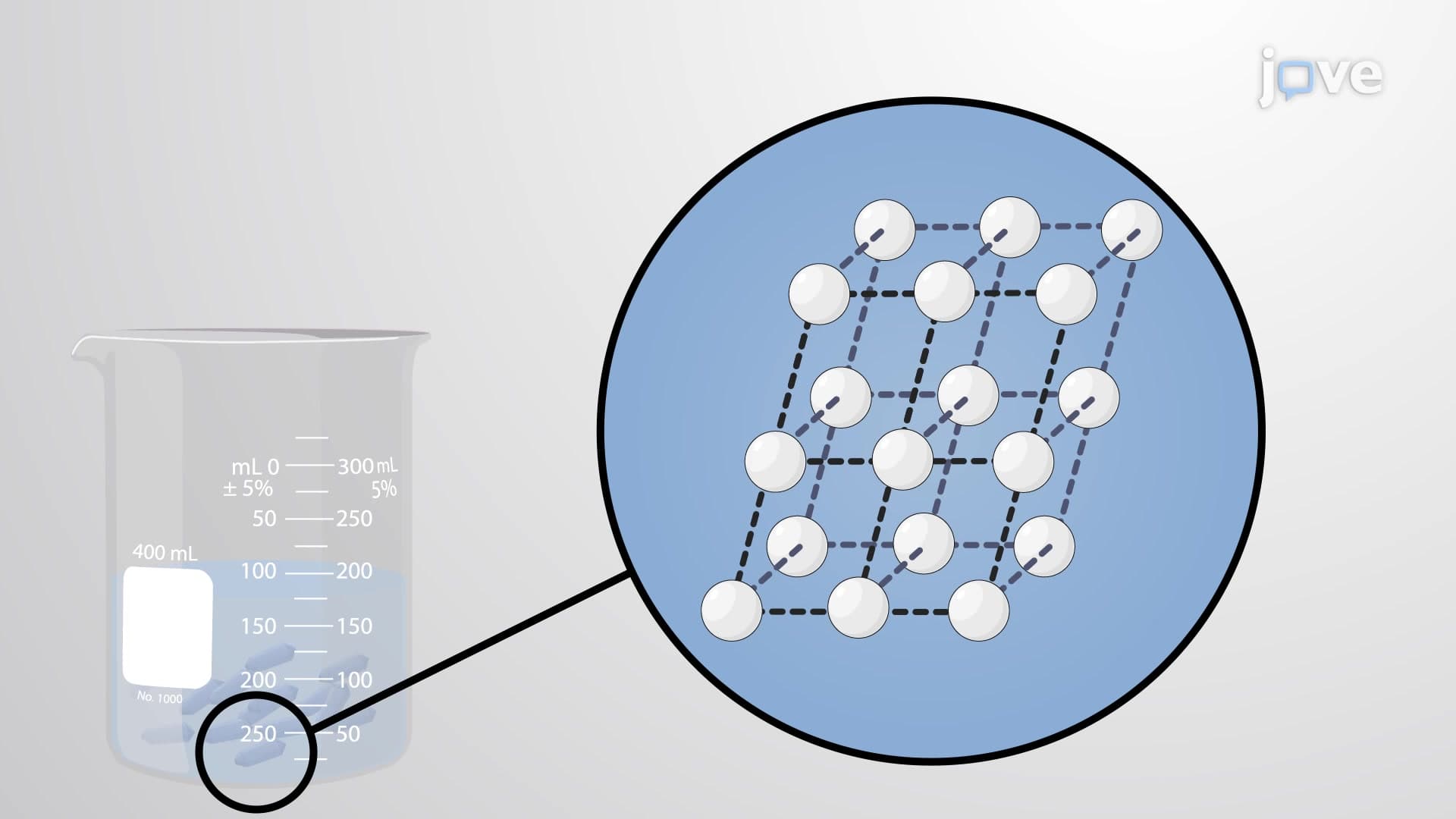
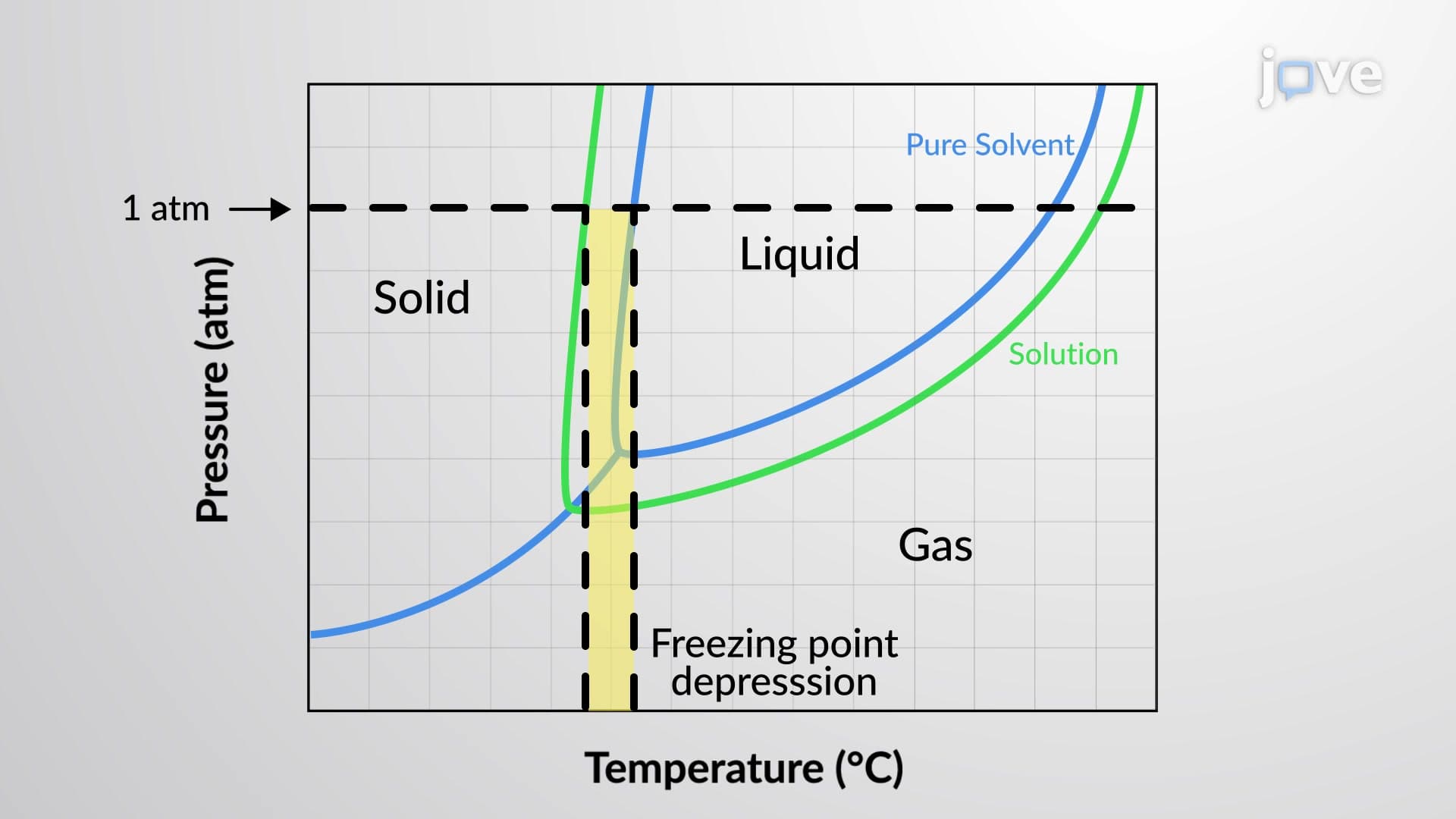
Pure solvents maintain specific vapor pressures at given temperatures, creating equilibrium between liquid and gas phases. Adding non-volatile solutes reduces this vapor pressure by occupying surface area and interfering with solvent molecule escape. This reduction requires temperature adjustments to achieve phase transitions—higher temperatures for boiling, lower temperatures for freezing.
The mathematical relationship follows: ΔTb = Kb × m and ΔTf = Kf × m, where Kb and Kf represent solvent-specific constants, and m indicates molality. For water, Kb equals 0.512°C/m while Kf equals 1.86°C/m, making water calculations straightforward for AP Chemistry and college general chemistry courses.
Real-World Applications Across Industries
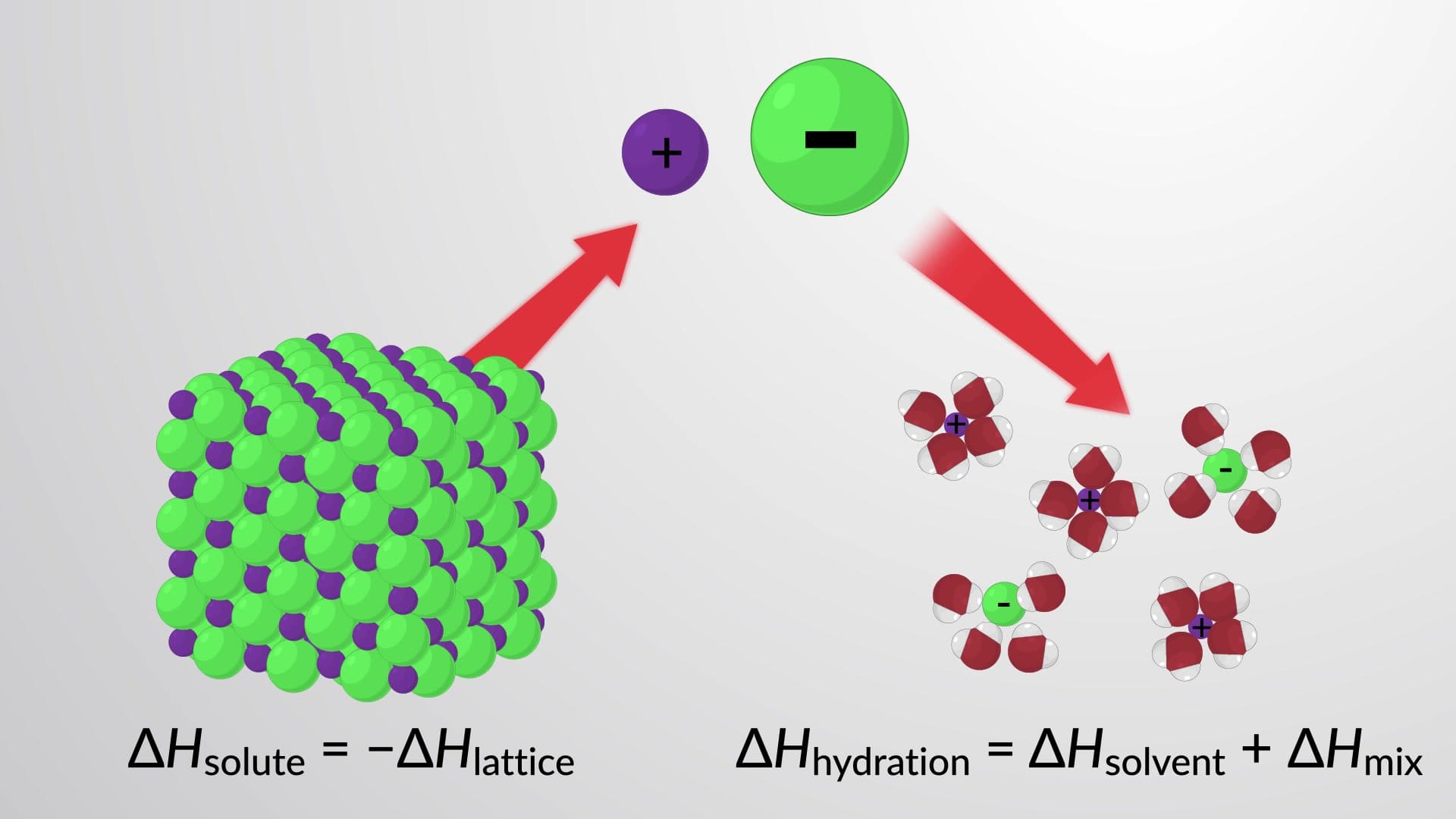
Automotive industries rely heavily on these principles. Ethylene glycol antifreeze prevents radiator freezing by lowering water's freezing point to approximately -37°C in 50/50 mixtures. Similarly, road salt (sodium chloride) creates ionic solutions that depress ice formation, though effectiveness diminishes below -20°C, explaining why Minnesota uses calcium chloride for severe conditions.
Food science leverages boiling point elevation extensively. Denver restaurants adjust cooking times because water boils at lower temperatures (approximately 95°C) due to reduced atmospheric pressure, while adding salt raises boiling points slightly, helping pasta cook more efficiently.
Phase Diagram Analysis and Exam Applications
Phase diagrams illustrate these concepts visually, showing how solution curves shift relative to pure solvents. MCAT questions frequently test these relationships, particularly regarding biological systems where dissolved proteins and electrolytes affect cellular freezing points. College organic chemistry courses emphasize purification applications, where controlled crystallization depends on managing freezing point depression through solvent selection.
Understanding molality versus molarity becomes crucial for accurate calculations. Molality (moles solute/kg solvent) remains temperature-independent, making it ideal for colligative property calculations across temperature ranges—a distinction regularly tested on standardized exams.
Frequently Asked Questions
Freezing point depression and boiling elevation occur when dissolved substances change a liquid's freezing and boiling temperatures. Adding salt to water lowers its freezing point below 0°C and raises its boiling point above 100°C. These changes depend only on the amount of dissolved particles, not their chemical identity.
AP Chemistry frequently tests colligative property calculations using the formula ΔTf = Kf × m. Students must identify molality, apply appropriate constants, and account for ionic dissociation. Practice problems often involve automotive antifreeze, road salt applications, or laboratory crystallization scenarios requiring quantitative analysis.
General Chemistry I and II courses dedicate significant time to colligative properties, typically appearing in solution chemistry units. Physical Chemistry delves deeper into thermodynamic explanations, while Analytical Chemistry applies these principles to purification techniques. Biochemistry courses connect these concepts to biological systems and protein stability.
Healthcare applications include cryopreservation of biological samples, where controlled freezing prevents cellular damage through specific antifreeze solutions. Blood banking relies on glycerol solutions to protect red blood cells during freezing storage. MCAT questions often test understanding of osmotic effects in physiological contexts.
Not at all—basic algebra sufficiently handles most calculations involving ΔT = K × m relationships. Focus on understanding the conceptual foundation first, then practice straightforward substitution problems. Most high school chemistry students successfully master these calculations with consistent practice using familiar examples like road salt and antifreeze.
Create memorable connections: water's Kf (1.86°C/m) is approximately twice Kb (0.512°C/m), making freezing point changes more dramatic than boiling point changes. Practice with real scenarios like calculating antifreeze concentrations for specific climates or determining salt quantities needed for effective ice melting.
These fundamentals support osmotic pressure calculations, vapor pressure lowering in distillation, and solution thermodynamics in physical chemistry. Biochemistry builds on these concepts for membrane transport, protein folding stability, and cellular osmoregulation. Mastering colligative properties creates strong foundations for upper-level coursework.
Chemical engineers design antifreeze formulations and industrial cooling systems. Food scientists optimize preservation techniques and cooking processes. Environmental engineers calculate road treatment effectiveness and pollution impacts. Pharmaceutical researchers develop drug formulations requiring specific crystallization control. Understanding these principles opens diverse STEM career pathways.
Related Micro-courses