Loading subject page…

- Civil Engineering
- Fluid Kinematics
- Introduction to Types of Flows
Micro-course: Fluid Kinematics
8,195 views
Learn key concepts and earn your certificate.


Introduction to Types of Flows


00:00
01:23
Video Summary: What are Types of Flows
Ever wonder why water from your kitchen faucet flows smoothly while a rushing river appears chaotic and turbulent? Understanding streamlines streaklines and pathlines helps explain these fluid behaviors by visualizing how particles move through different flow patterns. From the steady flow in New York City's water distribution system to the complex three-dimensional air currents around Chicago's Willis Tower, what are types of flows becomes crucial for engineering applications. Watch the full video on JoVE Coach to master this concept with expert-led visuals and step-by-step explanations.
- Understand what are types of flows by distinguishing between one-dimensional, two-dimensional, and three-dimensional flow patterns based on directional variations
- Identify the fundamental differences between steady and unsteady flows using real-world examples like municipal water systems versus stormwater runoff
- Analyze laminar versus turbulent flow characteristics and predict which type occurs under specific velocity and pipe conditions
- Compare flow dimensionality concepts and apply them to engineering scenarios such as pipe networks, open channels, and atmospheric circulation
- Evaluate fluid property variations over time to classify flows as steady or unsteady in practical applications
- Apply flow classification principles to solve problems involving water distribution systems, HVAC design, and environmental engineering
- Recognize the relationship between flow velocity, pipe geometry, and the transition from laminar to turbulent regimes
- Explore how streamlines streaklines and pathlines visualization techniques help engineers design efficient fluid systems
Understanding What are Types of Flows: Dimensional Classification
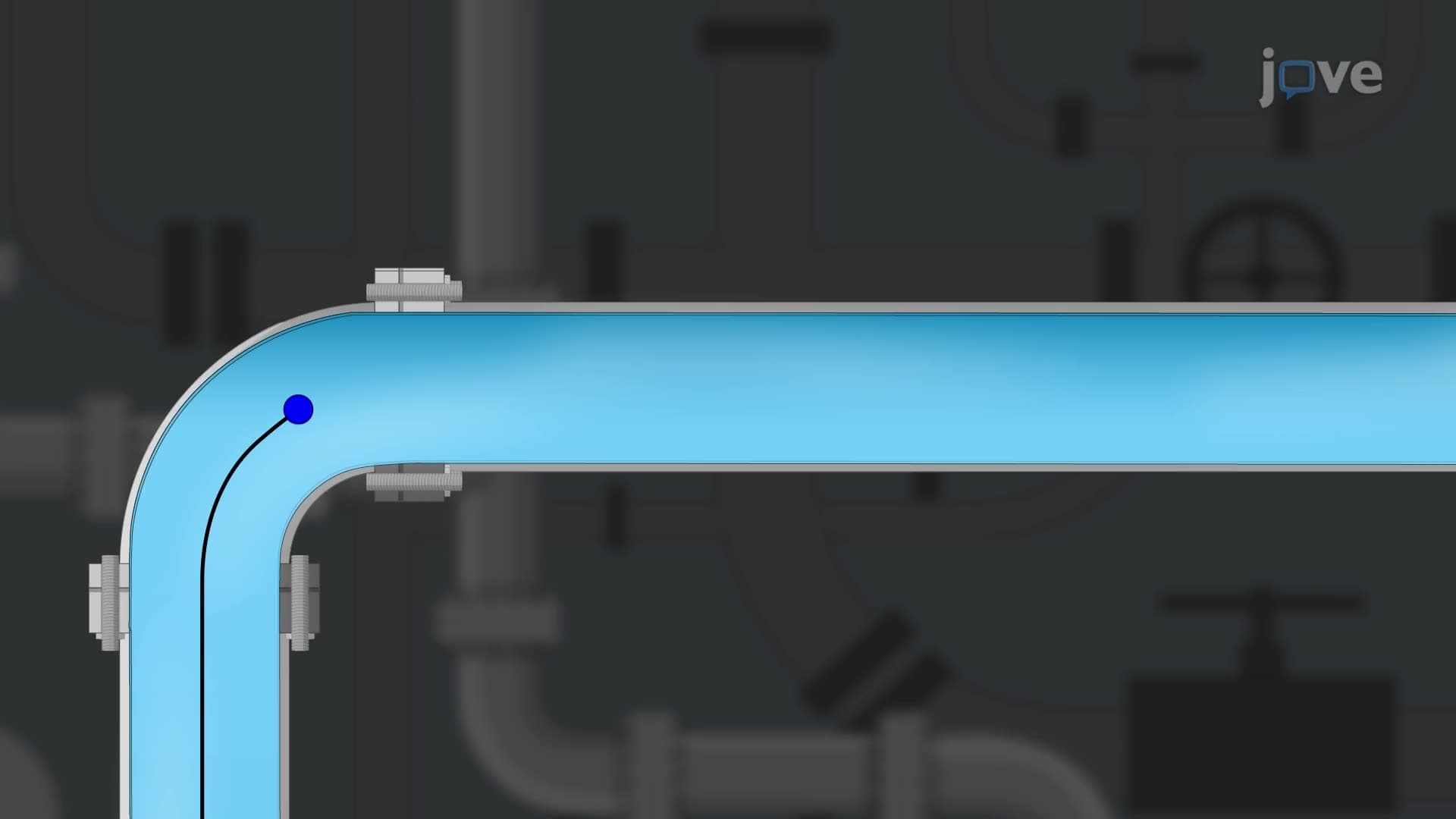
Flow classification begins with understanding how fluid properties vary spatially. One-dimensional flow occurs when velocity, pressure, and other properties change along only one coordinate direction. This simplification applies to flow through straight pipes in residential plumbing systems, where engineers assume uniform conditions across pipe cross-sections. The assumption proves invaluable for calculating pressure drops in the Trans-Alaska Pipeline System, where flow analysis focuses primarily on the axial direction.
Two-dimensional flow involves property variations in two coordinate directions, commonly seen in open channel flows like the Colorado River through the Grand Canyon. Here, velocity profiles vary both along the flow direction and with depth, requiring more complex analysis for flood control and hydroelectric dam design. Environmental engineers at the U.S. Army Corps of Engineers regularly analyze two-dimensional flows when designing spillways and navigation channels.
Three-dimensional flow represents the most complex scenario, where properties vary in all spatial directions. Wind patterns around the Empire State Building exemplify this complexity, as architects must account for pressure variations, velocity changes, and turbulent eddies in all three dimensions during skyscraper design.
Temporal Flow Classification: Steady vs. Unsteady
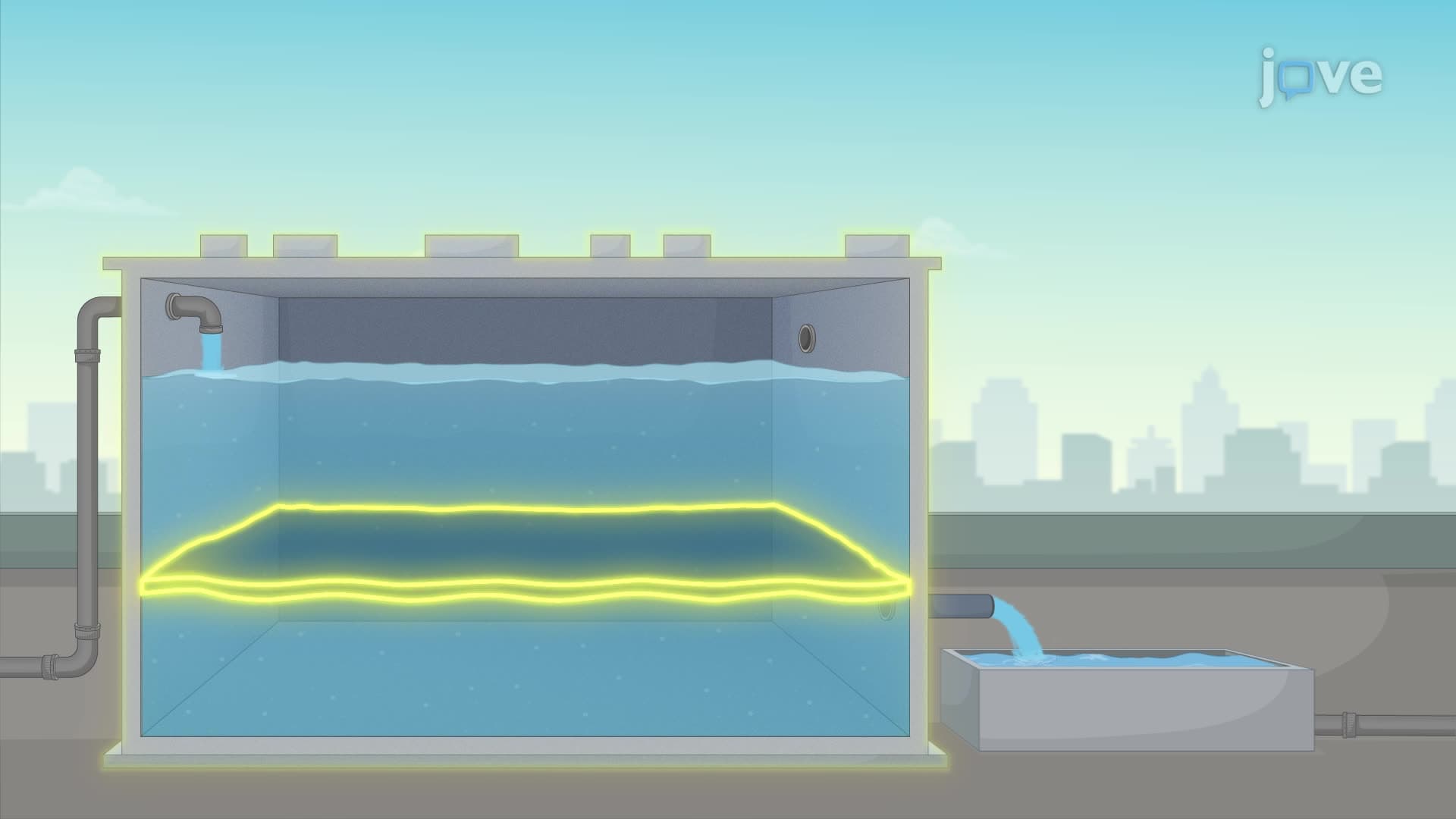
Steady flow maintains constant fluid properties at fixed points over time, though properties may vary spatially. Municipal water distribution systems in cities like Boston typically operate under steady-flow conditions during normal demand periods, allowing engineers to design pipe networks using simplified steady-flow equations taught in AP Physics and college fluid mechanics courses.
Unsteady flow exhibits time-dependent property changes at fixed locations. Hurricane storm surge along the Gulf Coast demonstrates unsteady flow, where water levels and velocities change rapidly over time. Civil engineers designing flood protection systems must analyze these unsteady conditions using advanced computational methods.
Flow Behavior: Laminar vs. Turbulent Patterns
Laminar flow features smooth, ordered fluid motion with parallel streamlines. This occurs in small-diameter pipes at low velocities, such as intravenous fluid delivery systems in hospitals. The streamlines streaklines and pathlines concept becomes particularly important here, as these visualization tools help medical device engineers optimize catheter designs and drug delivery systems.
Turbulent flow involves chaotic, irregular motion with significant mixing. Most practical applications involve turbulent flow, from jet engines designed by Boeing to cooling systems in nuclear power plants operated by companies like Exelon Corporation. Understanding turbulent flow patterns proves essential for MCAT preparation and advanced engineering coursework, where students must predict heat transfer and pressure losses in complex systems.
Frequently Asked Questions
Types of flows classify fluid motion based on spatial dimensions (1D, 2D, 3D), time dependence (steady/unsteady), and behavior patterns (laminar/turbulent). Streamlines streaklines and pathlines provide visualization methods to understand these different flow types, helping engineers analyze how fluid particles move through various systems from water pipes to aircraft wings.
Streamlines streaklines and pathlines definition describes three distinct visualization techniques used across all flow types. Streamlines show instantaneous flow direction, streaklines track particle paths from fixed points, and pathlines follow individual particle trajectories, each providing unique insights into laminar versus turbulent flow patterns.
MCAT fluid dynamics questions often test steady versus unsteady flow concepts in biological systems like blood circulation. AP Physics exams focus on laminar flow calculations through pipes and understanding dimensional flow analysis, requiring students to apply Bernoulli's equation and continuity principles to different flow classifications.
MCAT passages frequently link flow types to cardiovascular physiology, respiratory mechanics, and kidney function. Understanding laminar blood flow in capillaries versus turbulent flow in diseased arteries helps answer questions about blood pressure, cardiac output, and vascular resistance that commonly appear on the exam.
Fluid mechanics courses in mechanical and civil engineering programs expand flow classification into advanced topics like compressible flow, non-Newtonian fluids, and computational fluid dynamics. Students apply these fundamentals to design projects involving HVAC systems, water treatment plants, and aerospace applications throughout their academic careers.
One-dimensional flow governs natural gas distribution through interstate pipelines, two-dimensional flow affects river navigation on the Mississippi River system, and three-dimensional flow influences air quality around urban areas like Los Angeles, demonstrating how flow classification impacts public utilities, transportation, and environmental management.
Flow type concepts build naturally from basic physics principles taught in introductory courses. Starting with simple pipe flow examples and progressing to more complex scenarios helps students develop intuition for fluid behavior without requiring advanced mathematics, making these concepts accessible to students in Grades 9-12.
Create visual diagrams comparing laminar versus turbulent flow patterns, practice identifying flow dimensionality in real-world examples, and work through quantitative problems involving Reynolds number calculations. Focus on understanding when each flow type occurs rather than memorizing definitions, as exams typically test application skills.
Students ready for deeper exploration should investigate compressible flow effects in gas turbines, non-Newtonian fluid behavior in food processing, and computational fluid dynamics applications in automotive design, providing pathways toward advanced engineering specializations and research opportunities.
Related Micro-courses

9 Concepts

10 Concepts
