Loading subject page…
- Civil Engineering
- Fluid Kinematics
- Velocity and Acceleration in Steady and Unsteady Flow
Micro-course: Fluid Kinematics
8,195 views
Learn key concepts and earn your certificate.




Velocity and Acceleration in Steady and Unsteady Flow

00:00
01:11
Video Summary: What Is Velocity and Acceleration
Ever wonder why NASA engineers spend years calculating spacecraft trajectories? The reynolds transport theorem provides the mathematical foundation for understanding how fluid properties like velocity change over time and space. This fundamental principle explains why a Boeing 737's wing generates lift and how engineers at SpaceX design rocket engines. What is velocity and acceleration becomes clear when we examine fluid particles moving through complex flow patterns, from the Mississippi River to jet engines. Watch the full video on JoVE Coach to master this concept with expert-led visuals and step-by-step explanations.
- Understand what is velocity and acceleration in fluid mechanics and their mathematical relationship through differentiation
- Identify the components of acceleration in three perpendicular directions for comprehensive flow analysis
- Analyze the difference between steady and unsteady flow conditions and their impact on acceleration calculations
- Recognize how local derivatives equal zero in steady flow while spatial effects dominate
- Apply the reynolds transport theorem definition to solve real-world fluid dynamics problems
- Evaluate how velocity variations over time affect particle motion in engineering applications
- Compare local and convective acceleration effects in different flow scenarios
- Explore the mathematical foundations connecting velocity fields to acceleration expressions
Understanding What is Velocity and Acceleration in Fluid Systems
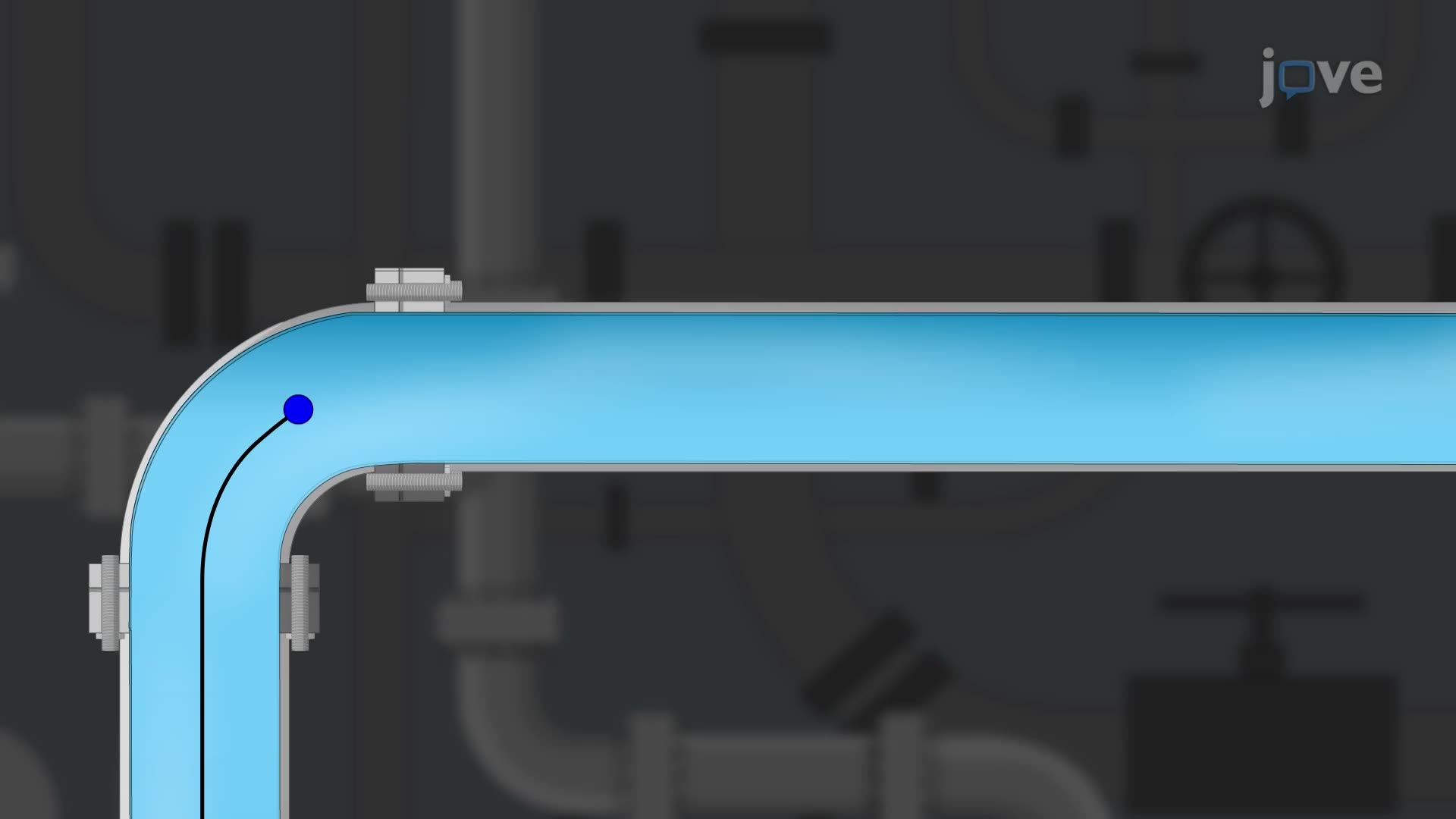
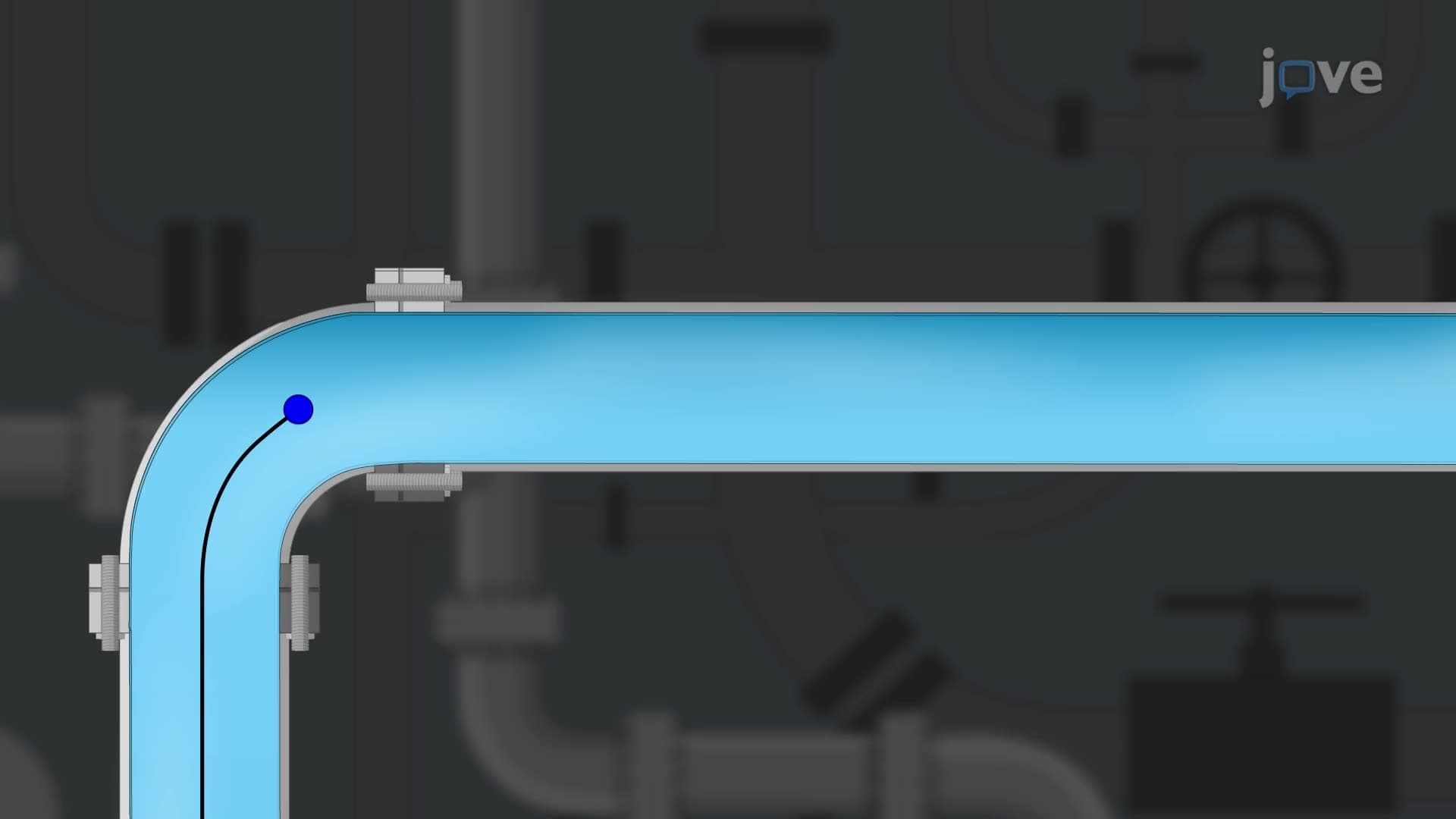
What is velocity and acceleration forms the cornerstone of fluid mechanics, where these concepts extend beyond simple particle motion to complex flow fields. In fluid dynamics, velocity represents a vector field function of both position and time, while acceleration describes how this velocity field changes. This relationship becomes crucial when applying the reynolds transport theorem to analyze fluid behavior in engineering systems.
Mathematical Framework and Derivatives
The acceleration of fluid particles emerges from differentiating velocity with respect to time, but this process involves both temporal and spatial considerations. The reynolds transport theorem definition helps engineers understand that total acceleration includes local acceleration (∂V/∂t) and convective acceleration terms. In steady flow conditions, local derivatives vanish (∂V/∂t = 0), simplifying calculations significantly. However, unsteady flows-like those in car engines during startup-require full consideration of time-dependent effects.
Steady vs. Unsteady Flow Applications
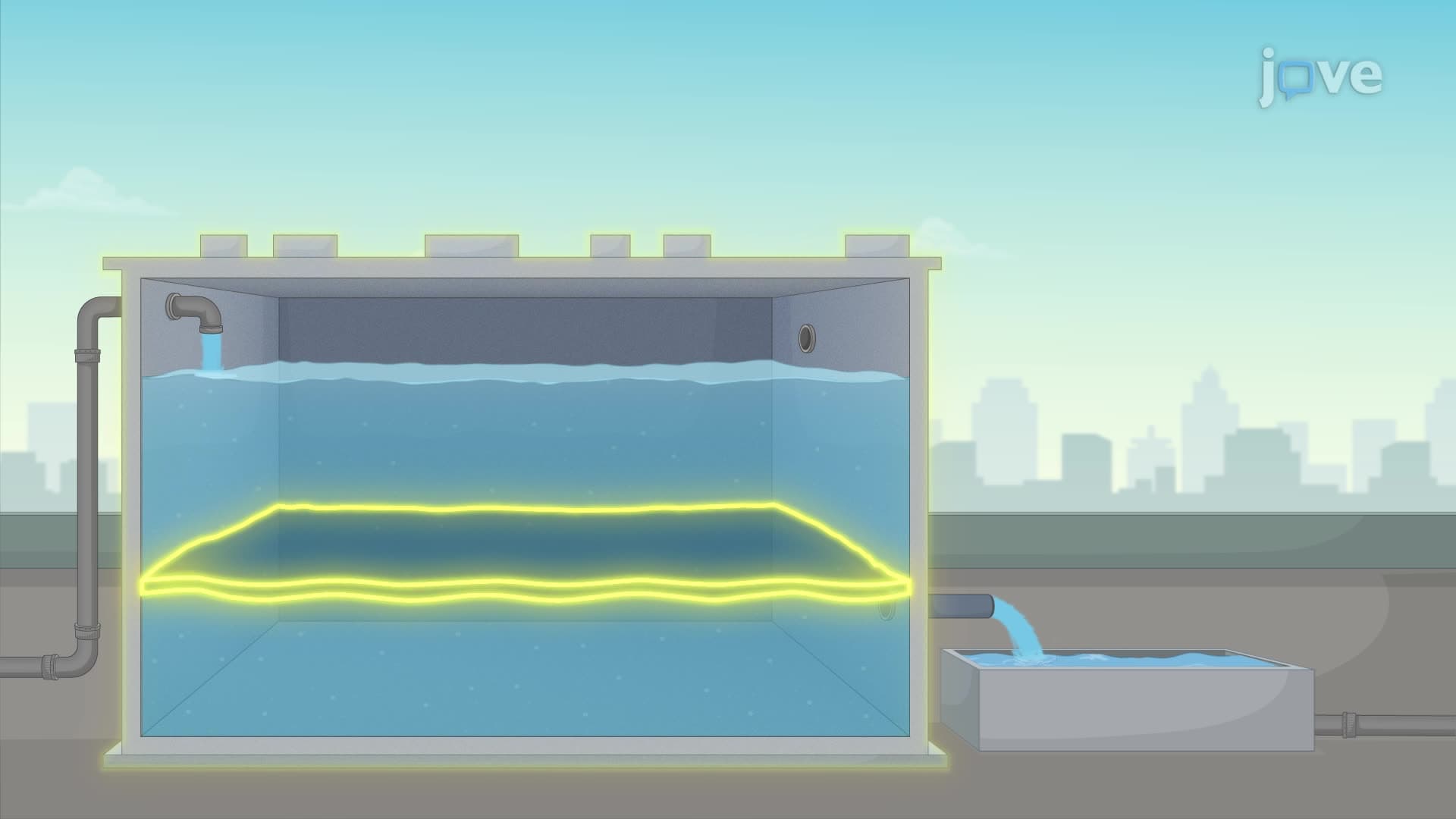
American engineering applications demonstrate these principles daily. Consider water flowing through the Colorado River system: during steady summer conditions, local acceleration terms disappear, and engineers focus on spatial velocity variations. Conversely, when Hoover Dam releases water rapidly, unsteady effects dominate, requiring complex reynolds transport theorem calculations. Students preparing for AP Physics or college fluid mechanics exams must master these distinctions, as they frequently appear in problem sets involving pipe networks and atmospheric flows.
Three-Dimensional Acceleration Components
Real engineering systems require three-dimensional analysis. When Boeing designs aircraft wings, engineers decompose acceleration into x, y, and z components, each representing how velocity changes in perpendicular directions. This reynolds transport theorem overview approach enables precise predictions of lift generation and drag forces. Students encountering these concepts in SAT Subject Tests or MCAT physics sections should remember that acceleration components work independently while contributing to overall particle motion.
The reynolds transport theorem basics connect microscopic particle behavior to macroscopic system performance, making this concept essential for aspiring engineers and scientists studying at institutions like MIT, Stanford, or Georgia Tech.
Frequently Asked Questions
Velocity in fluid mechanics is a vector field describing fluid motion at every point in space and time. Acceleration represents how this velocity field changes, calculated by differentiating velocity with respect to time and including both local (temporal) and convective (spatial) effects.
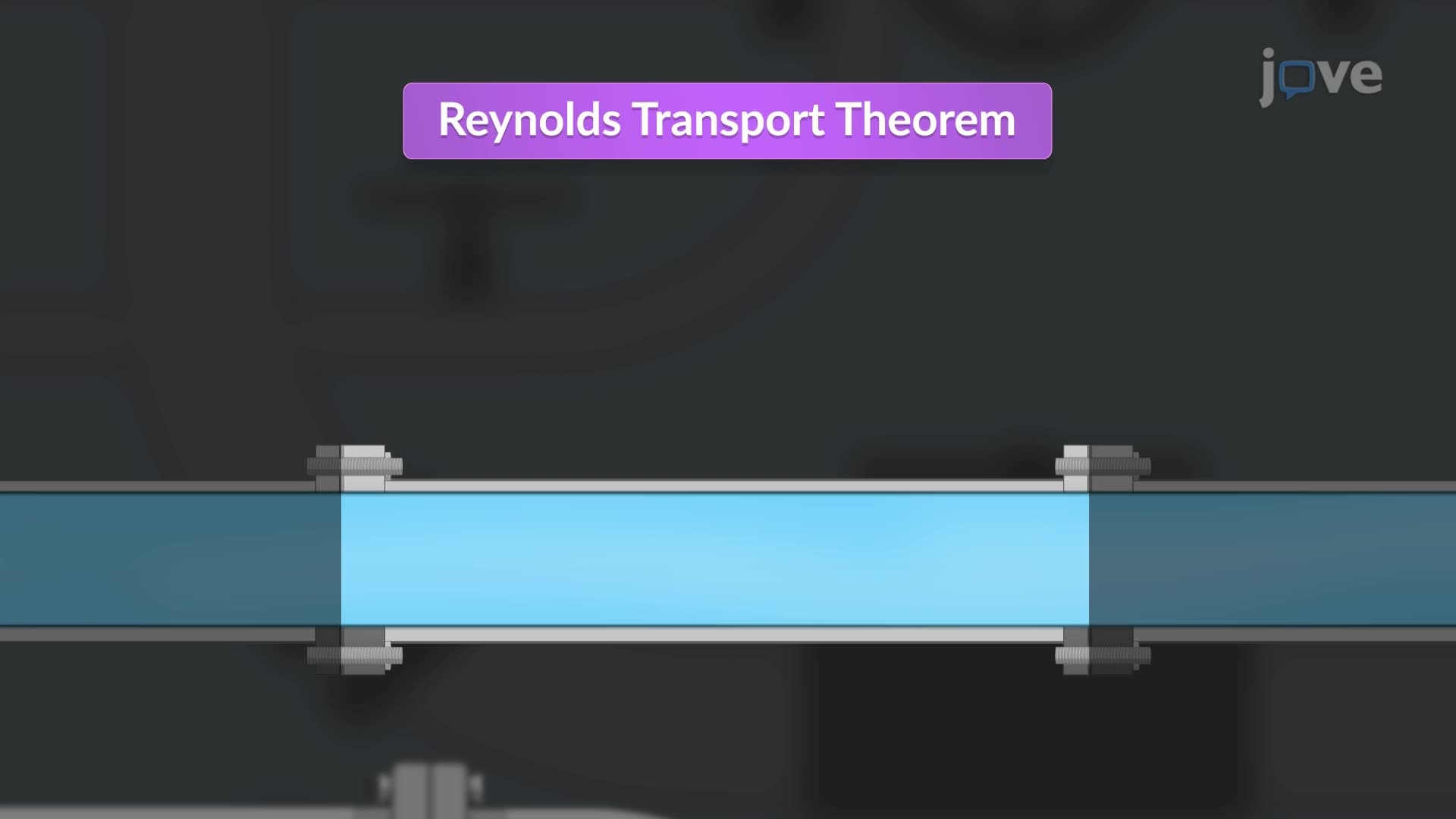
The reynolds transport theorem provides the mathematical framework for analyzing how fluid properties change for moving control volumes. It directly incorporates velocity and acceleration terms to describe how extensive properties like momentum and energy vary in flowing systems.
MCAT physics typically includes steady flow problems in biological systems, such as blood flow through arteries or air flow in lungs. Students should expect calculations involving pressure-velocity relationships and simple acceleration scenarios in physiological contexts.
AP Physics focuses on fundamental acceleration concepts using the equation a = dV/dt, often in one-dimensional scenarios. Students work with constant acceleration problems before progressing to variable acceleration in flowing fluids during college coursework.
Weather forecasting by the National Weather Service relies on velocity and acceleration calculations to predict storm movements. Similarly, NASA uses these principles for spacecraft trajectory planning and automotive engineers apply them in designing fuel injection systems.
Basic calculus knowledge of derivatives suffices for introductory concepts. Students comfortable with differentiation and partial derivatives can successfully tackle most undergraduate fluid mechanics problems involving velocity and acceleration relationships.
Focus on visualizing fluid particle paths while practicing derivative calculations. Work through problems progressively from simple steady flows to complex unsteady scenarios, and always sketch velocity vectors to understand directional changes.
Students should progress to studying vorticity, circulation, and the Navier-Stokes equations. These advanced topics build directly on velocity and acceleration foundations while introducing rotational flow effects and viscous forces.
Related Micro-courses

9 Concepts

10 Concepts
