Loading subject page…

- Civil Engineering
- Fluid Properties
- Characteristics of Fluids
Micro-course: Fluid Properties
7,124 views
Learn key concepts and earn your certificate.






Characteristics of Fluids

00:00
01:31
Video Summary: What are Characteristics of Fluids
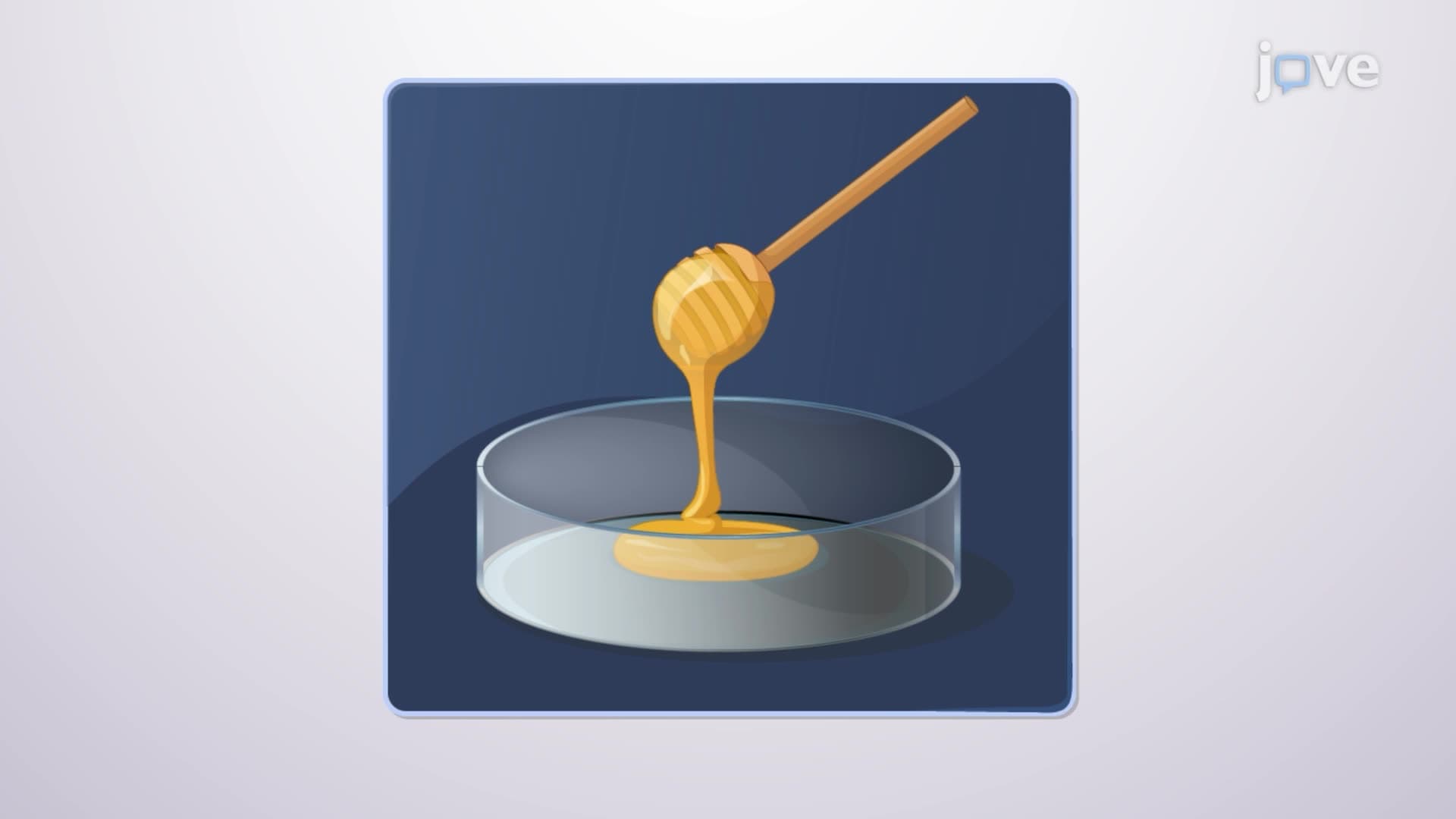
Ever wondered why honey pours slowly while water flows instantly, yet both behave so differently from ice? The characteristics of fluids explain this fascinating behavior through molecular structure and stress response. Unlike solids with tightly packed molecules, fluids-including both liquids and gases-deform continuously under shearing stress, allowing substances like crude oil in Texas refineries to flow through pipelines efficiently. Watch the full video on JoVE Coach to master this concept with expert-led visuals and step-by-step explanations.
- Understand what are characteristics of fluids by examining molecular structure differences between fluids and solids
- Identify key properties that distinguish liquids from gases in fluid behavior
- Compare how intermolecular forces affect fluid flow in different substances
- Analyze continuous deformation under shearing stress as a defining fluid characteristic
- Evaluate real-world examples of fluid behavior in everyday applications
- Apply fluid characteristics concepts to predict substance behavior under various conditions
- Recognize the relationship between molecular spacing and compressibility in fluids
- Explore macroscopic fluid properties through molecular-level understanding
Understanding What are Characteristics of Fluids
The characteristics of fluids represent fundamental properties that distinguish these substances from solids and define their unique behaviors. At the molecular level, fluids exhibit weaker intermolecular forces and greater molecular mobility compared to solids, enabling their signature ability to flow and conform to container shapes. This molecular freedom creates the defining characteristic: continuous deformation under applied shearing stress.
Molecular Structure and Intermolecular Forces
The types of characteristics of fluids stem from their molecular organization. In liquids like water or automotive engine oil, molecules maintain relatively close proximity but possess enough kinetic energy to overcome rigid structural bonds. This balance creates moderate compressibility and excellent flowability. Gases, including atmospheric air and natural gas used in US power plants, exhibit even greater molecular separation with minimal intermolecular attraction, resulting in high compressibility and the ability to expand indefinitely.
Flow Behavior and Stress Response
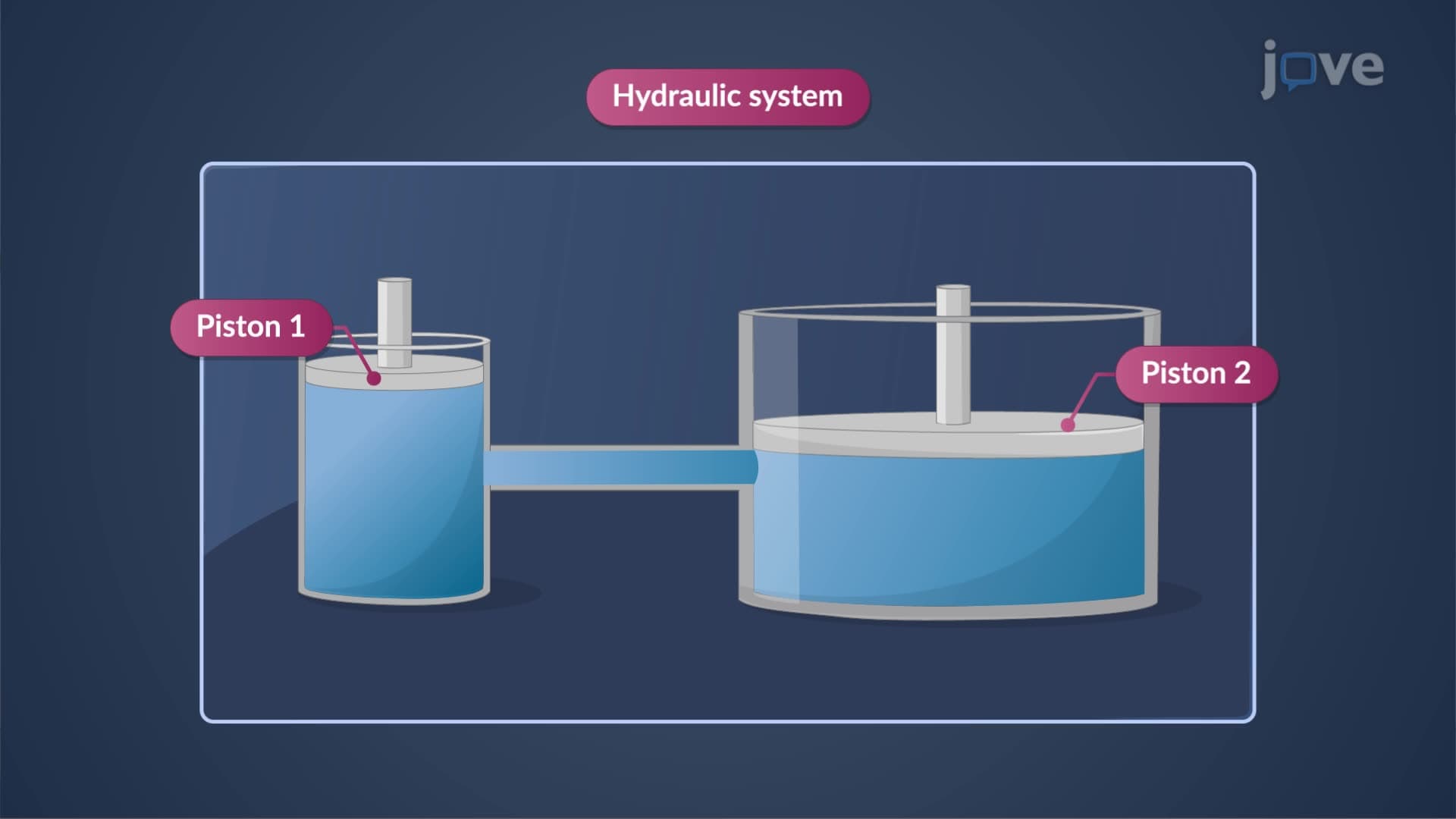
A critical aspect of the characteristics of fluids overview involves understanding how these substances respond to applied forces. Unlike solids that resist deformation through elastic properties, fluids continuously deform when subjected to shearing stress-no matter how small. This principle explains why Mississippi River water flows around bridge pylons and why compressed air in pneumatic tools can transmit power efficiently. The continuous deformation characteristic makes fluids invaluable in hydraulic systems, from automotive brakes to industrial machinery.
Practical Applications and Academic Relevance
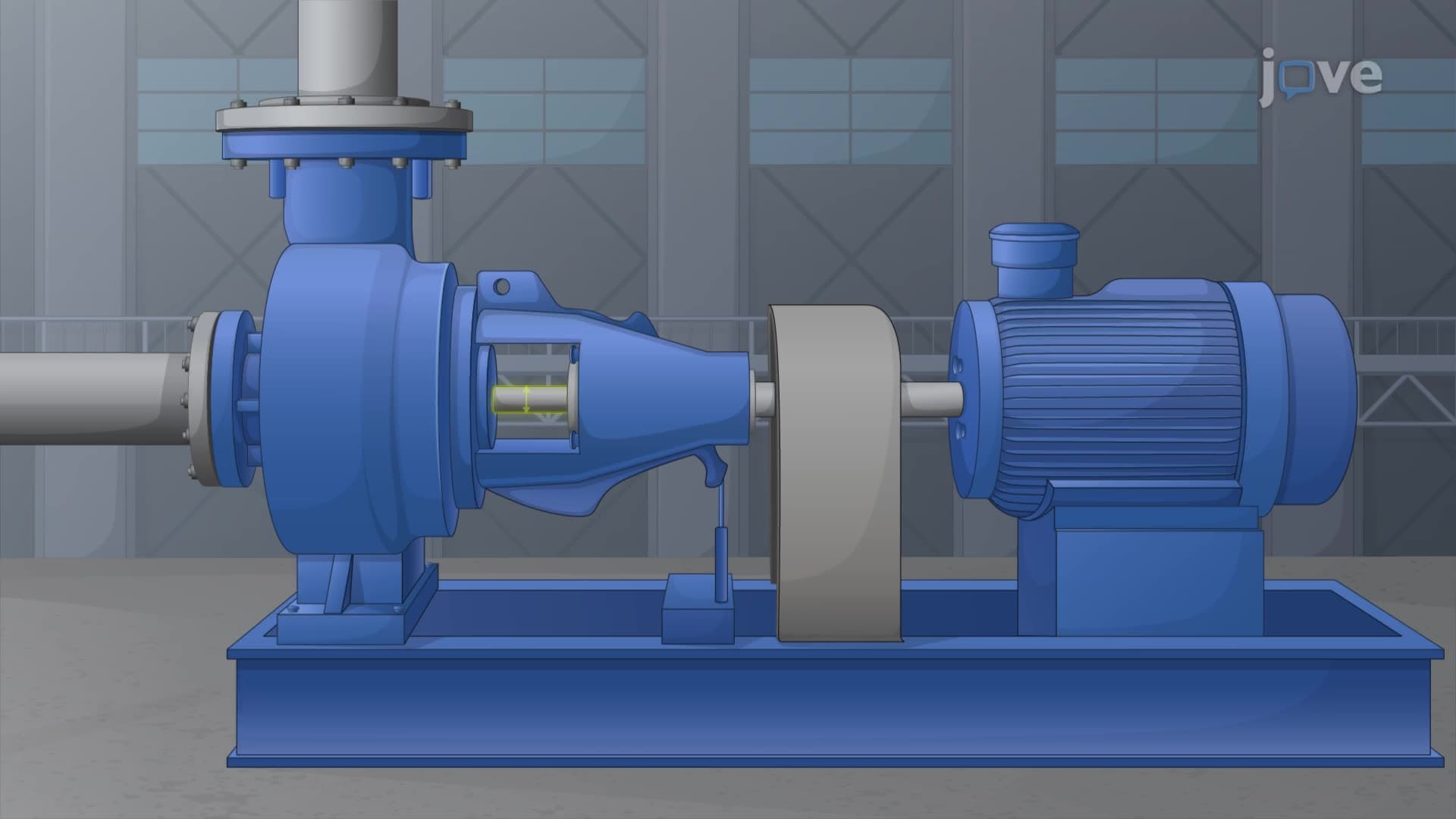
Understanding fluid characteristics proves essential for AP Physics students tackling fluid mechanics problems and college engineering majors studying fluid dynamics. In standardized tests like the MCAT, questions often explore how molecular behavior relates to macroscopic fluid properties. Real-world applications include designing efficient pipeline systems for Alaska's oil transport, optimizing aircraft wing shapes for reduced air resistance, and developing pharmaceutical liquid medications with specific viscosity requirements. These concepts also appear frequently in college chemistry and physics courses, where students analyze phase transitions and thermodynamic properties.
Frequently Asked Questions
Characteristics of fluids include continuous deformation under shearing stress, weaker intermolecular forces, and molecular mobility that allows flow and shape conformity. Unlike solids with rigid molecular structures, fluids (liquids and gases) can move and adapt to container shapes while maintaining volume (liquids) or expanding to fill available space (gases).
MCAT and AP Physics exams frequently test fluid characteristics through pressure, flow rate, and density problems. Students encounter questions about Bernoulli's principle, Pascal's law, and fluid statics. Practice problems often involve calculating pressures in hydraulic systems, analyzing blood flow in arteries, or determining buoyant forces on submerged objects.
College physics midterms typically include problems combining fluid characteristics with mathematical applications. Expect questions about viscosity calculations, laminar versus turbulent flow, and fluid behavior under temperature changes. Students often solve problems involving pipes, pumps, and atmospheric pressure effects on fluid systems.
Fluid characteristics govern countless daily applications, from water flowing through municipal systems in cities like Chicago to natural gas distribution networks across Texas. These principles explain how hydraulic car lifts work in auto shops, why airplane wings generate lift during flights, and how blood pressure medications affect circulation in the human cardiovascular system.
Basic fluid characteristics require only algebra and geometry concepts typically covered in high school. While advanced fluid dynamics involves calculus, understanding fundamental properties like density, pressure, and flow relies on simple mathematical relationships. Students with solid arithmetic and basic physics background can successfully grasp these concepts.
Focus on connecting molecular behavior to macroscopic properties through visual diagrams and real-world examples. Practice problems involving pressure calculations, density comparisons, and flow scenarios. Create concept maps linking intermolecular forces to observable fluid behaviors, and work through practice questions from AP Physics or college textbooks regularly.
After mastering basic fluid characteristics, explore Bernoulli's equation applications, fluid dynamics in pipe systems, and viscosity effects on flow patterns. Advanced topics include computational fluid dynamics used in aerospace engineering, biofluid mechanics relevant for pre-med students, and industrial fluid processing systems for engineering majors.
Related Micro-courses