Loading subject page…

- Civil Engineering
- Fluid Properties
- Capillarity in Fluid
Micro-course: Fluid Properties
7,124 views
Learn key concepts and earn your certificate.


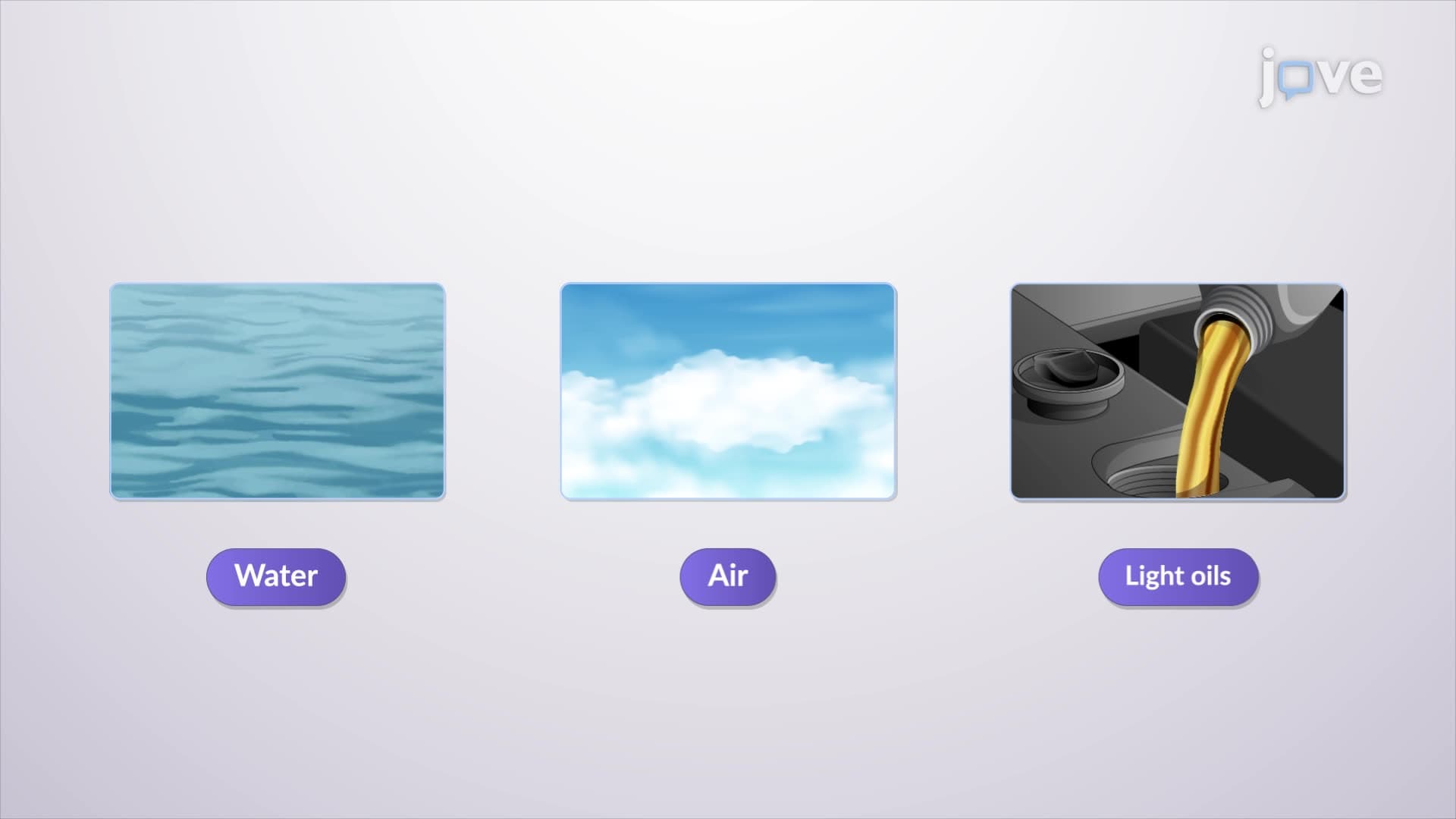
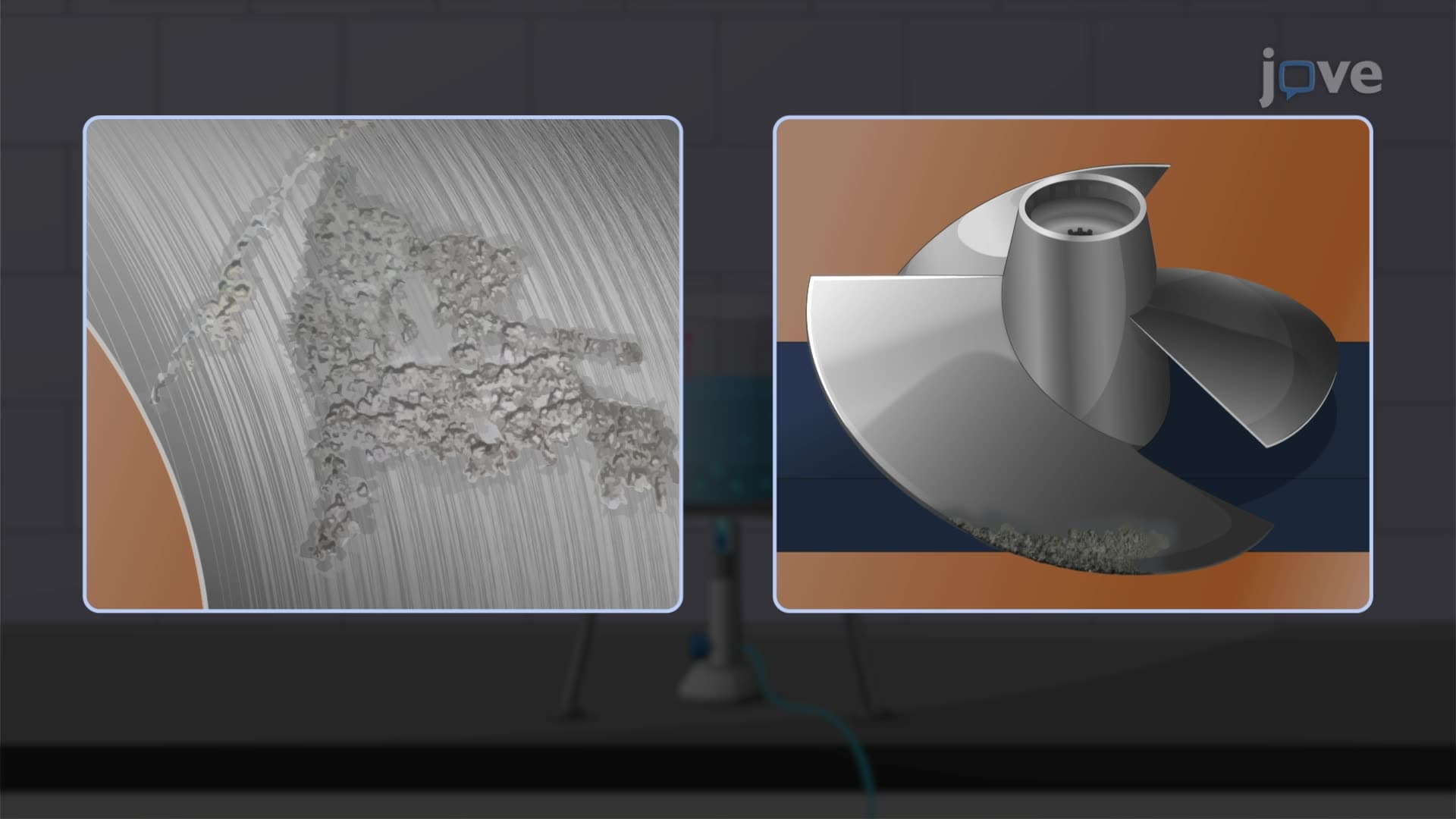
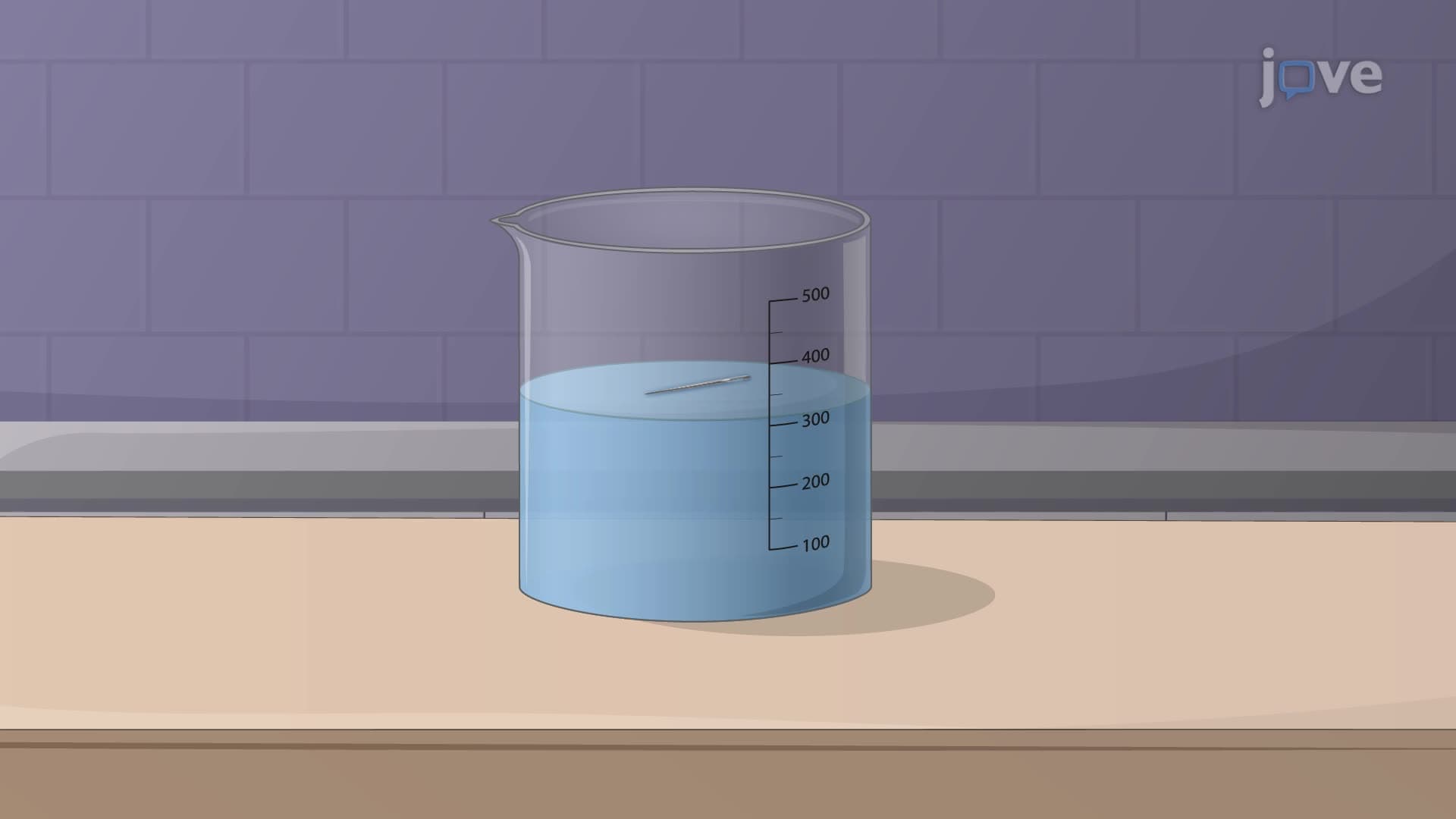
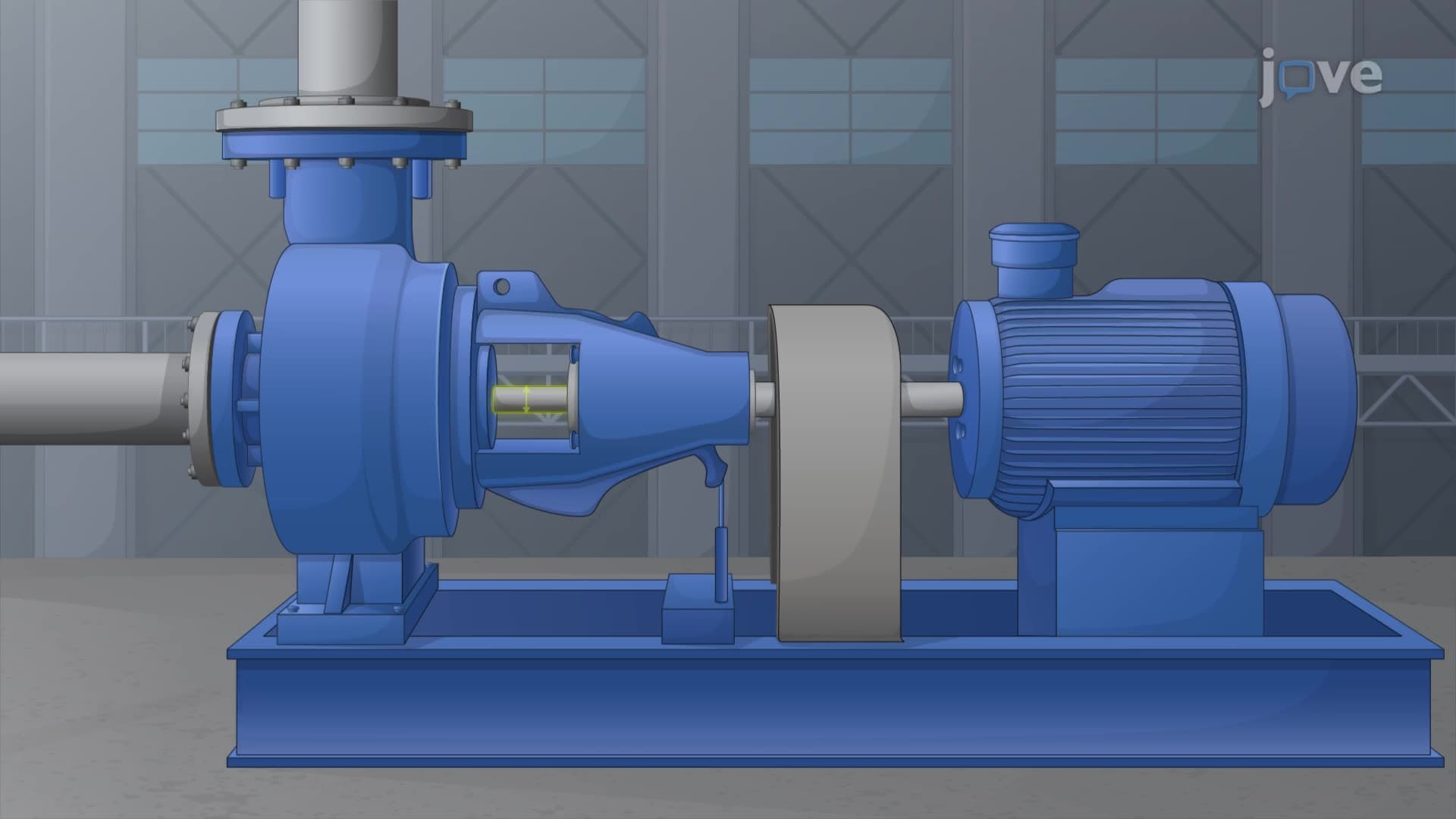
Capillarity in Fluid
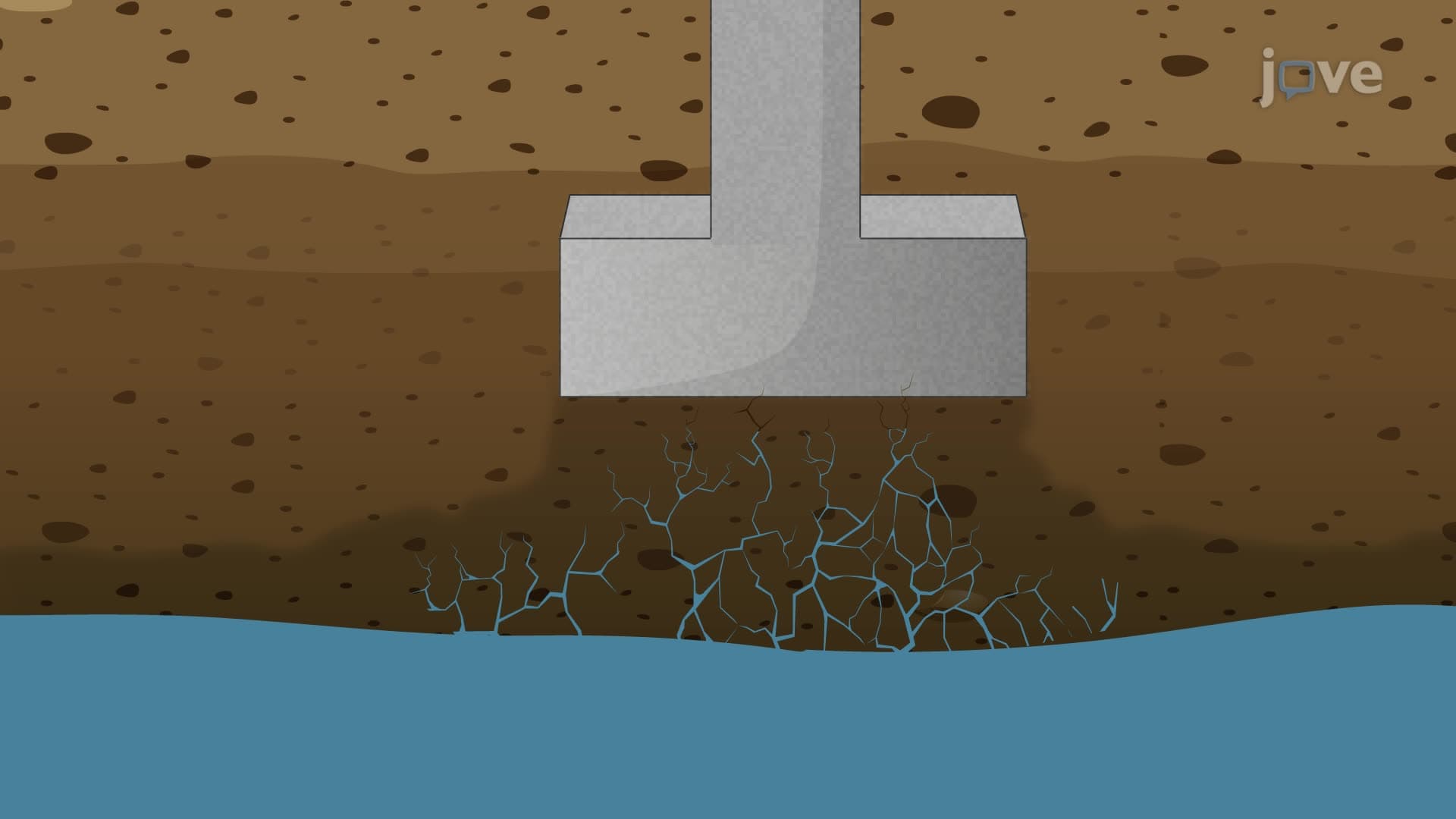

00:00
01:19
Video Summary: What Is Capillarity in Fluid
Ever wonder why water climbs up paper towels or how redwood trees transport water 300 feet to their highest branches? Capillarity in fluid describes this fascinating phenomenon where liquids move through narrow spaces against gravity, driven by molecular forces at the surface. In everyday life, you see this when coffee soaks into a sugar cube or when a sponge absorbs spilled water on your kitchen counter. What is capillarity in fluid reveals the invisible battle between adhesive forces (liquid-to-surface attraction) and cohesive forces (liquid-to-liquid bonds) that determines whether liquids rise or fall in tight spaces. Watch the full video on JoVE Coach to master this concept with expert-led visuals and step-by-step explanations.
- Understand what is capillarity in fluid and how surface tension drives liquid movement in narrow spaces
- Identify the difference between capillary rise (adhesive forces dominate) and capillary depression (cohesive forces dominate)
- Analyze how contact angle, surface tension, liquid density, tube radius, and gravity influence capillary action height
- Compare the molecular forces responsible for water climbing up glass versus mercury falling in glass tubes
- Evaluate real-world applications of capillarity in plant water transport, microfluidic devices, and porous material absorption
- Apply capillary action principles to predict liquid behavior in various tube materials and diameters
- Recognize capillarity's role in biological systems, from blood flow in tiny vessels to soil water movement
- Explore the mathematical relationship between tube radius and capillary height for quantitative problem-solving
Understanding Capillarity in Fluid Fundamentals
Capillarity in fluid represents one of nature's most elegant solutions to liquid transport challenges. This phenomenon occurs when intermolecular forces overcome gravitational pull, allowing liquids to move through spaces narrower than a human hair. The driving mechanism involves two competing molecular attractions: adhesive forces between liquid molecules and the container surface, and cohesive forces between liquid molecules themselves.
The Physics Behind Capillary Action
The capillarity in fluid basics center on surface tension-the "skin" effect created by unequal molecular attractions at liquid surfaces. When water contacts glass, strong hydrogen bonds form between water molecules and silica atoms in the glass surface. These adhesive forces often exceed water's internal cohesive forces, causing the familiar meniscus curve and upward liquid movement. Conversely, mercury in glass demonstrates capillary depression because mercury's metallic bonding creates stronger internal cohesion than its weak attraction to glass.
Contact angle serves as the visual indicator of force dominance. Water on clean glass shows a contact angle less than 90°, predicting capillary rise. Mercury exhibits a contact angle greater than 90°, indicating depression. This relationship proves crucial for AP Physics students tackling fluid mechanics problems and college engineering courses analyzing microfluidic systems.
Mathematical Framework and Applications
The quantitative capillarity in fluid study guide revolves around the Young-Laplace equation, which relates capillary height to surface tension (γ), contact angle (θ), liquid density (ρ), gravitational acceleration (g), and tube radius (r): h = (2γ cos θ)/(ρgr). This inverse relationship between height and radius explains why thinner tubes produce higher liquid columns-a principle exploited in everything from fountain pens to medical diagnostic devices.
Real-World Applications in American Industries
Understanding capillarity in fluid extends far beyond classroom theory into practical American applications. California's agriculture industry relies on capillary action for efficient irrigation in sandy soils. NASA utilizes capillary forces in space-based fluid management systems where gravity's absence makes traditional pumping impossible. Medical device manufacturers in Massachusetts design microfluidic chips for rapid COVID-19 testing, leveraging precise capillary control for accurate sample processing.
Plant biologists at Stanford University study how capillary action enables massive sequoias to transport water from root systems to canopy heights exceeding 250 feet. This research influences biomimetic engineering projects, inspiring new materials for construction and aerospace applications across American universities and research institutions.
Frequently Asked Questions
Capillarity in fluid is the ability of liquids to move through narrow spaces without external pumping, driven by molecular attractions between the liquid and surrounding surfaces. This natural phenomenon explains how paper towels absorb spills, plants transport water upward, and ink flows through pen tips. It occurs when surface forces overcome gravity's downward pull.
AP Physics C and MCAT passages frequently test capillary action through quantitative problems involving surface tension calculations and qualitative scenarios about liquid behavior in tubes. Expect questions comparing different liquids in identical tubes or analyzing how tube diameter affects capillary height. The MCAT particularly emphasizes biological applications like blood flow in capillaries.
The relationship between adhesive forces (liquid-to-tube attraction) and cohesive forces (liquid-to-liquid attraction) determines capillary behavior. When adhesive forces dominate, liquids rise; when cohesive forces are stronger, liquids fall. Contact angle serves as the visual indicator-angles less than 90° predict rise, while angles greater than 90° indicate depression.
Common examples include coffee climbing up sugar cubes, water absorption in paper towels and sponges, plant watering through soil, and ink flow in ballpoint pens. Medical applications include blood draws through thin needles and diagnostic test strips. Construction materials like concrete rely on capillary action for proper curing and moisture management.
Absolutely not-capillarity builds on familiar concepts like surface tension and molecular attractions covered in introductory chemistry and physics courses. The mathematical relationships require only basic algebra and trigonometry. Many high school students encounter capillary action in AP Biology when studying plant transport systems or in AP Physics during fluid mechanics units.
Focus on understanding the force balance between adhesive and cohesive attractions rather than memorizing formulas. Practice identifying contact angles from diagrams and predicting liquid behavior based on molecular properties. Work through quantitative problems involving the height-radius relationship, and connect capillary principles to biological systems for comprehensive understanding.
Capillarity serves as foundation knowledge for advanced fluid mechanics, materials science, and bioengineering courses. Students encounter these principles in microfluidics design, petroleum engineering, soil mechanics, and medical device development. The concept also appears in graduate-level surface science and nanotechnology applications.
Biomedical engineering relies on capillary action for diagnostic devices and drug delivery systems. Agricultural engineers apply these principles to irrigation design and soil management. Chemical engineers use capillary effects in separation processes and material manufacturing. Environmental scientists study capillary transport in groundwater systems and contamination remediation across American industries.
Related Micro-courses