Loading subject page…


7,124 views

Video Summary: What Is Vapor Pressure of Fluid
Ever wonder why water boils faster in Denver than in Miami? The vapor pressure of fluid explains this fascinating phenomenon that affects everything from cooking at high altitudes to preventing catastrophic equipment failures in power plants. This fundamental concept describes how molecules escape from liquid surfaces and reach equilibrium with their vapor phase. Understanding what is vapor pressure of fluid helps explain why NASA engineers must carefully monitor fuel systems during rocket launches to prevent dangerous cavitation damage. Watch the full video on JoVE Coach to master this concept with expert-led visuals and step-by-step explanations.
Vapor pressure of fluid represents one of the most important thermodynamic properties governing phase transitions and fluid behavior. At the molecular level, liquid molecules constantly move and collide due to thermal energy. When molecules near the surface gain sufficient kinetic energy to overcome intermolecular attractive forces, they escape into the vapor phase. This process, called evaporation, continues until dynamic equilibrium establishes between escaping and returning molecules.
In a closed system, vapor molecules above the liquid surface exert pressure on container walls and the liquid surface itself. This vapor pressure of fluid increases as more molecules enter the vapor phase, but eventually reaches equilibrium when the evaporation rate equals the condensation rate. Temperature directly controls this balance-higher temperatures provide more thermal energy for molecular escape, increasing vapor pressure exponentially rather than linearly.
The Clausius-Clapeyron equation mathematically describes this relationship: ln(P2/P1) = -(ΔHvap/R)(1/T2 - 1/T1), where P represents vapor pressure, ΔHvap is the heat of vaporization, R is the gas constant, and T is absolute temperature. This equation frequently appears on AP Chemistry and college physical chemistry exams.
Understanding vapor pressure of fluid proves essential for numerous practical applications. Commercial aviation relies on accurate vapor pressure calculations for fuel system design-at cruising altitudes where atmospheric pressure drops significantly, fuel can vaporize unexpectedly if vapor pressure exceeds ambient pressure. Boeing engineers must account for these effects when designing fuel pumps and lines for aircraft like the 787 Dreamliner.
In the petroleum industry, refineries use vapor pressure data to optimize distillation processes and ensure product quality. Gasoline blends require specific vapor pressure ranges-too high causes excessive evaporation and emissions, while too low creates starting difficulties in cold weather. The Reid Vapor Pressure test, standardized by ASTM, measures gasoline volatility for regulatory compliance.
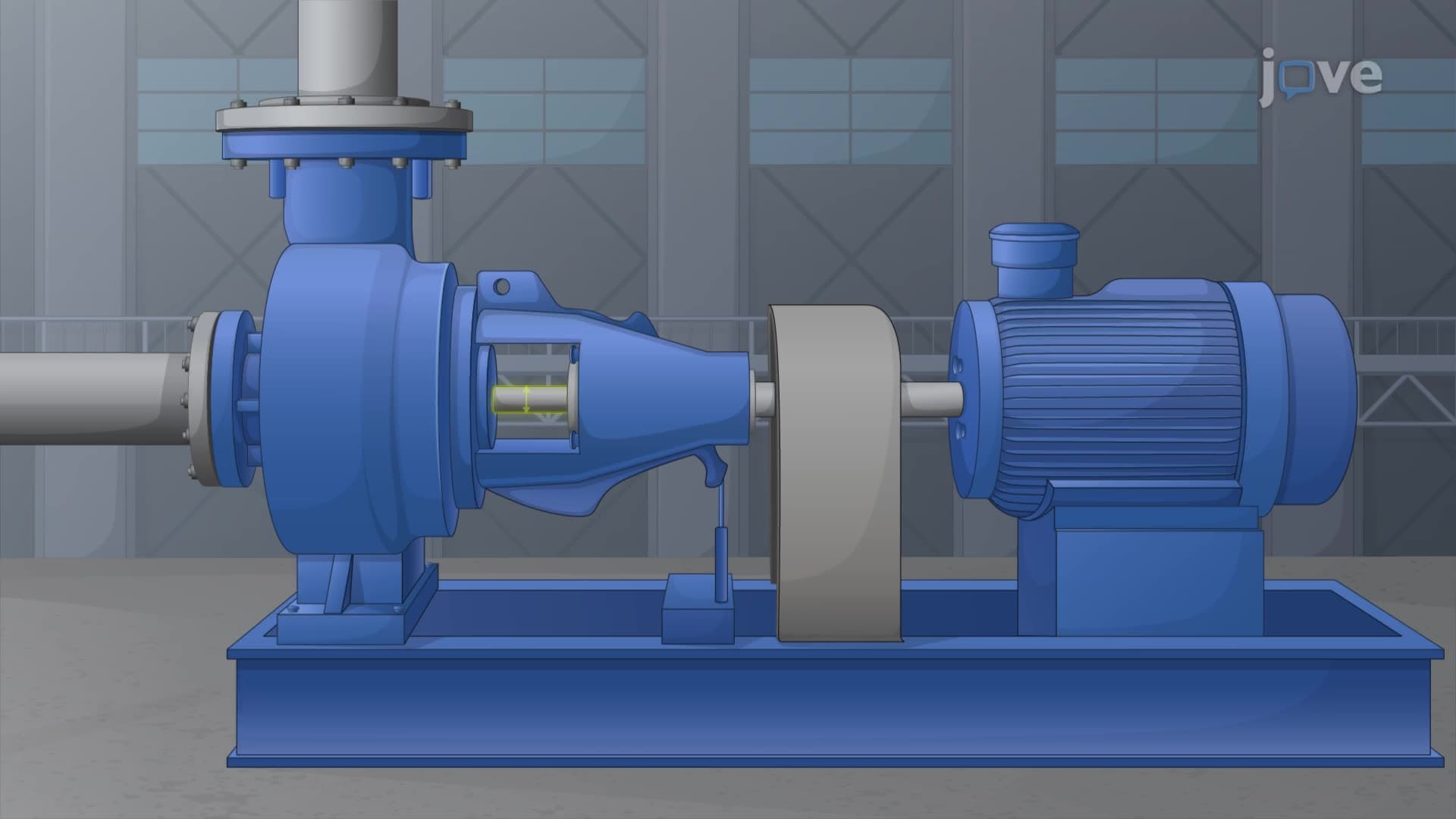
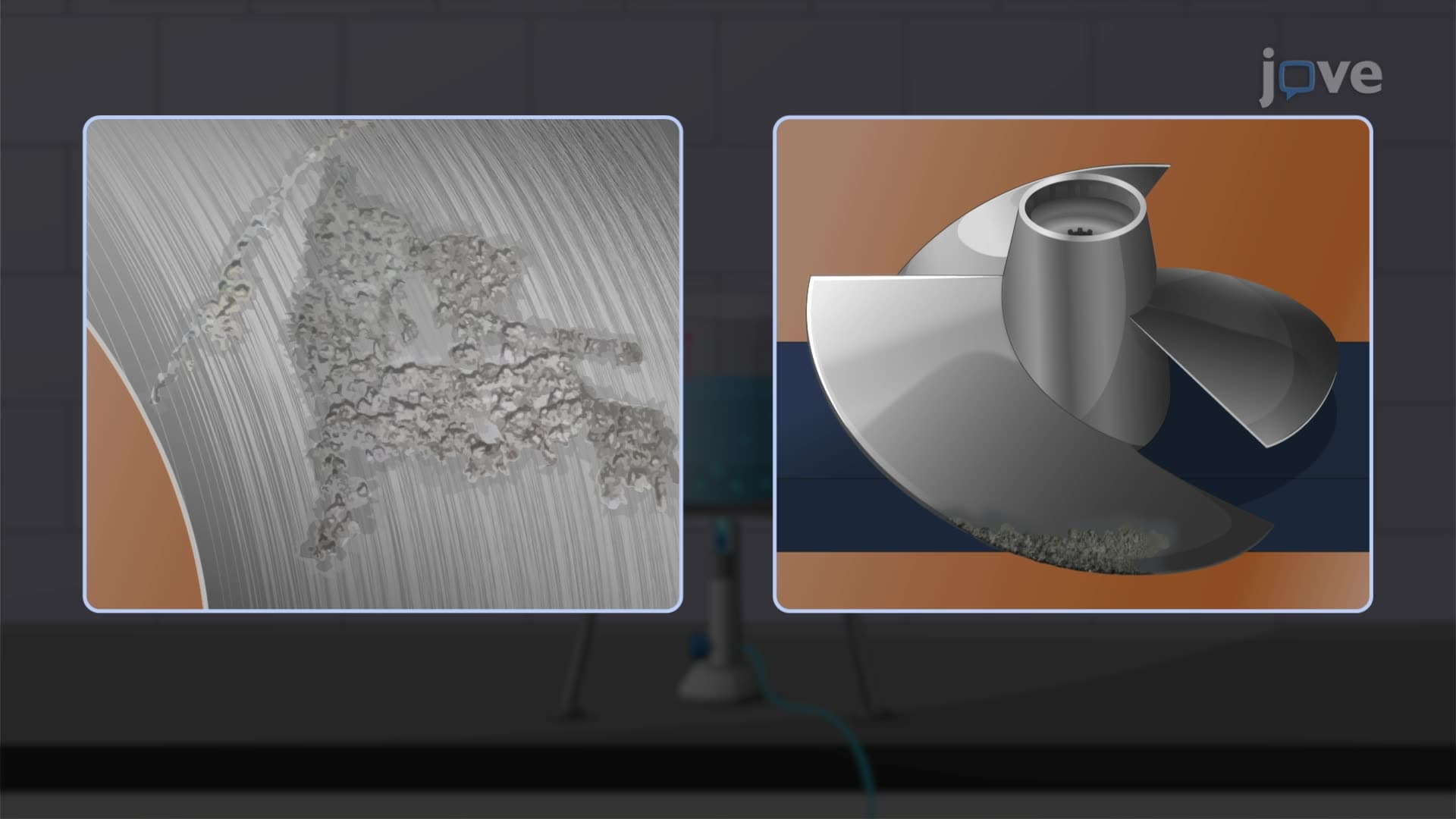
Perhaps the most critical application involves preventing cavitation in pumps and turbines. When local fluid pressure drops below vapor pressure, vapor bubbles form rapidly. These bubbles collapse violently when entering higher-pressure regions, creating shock waves that erode metal surfaces and reduce equipment lifespan. The Hoover Dam's turbines incorporate careful vapor pressure analysis to prevent cavitation damage that could affect power generation for millions of Americans.
Nuclear power plants face similar challenges-reactor coolant pumps must maintain sufficient pressure margins above the coolant's vapor pressure to ensure reliable heat removal and prevent dangerous pressure fluctuations.
Related Micro-courses