Loading subject page…

- Electrical Engineering
- Ac Steady State Power
- The Power Superposition Principle
Micro-course: AC Steady State Power
5,215 views
Learn key concepts and earn your certificate.

The Power Superposition Principle

00:00
01:19
Video Summary: What Is the Power Superposition Principle
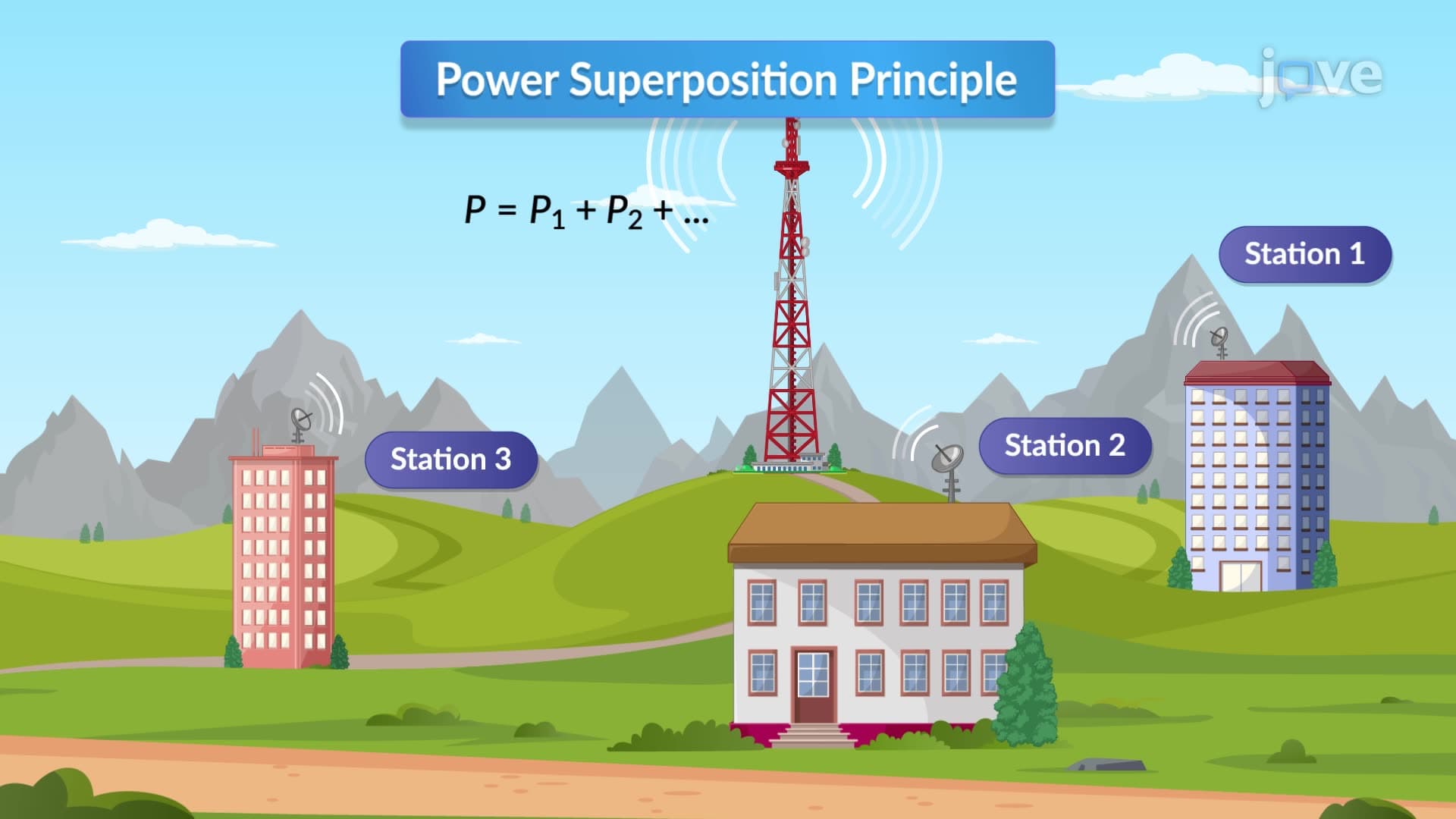
Ever wonder how your radio picks up signals from dozens of stations simultaneously without interference? The maximum power transfer theorem reveals this electromagnetic mystery through the Power Superposition Principle. When multiple sinusoidal sources operate at different frequencies, like AM/FM radio stations across the United States, the total average power equals the sum of individual source powers. This fundamental principle explains how Nashville's WSM 650 AM and Chicago's WLS 890 AM can broadcast simultaneously without power interference. Watch the full video on JoVE Coach to master this concept with expert-led visuals and step-by-step explanations.
- Understand What is The Power Superposition Principle and its mathematical foundation for circuits with multiple sinusoidal sources
- Identify when the cross-term in power calculations equals zero for sources operating at different frequencies
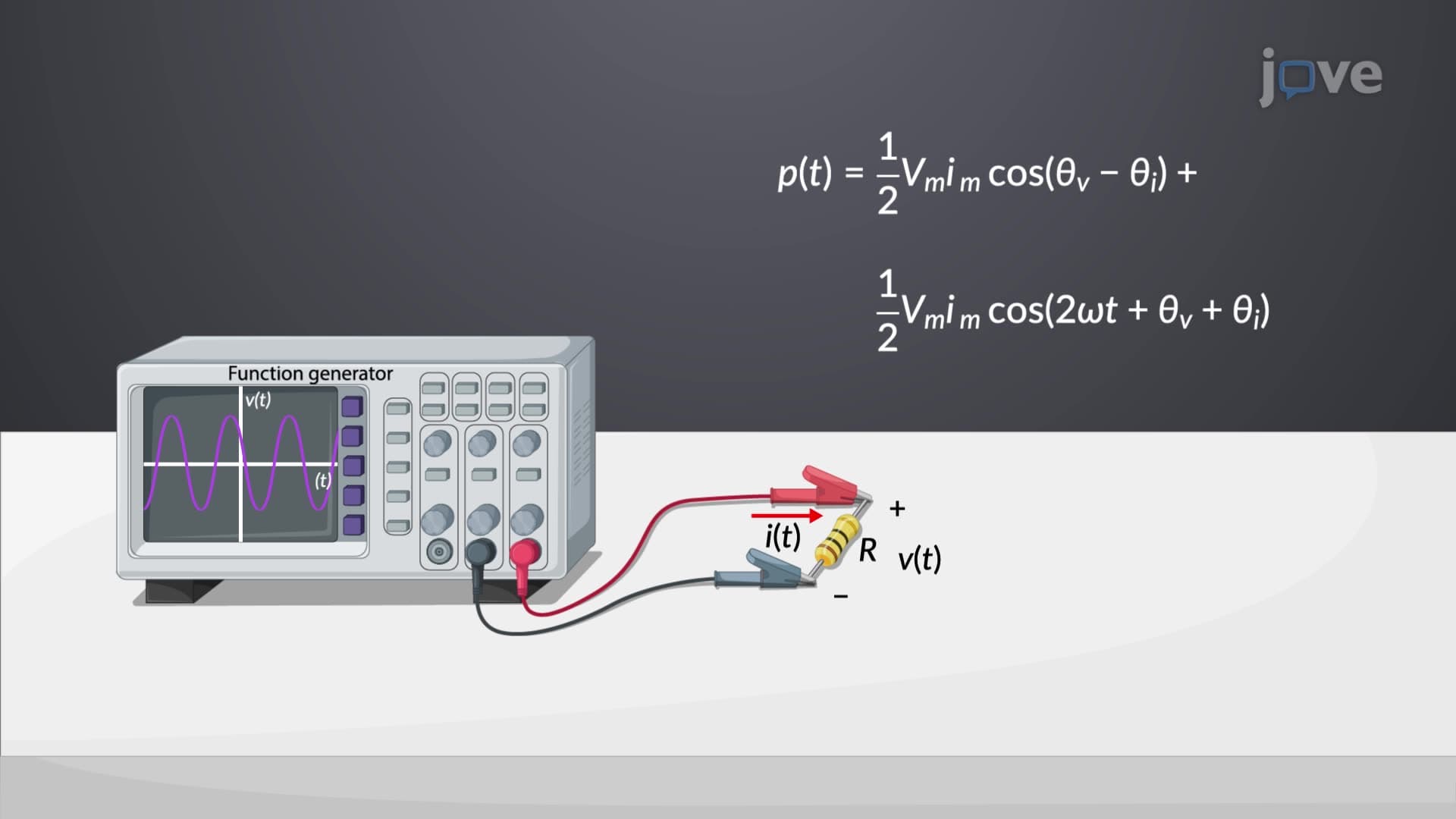
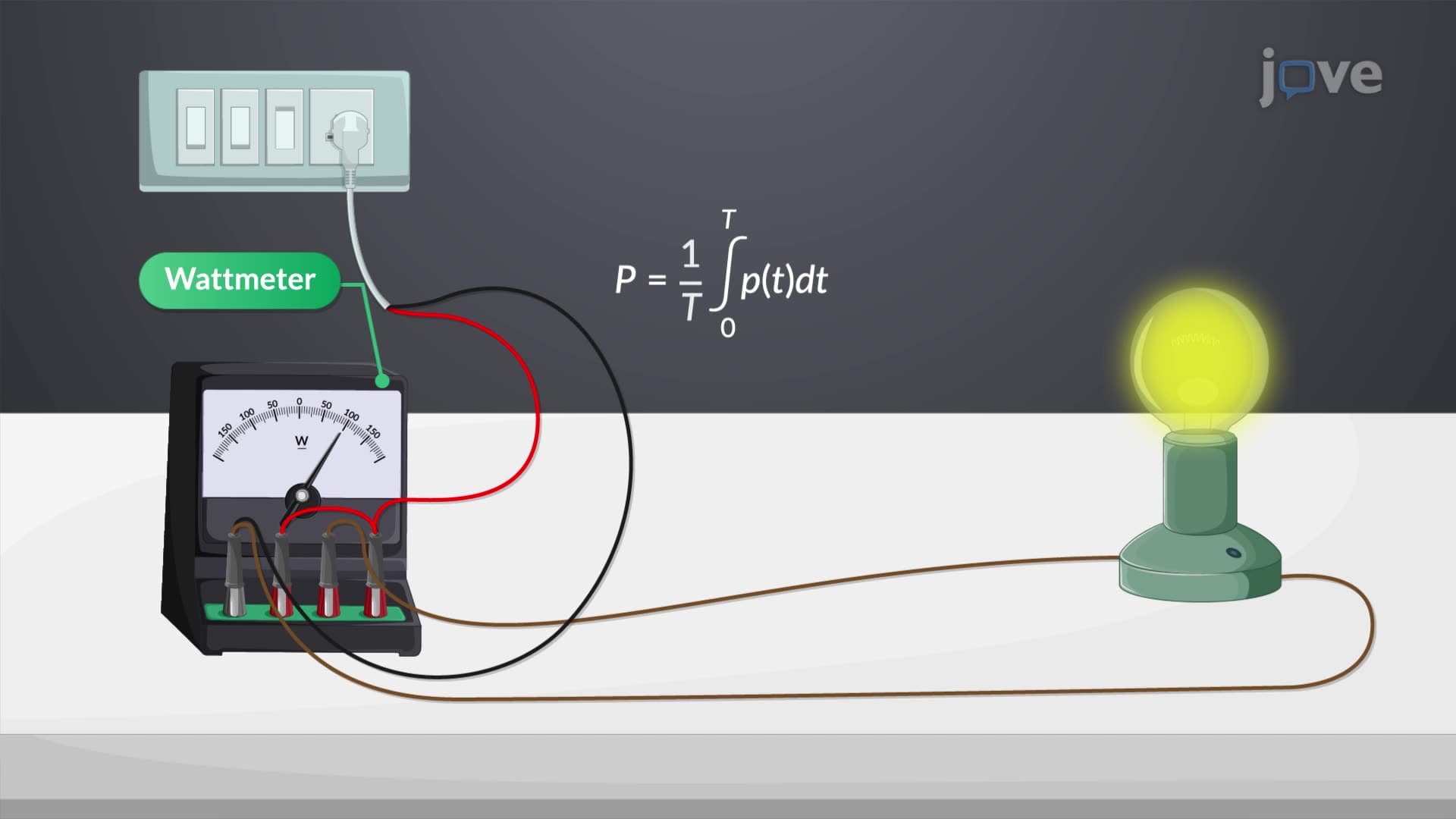
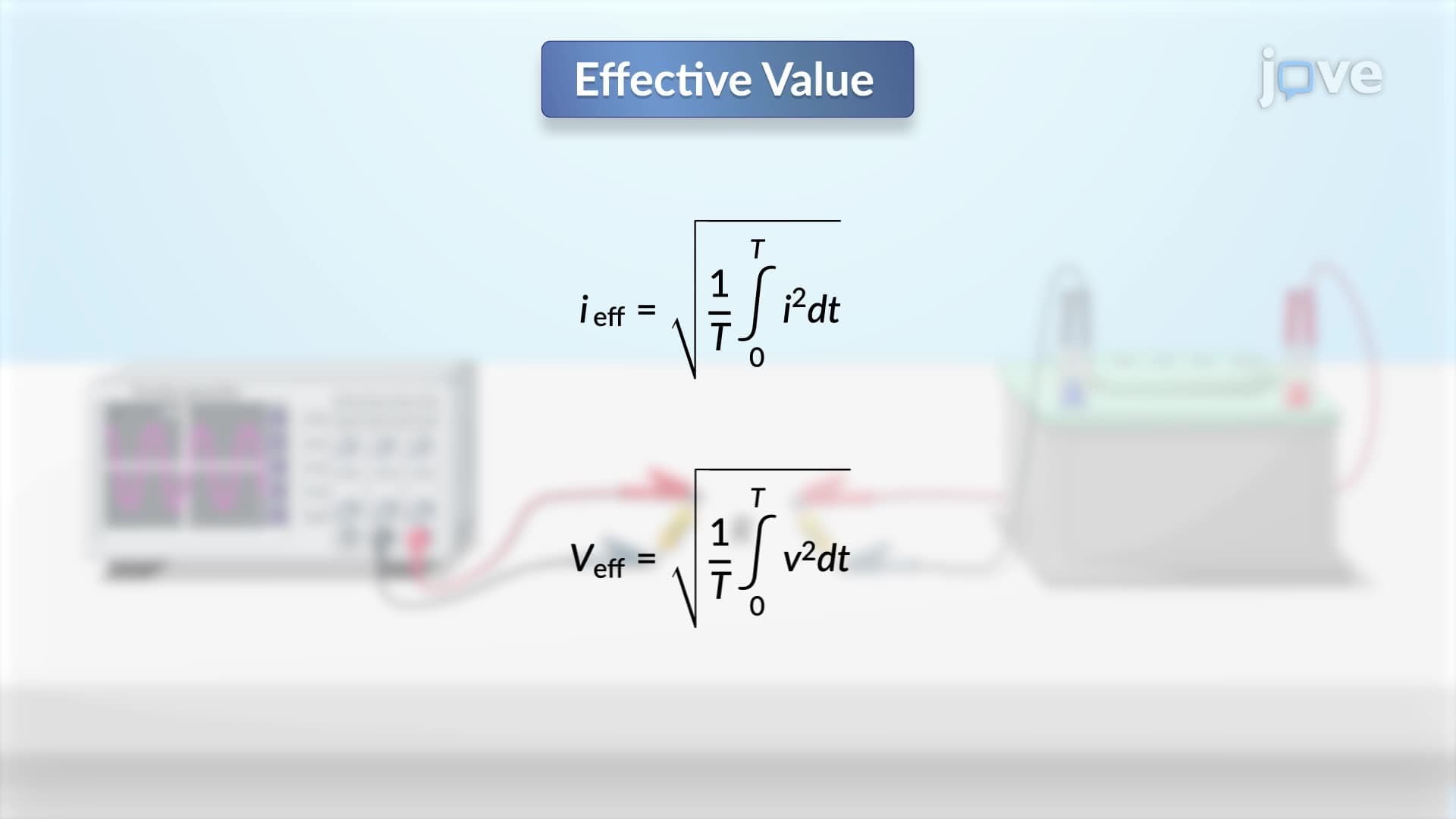
- Analyze how instantaneous power relates to average power through integration over complete periods
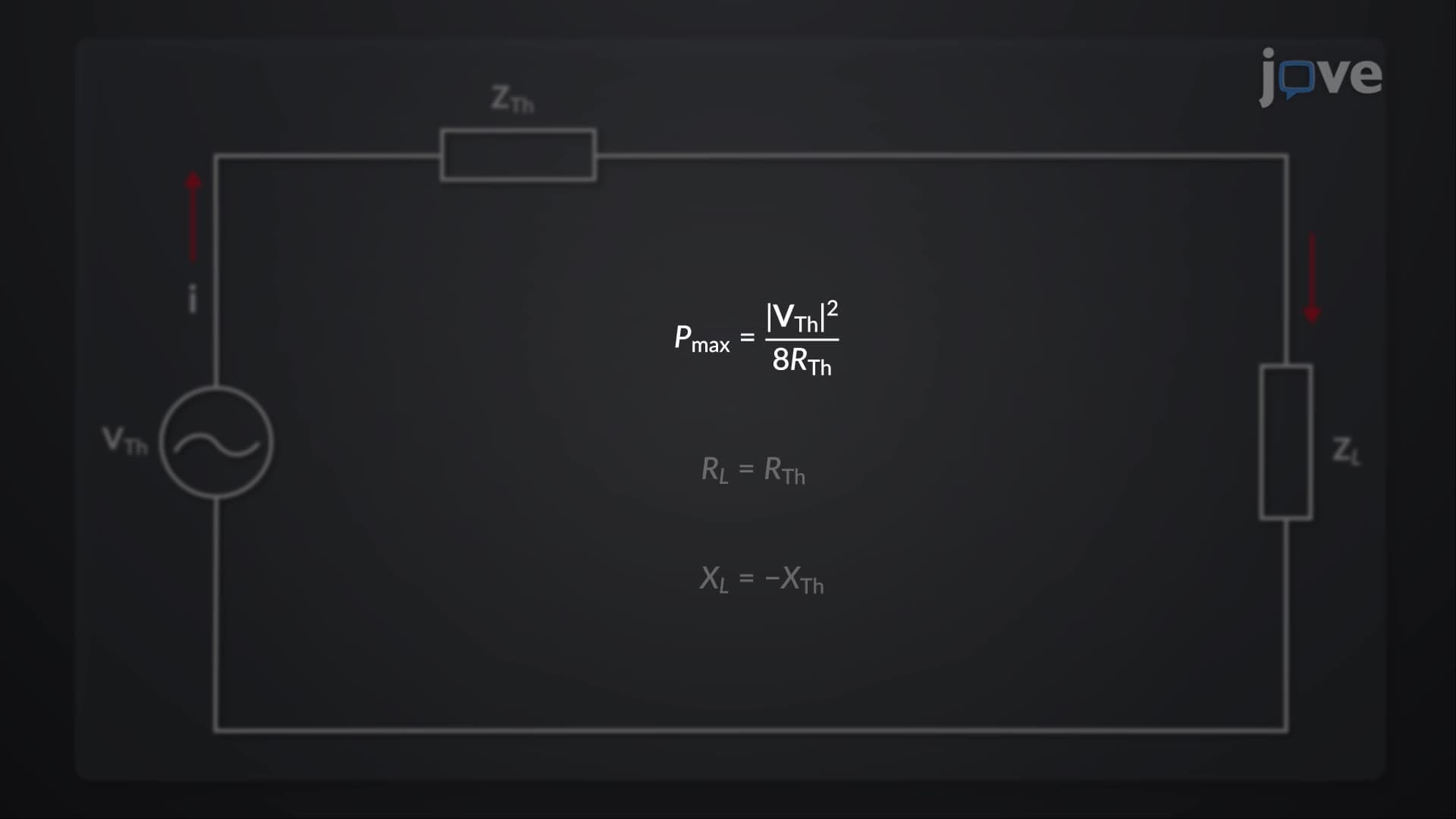
- Apply the maximum power transfer theorem tutorial concepts to real-world telecommunications systems
- Evaluate how multiple radio stations can broadcast simultaneously without power interference
- Compare power superposition with voltage and current superposition principles in AC circuit analysis
- Recognize practical applications in US broadcasting systems and wireless communication networks
- Explore the relationship between frequency domain analysis and power calculations in electrical engineering
Understanding What is The Power Superposition Principle
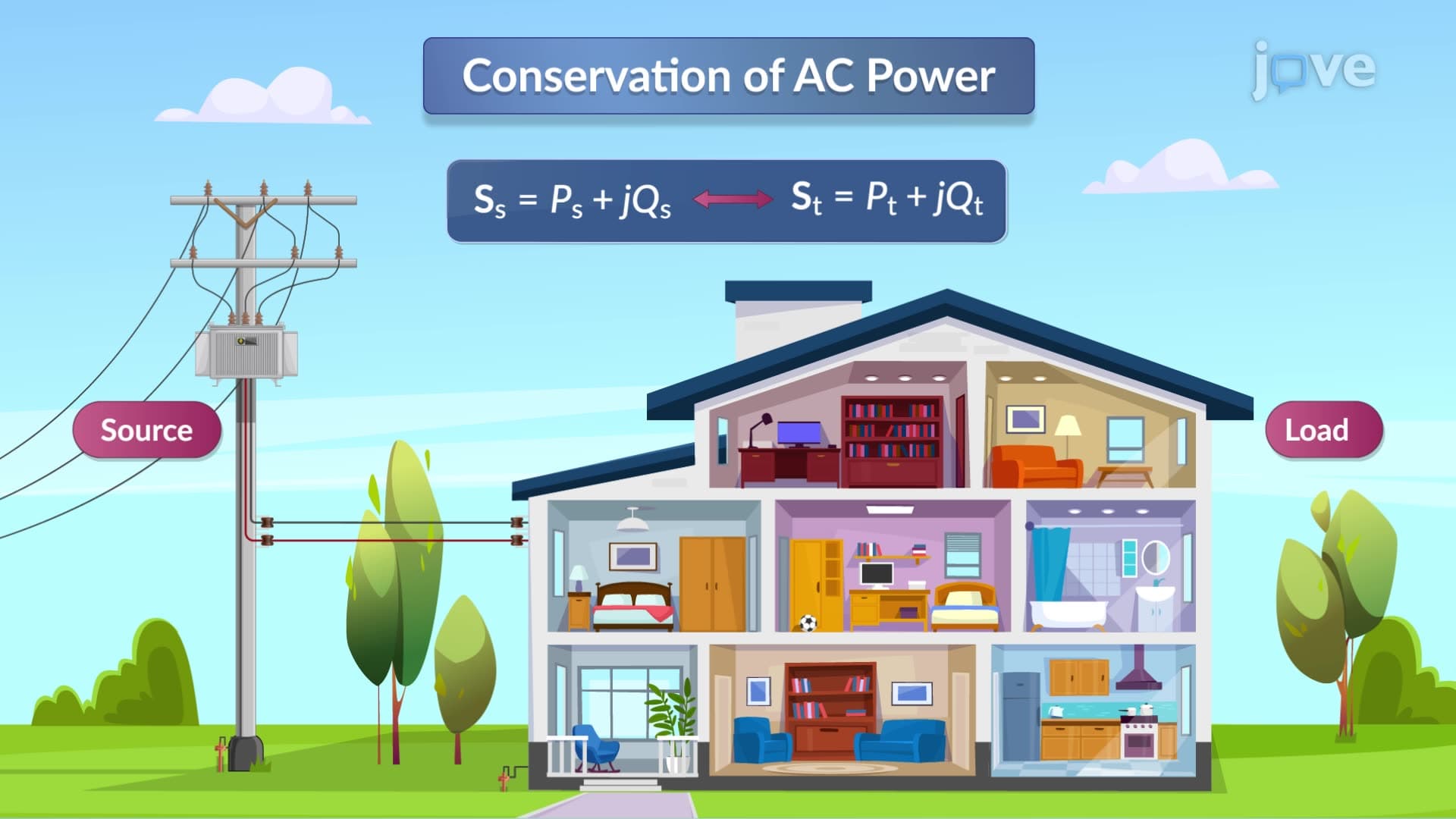
The Power Superposition Principle represents a cornerstone concept in electrical engineering that extends beyond basic circuit analysis. When multiple sinusoidal voltage sources operate simultaneously in a circuit, this principle determines how their combined power contributions behave. Unlike simple algebraic addition, power superposition involves sophisticated mathematical relationships that depend critically on frequency relationships between sources.
Mathematical Foundation and the Maximum Power Transfer Theorem
The mathematical derivation begins with instantaneous power calculations. For a circuit containing multiple sinusoidal sources, instantaneous power equals the square of instantaneous current multiplied by resistance: P(t) = i²(t)R. When integrated over one complete period, this yields average power expressions containing three distinct terms: individual source contributions and cross-multiplication terms.
The crucial insight emerges when sources operate at different frequencies. The cross-term, representing interaction between sources, integrates to zero over complete periods due to orthogonality of sinusoidal functions at different frequencies. This mathematical property underlies how the maximum power transfer theorem works in multi-source environments, ensuring that power contributions remain independent when frequency separation exists.
Real-World Applications in US Communications
Consider the complex electromagnetic environment surrounding major US cities. New York City alone hosts over 100 radio stations broadcasting simultaneously across AM, FM, and digital bands. Each station represents an independent sinusoidal source operating at its assigned frequency. The Power Superposition Principle explains how a car radio receives the combined electromagnetic field without power interference between stations.
This principle proves essential for AP Physics students and college undergraduates studying telecommunications. The Federal Communications Commission (FCC) relies on these mathematical relationships when assigning broadcast frequencies, ensuring stations like Los Angeles's KFI 640 AM and KLOS 95.5 FM can operate simultaneously without power coupling issues.
Practical Implications for Circuit Analysis
Engineering students encounter this concept extensively in AC circuit analysis courses. The maximum power transfer theorem concept becomes particularly relevant when designing amplification systems, antenna arrays, and power distribution networks. Understanding frequency-dependent power relationships helps explain why modern cellular networks can support millions of simultaneous users without catastrophic power interference.
For MCAT preparation, this principle connects electrical engineering concepts with biological applications, such as understanding how multiple neural signals can propagate simultaneously through nervous system pathways without power-based interference.
Frequently Asked Questions
The Power Superposition Principle states that average power from multiple sources at different frequencies equals the sum of individual source powers. Unlike voltage/current superposition which applies universally, power superposition only works when sources have different frequencies, making cross-terms integrate to zero over complete periods.
AP Physics C: Electricity and Magnetism frequently tests power calculations in AC circuits with multiple sources. Students must demonstrate understanding of when power superposition applies versus when cross-terms contribute. Typical problems involve radio broadcasting scenarios or power grid analysis with frequency-separated sources.
Yes, MCAT physics sections often include power superposition in electromagnetic wave contexts. Questions typically connect electrical power principles to biological systems, such as neural signal propagation or medical device interference. Understanding frequency-dependent power relationships helps answer complex circuit analysis problems.
Each radio station operates at a unique assigned frequency, creating independent sinusoidal sources. The Power Superposition Principle ensures their power contributions add without cross-interference because different frequencies produce zero-valued cross-terms when averaged over time. The FCC uses this principle for frequency allocation across the electromagnetic spectrum.
Not with proper foundation building. Students need solid understanding of AC circuits, sinusoidal functions, and basic integration concepts. Starting with simple two-source examples and building complexity gradually makes this concept accessible for grades 11-12, especially in AP Physics or advanced electronics courses.
Focus on frequency relationships first, then practice integration techniques for sinusoidal products. Work through multiple radio broadcasting examples, solve power calculations step-by-step, and memorize when cross-terms equal zero. Create frequency-domain visualizations to strengthen conceptual understanding before tackling complex mathematical derivations.
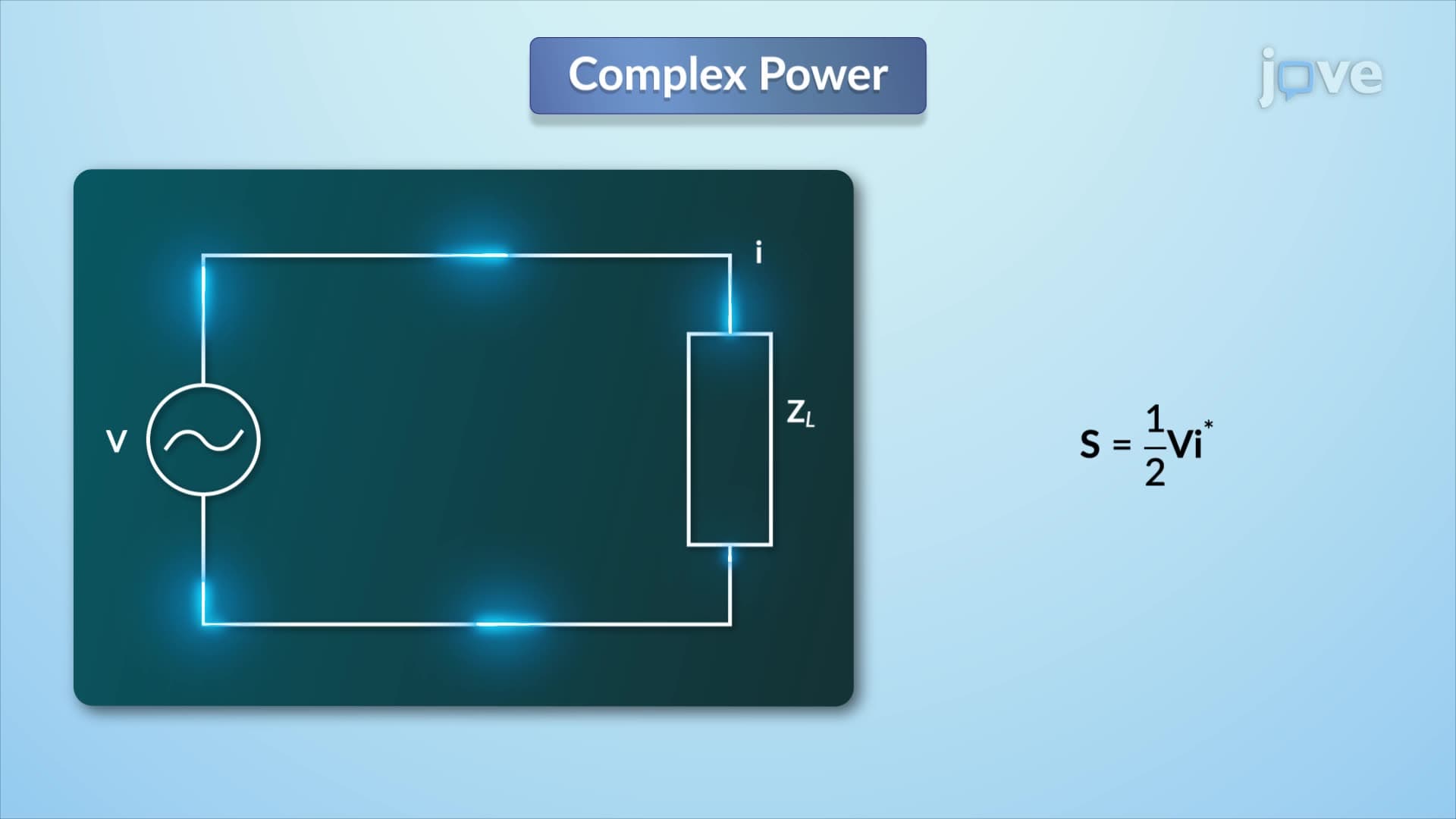
Progress to Fourier analysis, complex power calculations, and three-phase power systems. Advanced students should explore antenna theory, signal processing applications, and power electronics. These topics build directly on power superposition foundations and appear extensively in electrical engineering curricula.
WiFi, cellular networks, and Bluetooth all rely on power superposition principles for frequency division multiple access (FDMA) systems. Multiple devices can transmit simultaneously at different frequencies without power interference, enabling modern telecommunications infrastructure. Understanding this principle explains how smartphones can connect to multiple networks simultaneously.
Related Micro-courses