Loading…
Loading video…

5,149 views

The effects of feedback determine whether your car's cruise control maintains steady highway speeds or your home thermostat keeps rooms comfortable year-round. Understanding the effects of feedback reveals why closed-loop systems like these outperform simple open-loop alternatives in precision and stability. From NASA's Mars rover navigation to Tesla's Autopilot systems, American engineering relies heavily on feedback control principles found in open and closed loop control systems explained. Watch the full video on JoVE Coach to master this concept with expert-led visuals and step-by-step explanations.
Control systems form the backbone of modern technology, from the smartphone in your pocket to the International Space Station's life support systems. These systems fall into two fundamental categories that determine their behavior, accuracy, and reliability.
Open-loop control systems operate like a preset recipe—they follow predetermined instructions without checking if the desired outcome is achieved. The washing machine example from everyday life illustrates this perfectly: once you select a cycle, it runs for a fixed time regardless of how clean your clothes actually become.
NASA's early rocket launches used open-loop guidance systems, calculating trajectories in advance and executing them without real-time corrections. While simpler and less expensive, these systems cannot adapt to unexpected conditions like wind gusts or component variations. Modern applications include traffic light timers, microwave ovens, and basic sprinkler systems—scenarios where the output is predictable or where feedback sensors would be impractical.
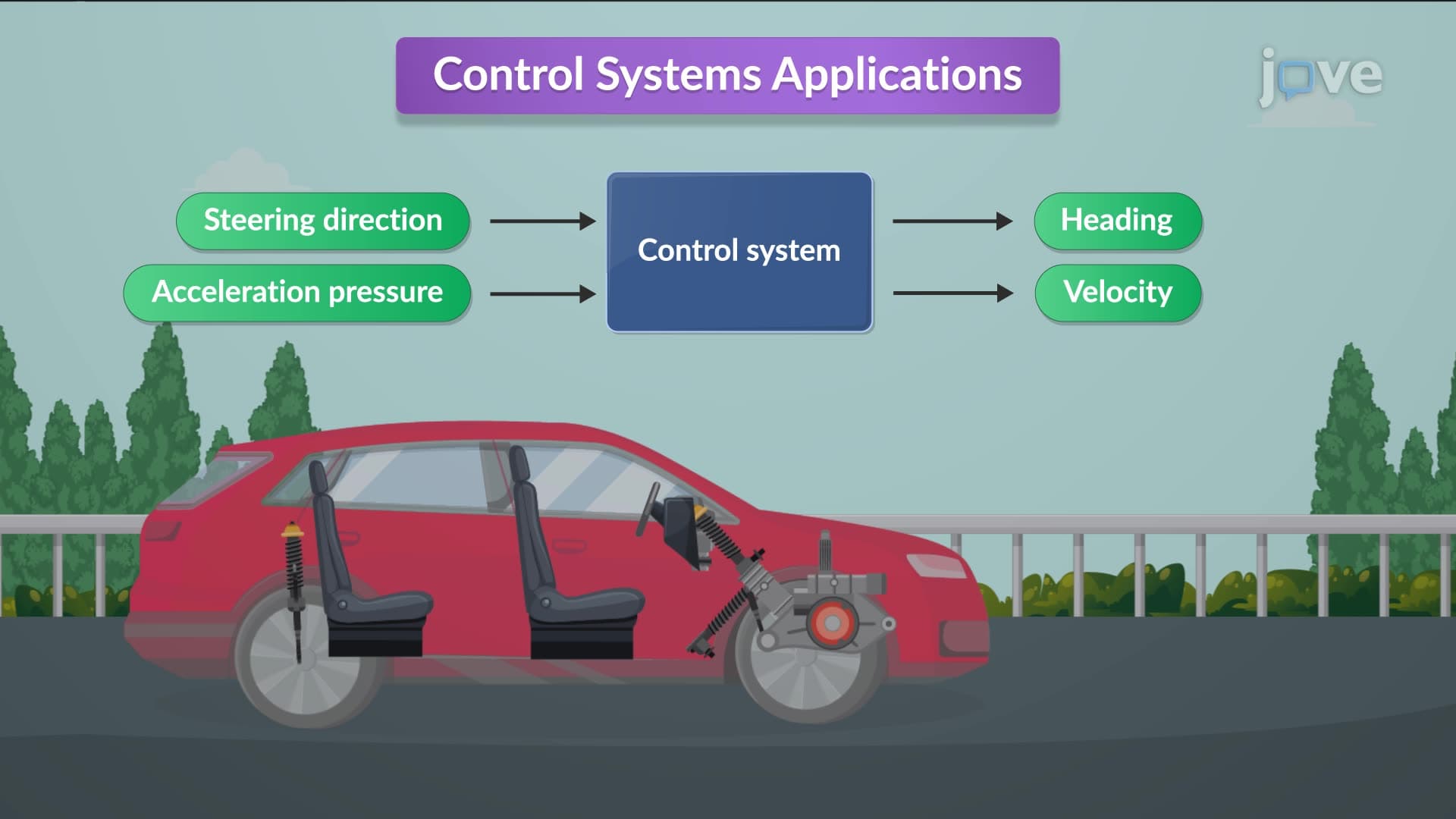
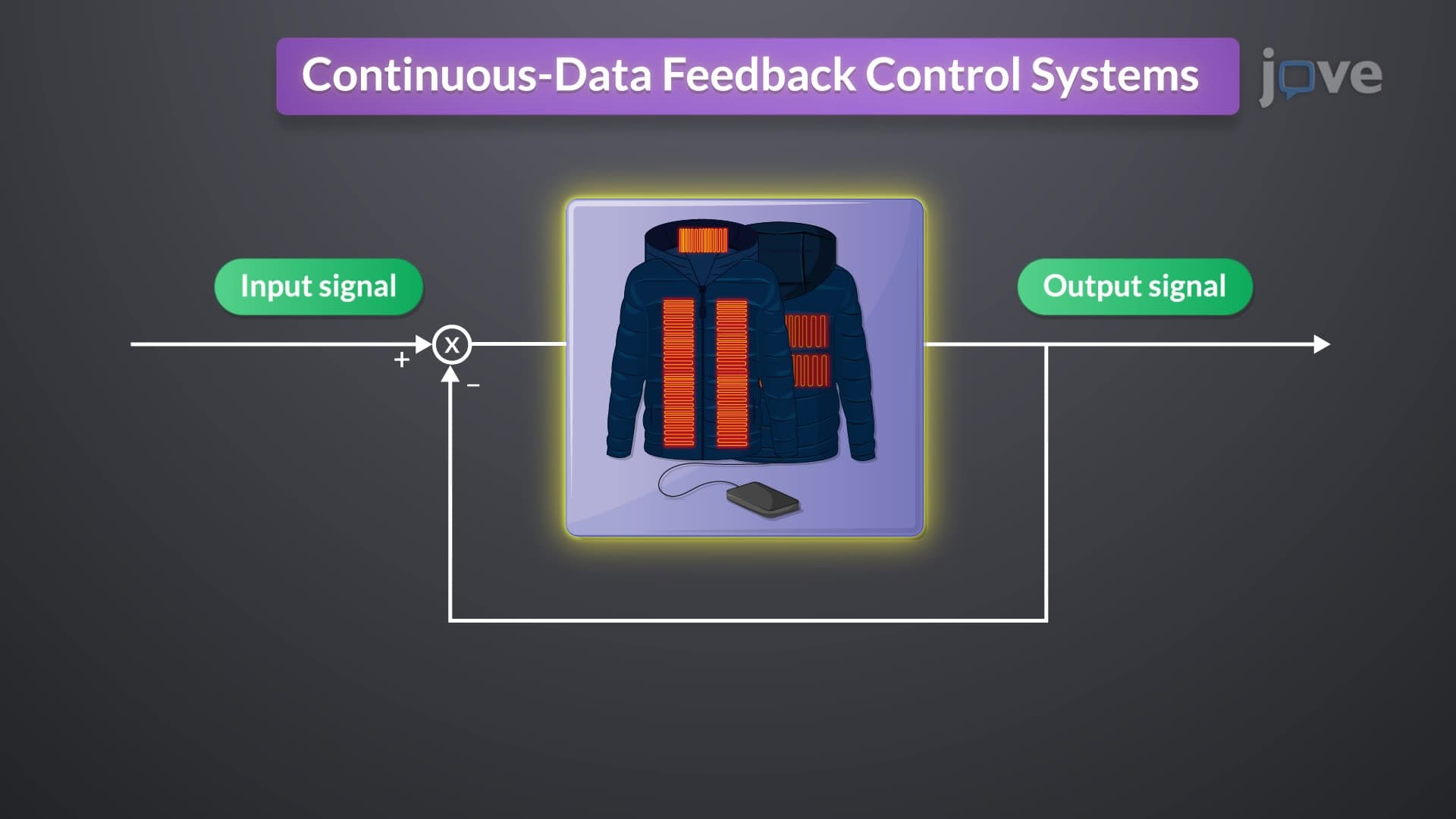
Closed-loop systems revolutionize control by continuously monitoring output and making corrections. The effects of feedback create several powerful advantages that explain why most precision applications use this approach. When your car's cruise control detects you're going 68 mph instead of the set 70 mph, it immediately increases throttle to correct the error.
The types of effects of feedback include disturbance rejection, improved accuracy, and reduced sensitivity to component variations. Tesla's Autopilot system exemplifies these benefits—it constantly adjusts steering, braking, and acceleration based on camera and sensor feedback, maintaining lane position despite wind, road irregularities, or varying vehicle loads.
Understanding the effects of feedback overview helps explain engineering design choices. Boeing's 737 MAX flight control system uses multiple feedback loops to maintain stable flight, while a simple toaster uses open-loop timing because bread browning doesn't require precision control.
For AP Physics and college engineering courses, remember that feedback systems trade simplicity for performance. They require more components (sensors, comparators, controllers), consume more power, and cost more to build and maintain. However, they deliver superior accuracy, stability, and adaptability—essential for applications from medical device regulation to autonomous vehicle navigation.
Frequently Asked Questions
Open-loop systems operate like following a recipe without tasting—they execute predetermined actions without checking results. Closed-loop systems continuously monitor their output and make corrections, like adjusting oven temperature based on a thermometer reading. The key difference is whether the system uses feedback from its output to improve performance.
AP Physics C and college engineering exams often test feedback concepts through block diagrams, stability analysis, and real-world problem solving. You might analyze why a car's cruise control maintains speed better than manual driving, or explain how feedback reduces errors in positioning systems. Focus on understanding cause-and-effect relationships rather than memorizing formulas.
The MCAT includes feedback concepts in biological systems and research methodology sections. Questions might cover homeostasis (body temperature regulation), hormone feedback loops, or experimental design with control groups. Understanding positive versus negative feedback helps with physiology passages about blood glucose regulation or cardiovascular responses.
Google's search algorithms use feedback from user clicks to improve results, while Amazon's recommendation system learns from purchase history. Apple's iPhone camera automatically adjusts focus and exposure using feedback from image sensors. Even Netflix uses viewing feedback to suggest content and optimize streaming quality based on your internet connection.
Not at all! The basic concepts require only algebra and logical thinking. While advanced control theory uses calculus and complex analysis, understanding fundamental feedback principles relies on cause-and-effect reasoning. Start with simple examples like thermostats before progressing to more complex applications.
Create comparison charts showing open-loop versus closed-loop advantages and disadvantages. Practice identifying system components in block diagrams and work through real-world examples. Focus on explaining why feedback improves performance and when you might choose each system type. Many professors favor application problems over pure theory.
Explore PID controllers (proportional-integral-derivative) used in industrial automation, or investigate how artificial intelligence incorporates feedback principles. Advanced coursework covers frequency response, stability margins, and digital control systems. These concepts appear in aerospace engineering, robotics, and process control industries throughout the United States.
Cost and simplicity drive many design decisions—parking meters use timers rather than occupancy sensors because precision isn't worth the added complexity. Some high-speed applications can't wait for feedback delays, while others operate in environments where sensors would be unreliable or too expensive to maintain.
Related Micro-courses

Related Subjects
 Civil Engineering 30 micro-courses›Mechanical Engineering 28 micro-courses›