Loading…
Loading video…

5,149 views
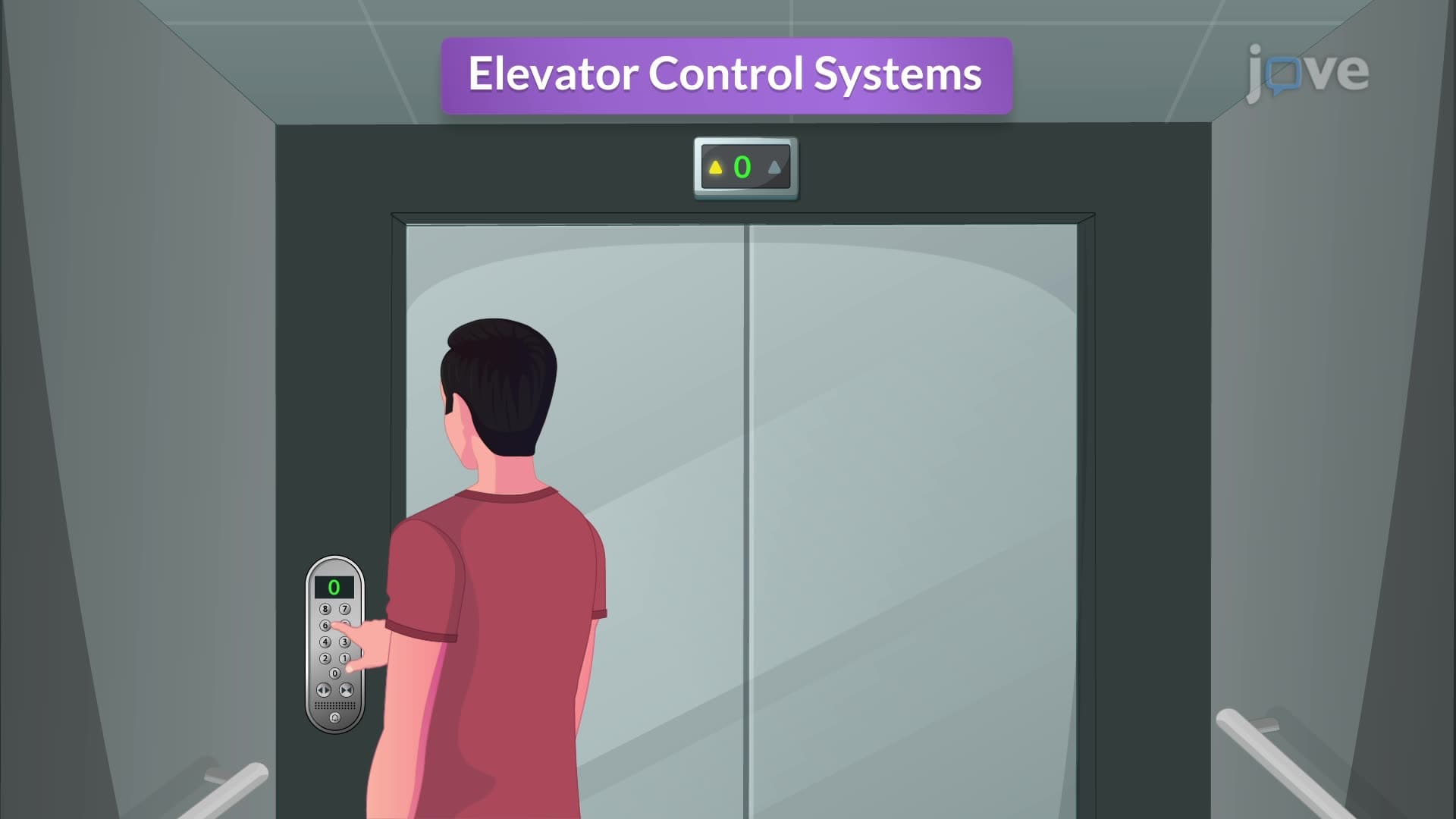
Did you know that every time you adjust your car's cruise control on a US highway, you're using the same engineering principles that keep the International Space Station in orbit? Open and closed loop control systems are the invisible forces behind countless modern technologies, from Tesla's autopilot features to NASA's Mars rovers. Understanding what is control systems applications reveals how engineers design systems that automatically maintain desired performance through feedback mechanisms. These systems range from simple thermostats in American homes to complex flight control systems in Boeing aircraft. Watch the full video on JoVE Coach to master this concept with expert-led visuals and step-by-step explanations.
Control systems applications form the backbone of virtually every automated process in modern technology, from the anti-lock braking systems (ABS) in Ford vehicles to the temperature regulation in Apple's data centers. These systems fall into two fundamental categories: open-loop and closed-loop control systems, each serving distinct engineering purposes.
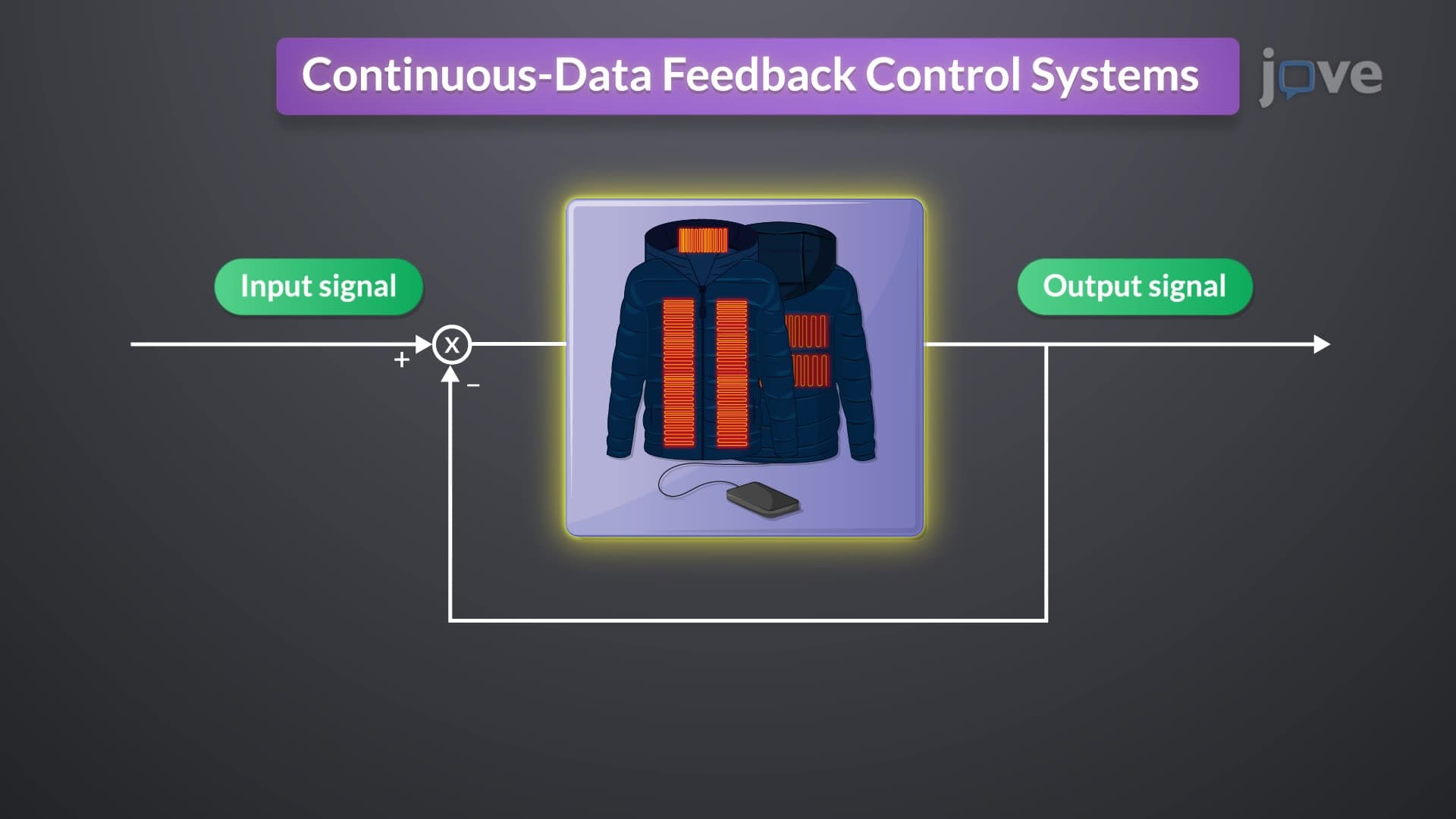
Open-loop control systems operate without feedback, executing predetermined actions regardless of output results. A classic example is a washing machine's timer-based cycles—once you select "heavy wash," the machine follows a fixed sequence without monitoring whether clothes are actually clean. In contrast, closed-loop control systems continuously monitor output and adjust accordingly. Tesla's autopilot exemplifies this concept, constantly measuring vehicle position via sensors and adjusting steering to maintain lane centering.
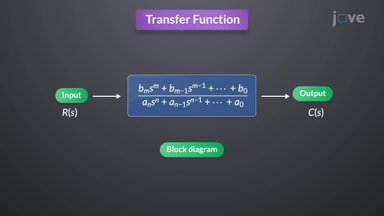
The mathematical foundation underlying these systems involves transfer functions, where output Y(s) relates to input X(s) through system dynamics G(s). For closed-loop systems, the relationship becomes Y(s) = G(s)/(1 + G(s)H(s)) × X(s), where H(s) represents the feedback path. This equation frequently appears on AP Physics exams and college control systems courses.
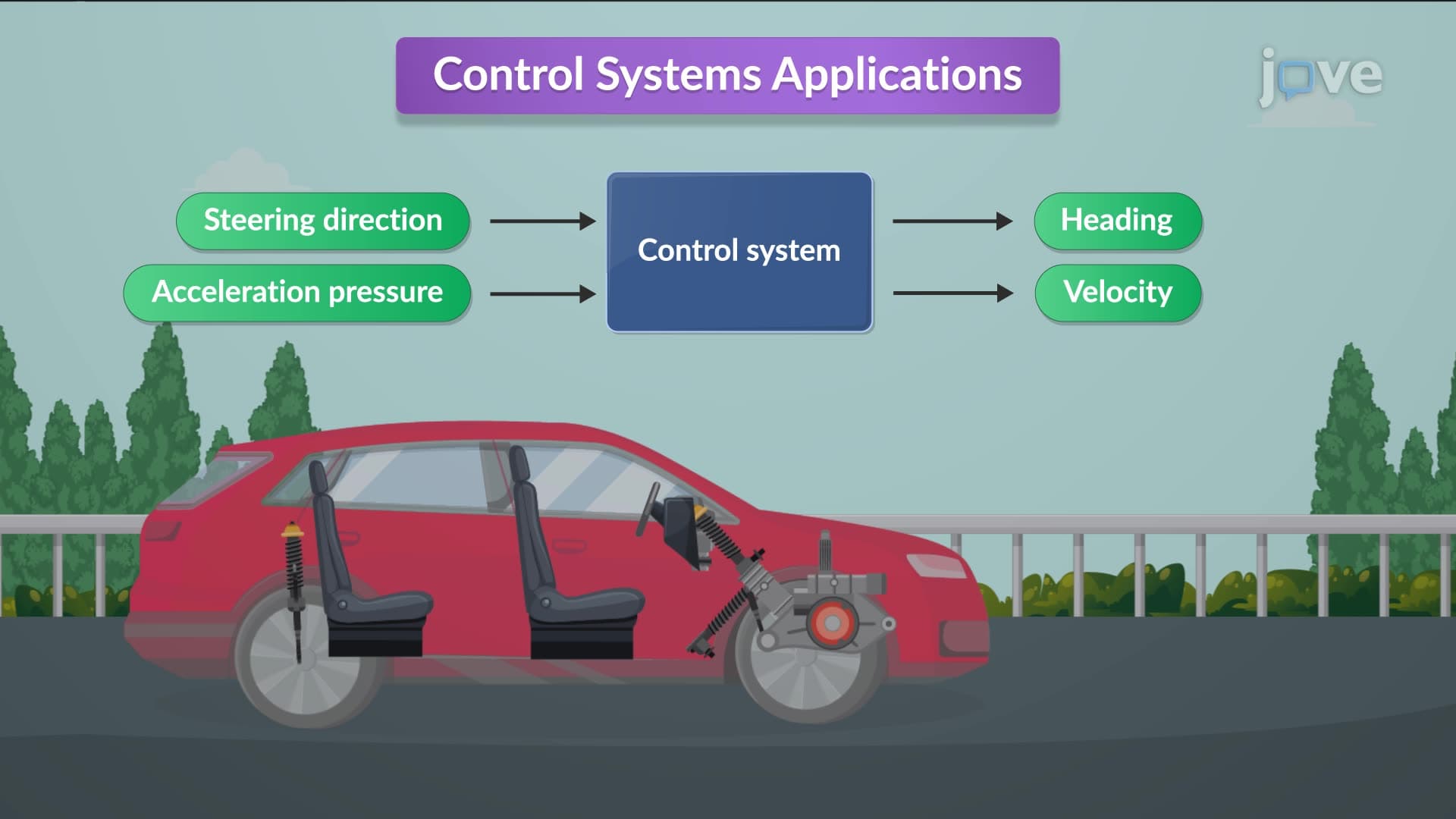
Modern applications often involve multivariable systems managing numerous inputs and outputs simultaneously. Boeing's 787 Dreamliner employs such systems, where pilot inputs, atmospheric conditions, and aircraft sensors work together to maintain optimal flight characteristics. The flight control computer processes hundreds of variables—airspeed, altitude, engine thrust, control surface positions—to ensure passenger safety and fuel efficiency.
These complex systems require sophisticated controllers like Proportional-Integral-Derivative (PID) controllers, which calculate control actions using error magnitude (P), accumulated error over time (I), and rate of error change (D). The control equation becomes u(t) = Kp × e(t) + Ki × ∫e(t)dt + Kd × de(t)/dt, where u(t) represents the control signal and e(t) the error between desired and actual outputs.
Contemporary control systems rely heavily on digital implementation, converting analog sensor readings into digital signals for computer processing. This digitization process, fundamental in applications from General Motors' engine management systems to SpaceX rocket guidance, introduces sampling considerations critical for system stability. The Nyquist sampling theorem requires sampling frequencies at least twice the highest system frequency to avoid aliasing—a concept tested extensively in electrical engineering coursework and FE exam preparation.
Frequently Asked Questions
Control systems applications are automated systems that regulate processes, equipment, or machinery to achieve desired performance without constant human intervention. They're essential because they enable precise, reliable operation of everything from smartphones to space missions. These systems improve safety, efficiency, and consistency across industries while reducing human error in critical operations.
AP Physics C and college engineering exams typically test understanding of feedback principles, system stability, and transfer function analysis. Common problems involve identifying system types, calculating steady-state error, and analyzing step responses. Students should master block diagram interpretation and basic PID controller concepts for exam success.
Open-loop systems are easier to analyze mathematically since they lack feedback complexity, making them frequent topics in introductory engineering courses. Closed-loop systems require understanding of stability criteria and feedback effects, typically covered in advanced coursework. MCAT physical sciences sections may include basic control concepts in biological system contexts.
Control systems are everywhere in American households and infrastructure—from smart thermostats in homes to traffic light coordination systems in cities like New York. Your iPhone's camera autofocus, Amazon warehouse robots, and even McDonald's automated fryer systems all rely on sophisticated control algorithms to function properly.
While professional control systems design requires calculus and differential equations, understanding basic concepts only needs algebra and graphical interpretation skills. High school students can grasp fundamental principles through real-world examples before diving into mathematical complexity during college engineering studies.
Focus on block diagram analysis, identify key system components, and practice converting between different system representations. Create concept maps linking real applications to theoretical principles, and work through step-response problems systematically. Many students find success studying Boeing or NASA case studies to reinforce theoretical concepts.
Consider studying modern control theory including state-space methods, optimal control, and adaptive control systems. Digital signal processing and machine learning applications to control systems represent growing fields, especially relevant for autonomous vehicle development and smart manufacturing applications in American industry.
Control systems knowledge opens doors to aerospace, automotive, robotics, and process engineering careers. Companies like Boeing, Tesla, and General Electric actively recruit engineers with strong control systems backgrounds, particularly for roles in autonomous systems and smart manufacturing initiatives.
College exams typically emphasize stability analysis, root locus methods, and frequency response techniques. Students should master Bode plot construction, understand gain and phase margins, and be able to design simple compensators. Practice problems often involve DC motor control or thermal system regulation scenarios.
Related Micro-courses

Related Subjects
 Civil Engineering 30 micro-courses›Mechanical Engineering 28 micro-courses›