Loading…
Loading video…

23,674 views
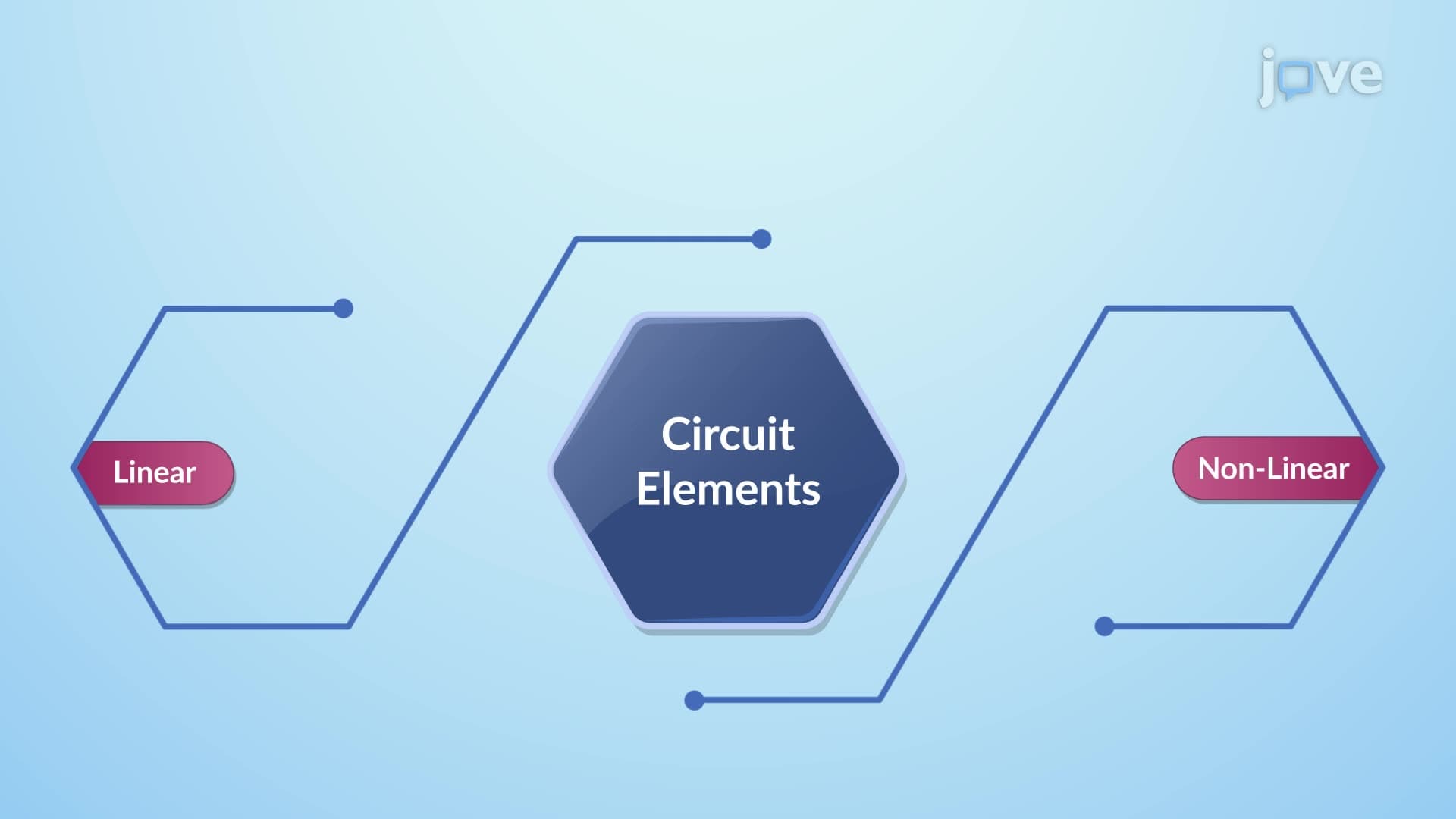
Did you know that your smartphone contains over 100 billion microscopic circuit elements working together? Understanding circuit terminology is essential for grasping how every electronic device functions. What are Electric Circuit Elements reveals the fundamental building blocks that power everything from Tesla vehicles to NASA's Mars rovers. These elements fall into active and passive categories, with active elements generating energy while passive elements consume it. Watch the full video on JoVE Coach to master this concept with expert-led visuals and step-by-step explanations.
Electric circuit elements form the foundation of all electrical engineering applications, from the power grid supplying your home to the microprocessors in gaming consoles. These fundamental components serve as the building blocks for every electronic device, making circuit terminology essential knowledge for students pursuing STEM careers.
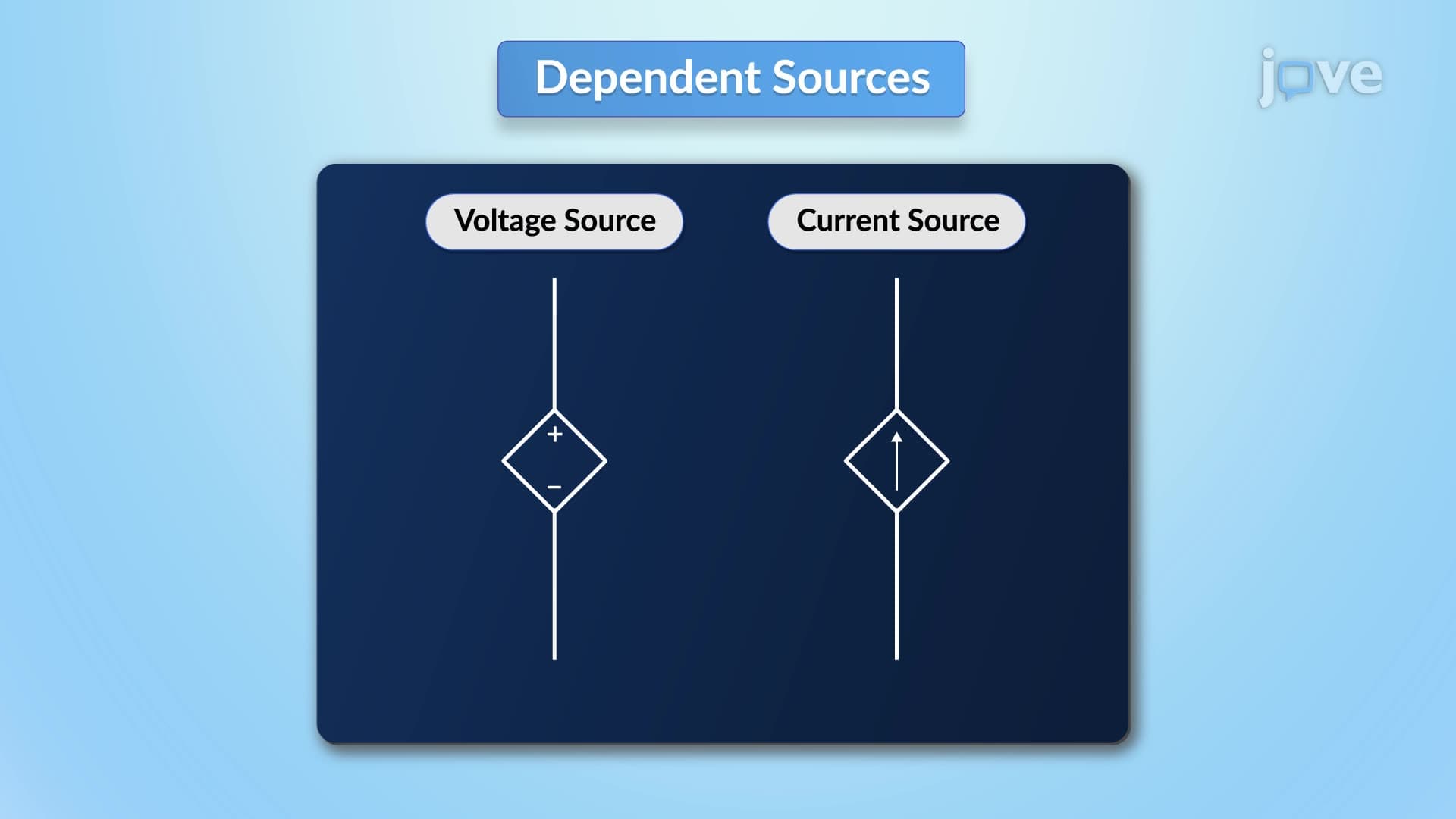
Active elements distinguish themselves by their ability to generate or supply electrical energy to a circuit. Voltage sources, like the 12V battery in your car, and current sources, such as those found in LED driver circuits, exemplify active elements. These components provide the energy necessary to power passive elements throughout the system.
Passive elements, conversely, absorb or store energy from the circuit. Resistors convert electrical energy into heat (like the heating elements in electric ovens), capacitors store electrical energy in electric fields (essential for camera flash units), and inductors store energy in magnetic fields (crucial for power transformers). Understanding this energy flow concept proves vital for AP Physics students tackling circuit analysis problems.
Linear circuit elements follow two fundamental principles that simplify circuit analysis significantly. The superposition principle states that if voltage V1 produces current I1, and voltage V2 produces current I2, then voltage (V1 + V2) will produce current (I1 + I2). The homogeneity principle ensures that doubling the input voltage doubles the output current proportionally.
Standard resistors, capacitors, and inductors exhibit linear behavior, making them predictable and mathematically manageable. This linearity allows engineers to use powerful analysis techniques like nodal analysis and mesh analysis, commonly tested on college-level electrical engineering exams.
Non-linear elements like thermistors violate these principles, creating temperature-dependent resistance changes used in smart thermostats and automotive engine management systems. Diodes, another non-linear element, enable one-way current flow in rectifier circuits that convert AC power to DC power in laptop chargers. Understanding both linear and non-linear behavior becomes crucial for students preparing for advanced coursework in electrical engineering programs at institutions like MIT or Stanford University.
Frequently Asked Questions
Electric circuit elements are fundamental components that either generate, consume, or store electrical energy in circuits. They're crucial because every electronic device relies on these basic building blocks working together. Understanding circuit terminology helps you analyze how smartphones, computers, and power systems function at their core.
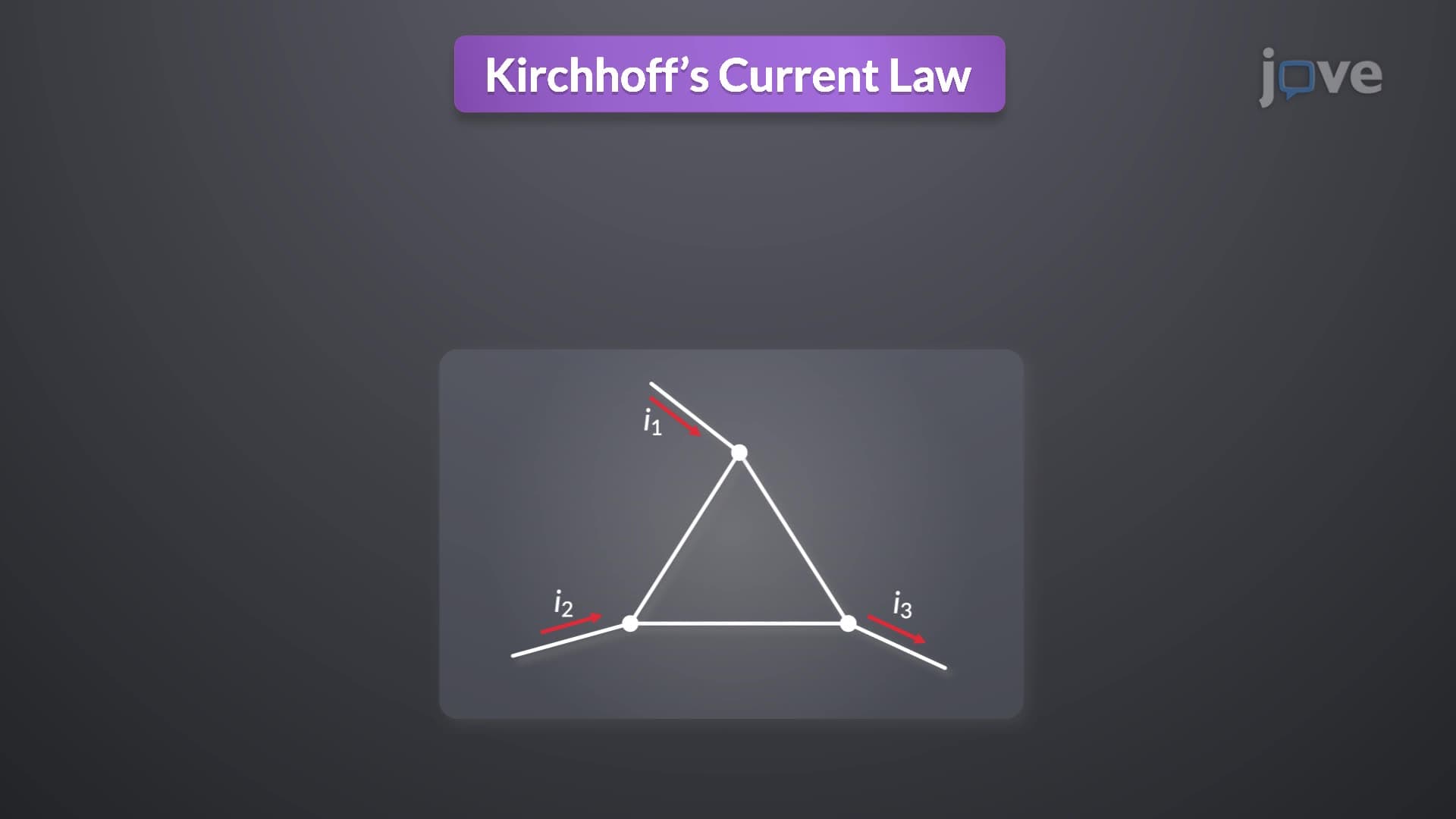
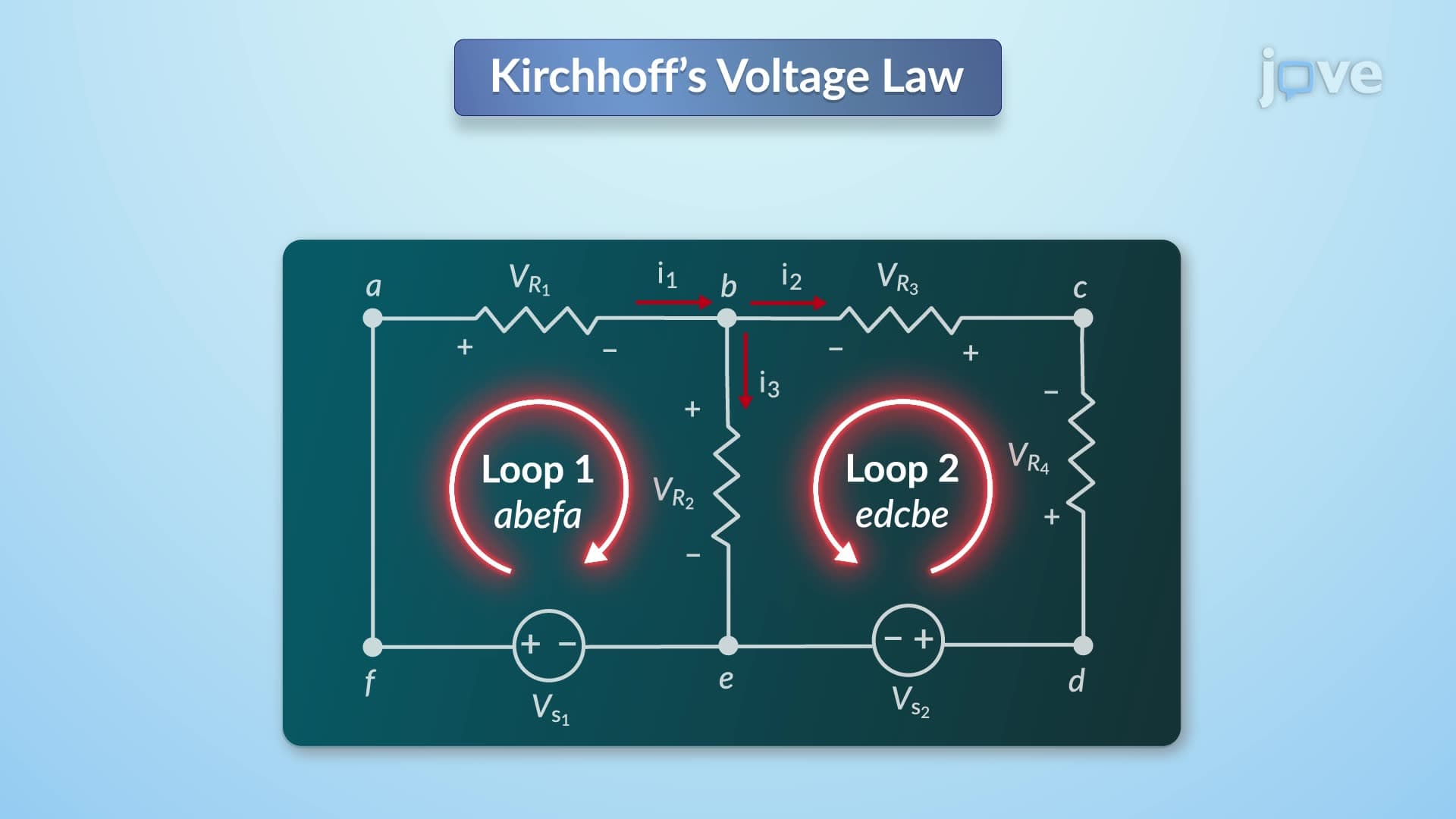
Circuit terminology frequently appears in AP Physics C exams through problems involving Kirchhoff's laws and circuit analysis. College midterms often test your ability to classify elements as active/passive and linear/non-linear, then apply superposition principles to solve complex networks. Many MCAT physics sections also include basic circuit element identification questions.
Active elements like batteries and power supplies generate energy and drive current through circuits, while passive elements like resistors and capacitors consume or store that energy. In your car, the alternator (active) charges the battery and powers the headlights (passive resistive loads) and radio capacitors (passive storage elements).
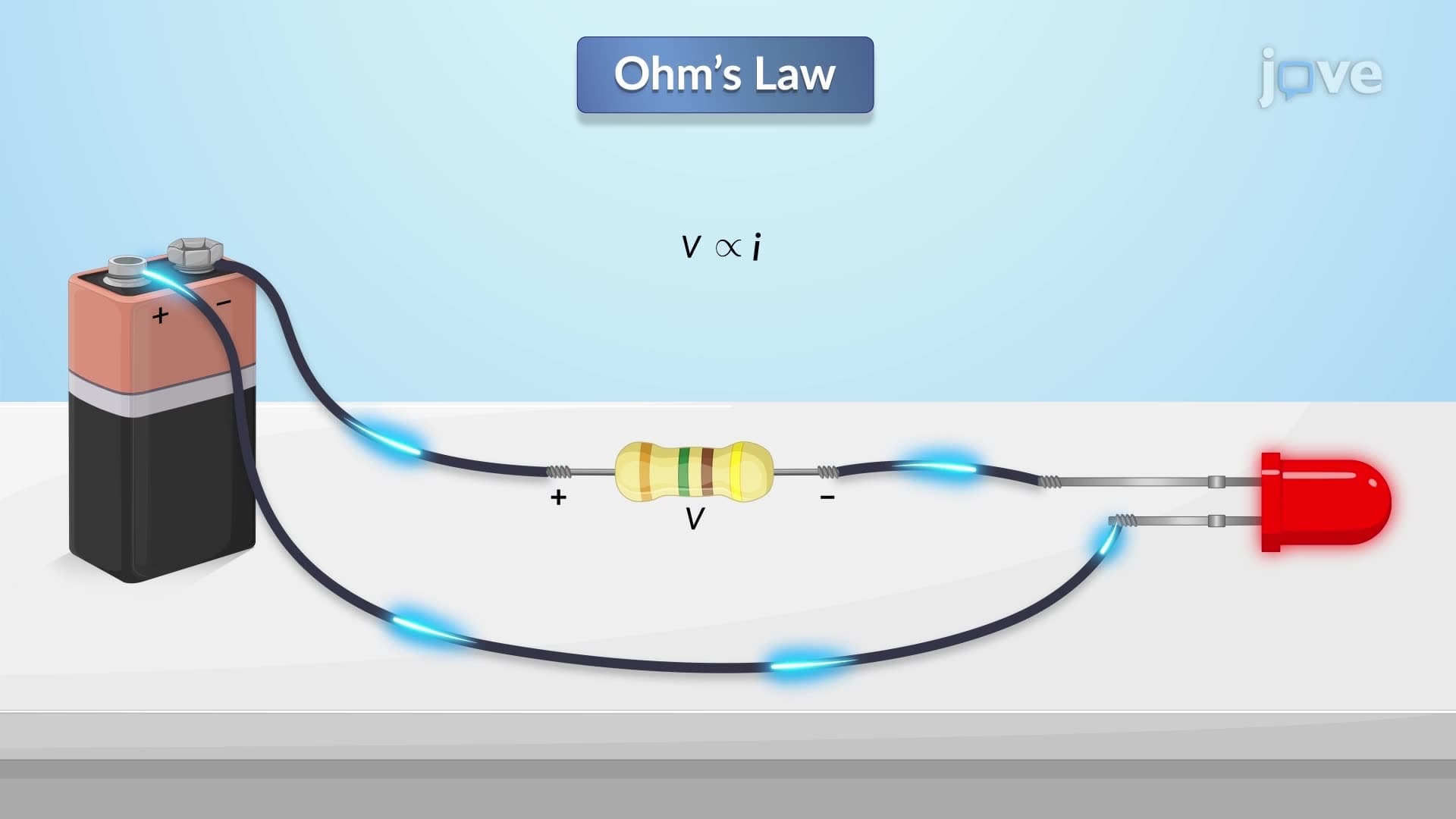
Circuit terminology builds logically from basic physics concepts you already know, like energy conservation and Ohm's law. Most students find the active/passive classification intuitive once they think about energy flow. The linear/non-linear distinction requires more practice but follows clear mathematical rules that become second nature with problem-solving experience.
Create flashcards linking each circuit element to its energy behavior (generate, consume, or store) and linearity properties. Practice identifying elements in real devices around your home, then work through circuit analysis problems progressively. Focus on applying superposition and homogeneity principles to different element combinations.
Circuit terminology knowledge proves essential for electrical engineers designing everything from smartphone charging circuits to electric vehicle powertrains at companies like Tesla and General Motors. Even mechanical engineers working on hybrid systems need this foundation to communicate effectively with electrical teams and understand system integration requirements.
After mastering circuit terminology basics, explore AC circuit analysis with phasors, operational amplifier circuits, and digital logic gates. Advanced courses in signals and systems, electromagnetic theory, and power electronics at universities like UC Berkeley or Georgia Tech build directly on these fundamental circuit element concepts.
Related Micro-courses
Related Subjects
 Civil Engineering 30 micro-courses›Mechanical Engineering 28 micro-courses›