Loading subject page…

- Electrical Engineering
- Basics of Electric Circuits
- Power and Energy
Micro-course: Basics of Electric Circuits
23,690 views
Learn key concepts and earn your certificate.

Power and Energy

00:00
01:12
Video Summary: What Is Power and Energy
Ever wonder why your smartphone battery drains faster when streaming Netflix compared to just texting? This happens because different electric circuit elements consume power at varying rates. Understanding what is power and energy reveals how voltage and current work together in circuits, from the simple LED in your calculator to complex systems in Tesla's electric vehicles. The relationship between these fundamental concepts determines everything from battery life to electrical safety standards across American homes and industries. Watch the full video on JoVE Coach to master this concept with expert-led visuals and step-by-step explanations.
- Understand what is power and energy in electrical circuits and how they relate to voltage and current flow through circuit elements
- Identify the difference between power (rate of energy transfer) and energy (total work done) in electrical systems
- Analyze how the passive sign convention determines whether electric circuit elements absorb or supply power
- Compare power consumption across different types of electric circuit elements in common household devices
- Evaluate energy conservation principles and verify that total power supplied equals total power absorbed
- Apply power-energy calculations to determine battery runtime for devices like portable speakers or gaming controllers
- Recognize the relationship between instantaneous power and accumulated energy over time
- Explore practical applications of power and energy concepts in American electrical standards and safety codes
Understanding What is Power And Energy in Electrical Circuits
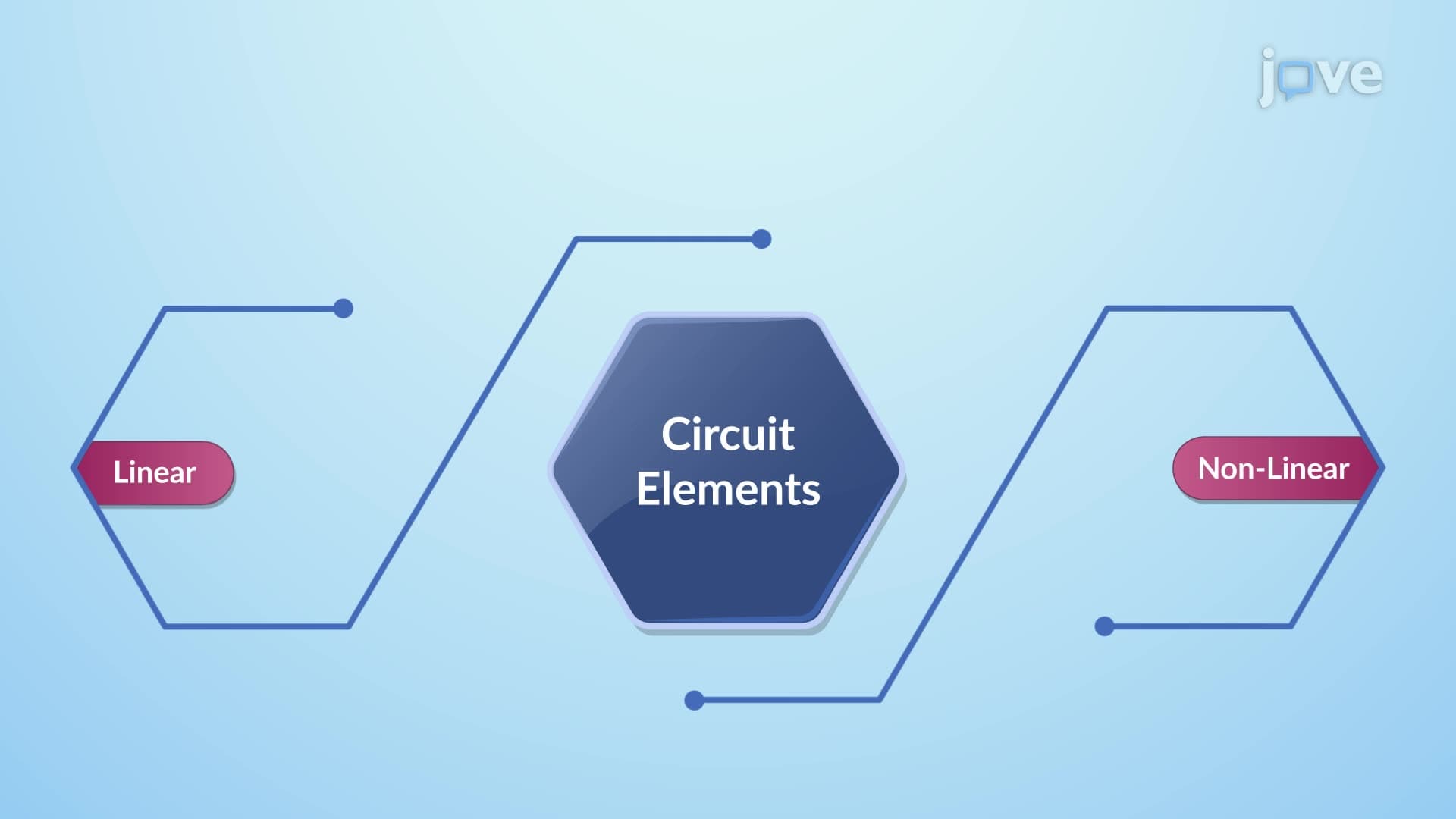
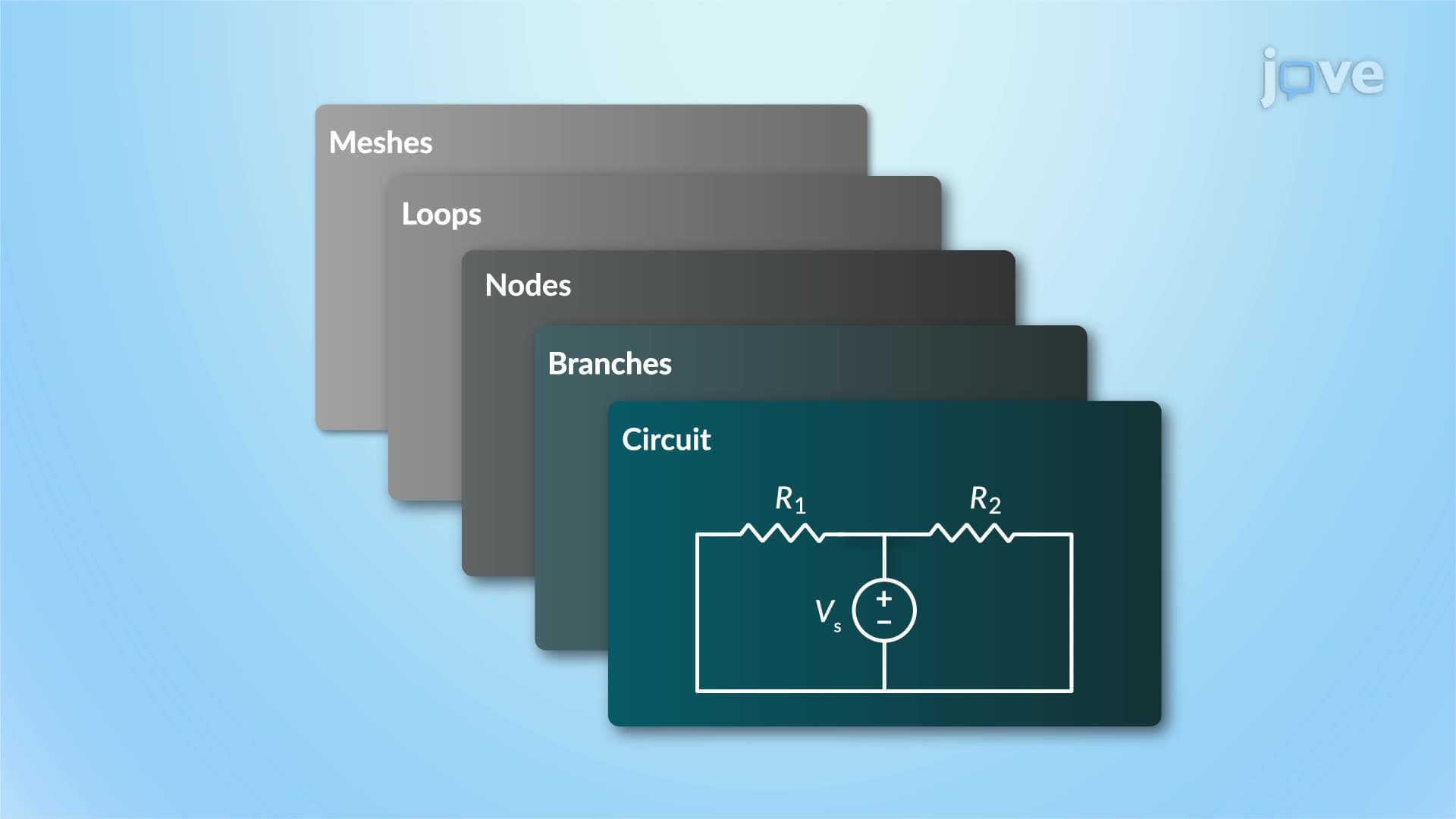
Electric circuit elements are the building blocks of every electrical device, from your iPhone charger to the massive generators powering New York City's electrical grid. To truly grasp how these elements function, you must understand the fundamental relationship between power and energy in electrical systems.
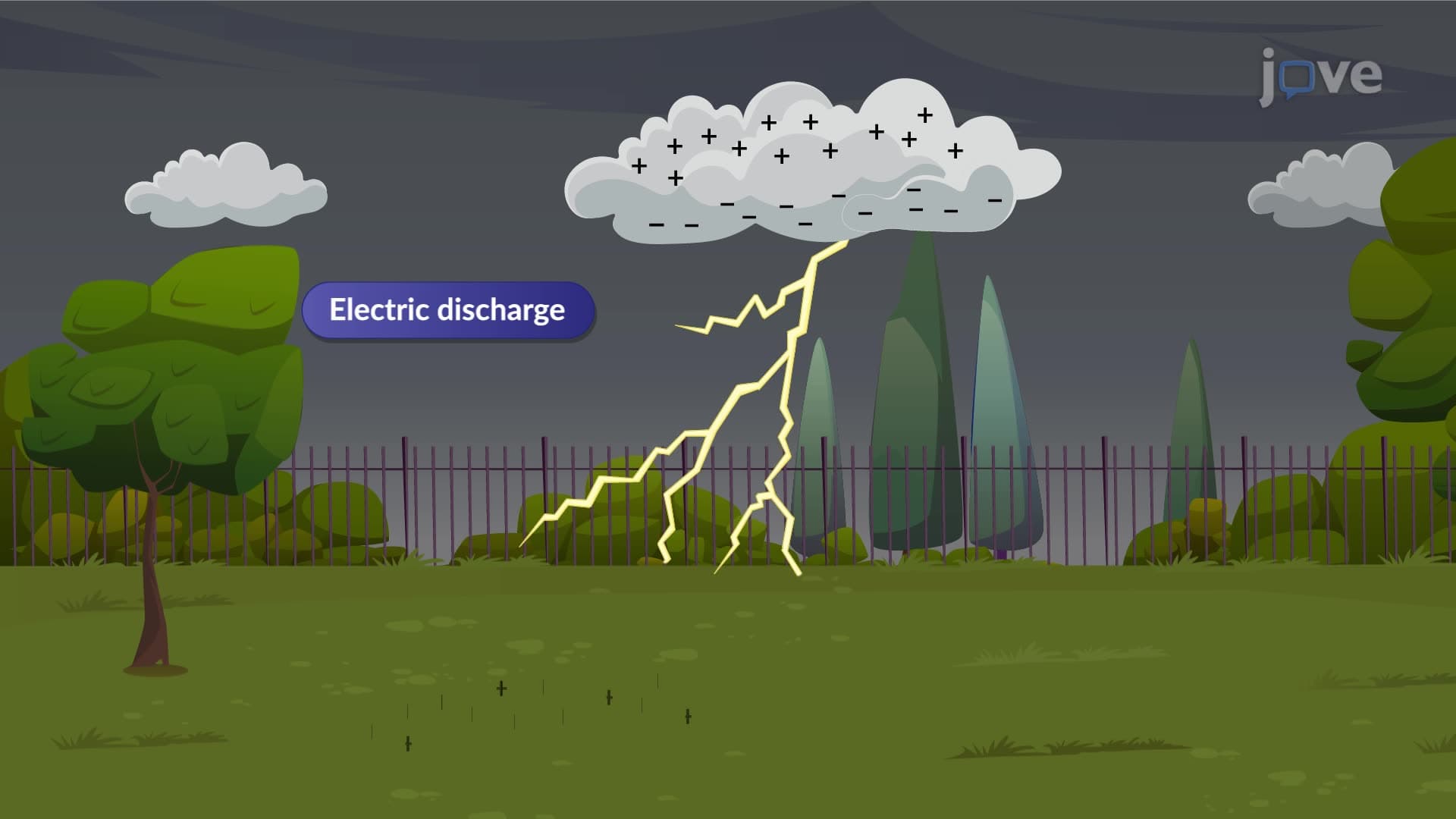
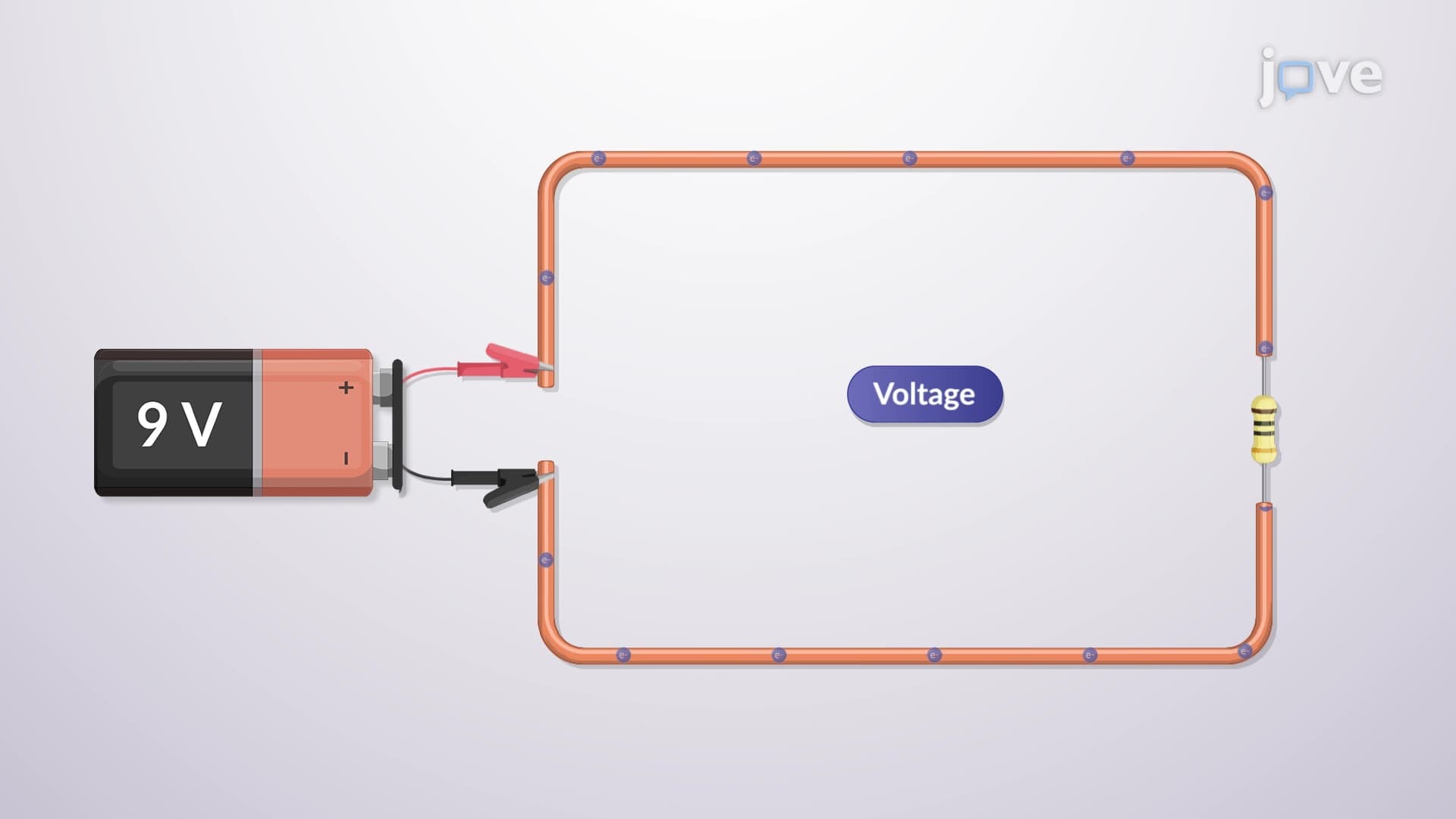
Energy represents the total work required to move electrical charges through a circuit. When you plug your laptop into a wall outlet, the 120V household voltage does work to push current through the laptop's internal circuitry. Higher voltages perform more work per unit charge, explaining why industrial facilities use 480V systems for heavy machinery while homes safely operate at 120V/240V.
Power: The Rate of Energy Transfer
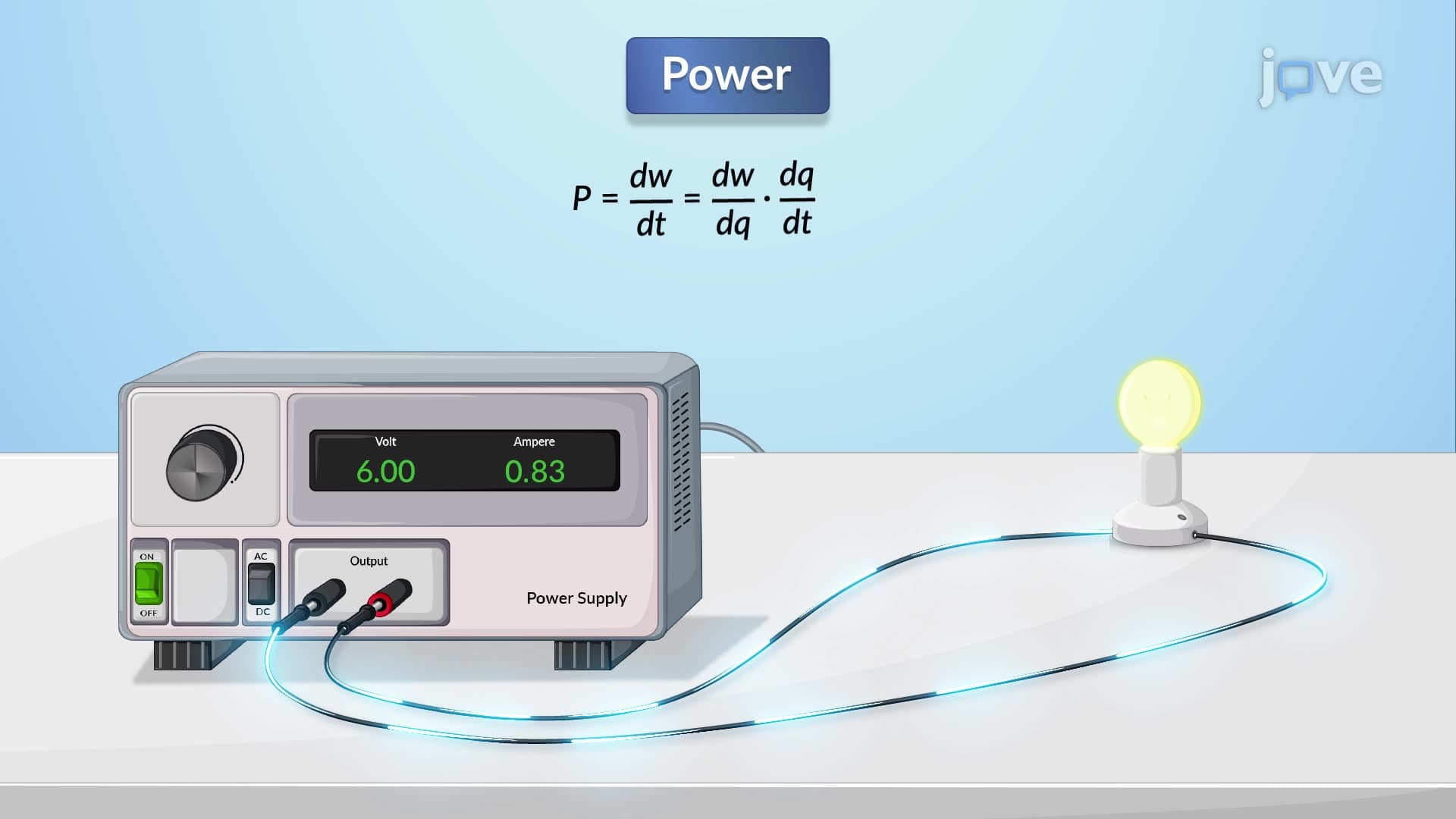
Power measures how quickly energy flows through electric circuit elements, expressed in watts (named after Scottish inventor James Watt). This concept directly impacts your daily life-a 60W incandescent bulb consumes energy 60 times faster than a 1W LED, explaining the dramatic difference in your electricity bill.
The mathematical relationship P = VI (power equals voltage times current) reveals why high-voltage power lines efficiently transport electricity across states. By increasing voltage and reducing current for the same power transfer, utility companies minimize energy losses over long distances.
The Passive Sign Convention and Energy Flow
Types of electric circuit elements behave differently regarding energy flow, following the passive sign convention. When current enters an element's positive terminal, the element absorbs power (like a resistor heating up). Conversely, when current exits the positive terminal, the element supplies power (like a battery or generator).
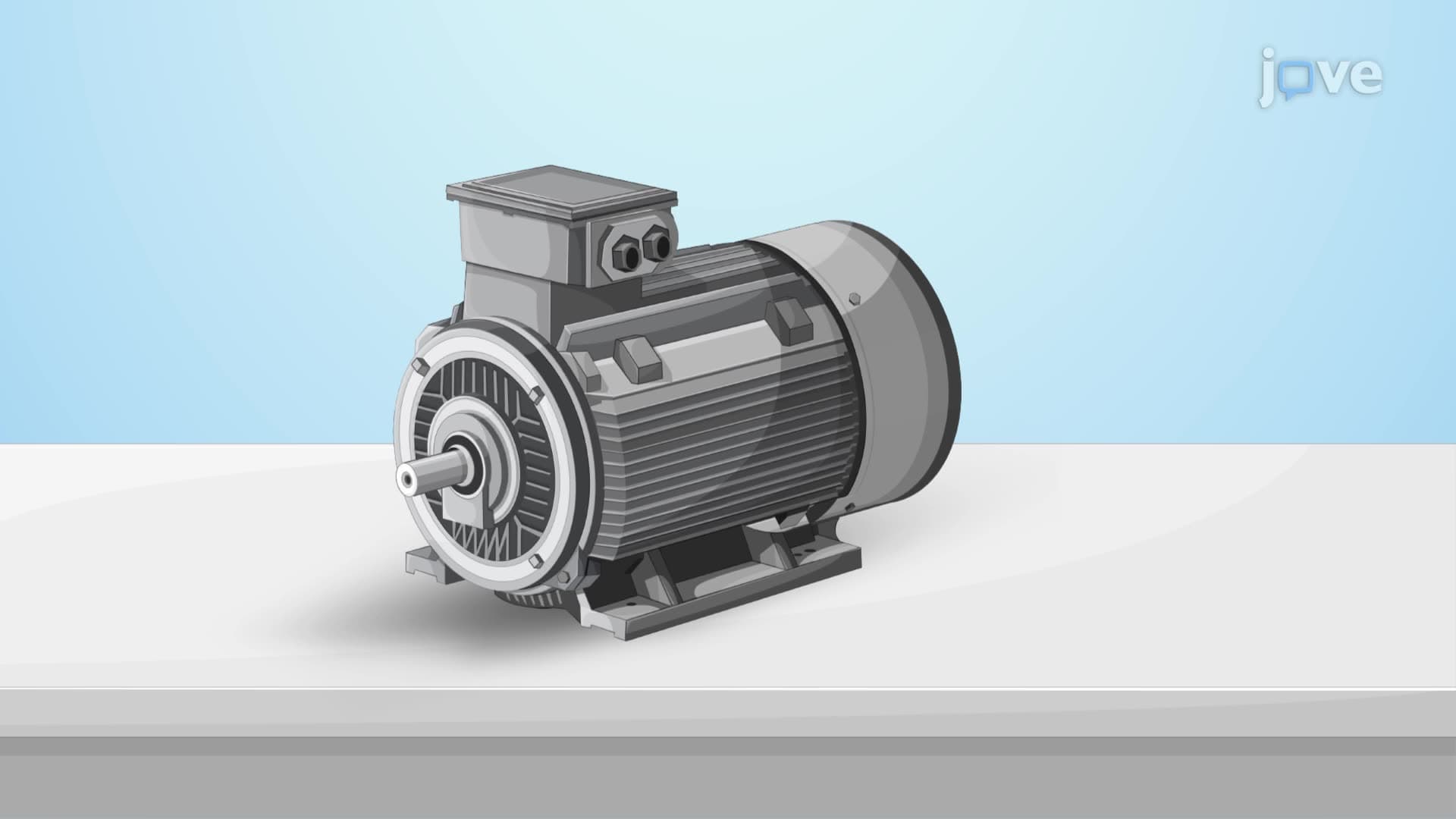
This principle governs everything from the alternator in your car (which supplies power to charge the battery) to the electric motor in a Tesla Model 3 (which absorbs power during acceleration but can supply power back to the battery during regenerative braking).
Energy Conservation and Practical Applications
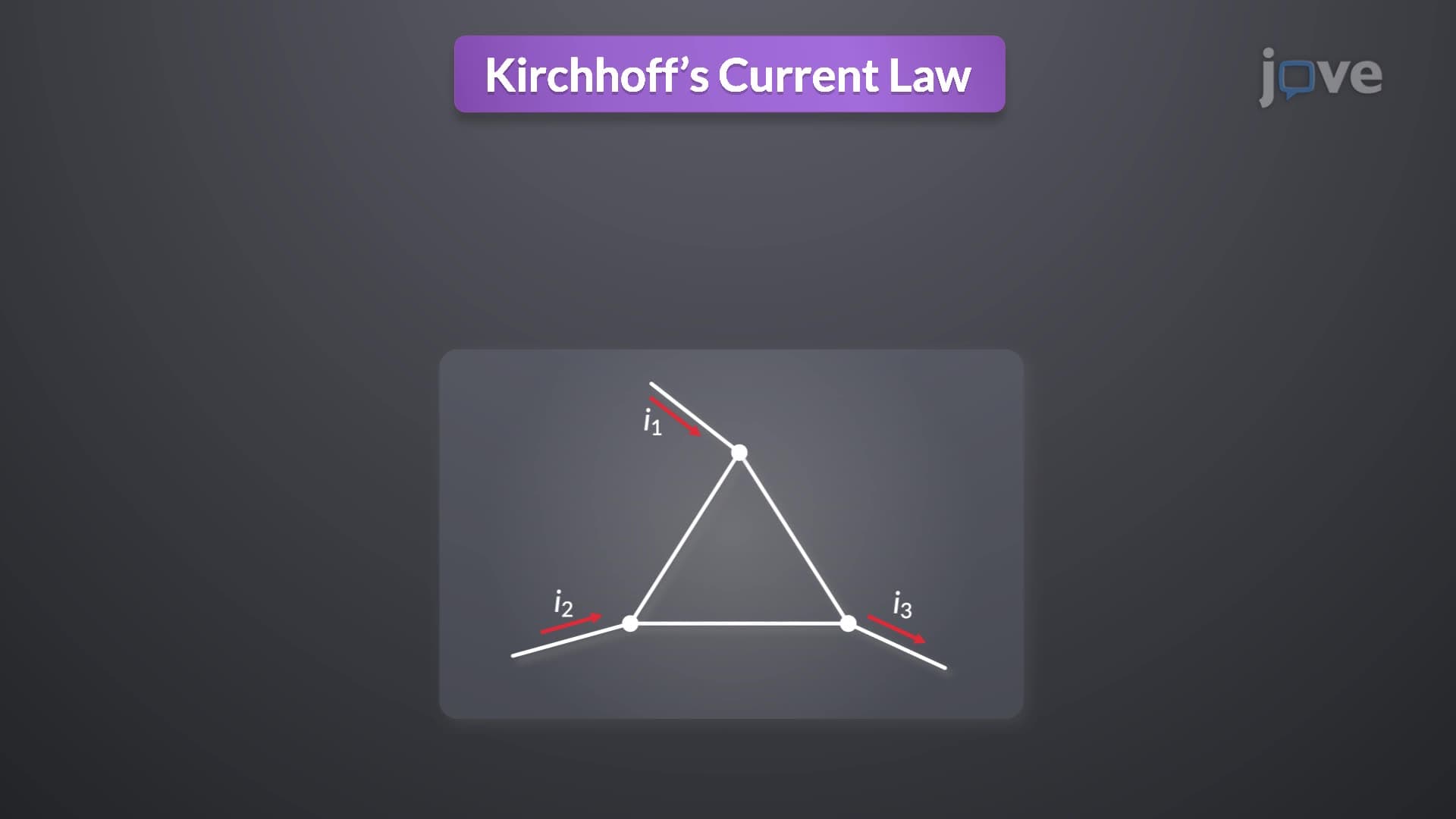
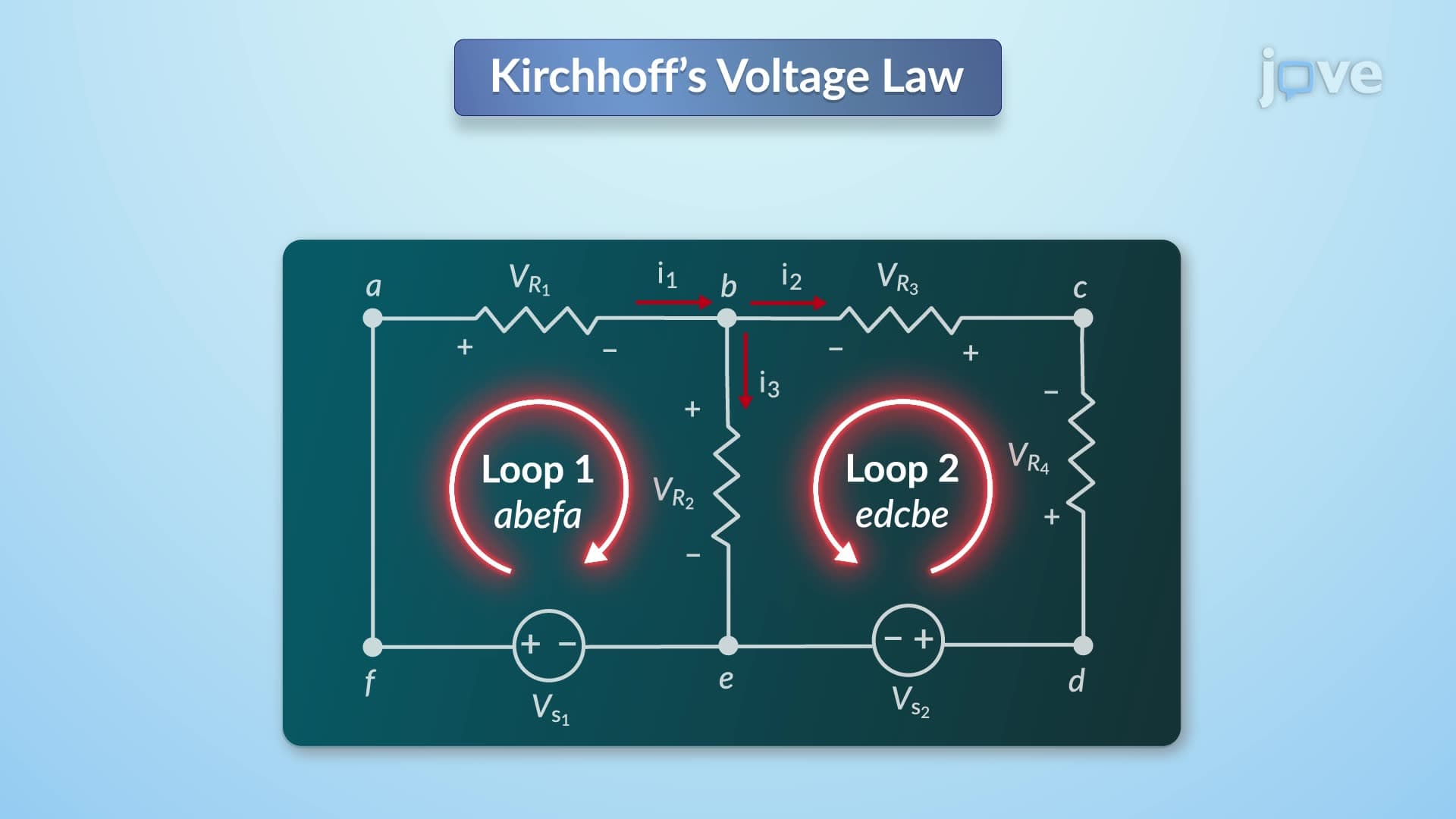
Kirchhoff's power law states that total power supplied must equal total power consumed-a fundamental principle tested extensively on AP Physics exams and college electrical engineering courses. This conservation law enables engineers to design safe electrical systems and helps you calculate device runtime.
For example, if your Bluetooth speaker draws 2A from a 5V USB power bank with 10,000 mAh capacity, you can determine it will operate for approximately 10 hours before requiring recharging. Understanding these relationships proves essential for MCAT physics sections and engineering coursework at institutions like MIT or Stanford.
Frequently Asked Questions
Power is the rate at which electrical energy flows through circuit elements, measured in watts, while energy is the total work done to move charges through the circuit. Power determines how quickly a device consumes battery life, while energy represents the total capacity available for consumption.
AP Physics 1 and 2 frequently test power calculations using P = VI and energy relationships through circuit analysis problems. Students must apply the passive sign convention to determine whether circuit elements supply or absorb power, often in context of household appliances or automotive systems.
The MCAT Physics section tests power and energy in biological contexts, such as nerve impulse transmission and medical device operation. Understanding how voltage and current relate to power helps with questions about defibrillators, pacemakers, and diagnostic equipment used in American hospitals.
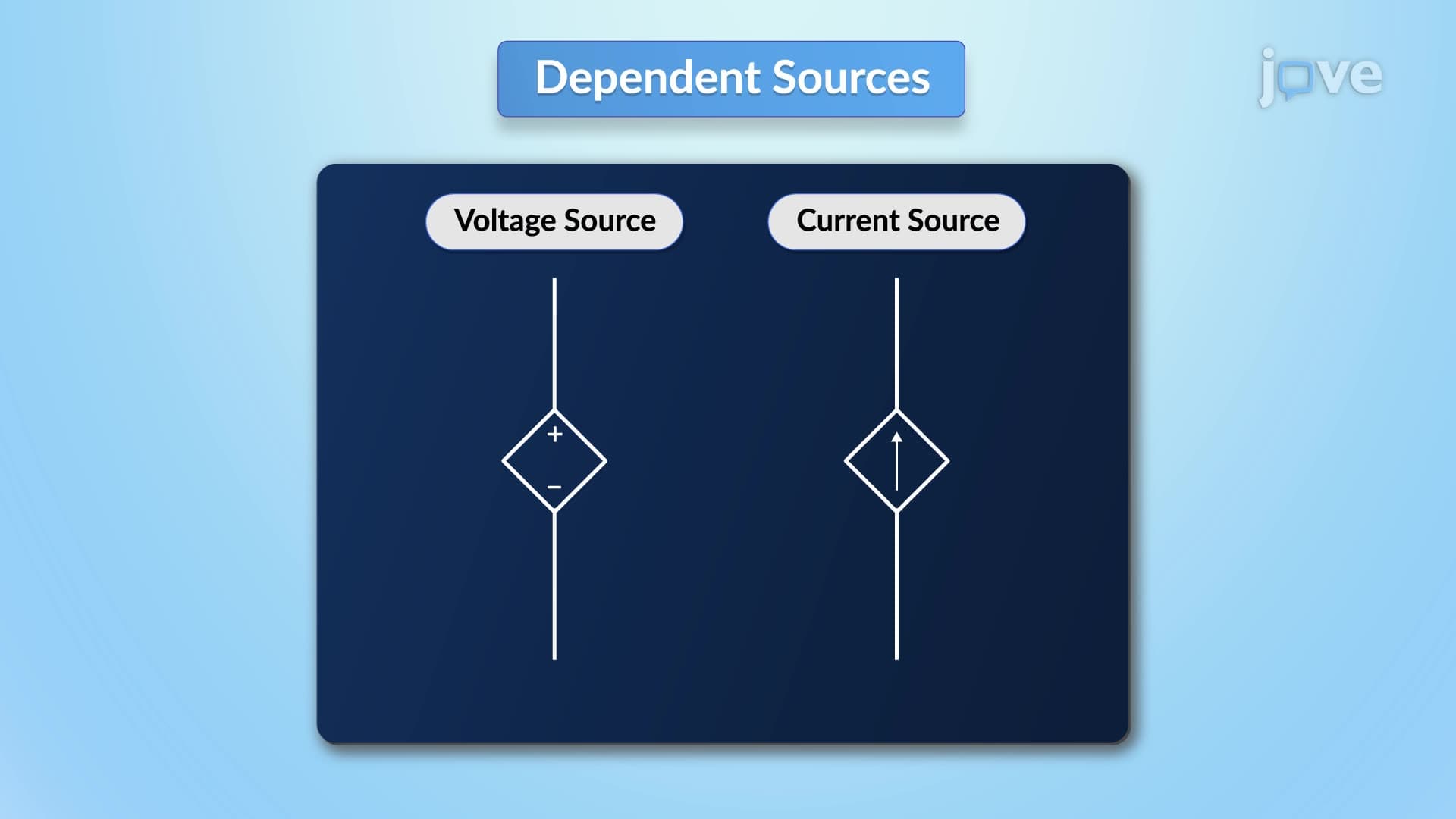
Resistive elements (like heating coils) convert electrical power to heat, capacitive elements store energy temporarily, and inductive elements oppose current changes. Your microwave's magnetron tube, smartphone's processor, and car's ignition system each contain different circuit elements that consume power differently.
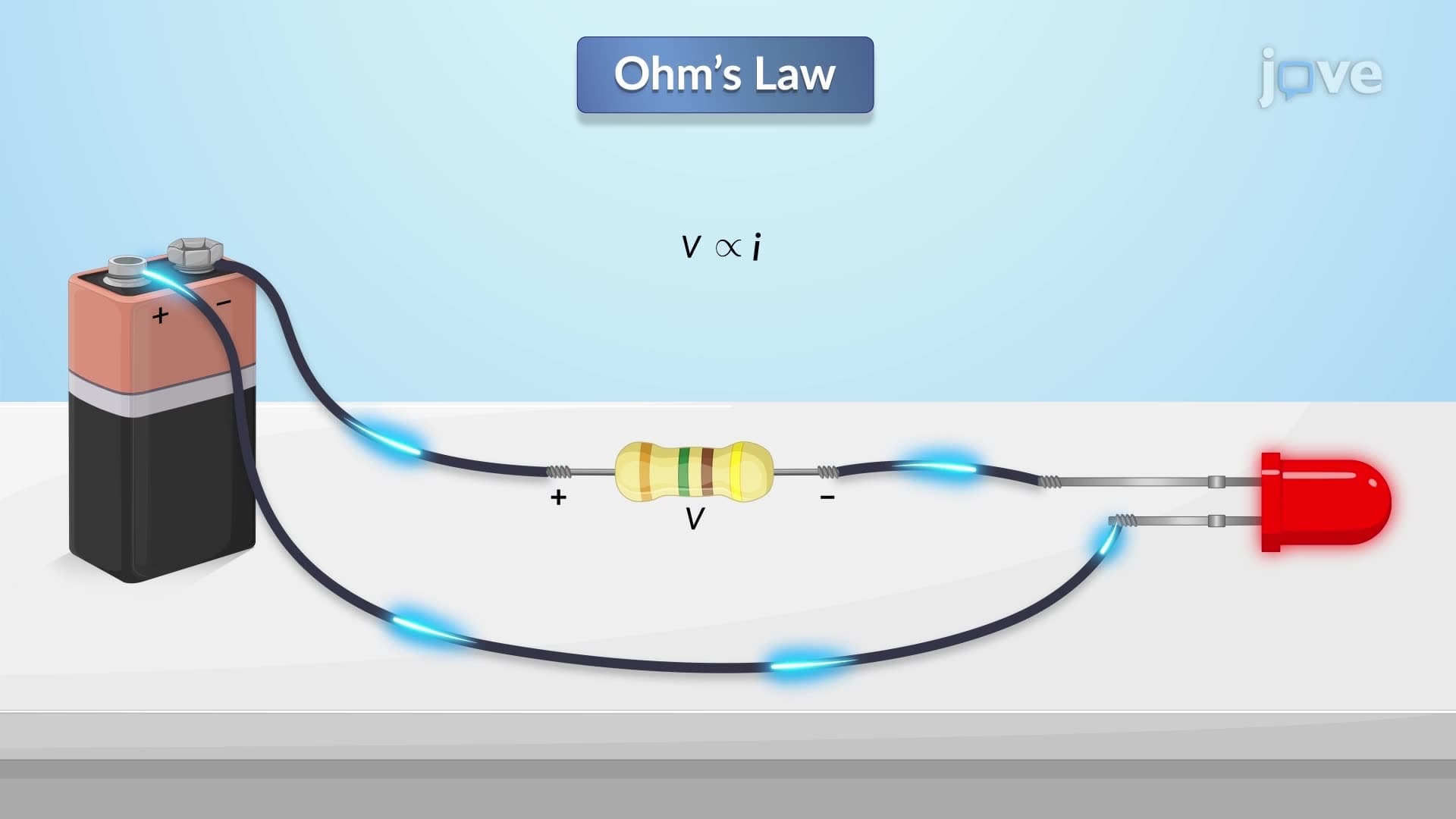
Basic algebra suffices for most power and energy calculations in high school and introductory college courses. The key formulas (P = VI, E = Pt) require only multiplication and division, making these concepts accessible to students comfortable with Ohm's law.
Connect formulas to familiar devices-remember P = VI by thinking "Power equals Voltage times Intensity (current)" and visualize your phone charger's rating label. Practice with real examples like calculating your gaming console's monthly electricity cost to reinforce the relationships.
Explore AC power analysis, complex impedance, and three-phase systems commonly used in American industrial applications. These topics prepare you for electrical engineering programs at universities like Georgia Tech or advanced physics courses covering electromagnetic theory.
The Department of Energy sets efficiency standards based on power consumption ratios for appliances. Understanding how different circuit elements affect power draw helps explain why LED bulbs earn ENERGY STAR ratings while incandescent bulbs consume significantly more power for equivalent light output.
Related Micro-courses