Loading…
Loading video…

23,674 views
Every time you plug your iPhone charger into a wall outlet, you're harnessing the power and energy that drives our modern world through a fundamental concept called voltage. Understanding power and energy begins with grasping what voltage truly represents—the electrical force that moves electrons through conductors like the copper wires in your home. From the 120-volt AC power in American households to the 12-volt DC systems in cars, voltage governs how electrical energy flows through circuits. Watch the full video on JoVE Coach to master this concept with expert-led visuals and step-by-step explanations.
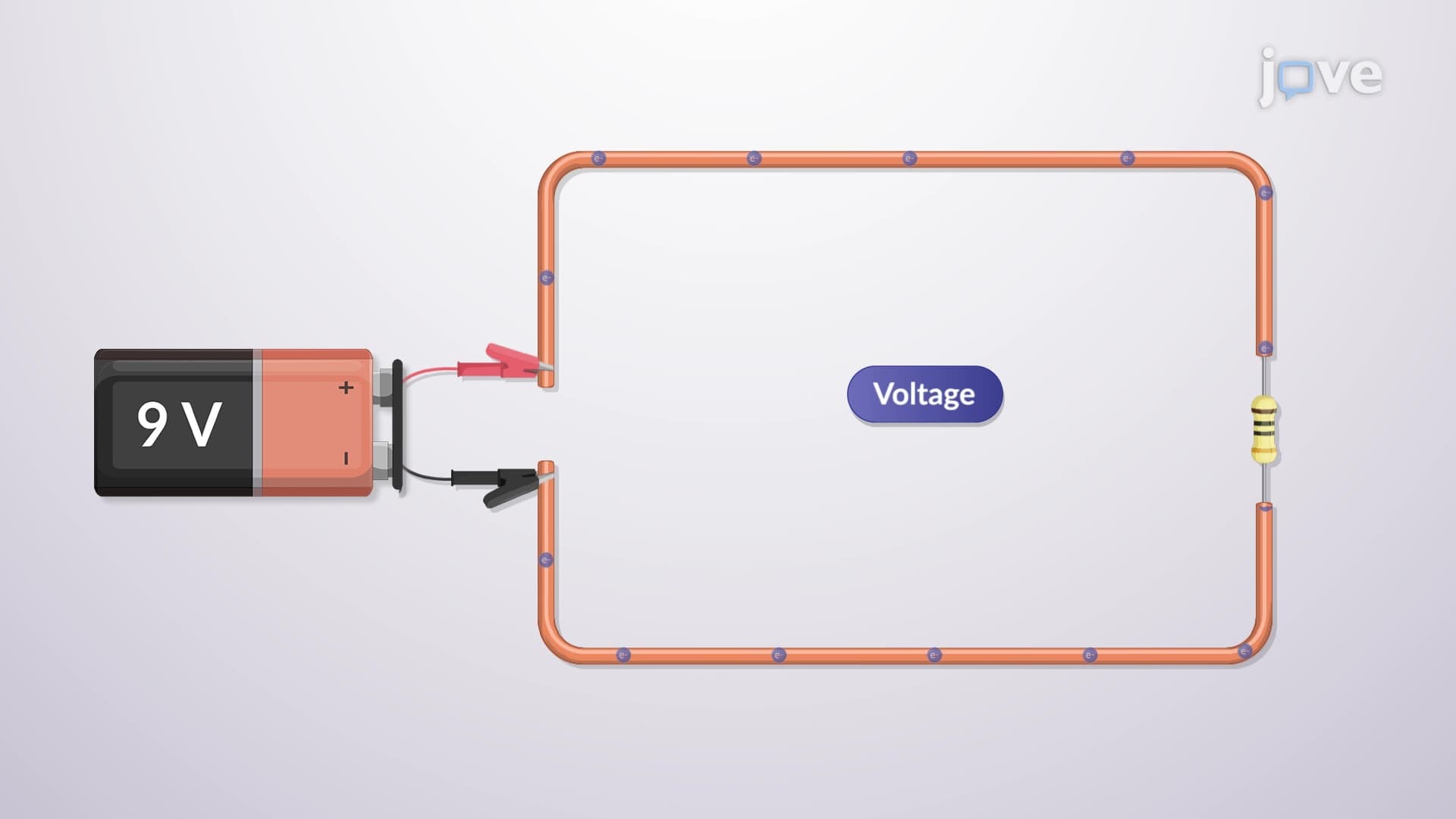
Voltage represents one of the most fundamental concepts in electrical engineering and physics, serving as the driving force behind virtually every electronic device we use daily. Think of voltage as the "electrical pressure" that pushes electrons through conductors, similar to how water pressure pushes water through pipes. This electromotive force provides the energy necessary to move electric charge from one point to another, making it essential for understanding power and energy in electrical systems.
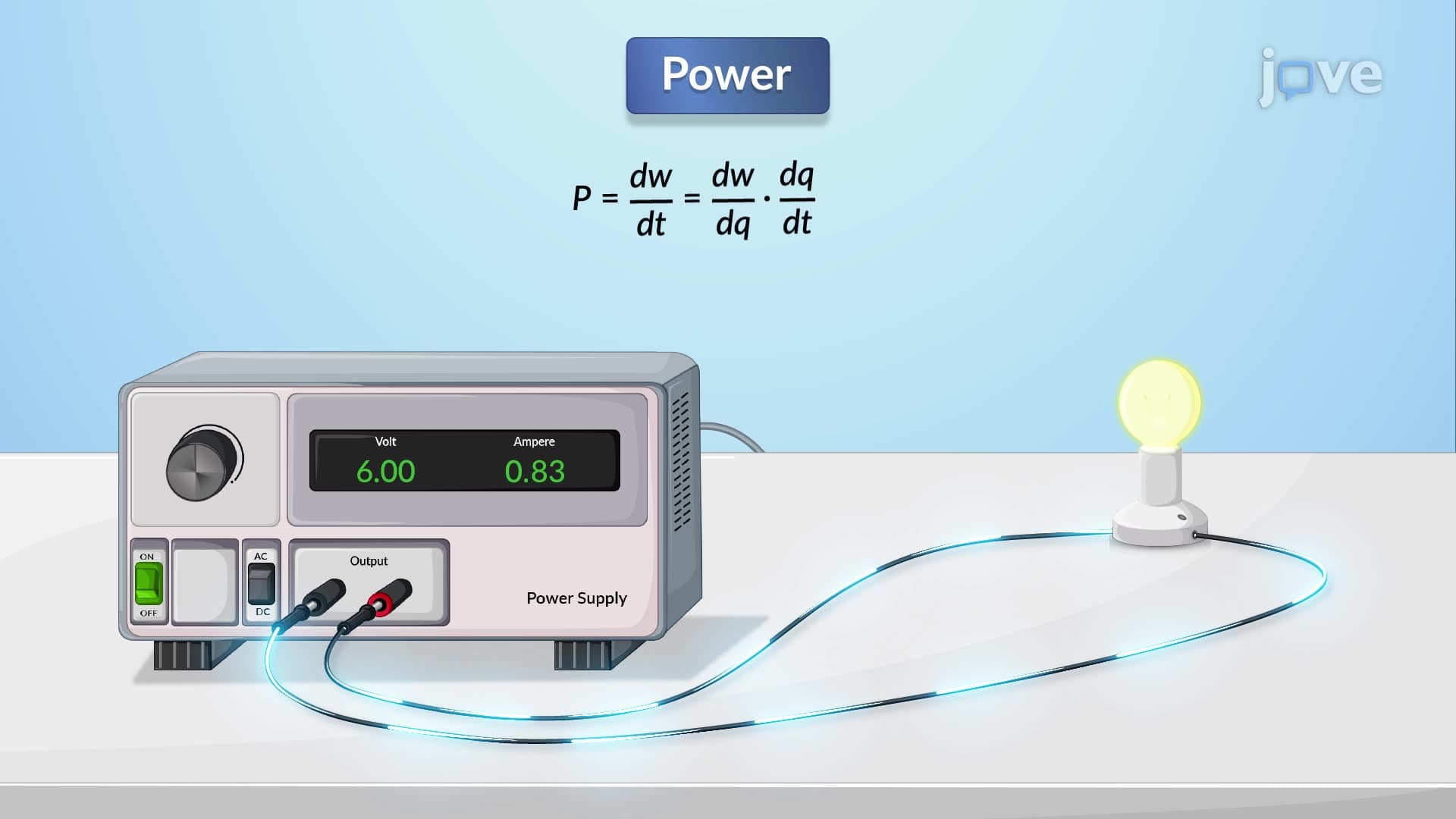
When exploring the power and energy definition within electrical systems, voltage plays a central role. Voltage, measured in volts (V), quantifies the potential difference between two points in a circuit. This potential difference represents the amount of energy required to move one unit of electric charge between those points. In mathematical terms, if it takes one joule of energy to move one coulomb of charge between two points, the voltage between those points is one volt. This relationship forms the foundation for calculating electrical power (P = VI) and energy consumption in everything from smartphone batteries to industrial machinery.
Understanding what is power and energy in detail requires distinguishing between direct current (DC) and alternating current (AC) voltage sources. DC voltage, produced by batteries and solar panels, maintains a constant value and polarity over time. You'll find DC voltage in portable devices like laptops (typically 19V), electric vehicles (400V+), and residential solar installations. Conversely, AC voltage varies sinusoidally with time, as generated by power plants and delivered through the electrical grid. In the United States, household AC voltage is standardized at 120V (single-phase) and 240V (split-phase), operating at 60 Hz frequency.
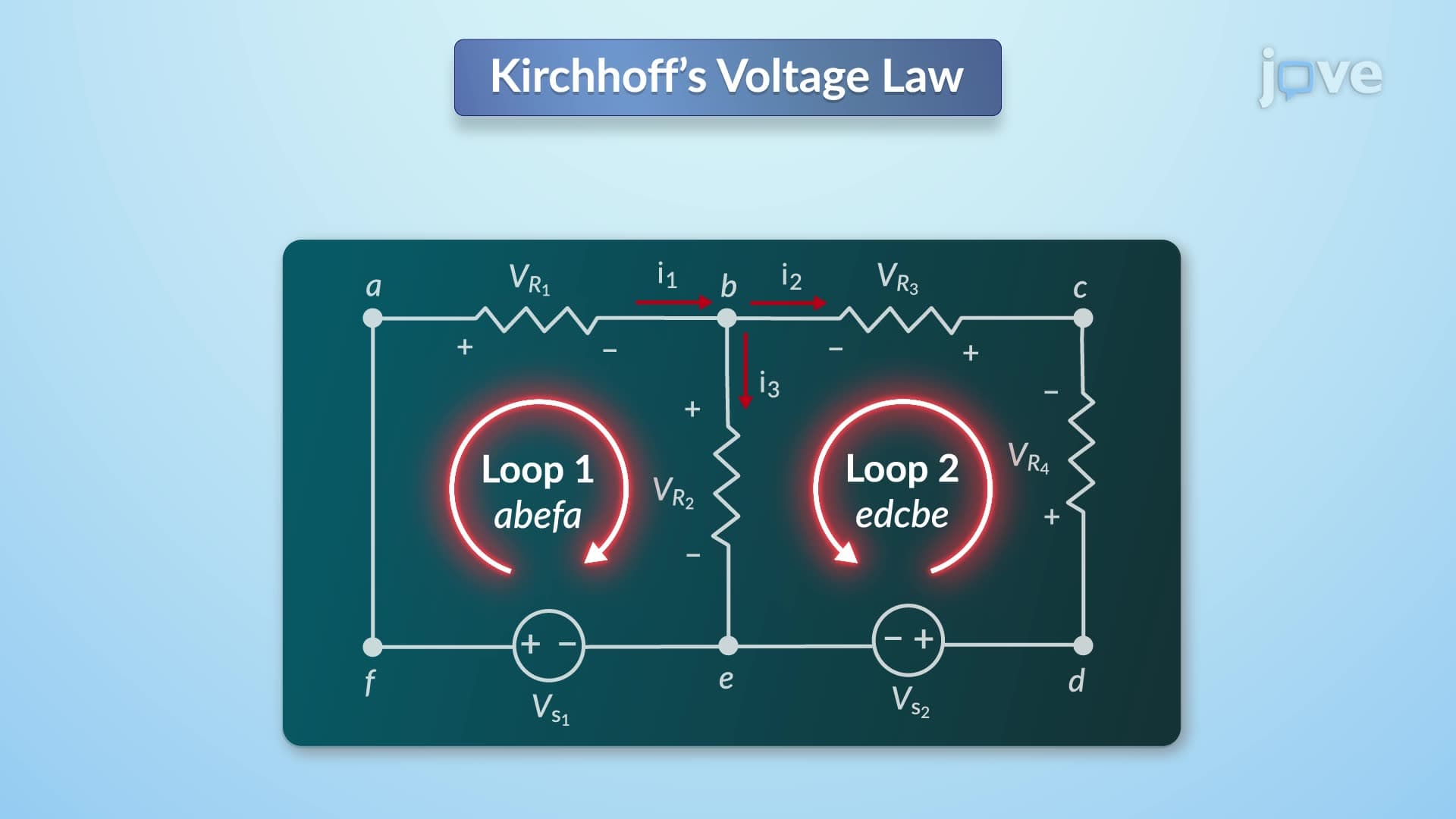
Mastering voltage concepts proves crucial for success on standardized tests including AP Physics, SAT Subject Tests, and college-level electrical engineering courses. Students frequently encounter voltage problems involving Kirchhoff's voltage law, which states that the sum of voltage drops around any closed circuit loop equals zero. This principle applies directly to analyzing complex circuits in homework assignments and laboratory experiments. Additionally, understanding voltage safety becomes paramount when working with electrical systems—standard household voltage (120V) can be dangerous, while the 12V systems in automotive applications are generally considered safer for hands-on learning experiences.
Frequently Asked Questions
Voltage is the electrical potential difference between two points that drives electron flow through conductors. It represents the energy required to move electric charge and is measured in volts, forming the fundamental basis for all electrical power systems from batteries to power grids.
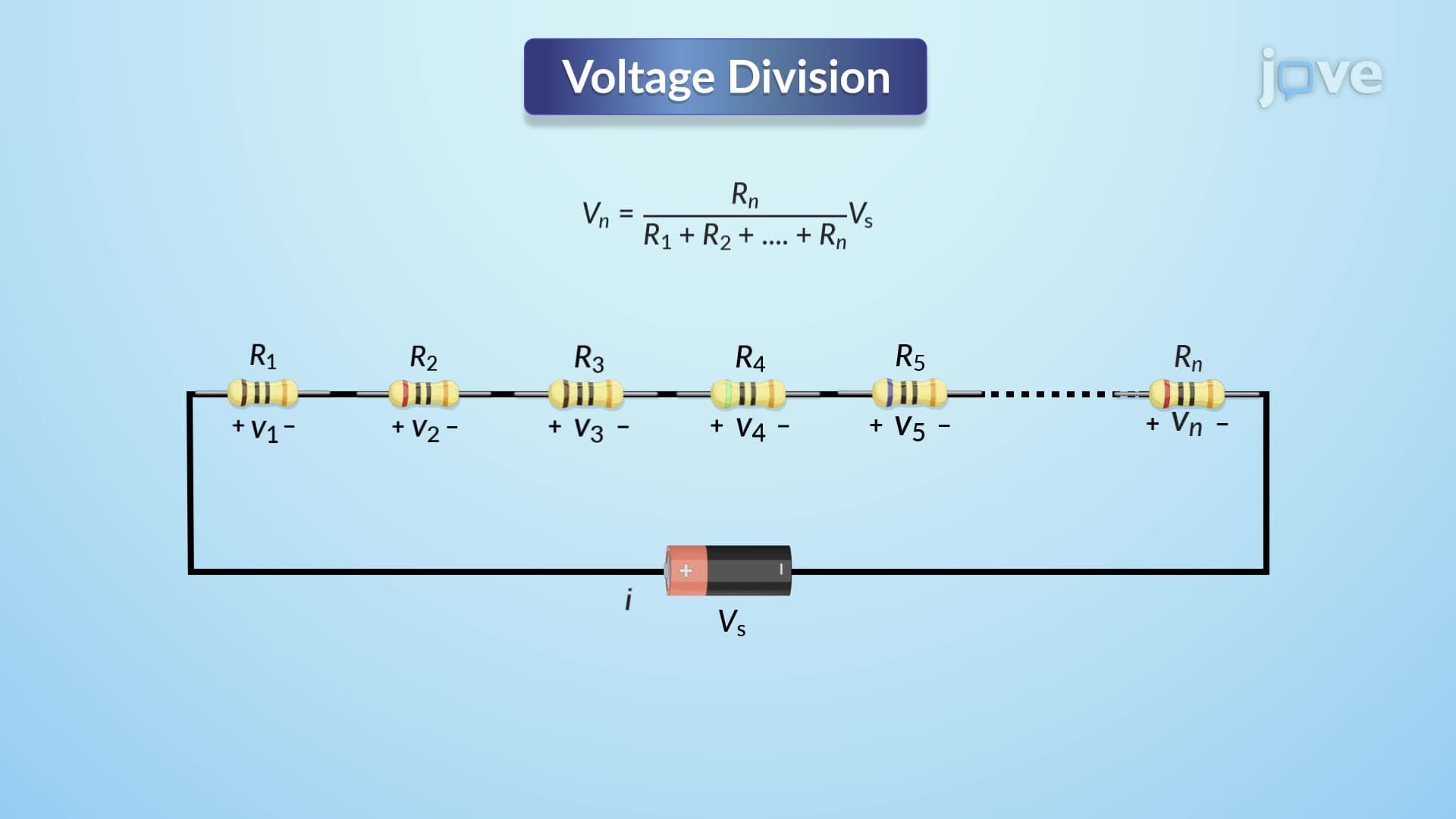
AP Physics and college electrical engineering exams frequently test voltage through circuit analysis problems, Kirchhoff's laws, and power calculations. Students must demonstrate understanding of potential difference, voltage division, and the relationship between voltage, current, and resistance in both DC and AC circuits.
For MCAT physics sections, DC voltage remains constant (like battery power), while AC voltage varies sinusoidally over time (like household electricity). Understanding both types helps solve problems involving electrical circuits in biological systems and medical devices covered in the exam.
US households use 120V AC for standard outlets and 240V for large appliances like electric dryers and stoves. Electric vehicles operate on 400V+ DC systems, while USB devices use 5V DC, demonstrating voltage's role in powering everything from smartphones to Tesla cars.
Voltage concepts are accessible to high school students with basic algebra skills. The fundamental idea—electrical "pressure" that moves charges—builds naturally from simple analogies like water pressure in pipes, making it manageable for students in introductory physics courses.
Focus on practicing circuit diagrams, memorizing key relationships (V = IR, P = VI), and working through step-by-step problem sets. Create voltage concept maps linking potential difference, electromotive force, and energy transfer to reinforce understanding before tests.
Progress to current and resistance to complete Ohm's law, then explore electrical power and energy calculations. Advanced topics include capacitance, inductance, and AC circuit analysis, which build directly on foundational voltage principles.
Understanding voltage levels helps assess electrical hazards—household 120V requires caution, while low-voltage DC circuits (under 12V) are generally safe for hands-on experiments. This knowledge proves essential for engineering internships and laboratory research positions.
Related Micro-courses
Related Subjects
 Civil Engineering 30 micro-courses›Mechanical Engineering 28 micro-courses›