Loading…
Loading video…

23,674 views
Ever wonder how your smartphone screen knows exactly where you touched it? The nodal analysis method for dc circuit analysis plays a crucial role in understanding resistive touchscreen technology. When you press your iPhone or Android screen, you're creating a voltage divider circuit that engineers at companies like Apple and Samsung analyze using fundamental DC circuit principles. This design example resistive touchscreen demonstrates how electrical engineering concepts translate into everyday technology we use millions of times daily. Watch the full video on JoVE Coach to master this concept with expert-led visuals and step-by-step explanations.
The design example resistive touchscreen represents a perfect intersection of electrical engineering theory and consumer technology. Unlike capacitive touchscreens found in most modern smartphones, resistive touchscreens operate on fundamental DC circuit principles that make them ideal for learning nodal analysis method for dc circuit analysis.
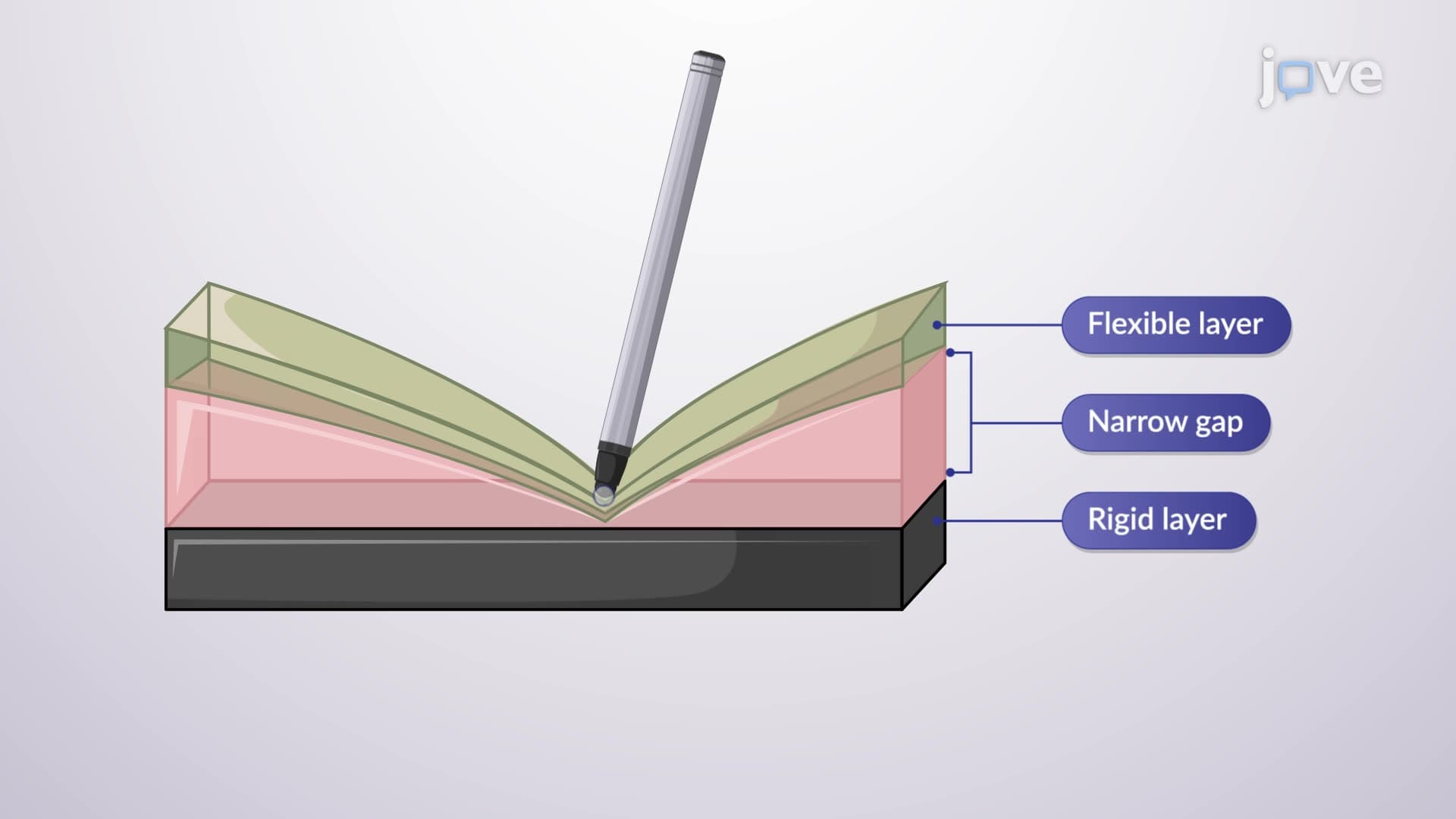
When engineers design resistive touchscreens, they apply the nodal analysis method for dc circuit analysis explained through voltage divider principles. The system consists of two conductive layers—typically made of indium tin oxide (ITO)—separated by microscopic spacer dots. The top flexible layer and bottom rigid layer maintain high resistance when separated, but touching creates a low-resistance path at the contact point.
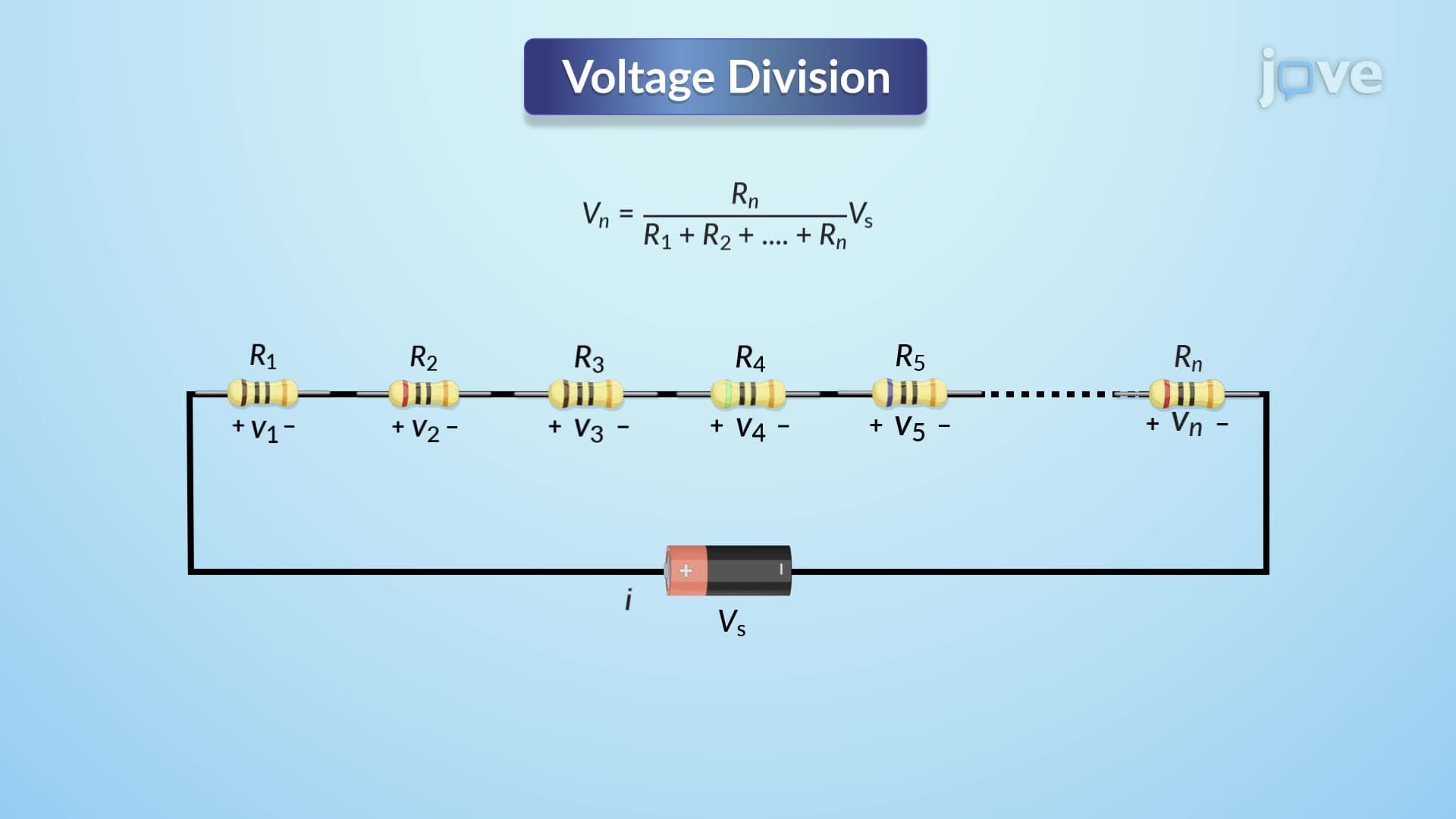
This configuration creates a classic voltage divider circuit where the touchpoint effectively splits the top layer into two resistors. Using Ohm's law and voltage divider equations, engineers can determine: V(touchpoint) = V(source) × R(position)/R(total). The nodal analysis method for dc circuit analysis concept becomes essential here, as engineers must analyze multiple nodes to determine both X and Y coordinates simultaneously.
Major US manufacturers like 3M and Elo TouchSystems use these principles in industrial touchscreens for medical devices, retail kiosks, and manufacturing equipment. The nodal analysis method basics help engineers optimize touchscreen sensitivity, reduce power consumption, and improve accuracy. For instance, hospitals across the US rely on resistive touchscreens in patient monitoring systems because they work with gloved hands—a critical advantage over capacitive screens.
Students preparing for the AP Physics exam will encounter similar voltage divider problems, while electrical engineering majors at schools like MIT and Stanford study these principles in introductory circuits courses. The understanding nodal analysis method for dc circuit analysis becomes foundational for advanced topics like operational amplifiers and filter design. Companies like Texas Instruments and Analog Devices regularly ask interview questions about voltage dividers and nodal analysis, making this knowledge professionally valuable.
This nodal analysis method for dc circuit analysis study guide application demonstrates how theoretical concepts directly translate to consumer products, bridging the gap between classroom learning and real-world engineering challenges.
Frequently Asked Questions
A design example resistive touchscreen is a touch-sensitive interface that uses two conductive layers and voltage divider principles to detect touch positions. When you press the screen, the layers contact at a specific point, creating a measurable voltage that reveals the exact touch coordinates. This technology demonstrates practical applications of DC circuit analysis in everyday electronics.
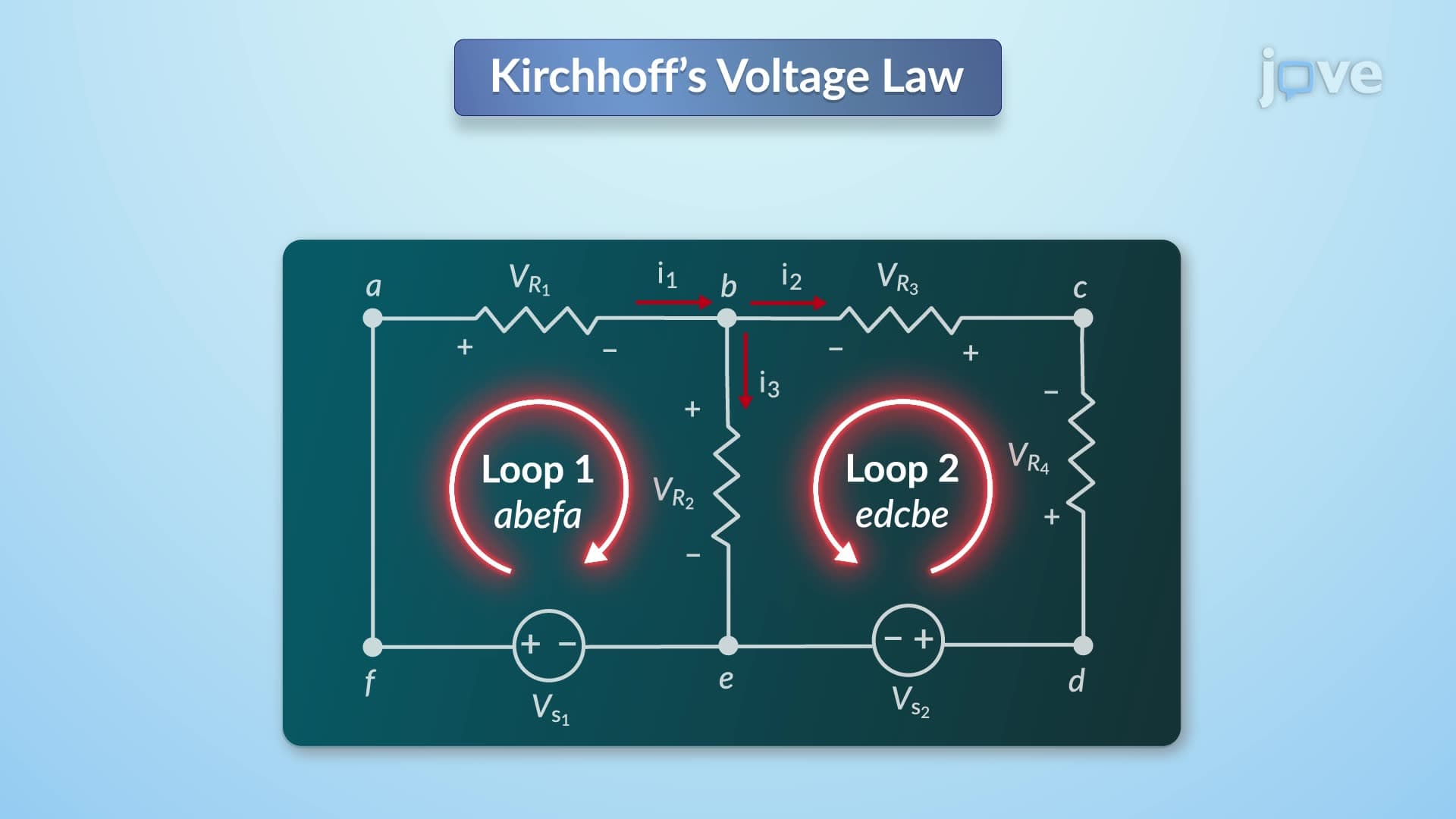
The AP Physics exam frequently includes voltage divider and nodal analysis problems similar to touchscreen circuits. Students must calculate voltages at specific nodes, apply Kirchhoff's laws, and solve for unknown resistances. Practice problems often involve analyzing circuits with multiple resistors and voltage sources, making touchscreen examples excellent preparation material.
Absolutely—nodal analysis forms the foundation for advanced circuit analysis in electrical engineering programs. Universities like UC Berkeley and Georgia Tech build entire courses around these principles. Students who master nodal analysis in introductory courses perform significantly better in advanced topics like AC analysis, operational amplifiers, and digital circuit design.
Major US companies including 3M, Elo TouchSystems, and Planar Systems manufacture resistive touchscreens for industrial applications. You'll find them in hospital equipment, retail point-of-sale systems, and manufacturing control panels across the country. While smartphones have moved to capacitive technology, resistive screens remain crucial in professional environments requiring gloved operation.
Not at all—nodal analysis builds naturally on Ohm's law and basic algebra that most high school students already know. The key is practicing with concrete examples like touchscreen circuits rather than abstract problems. Students who understand voltage dividers typically master nodal analysis within a few weeks of focused study.
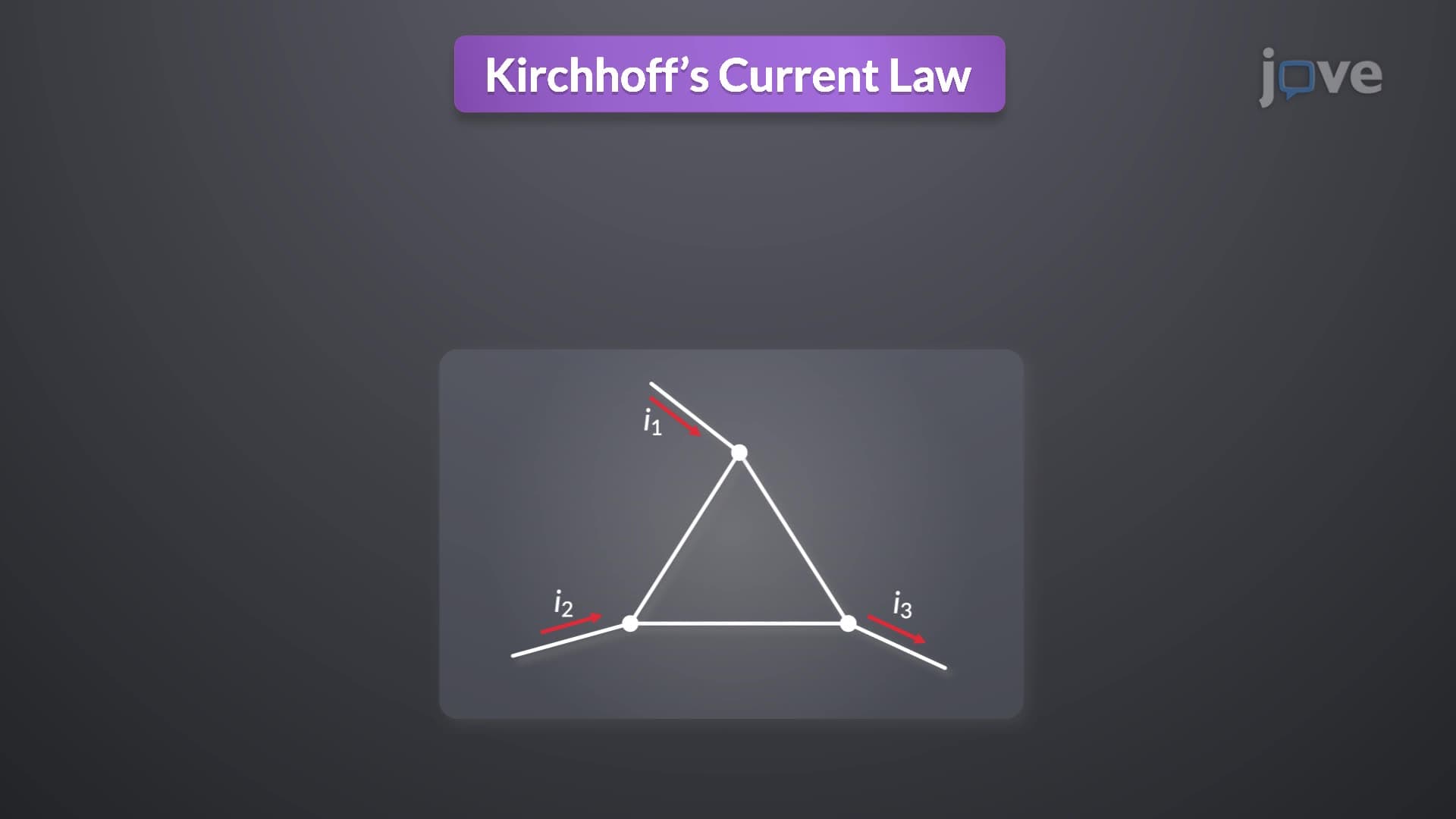
Start with simple two-resistor voltage dividers, then progress to more complex circuits with multiple nodes. Practice identifying nodes, writing Kirchhoff's current law equations, and solving the resulting system of equations. Use real-world examples like touchscreen circuits to make the concepts more memorable and engaging.
Touchscreen analysis introduces students to practical circuit design considerations like signal conditioning, noise reduction, and sensor interfacing. These concepts directly connect to advanced topics including analog-to-digital conversion, microcontroller interfacing, and embedded systems design that electrical engineering majors encounter in junior and senior-level courses.
Progress to AC circuit analysis, including phasor analysis and impedance calculations. Then explore operational amplifier circuits, which heavily rely on nodal analysis principles. Advanced topics include filter design, feedback systems, and digital signal processing—all building on the foundational circuit analysis skills you're developing now.
Related Micro-courses
Related Subjects
 Civil Engineering 30 micro-courses›Mechanical Engineering 28 micro-courses›