Loading…
Loading video…

12,994 views
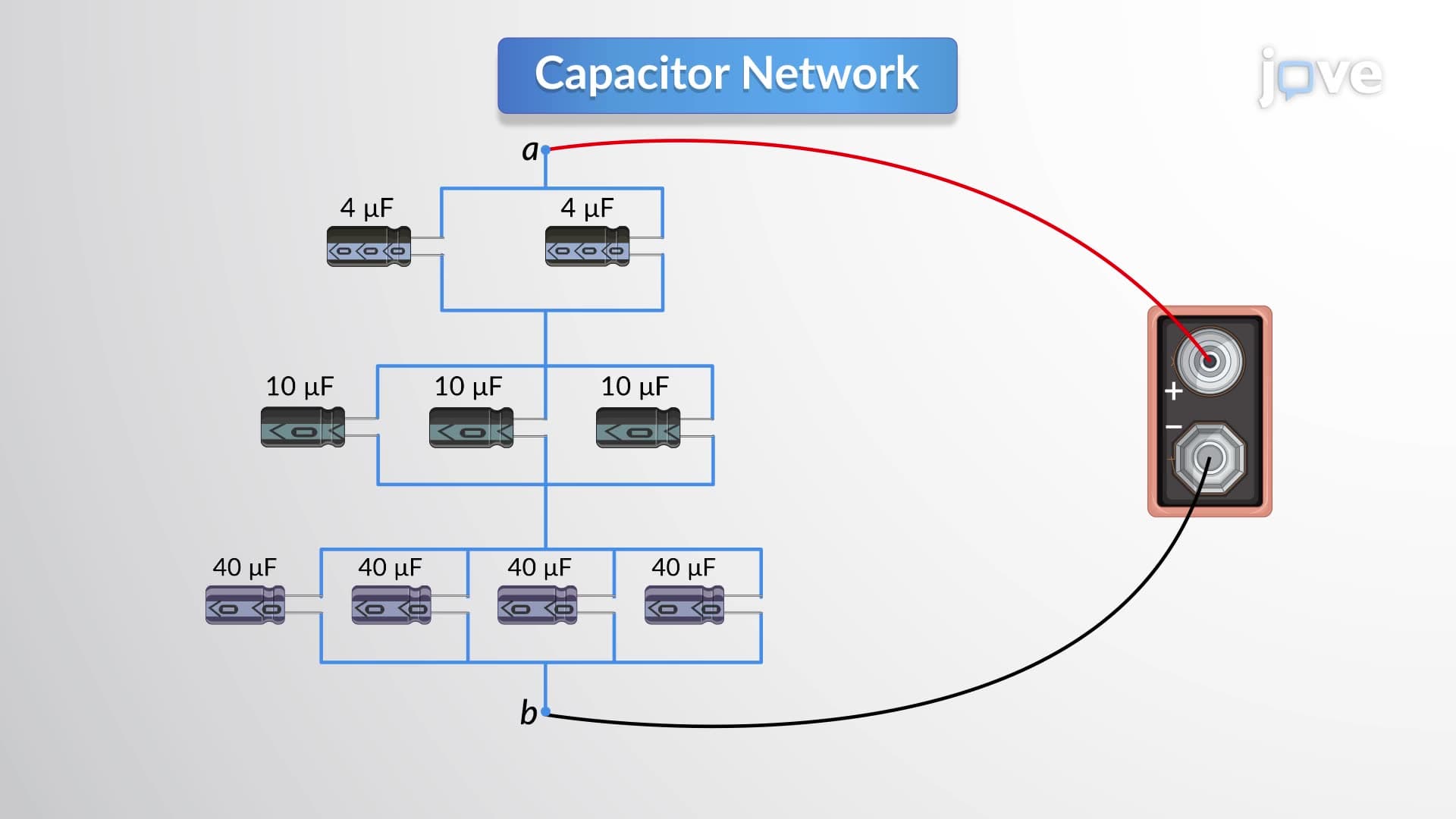
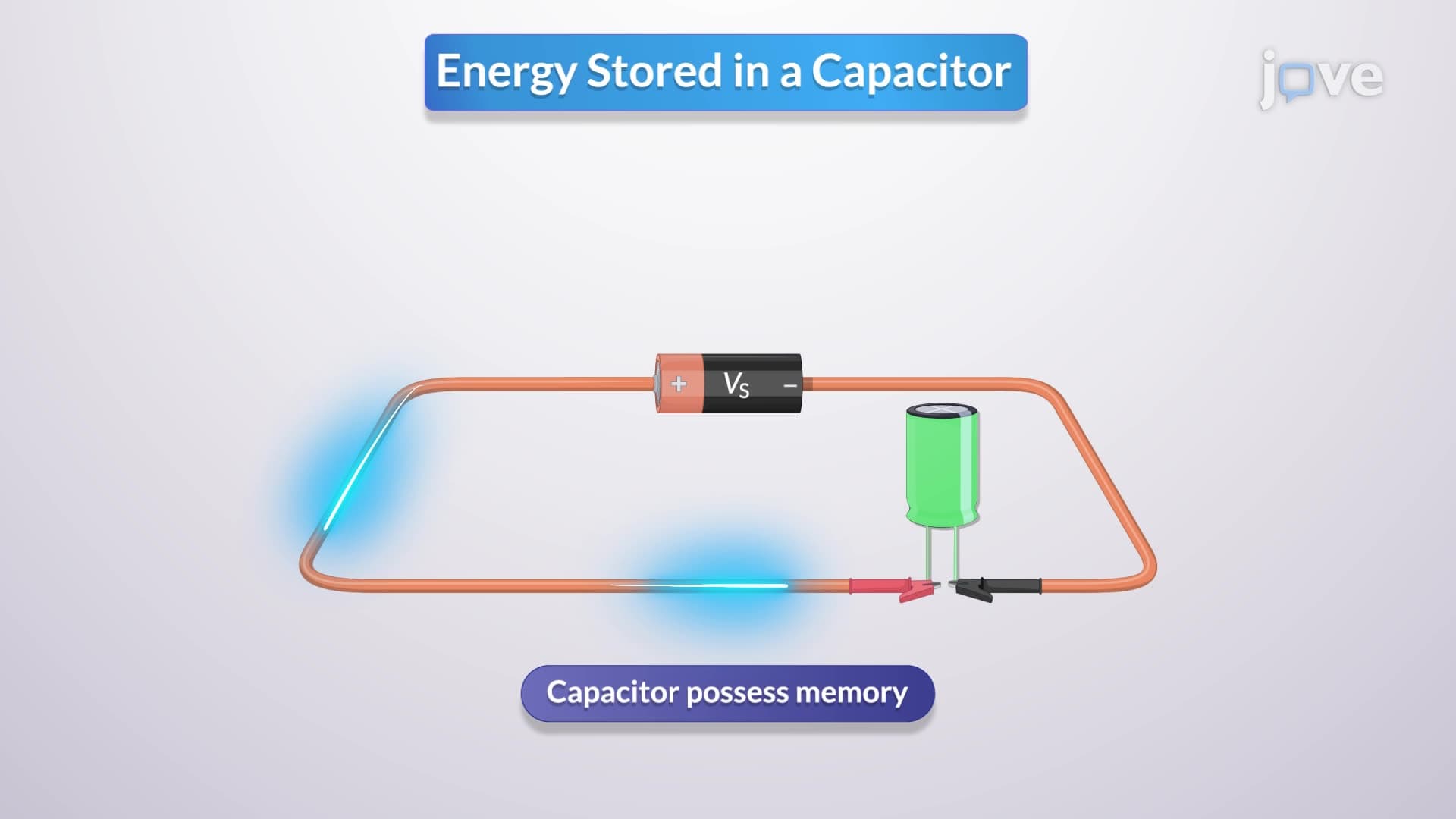
Did you know that the massive capacitor banks powering electric vehicle charging stations across America use the same equivalent capacitance principles found in your smartphone's circuit board? Understanding inductors and their relationship to equivalent capacitance reveals how complex electrical networks simplify into manageable calculations. From Tesla Superchargers in California to subway systems in New York, engineers apply what is equivalent capacitance to optimize power delivery systems. Watch the full video on JoVE Coach to master this concept with expert-led visuals and step-by-step explanations.
Equivalent capacitance represents the single capacitor value that could replace an entire network of capacitors while maintaining the same electrical behavior. This fundamental concept bridges basic circuit analysis with advanced electronics design, making it essential for students preparing for AP Physics exams and college-level electrical engineering courses.
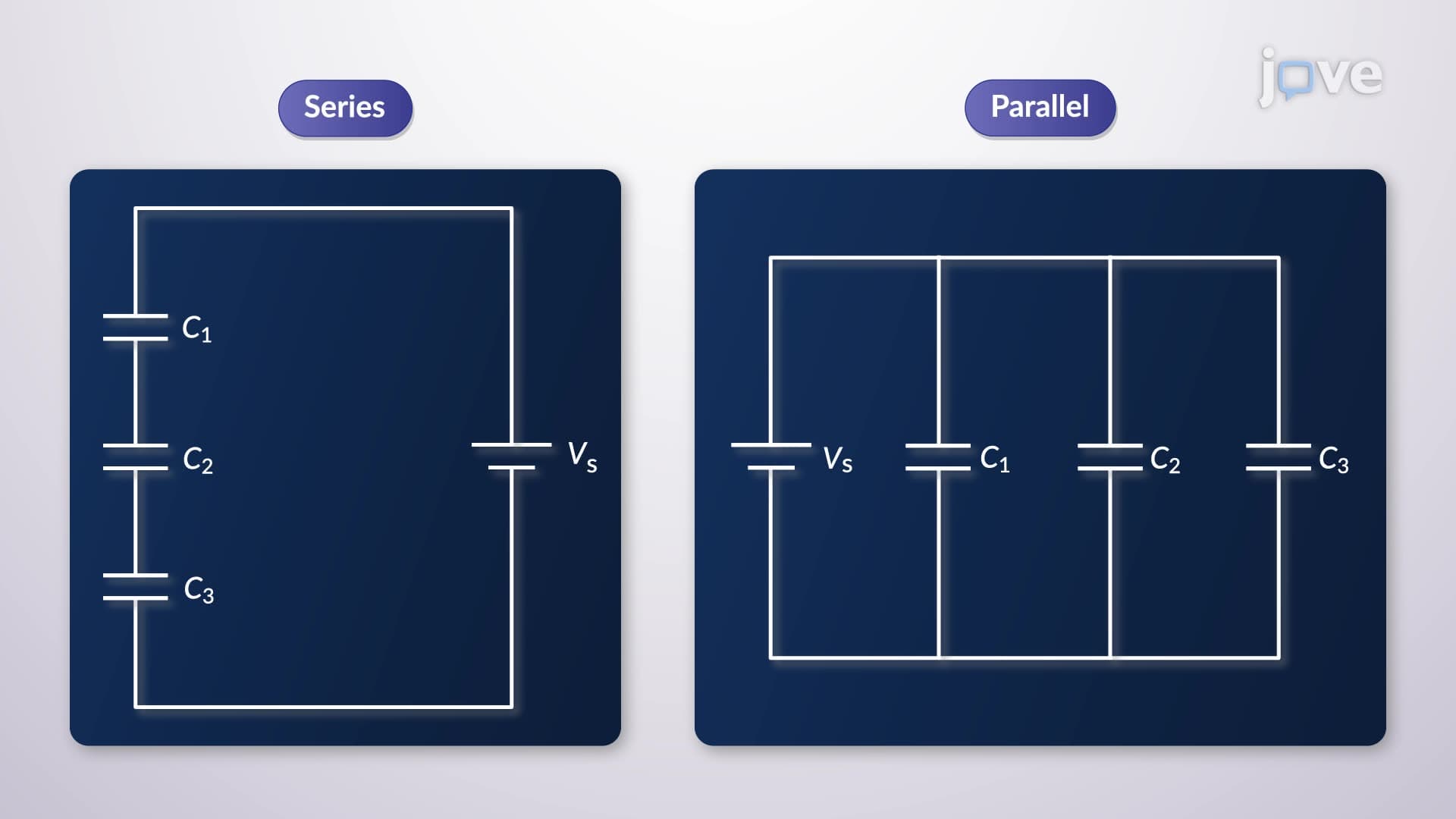
When capacitors connect in parallel, their equivalent capacitance equals the sum of individual capacitances: C(eq) = C1 + C2 + C3. This occurs because parallel capacitors share the same voltage while their currents add together. Think of multiple water tanks connected side-by-side—their combined storage capacity equals the sum of individual tank volumes.
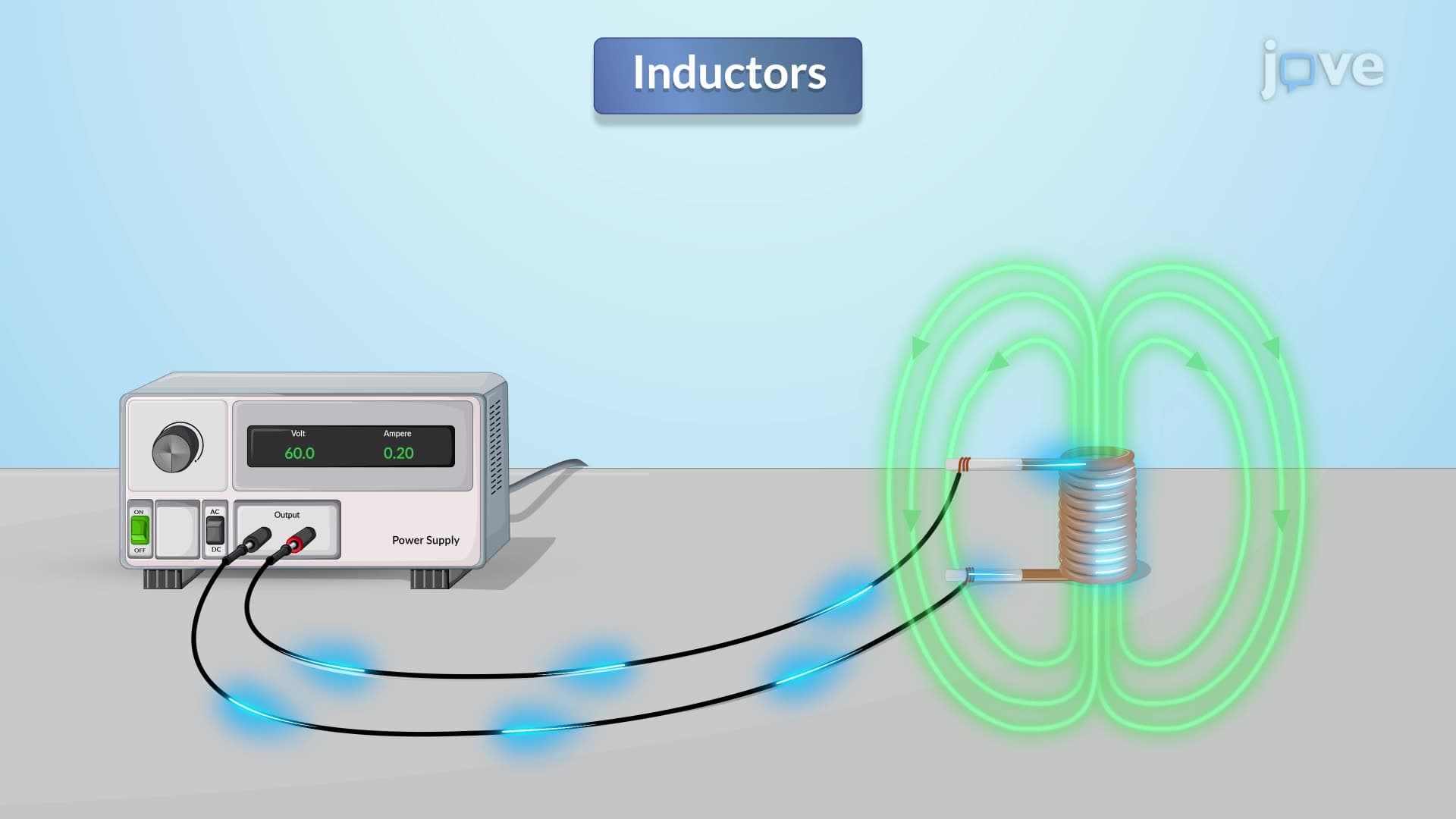
Series capacitors follow a different rule. The reciprocal of equivalent capacitance equals the sum of reciprocals: 1/C(eq) = 1/C1 + 1/C2 + 1/C3. Series capacitors share the same current but divide the applied voltage. This relationship mirrors how inductors behave in AC circuits, where inductors definition involves opposing current changes through magnetic field storage.
Equivalent capacitance calculations appear throughout American technology. Apple's iPhone power management systems use complex capacitor networks to regulate voltage delivery to processors. Tesla's Model S employs massive capacitor banks where engineers must calculate equivalent capacitance to ensure proper energy storage and delivery rates. Even medical devices like defibrillators used in US hospitals rely on precise equivalent capacitance calculations for life-saving energy delivery.
The systematic approach involves identifying distinct groups within the circuit. Start with the simplest combinations—either clear series or parallel arrangements. Calculate their equivalent values, then redraw the simplified circuit. Continue this process until the entire network reduces to a single equivalent capacitor. This method appears frequently on SAT Subject Tests and college physics exams, where understanding inductors provides additional insight into reactive circuit behavior.
Students preparing for MCAT physics sections benefit from mastering these calculations, as biomedical devices increasingly rely on sophisticated capacitor networks for precise operation timing and energy management.
Frequently Asked Questions
Equivalent capacitance is the single capacitor value that replaces a complex network while maintaining identical electrical behavior. It's crucial because it simplifies circuit calculations, enables efficient design optimization, and appears frequently on AP Physics and college engineering exams. Understanding this concept helps students tackle complex problems by breaking them into manageable steps.
AP Physics C and MCAT frequently test equivalent capacitance through multi-step problems involving series-parallel combinations. Expect questions asking you to calculate total energy stored, voltage distribution, or current flow through simplified circuits. Practice identifying parallel groups first, then series combinations—this systematic approach matches the scoring rubric expectations.
Capacitors and inductors follow opposite combination rules. Parallel capacitors add directly (like resistors in series), while series capacitors use reciprocal addition (like resistors in parallel). Inductors follow the same mathematical pattern as resistors—series inductors add directly, parallel inductors use reciprocal addition. This relationship helps students remember both concepts simultaneously.
Equivalent capacitance appears in smartphone charging circuits, electric vehicle power systems, and medical device design throughout the US. Tesla's Gigafactory in Nevada uses these principles for battery management systems, while hospital defibrillators rely on precise capacitor network calculations. Consumer electronics from Apple and Samsung incorporate complex capacitor arrays requiring equivalent capacitance analysis.
Equivalent capacitance builds naturally from basic algebra and follows logical patterns. If you can add fractions and work with reciprocals, you have the mathematical foundation needed. Start with simple two-capacitor problems, then progress to complex networks. Most students master the concept within 2-3 practice sessions using systematic problem-solving approaches.
Practice identifying series versus parallel configurations quickly, memorize the combination formulas, and work through multi-step problems systematically. Create a standard approach: identify parallel groups first, calculate their equivalents, redraw the simplified circuit, then handle series combinations. Time yourself on practice problems to build exam-day confidence and speed.
Progress to RC time constants, capacitor energy storage calculations, and AC circuit analysis with reactive components. Understanding inductors becomes essential for AC circuits, where both capacitive and inductive reactance determine circuit behavior. These topics frequently appear together on advanced placement exams and college electrical engineering coursework.
Both capacitors and inductors are reactive components that store energy, but they follow inverse mathematical relationships for series-parallel combinations. While capacitors store energy in electric fields and oppose voltage changes, inductors store energy in magnetic fields and oppose current changes. This complementary behavior makes both concepts essential for understanding complete AC circuit analysis.
Related Micro-courses

Related Subjects
 Civil Engineering 30 micro-courses›Mechanical Engineering 28 micro-courses›