Loading…
Loading video…

8,255 views
Ever wondered why your guitar amp sounds different at various volume levels? Passive filters in operational amplifier circuits control how electrical signals behave across different frequencies, directly impacting audio quality in everything from Marshall amplifiers to smartphone speakers. The frequency response of op AMP circuits explained reveals how these electronic components shape signal processing through gain-bandwidth relationships and corner frequency limitations. This fundamental concept determines why high-gain amplifiers sacrifice bandwidth for amplification power. Watch the full video on JoVE Coach to master this concept with expert-led visuals and step-by-step explanations.
The frequency response of operational amplifier circuits represents one of the most critical concepts in analog electronics, particularly when designing audio equipment, medical devices, and communication systems. Unlike ideal op-amps that maintain infinite bandwidth, real operational amplifiers exhibit frequency-dependent behavior that engineers must carefully consider during circuit design.
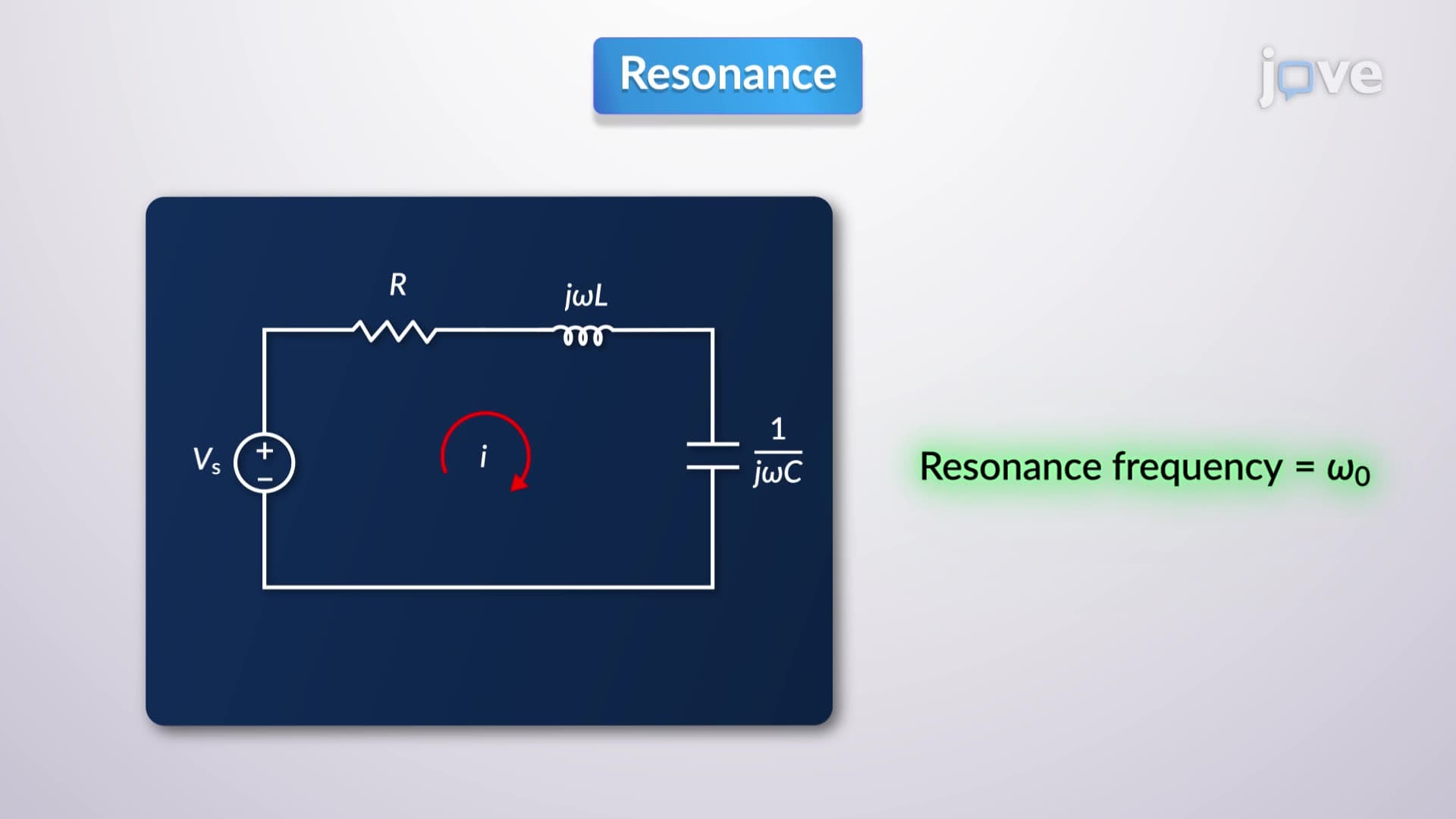
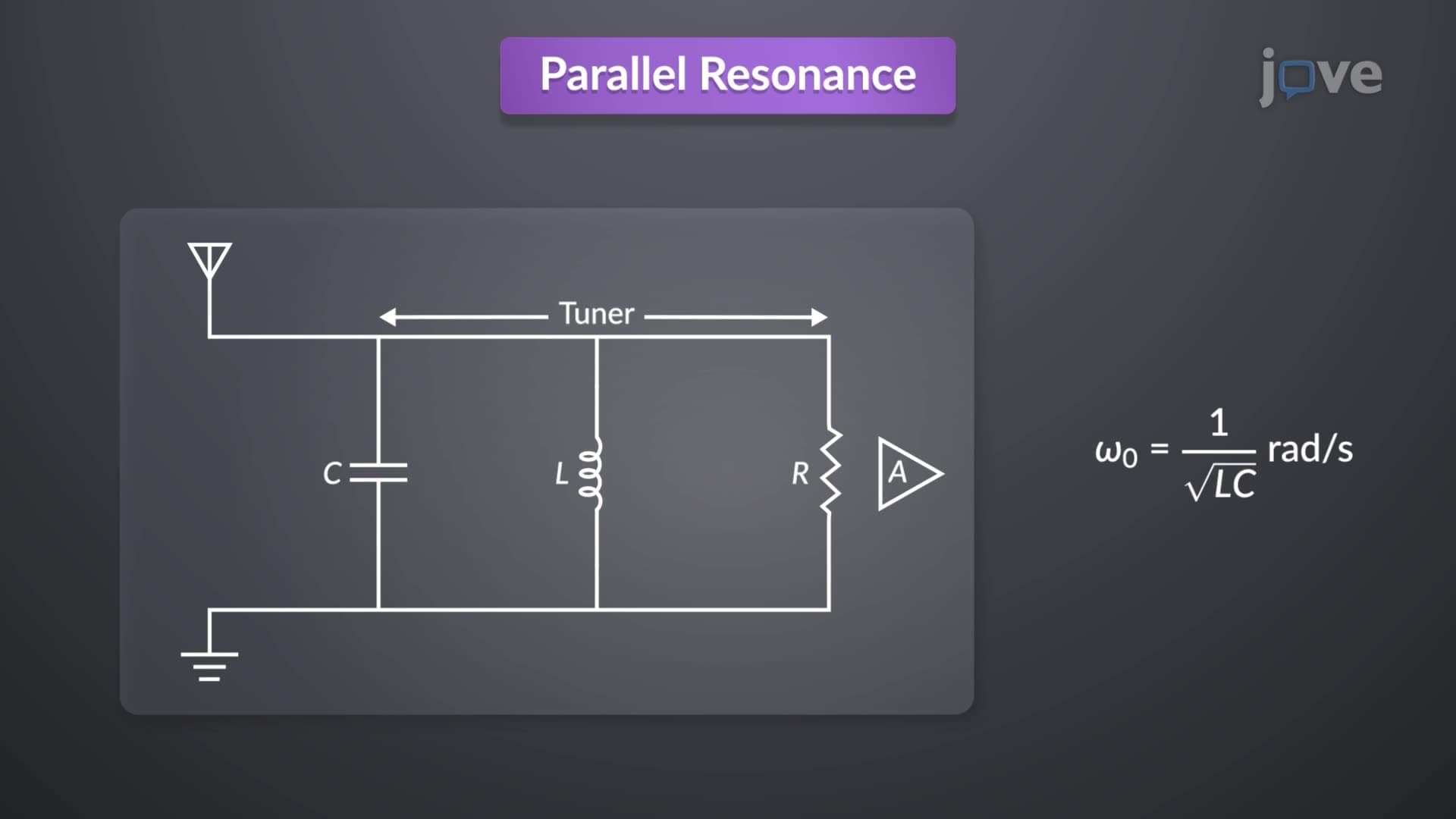
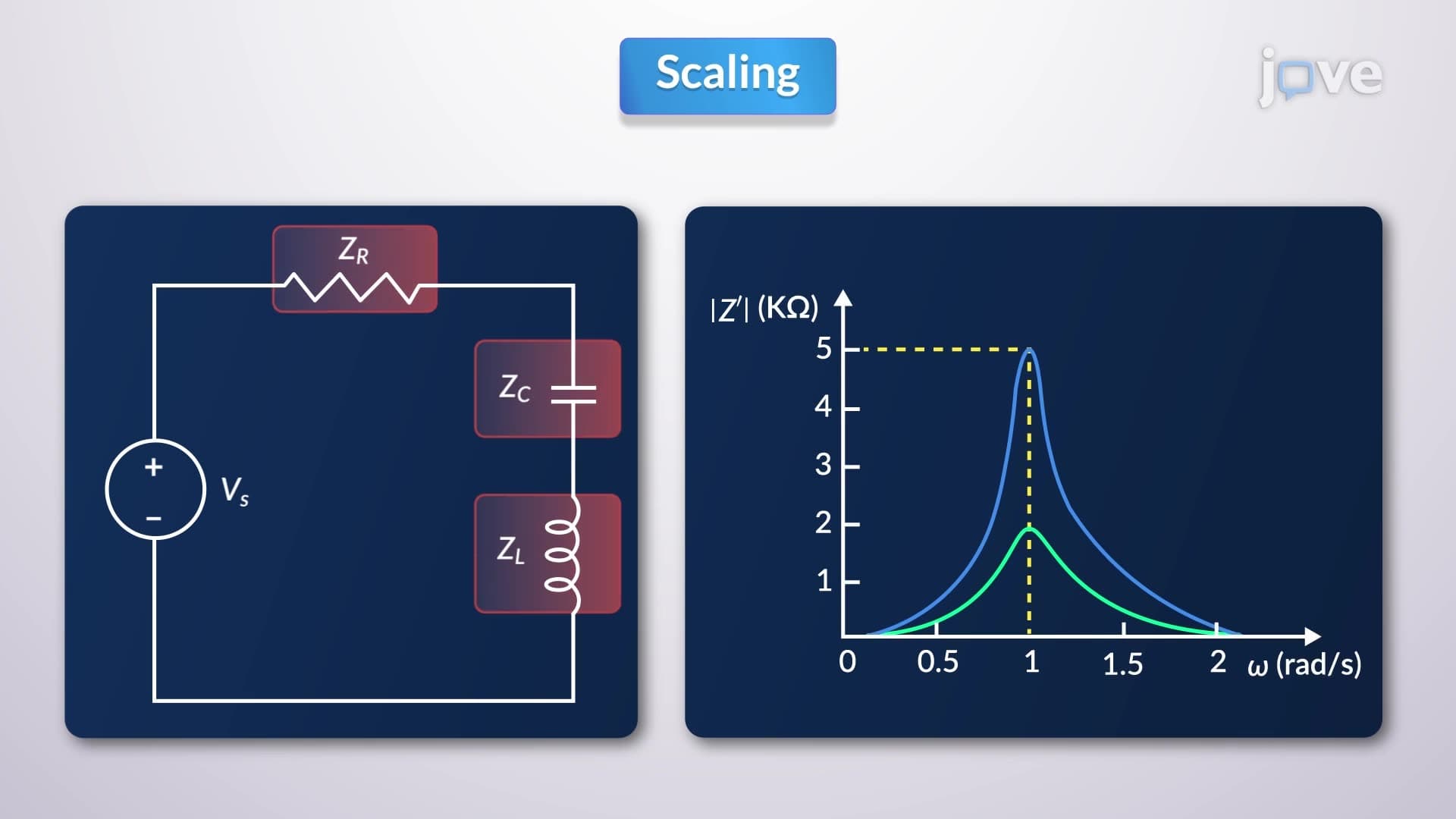
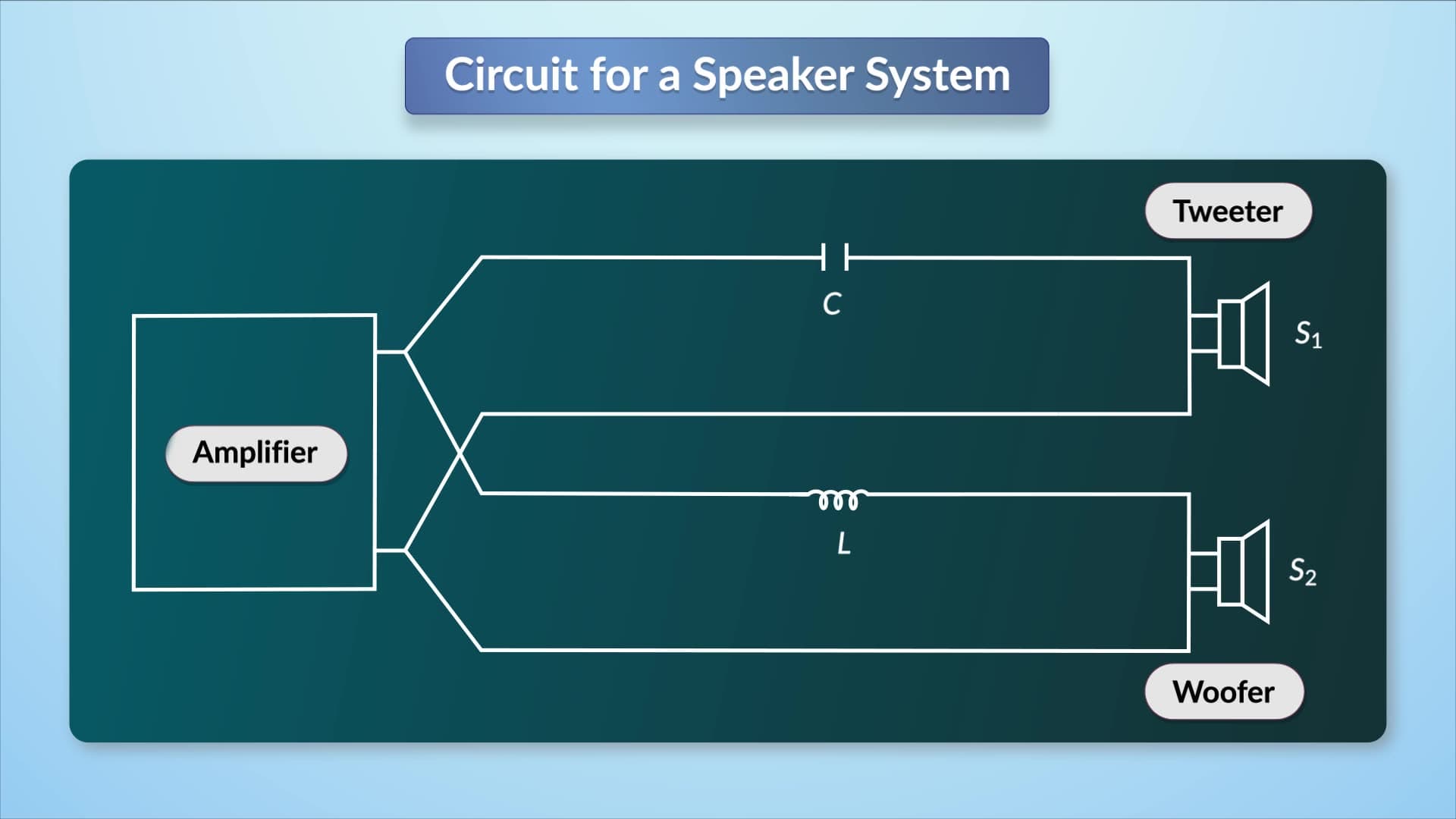
Passive filters form the backbone of frequency response analysis in operational amplifier circuits. These components, consisting of resistors, capacitors, and inductors, naturally limit or enhance specific frequency ranges without requiring external power sources. In guitar amplification systems used by companies like Fender and Gibson, passive filters help bridge the impedance mismatch between high-impedance pickups (typically 5-10 kΩ) and low-impedance amplifier inputs (usually 1 MΩ or higher).
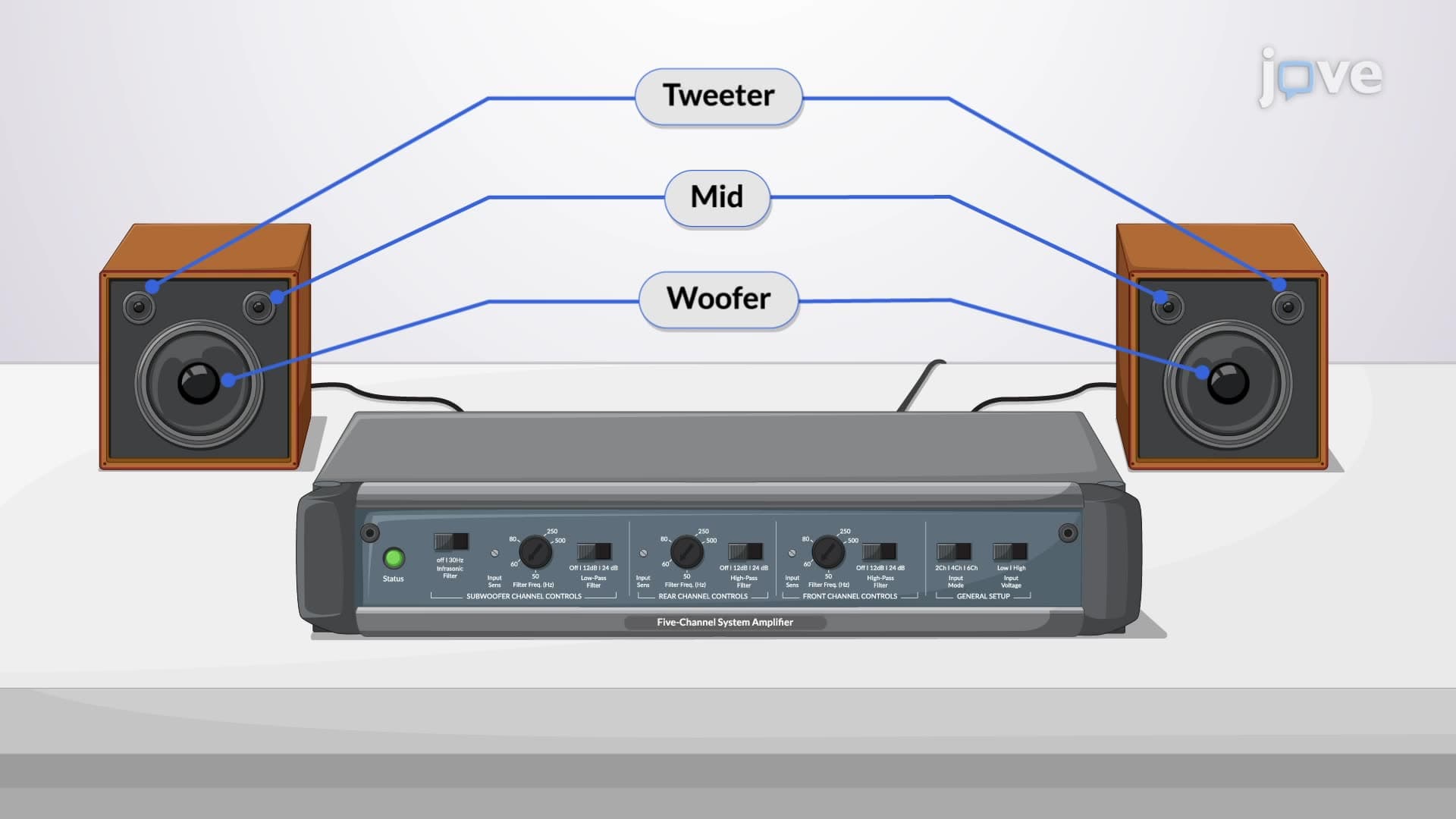
The types of passive filters most commonly encountered in op-amp circuits include low-pass, high-pass, band-pass, and band-reject configurations. Each type serves specific purposes: low-pass filters eliminate high-frequency noise in audio applications, while high-pass filters remove DC offset and low-frequency interference in AC-coupled amplifiers used in professional recording studios throughout Nashville and Los Angeles.
The gain-bandwidth product (GBW) represents a fundamental limitation of operational amplifiers, typically ranging from 1 MHz for general-purpose op-amps like the 741 to over 100 MHz for high-speed variants used in oscilloscope applications. This relationship, expressed as GBW = DC gain × bandwidth, demonstrates why high-gain configurations sacrifice frequency response.
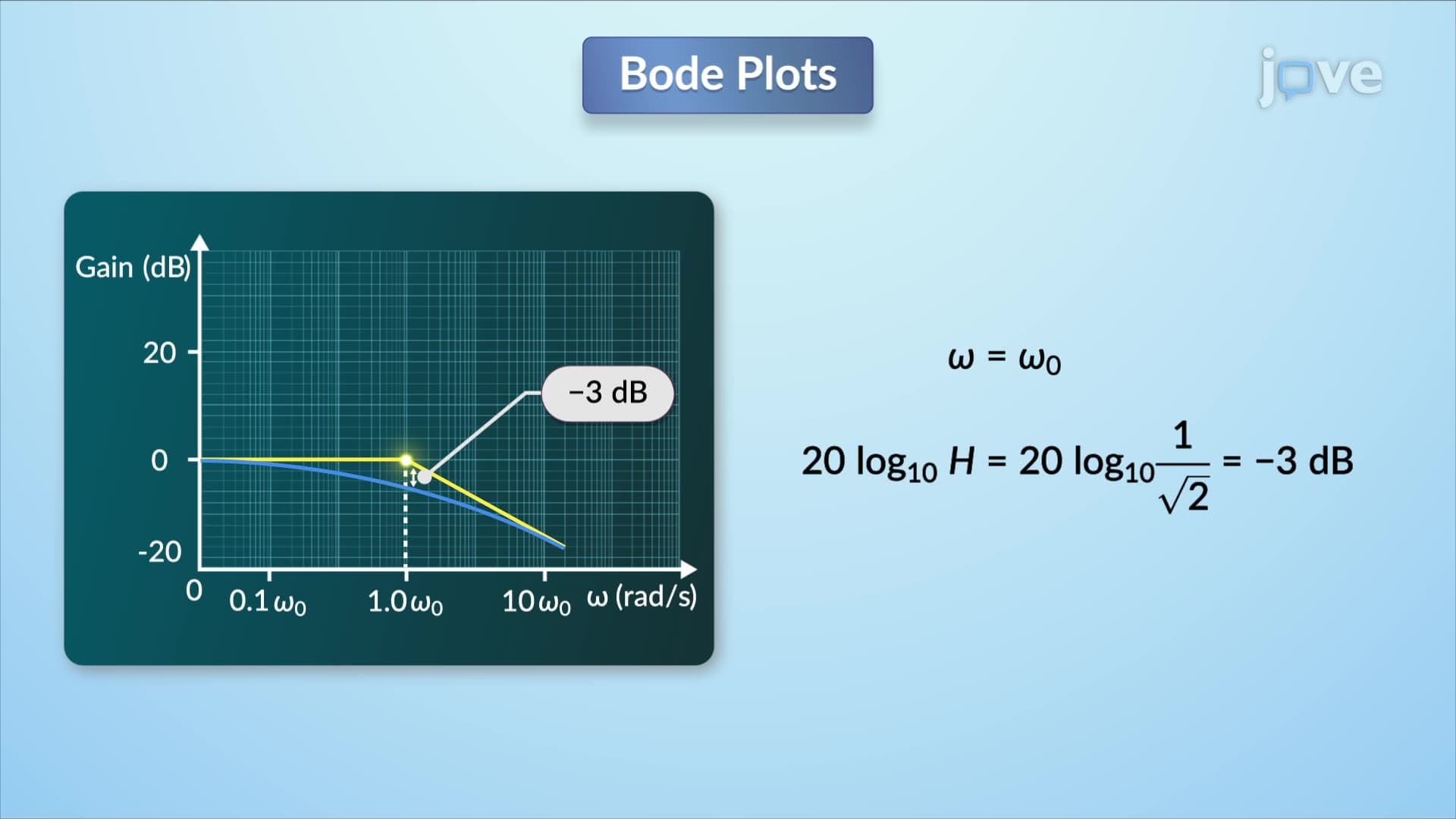
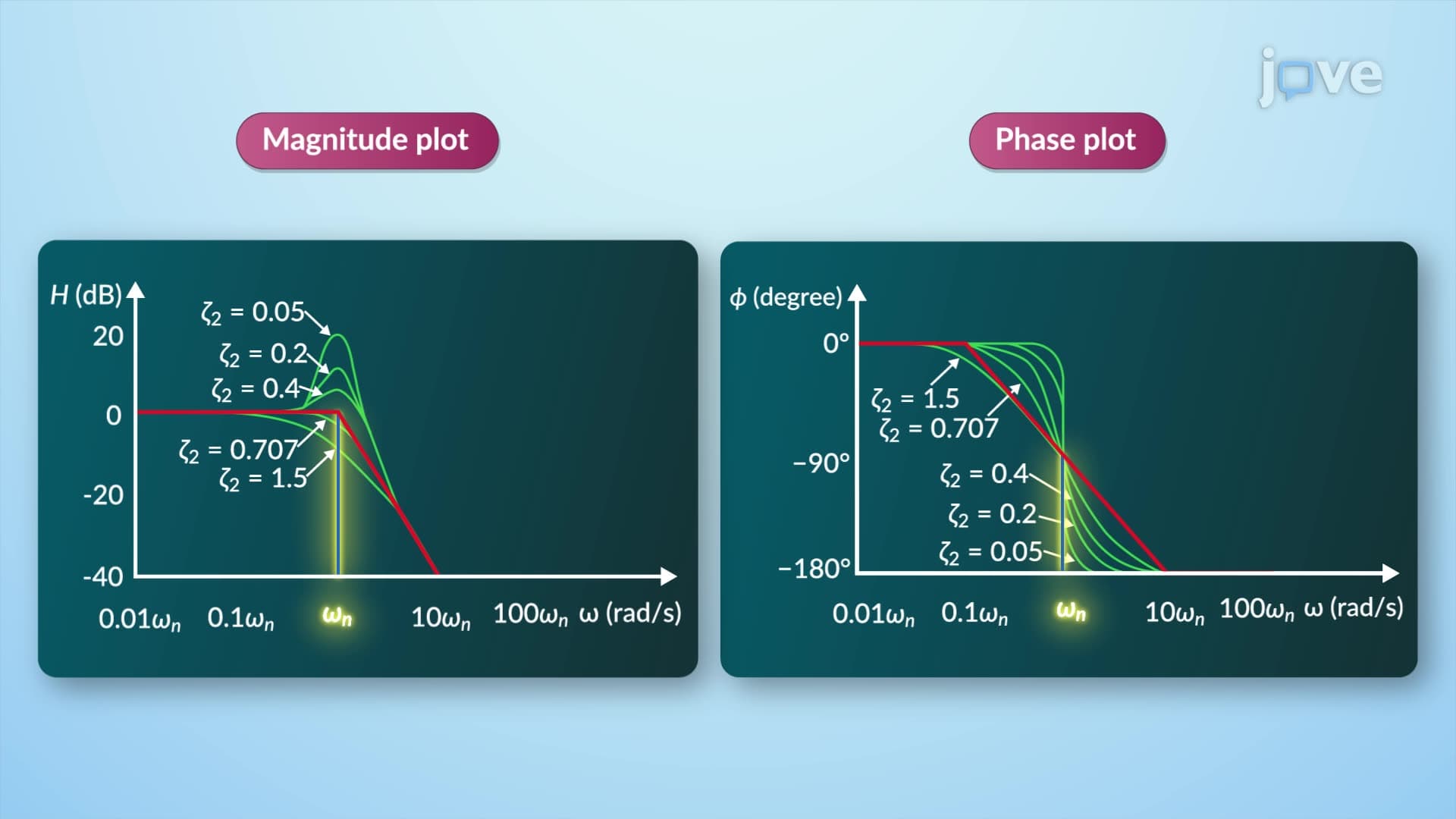
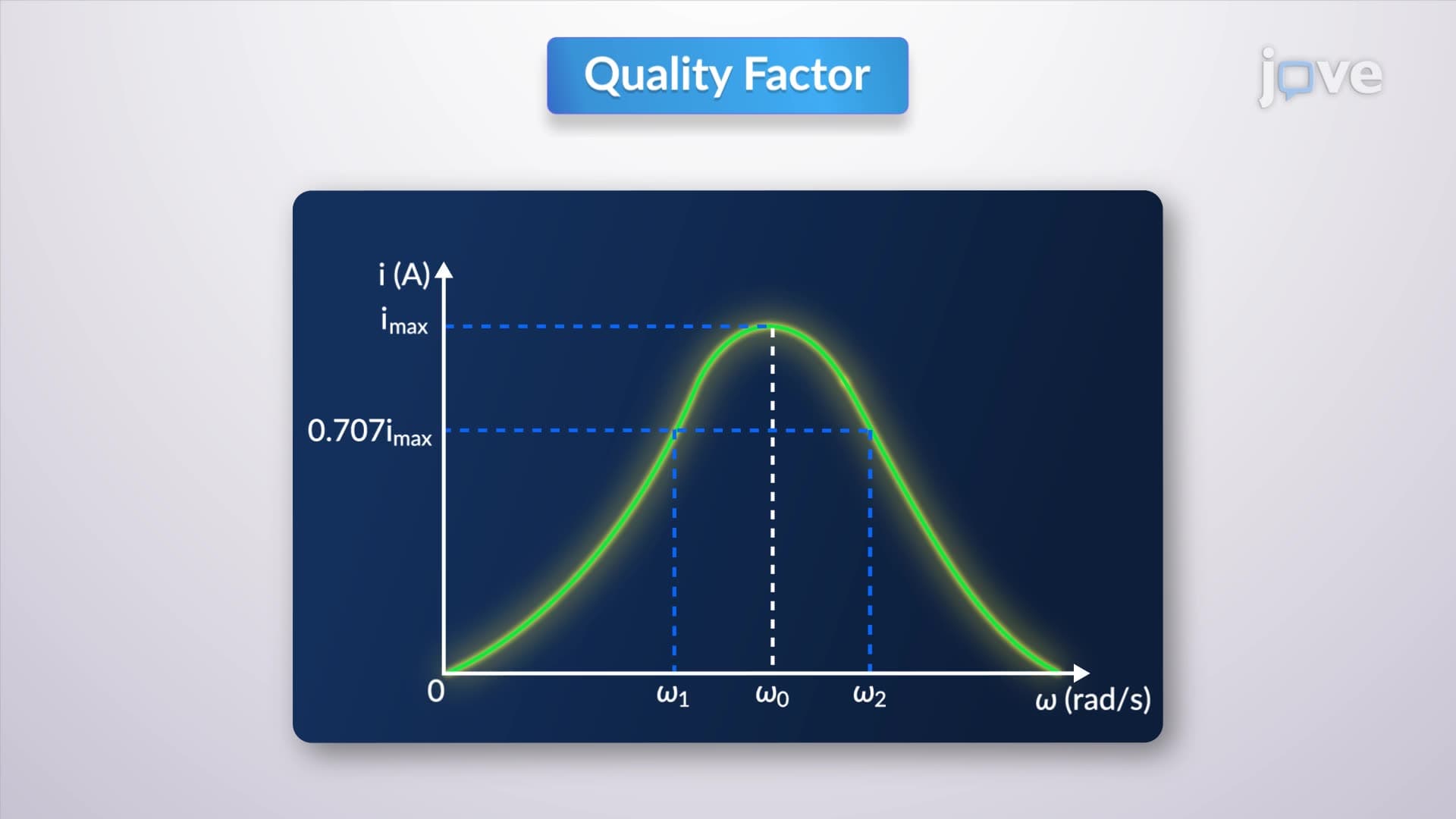
For students preparing for the AP Physics exam or electrical engineering coursework at institutions like MIT or Stanford, understanding corner frequency calculations becomes essential. The corner frequency (fc) marks the point where the amplifier's gain begins dropping at -20 dB per decade, following the relationship fc = GBW / (1 + R2/R1) for non-inverting amplifiers.
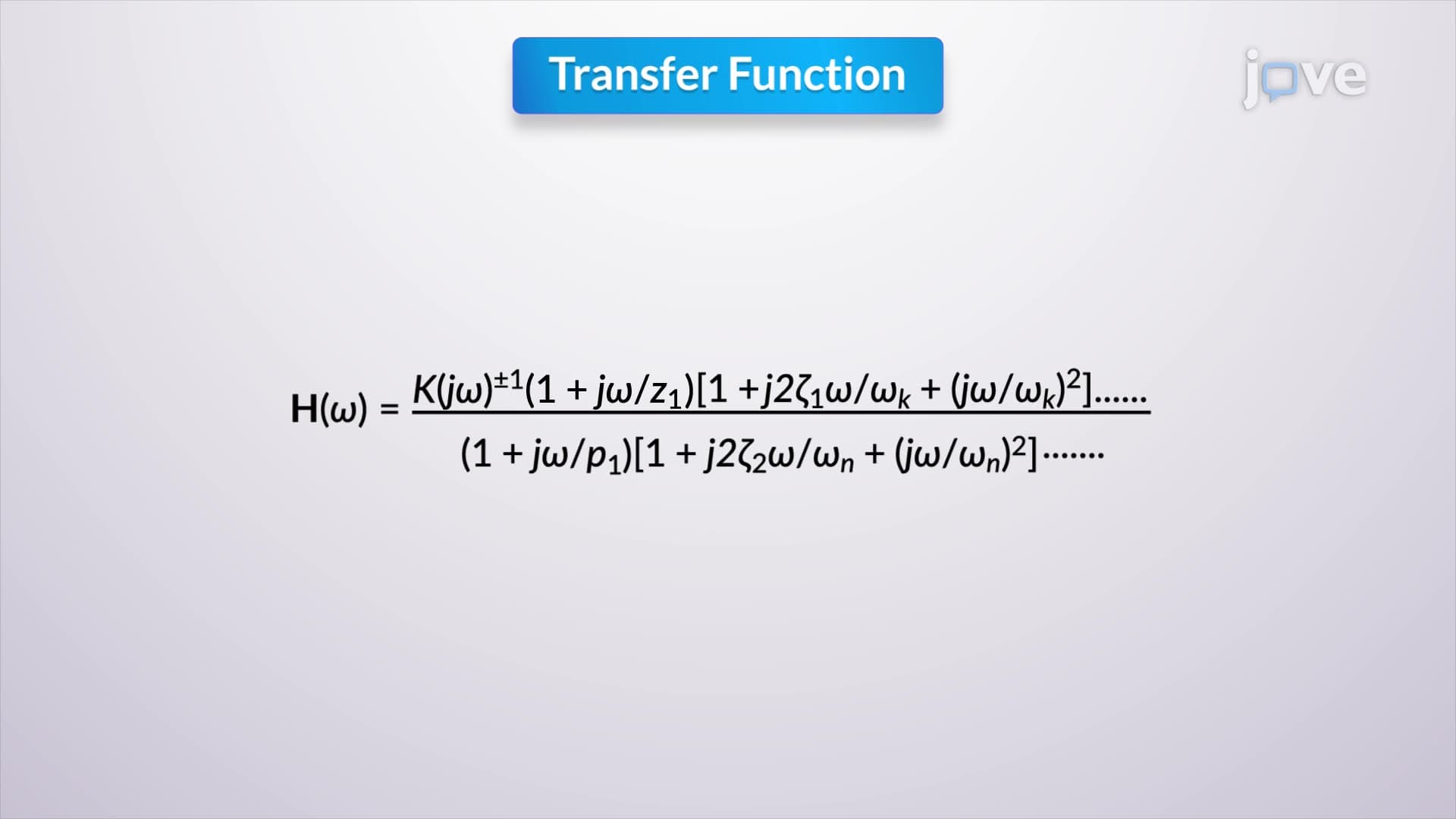
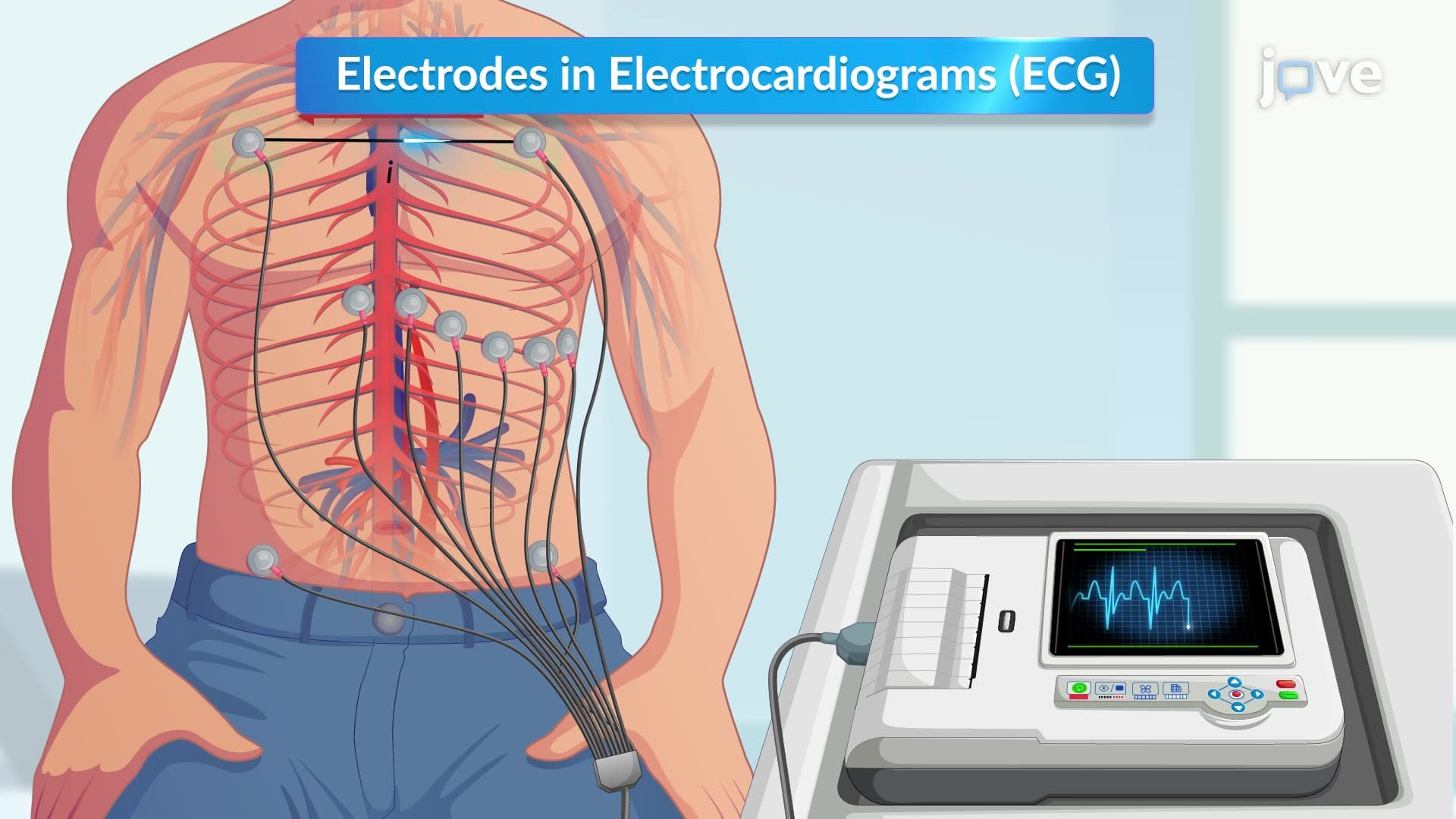
Real-world applications extend beyond audio equipment into medical instrumentation, where op-amp frequency response affects ECG amplifiers used in hospitals across the United States. The transfer function H(jω) = Vout/Vin provides mathematical insight into circuit behavior, enabling engineers to predict performance across different frequency ranges. Students studying for the MCAT or pursuing biomedical engineering degrees must grasp these concepts to understand how medical devices process biological signals while maintaining signal integrity.
Frequently Asked Questions
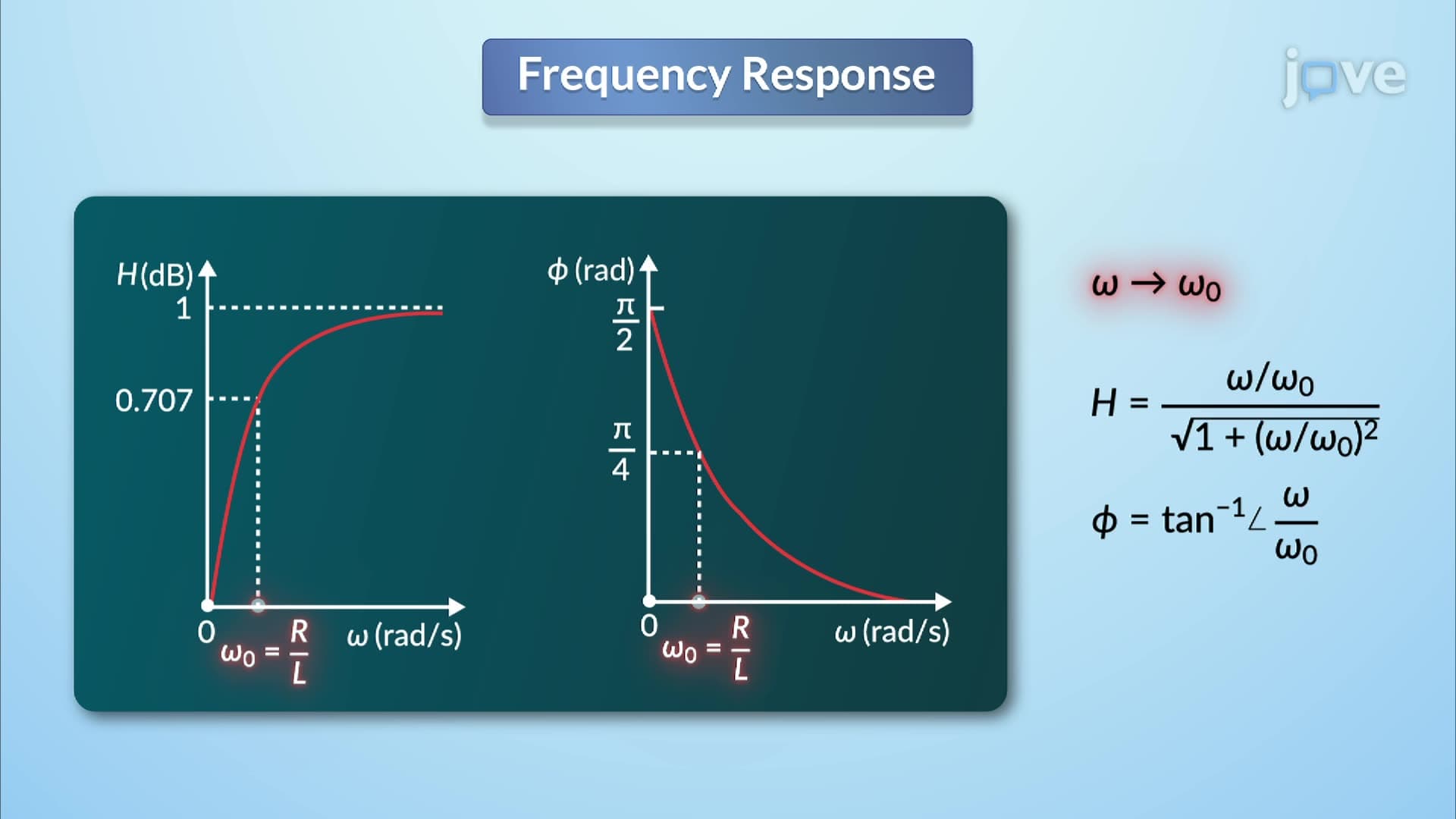
Frequency response describes how an operational amplifier's gain varies with input signal frequency, typically showing constant gain at low frequencies before rolling off at higher frequencies. This behavior directly impacts circuit performance in applications ranging from audio amplifiers to medical instrumentation, making it essential for engineers designing everything from smartphone audio systems to hospital ECG monitors.
AP Physics C: Electricity and Magnetism frequently tests passive filter concepts through circuit analysis problems involving capacitive and inductive reactance calculations. Students should master impedance calculations, frequency response graphs, and the relationship between component values and cutoff frequencies. Practice problems often involve audio applications or simple RC/RL circuits found in everyday electronics.
College circuits courses typically cover four main types: low-pass (allowing frequencies below cutoff), high-pass (allowing frequencies above cutoff), band-pass (allowing specific frequency ranges), and band-reject (blocking specific ranges). These concepts appear extensively on midterm exams at engineering schools like UC Berkeley, Georgia Tech, and Purdue, often combined with op-amp analysis and Bode plot construction.
Passive filters are ubiquitous in American technology, from Tesla's electric vehicle battery management systems (filtering power supply noise) to Apple's iPhone audio processing (eliminating unwanted frequencies in microphone circuits). Medical device companies like Medtronic use passive filters in pacemaker circuits, while aerospace companies like Boeing implement them in avionics systems for noise reduction and signal conditioning.
High school students with Algebra II and basic trigonometry can absolutely understand passive filter fundamentals. While advanced analysis requires calculus and complex numbers, the core concepts—impedance relationships, frequency response, and basic circuit analysis—are accessible to students in AP Physics or dual-enrollment electronics courses at community colleges.
Focus on understanding the physical meaning behind mathematical relationships rather than memorizing formulas. Practice drawing frequency response curves, calculating cutoff frequencies using f = 1/(2πRC), and explaining how component values affect filter behavior. Use MCAT prep resources from companies like Kaplan or Princeton Review that emphasize conceptual understanding over computational complexity.
The gain-bandwidth product forces engineers to make trade-offs between amplification and frequency response, directly impacting product specifications. For example, audio engineers at companies like Yamaha must balance microphone preamplifier gain against bandwidth requirements for professional recording applications. Understanding this relationship helps students transition from theoretical coursework to practical design challenges in internships and entry-level engineering positions.
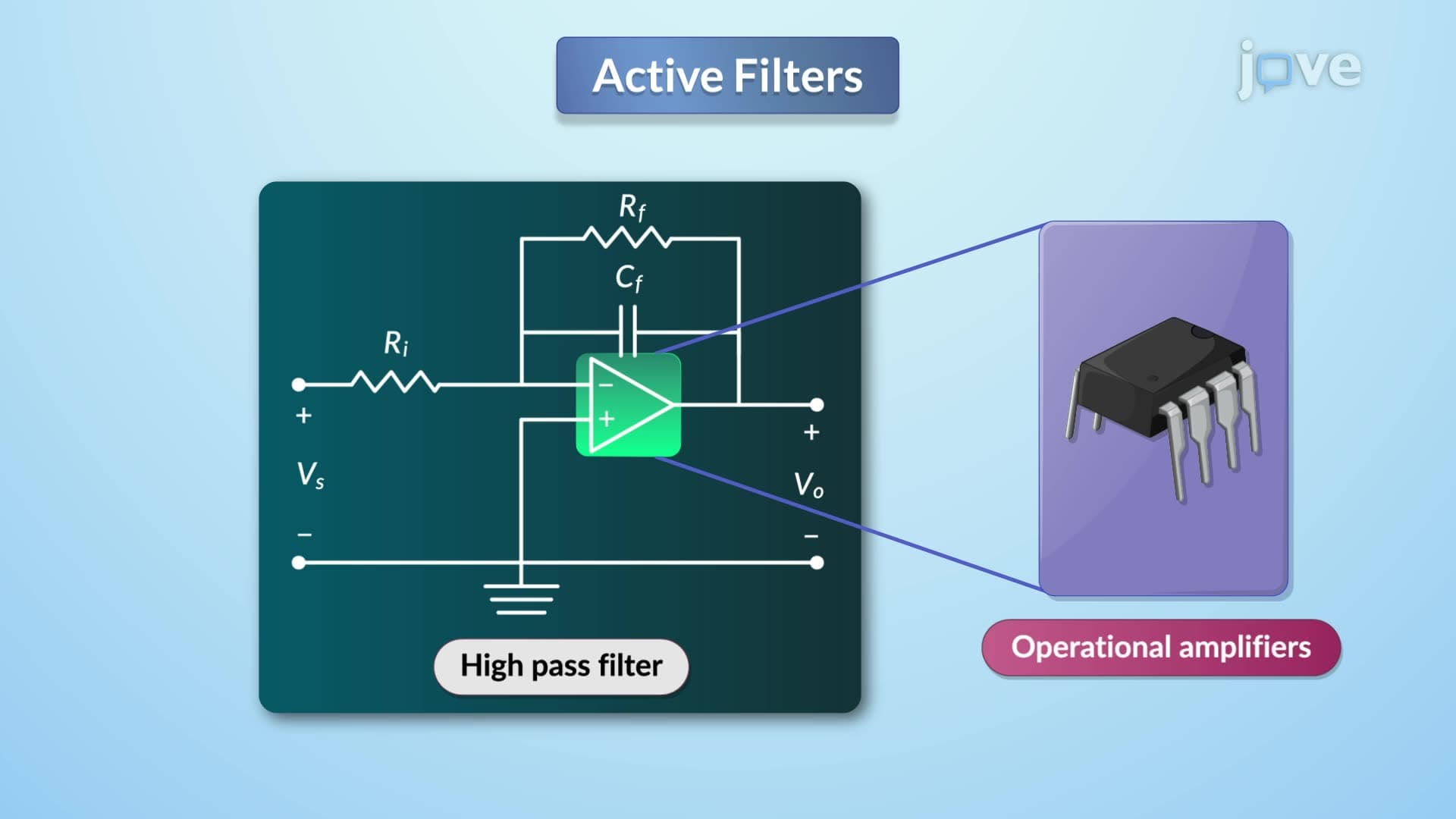
Students should progress to active filters (using op-amps for enhanced performance), digital signal processing fundamentals, and filter design using software tools like SPICE simulation programs. These skills prepare students for advanced coursework in signal processing, communications systems, and control theory—all essential for careers in industries ranging from telecommunications to autonomous vehicle development.
Related Micro-courses
Related Subjects
 Civil Engineering 30 micro-courses›Mechanical Engineering 28 micro-courses›