Loading…
Loading video…

8,255 views
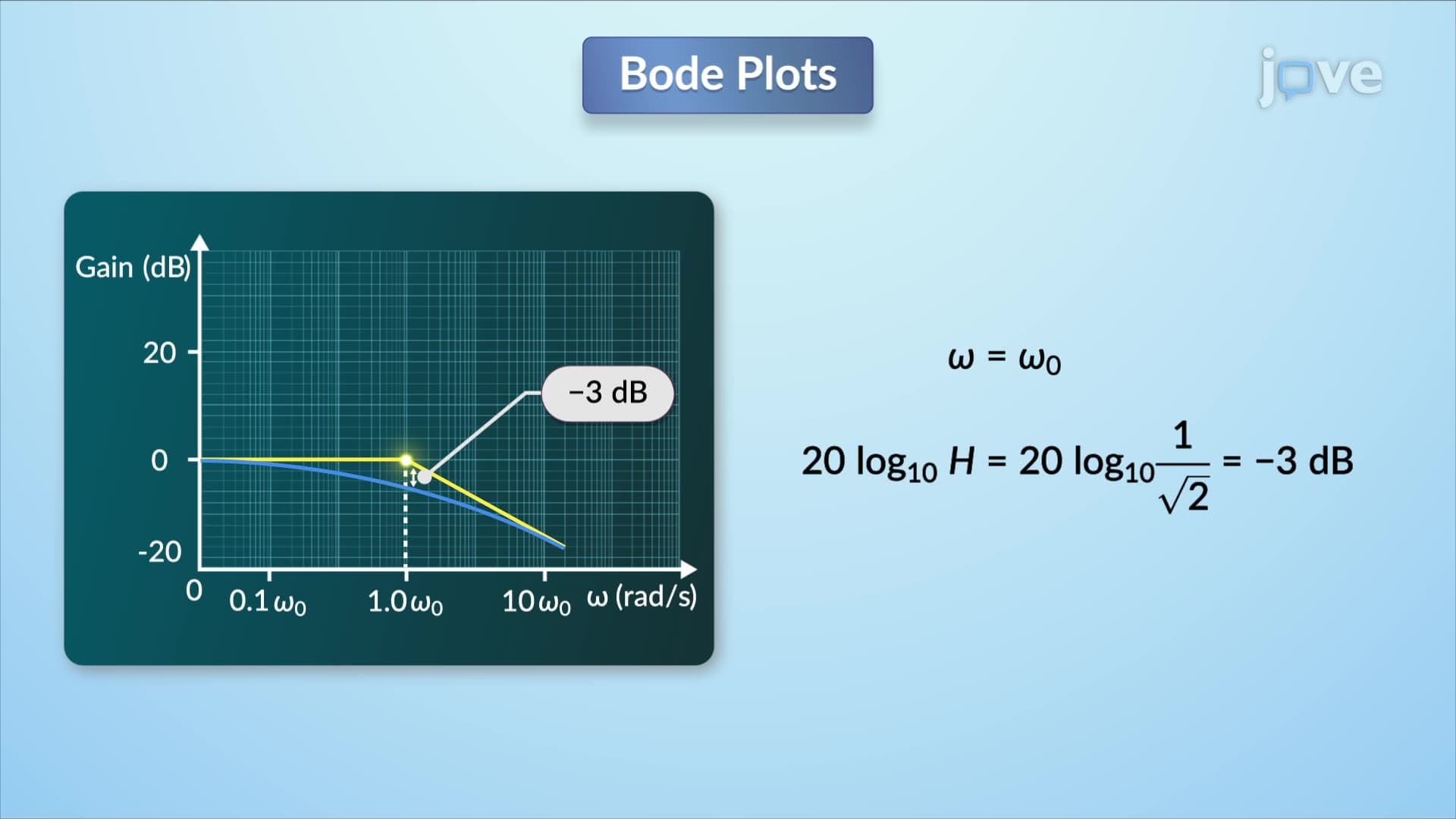
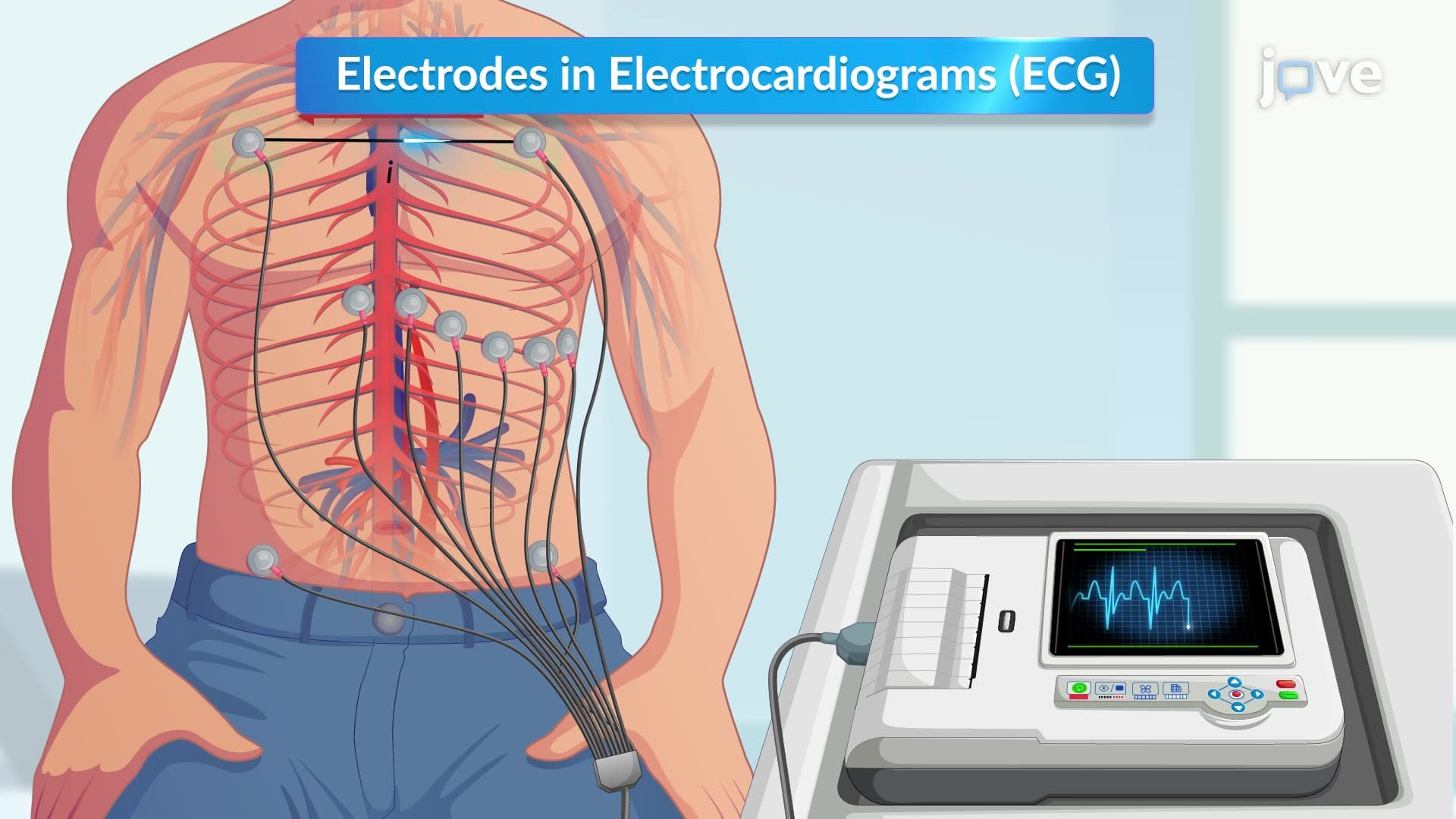
Did you know that the electrocardiogram (EKG) machines monitoring heart patients in US hospitals rely on transfer function and bode plots i to filter out unwanted electrical noise? These semilogarithmic graphs reveal how electronic filters respond across different frequencies by plotting magnitude in decibels and phase angles. Understanding what is Bode plots becomes crucial when analyzing systems like the low-pass filters used in medical equipment at institutions like Johns Hopkins Hospital. Watch the full video on JoVE Coach to master this concept with expert-led visuals and step-by-explanations.
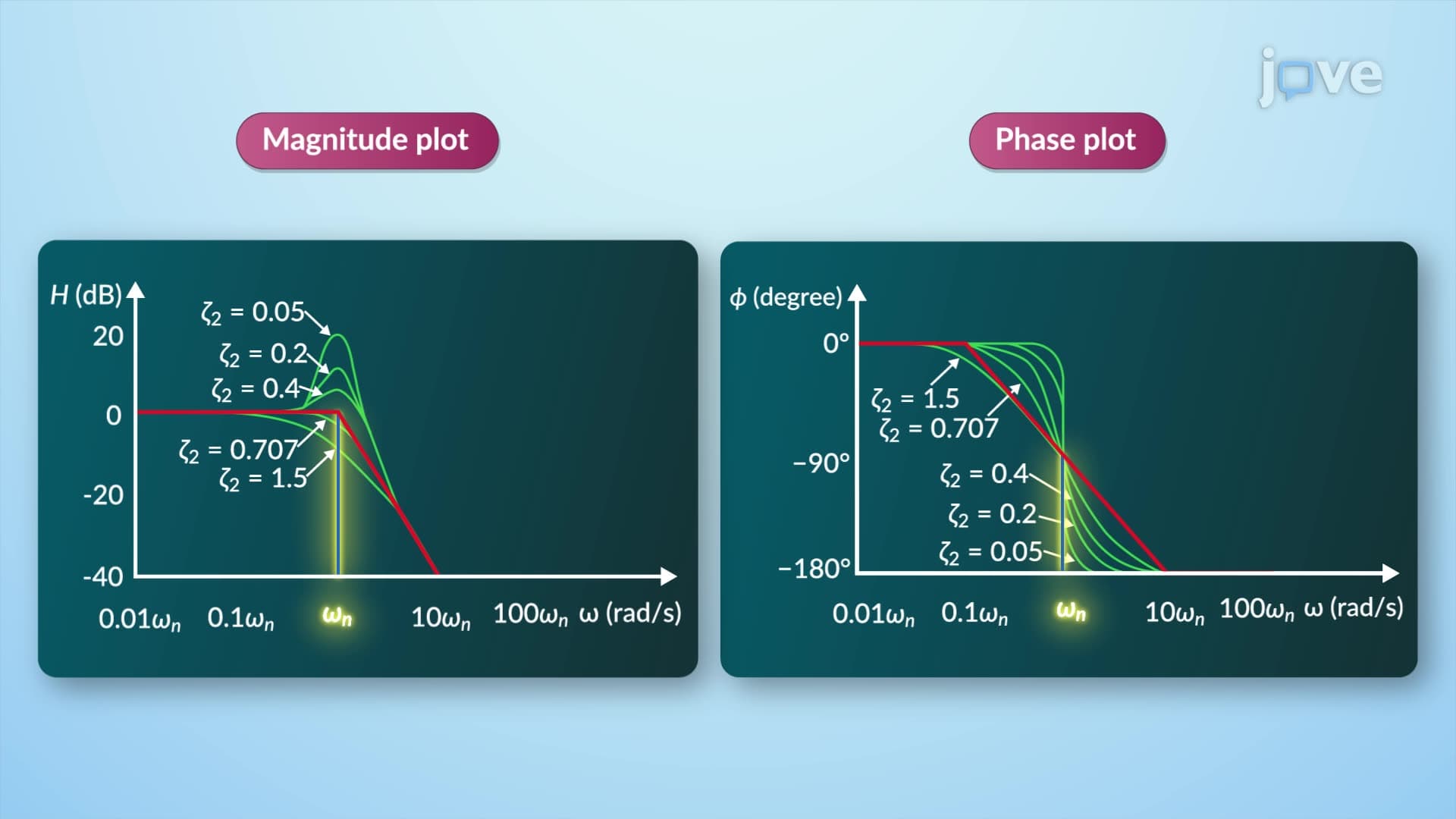
What is Bode plots? Named after engineer Hendrik Bode, these powerful graphical tools represent how systems respond to different input frequencies. In the transfer function and bode plots i relationship, engineers use these semilogarithmic graphs to visualize two critical aspects: magnitude response (how much the system amplifies or attenuates signals) and phase response (how much the system delays signals). This transfer function and bode plots i tutorial approach simplifies complex mathematical analysis into intuitive visual representations.
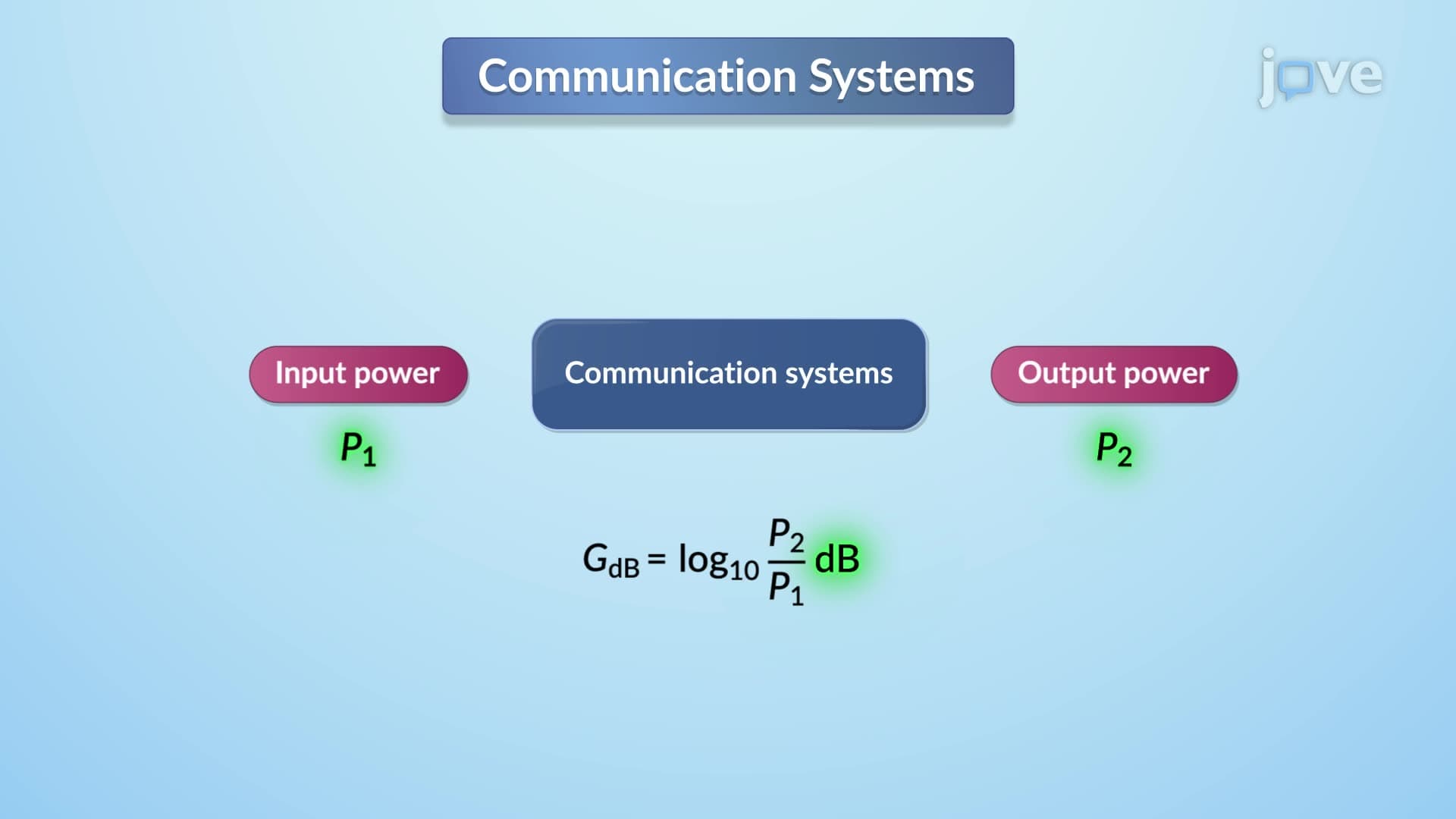
The transfer function and bode plots i concept centers on converting complex network functions into decibel measurements. Engineers calculate logarithmic gain using the formula: Gain(dB) = 20 × log10(|H(jω)|), where H(jω) represents the system's frequency response. This logarithmic scale compresses wide frequency ranges, making it easier to analyze systems spanning from DC to radio frequencies. Understanding how transfer function and bode plots i works requires grasping this fundamental conversion from linear to logarithmic representation.
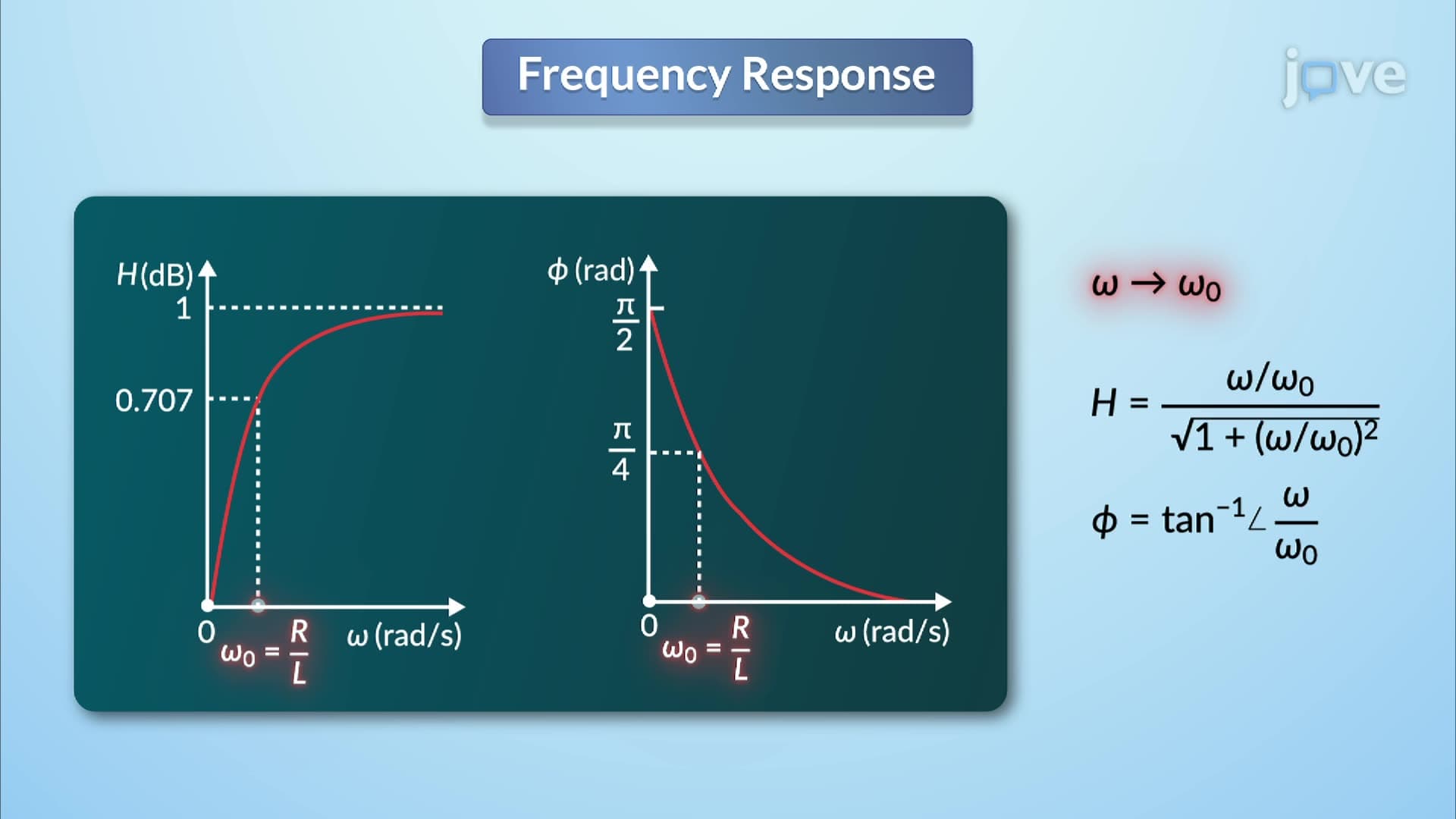
The transfer function and bode plots i overview reveals distinct regions of system behavior. At low frequencies, many systems exhibit constant gain and zero phase shift, creating horizontal asymptotes on both magnitude and phase plots. As frequency increases, systems typically show decreasing magnitude with negative slopes (often -20dB/decade for first-order systems) and increasing phase lag approaching -90 degrees. This asymptotic behavior appears in everything from audio amplifiers designed by companies like Texas Instruments to control systems in NASA spacecraft.
The corner frequency marks where low and high-frequency asymptotes intersect, representing a critical design parameter. At this point, actual system response deviates by approximately -3dB from the asymptotic approximation, while phase shift reaches -45 degrees. This transfer function and bode plots i study guide principle applies directly to filter design in US medical devices, where FDA regulations require precise frequency response specifications. Students preparing for AP Physics or college-level circuits courses encounter these concepts in analyzing RC circuits, operational amplifiers, and communication systems used throughout American engineering industries.
Frequently Asked Questions
Bode plots are semilogarithmic graphs that display a system's magnitude and phase response versus frequency, making complex frequency analysis visual and intuitive. They're essential because they allow engineers to quickly assess system stability, design filters, and predict performance across frequency ranges. These plots are fundamental tools in electrical engineering, appearing in everything from audio equipment design to medical device development at companies like Medtronic and General Electric.
AP Physics C and college circuits exams frequently test Bode plot construction for simple RC and RL circuits, requiring students to identify corner frequencies and sketch asymptotic approximations. Students must calculate -3dB points, determine slope changes, and interpret phase behavior. ABET-accredited engineering programs at universities like MIT and Stanford emphasize these skills in sophomore-level circuits courses, making Bode plot mastery crucial for academic success.
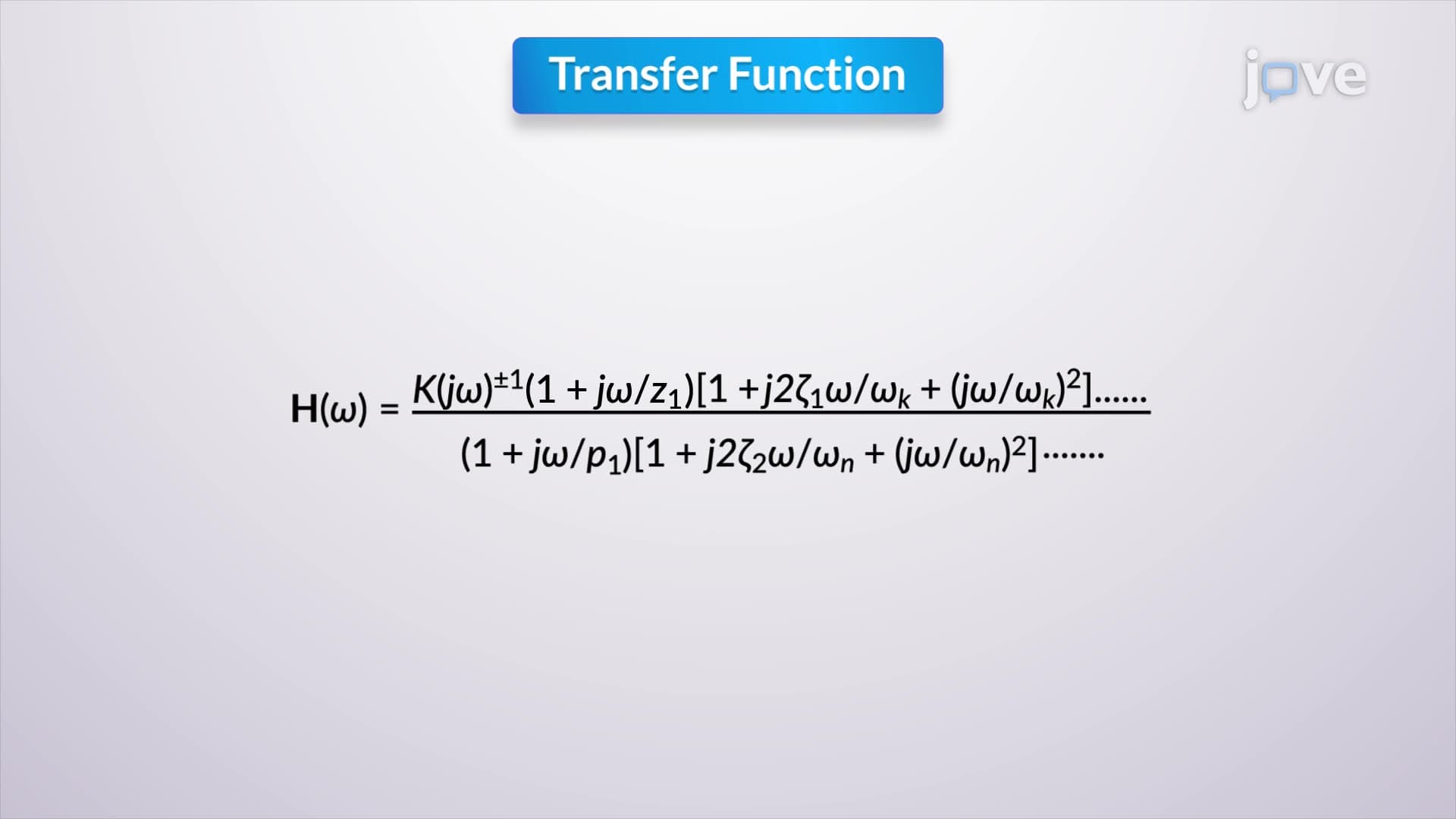
Transfer functions provide the mathematical foundation, while Bode plots offer the graphical interpretation - both concepts appear together on engineering exams. Students must convert s-domain transfer functions to frequency domain representations, then sketch corresponding Bode plots. This dual understanding proves essential for NCEES Fundamentals of Engineering (FE) exam success and advanced coursework in control systems and signal processing.
EKG machines in US hospitals use Bode plot analysis to design filters that remove 60Hz power line interference while preserving vital cardiac signal frequencies between 0.1-100Hz. Engineers at companies like Philips Healthcare and GE Medical Systems apply Bode plot principles to ensure these life-critical devices meet FDA performance standards. The same principles apply to MRI machines, patient monitors, and other diagnostic equipment throughout American healthcare facilities.
Basic algebra and understanding of logarithms suffice for fundamental Bode plot concepts, making them accessible to high school AP students and college freshmen. While advanced analysis requires complex variables and differential equations, the core principles of asymptotic approximation and graphical interpretation can be grasped with precalculus background. Most introductory electrical engineering courses at US universities introduce Bode plots before requiring advanced mathematical prerequisites.
Practice sketching Bode plots by hand for standard circuit configurations like RC low-pass filters, then verify with exact calculations at key frequencies. Focus on identifying corner frequencies quickly, memorizing standard slopes (-20dB/decade for poles, +20dB/decade for zeros), and understanding phase behavior patterns. Create a systematic approach: identify poles and zeros, sketch asymptotes, then refine with exact values at critical points.
Advanced topics include multi-pole systems, stability analysis using gain and phase margins, and compensation network design for control systems. Students should explore Nyquist plots, root locus techniques, and state-space methods used in aerospace engineering programs at schools like Purdue and Georgia Tech. These advanced concepts build directly on Bode plot fundamentals and appear in graduate-level control systems courses.
Bode plots link directly to Fourier analysis, Laplace transforms, and complex impedance concepts taught in US engineering curricula. They provide the foundation for understanding feedback control systems, active filter design, and signal processing applications used in industries from automotive (Ford, GM) to telecommunications (Verizon, AT&T). This interconnected knowledge proves valuable across multiple engineering disciplines and professional engineering practice.
Related Micro-courses
Related Subjects
 Civil Engineering 30 micro-courses›Mechanical Engineering 28 micro-courses›