Loading…
Loading video…

8,255 views
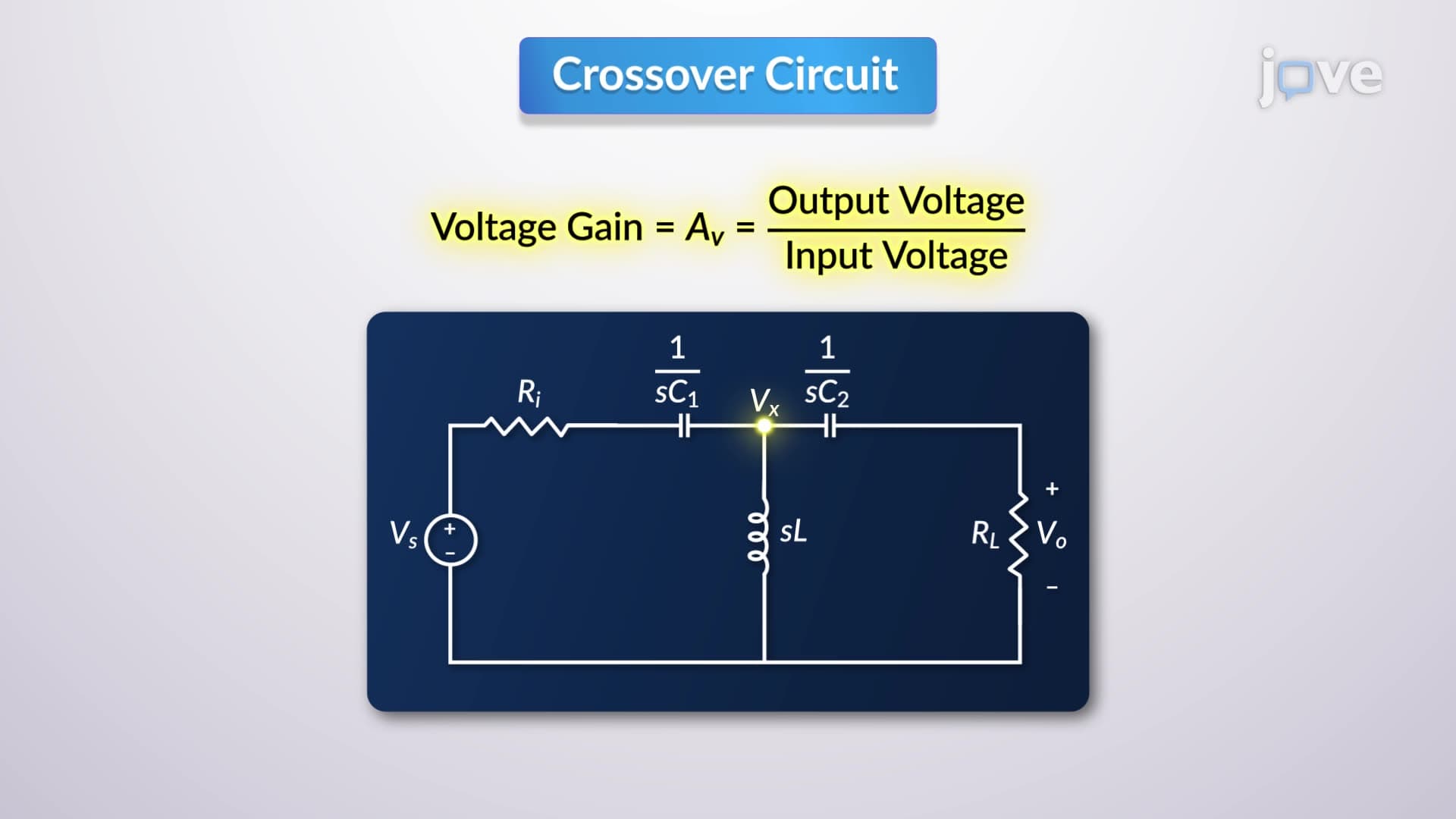
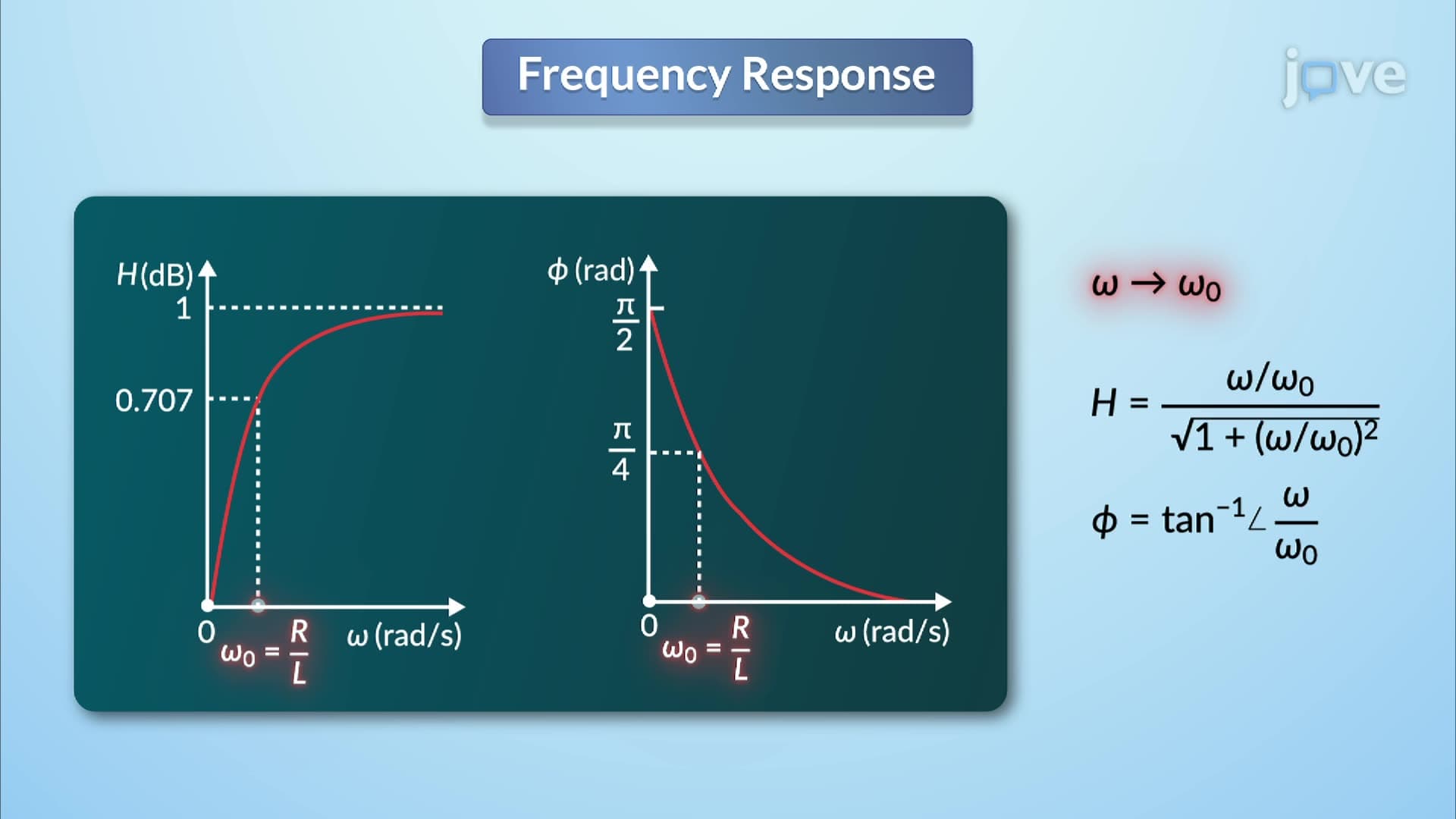
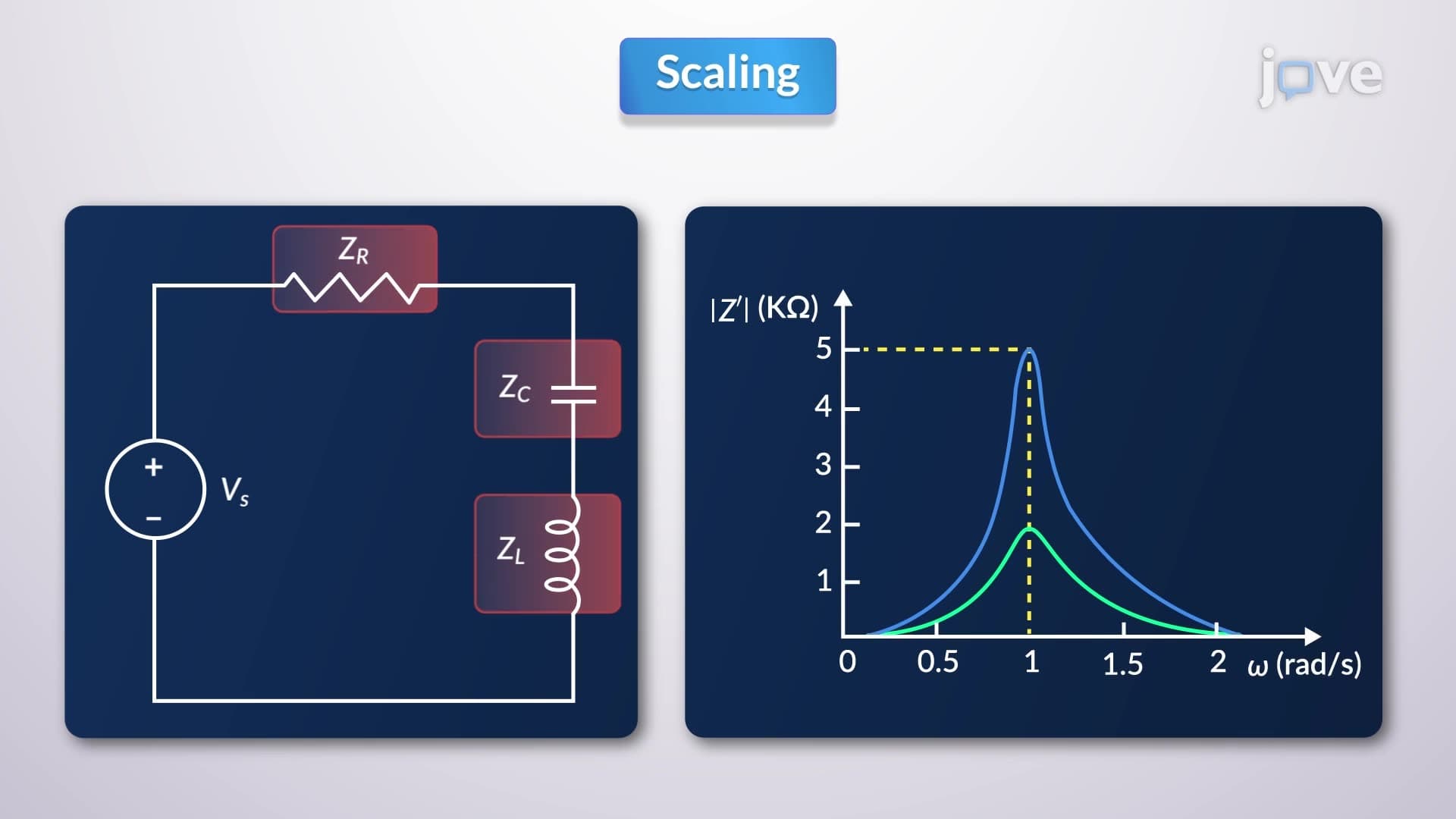
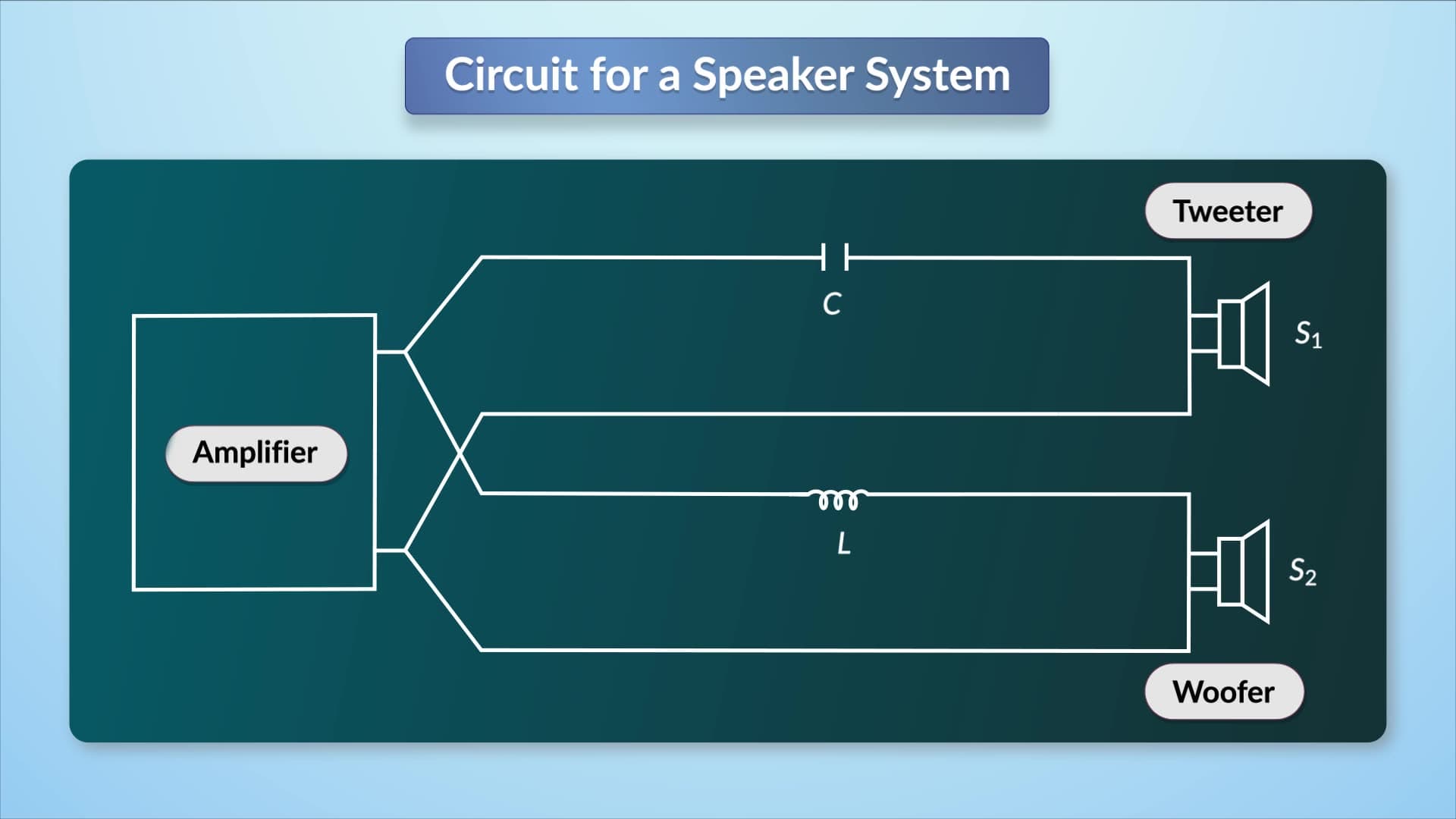
Ever wonder how your car's audio system perfectly separates bass from treble? A frequency response circuit uses mathematical network functions to analyze how electrical circuits behave at different frequencies. Take audio crossover circuits in American-made speakers like those from Klipsch or JBL – they use inductors, capacitors, and resistors to direct specific frequencies to the right drivers. Network function circuits define the output-to-input ratio using transfer functions with zeros and poles in the Laplace domain. Watch the full video on JoVE Coach to master this concept with expert-led visuals and step-by-step explanations.
A frequency response circuit represents one of the most practical applications of network theory in electrical engineering. Unlike simple DC analysis, these circuits must account for how components behave differently as signal frequency changes. The network function – also called transfer function – provides a mathematical tool to predict and design this frequency-dependent behavior.
In the United States, students typically encounter this concept in AP Physics C courses and college-level circuit analysis classes. The mathematical foundation builds on complex algebra and Laplace transforms, making it essential preparation for engineering programs at institutions like MIT, Stanford, or Georgia Tech.
Network functions classify into four distinct categories based on input-output relationships. Voltage gain (H(s) = V(out)/V(in)) measures output voltage relative to input voltage – crucial for amplifier design. Current gain (H(s) = I(out)/I(in)) characterizes current relationships in transistor circuits. Transfer impedance (H(s) = V(out)/I(in)) and transfer admittance (H(s) = I(out)/V(in)) describe mixed voltage-current relationships common in sensor applications.
The complex variable s in the Laplace domain allows engineers to analyze transient and steady-state behavior simultaneously. This mathematical approach proves invaluable for designing everything from smartphone audio processors to automotive control systems manufactured by companies like Texas Instruments or Analog Devices.
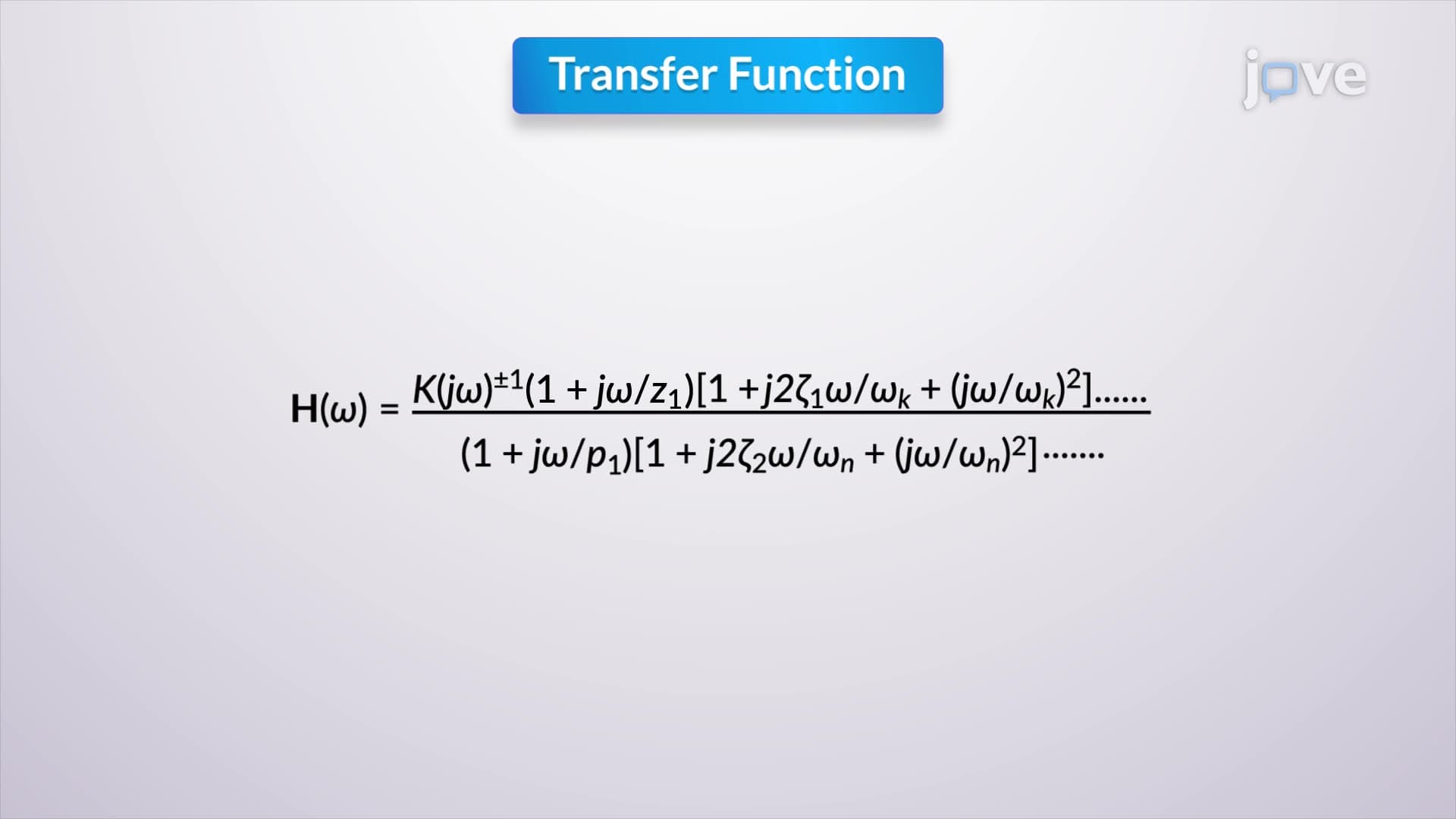
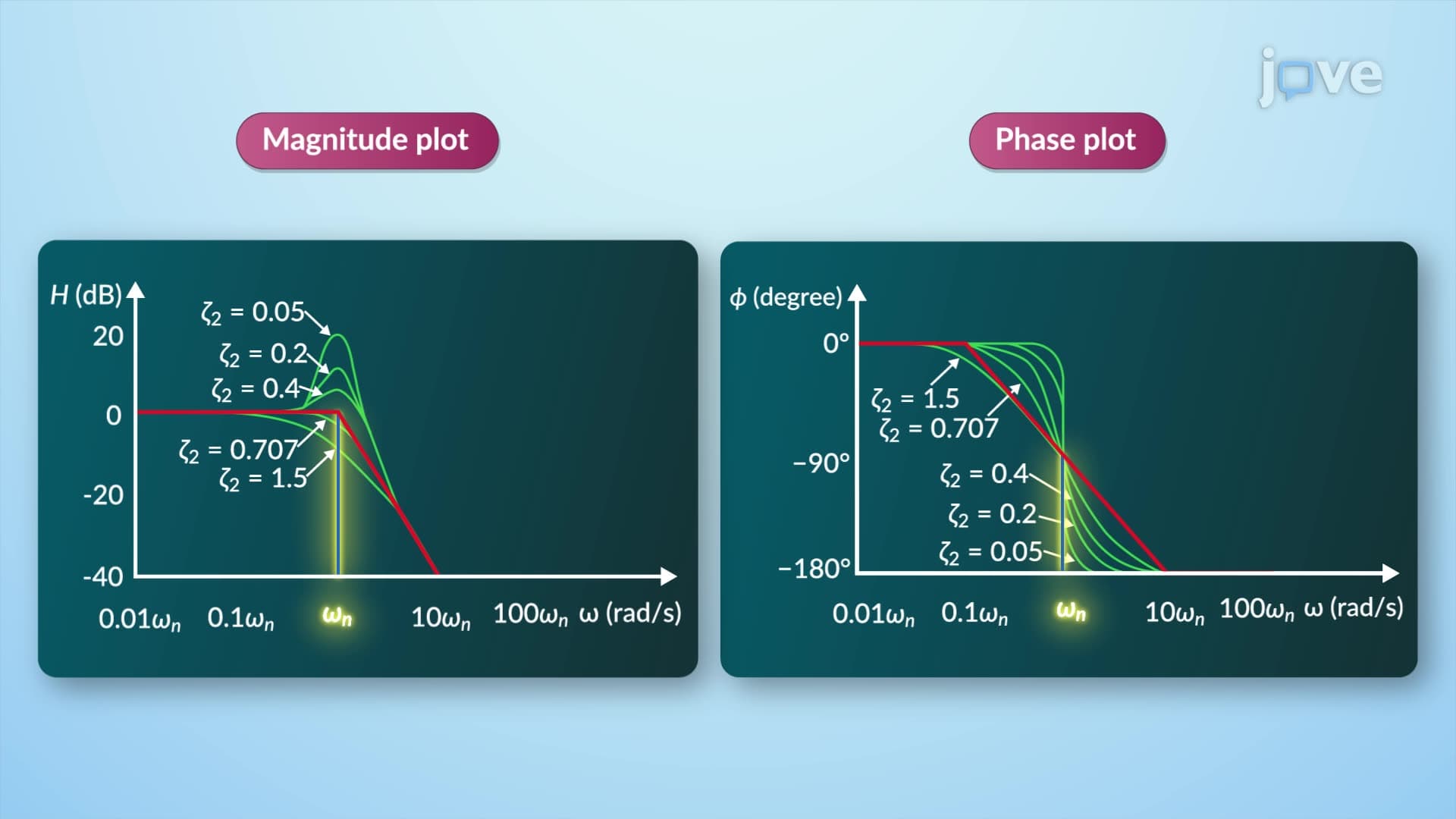
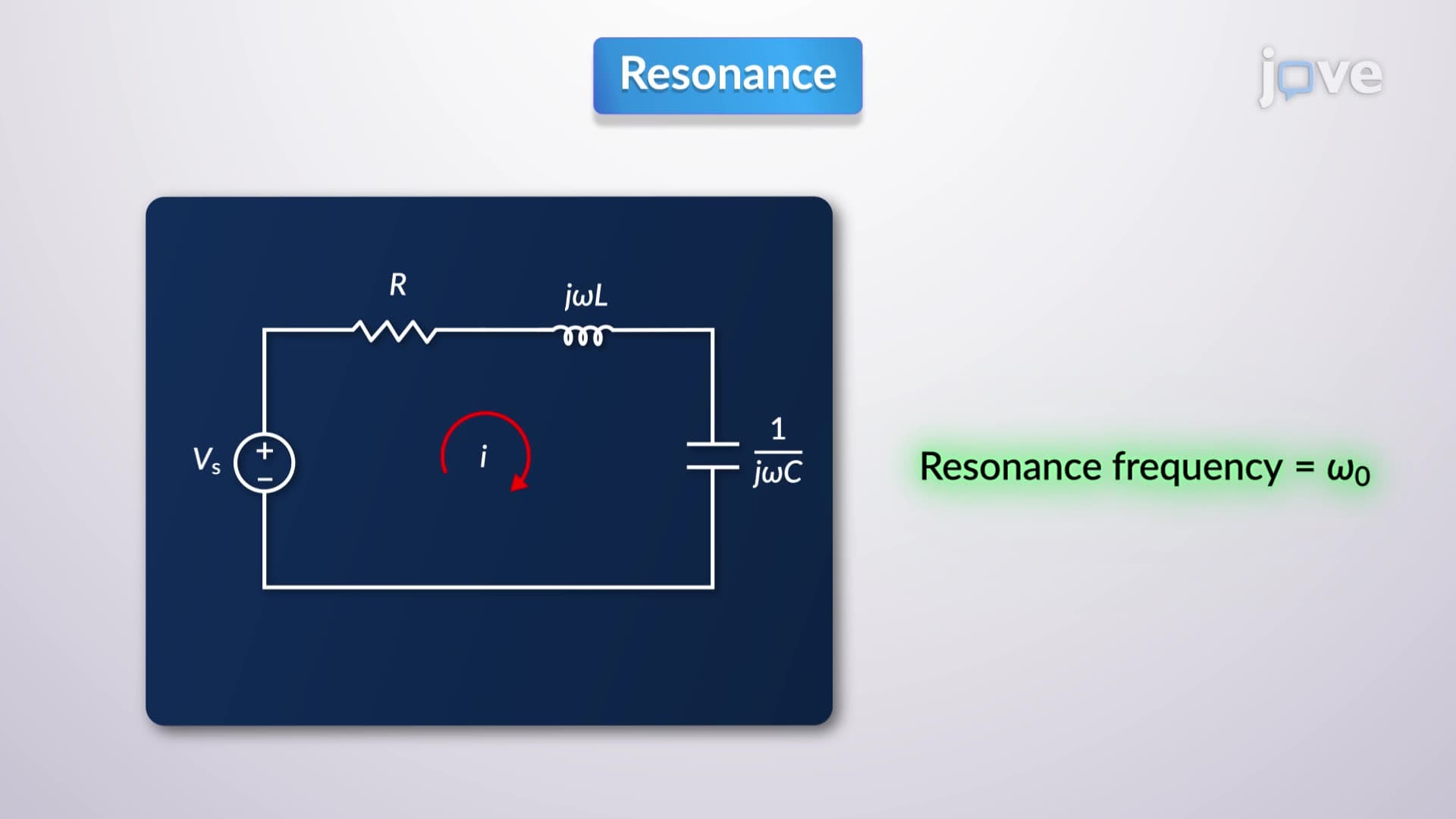
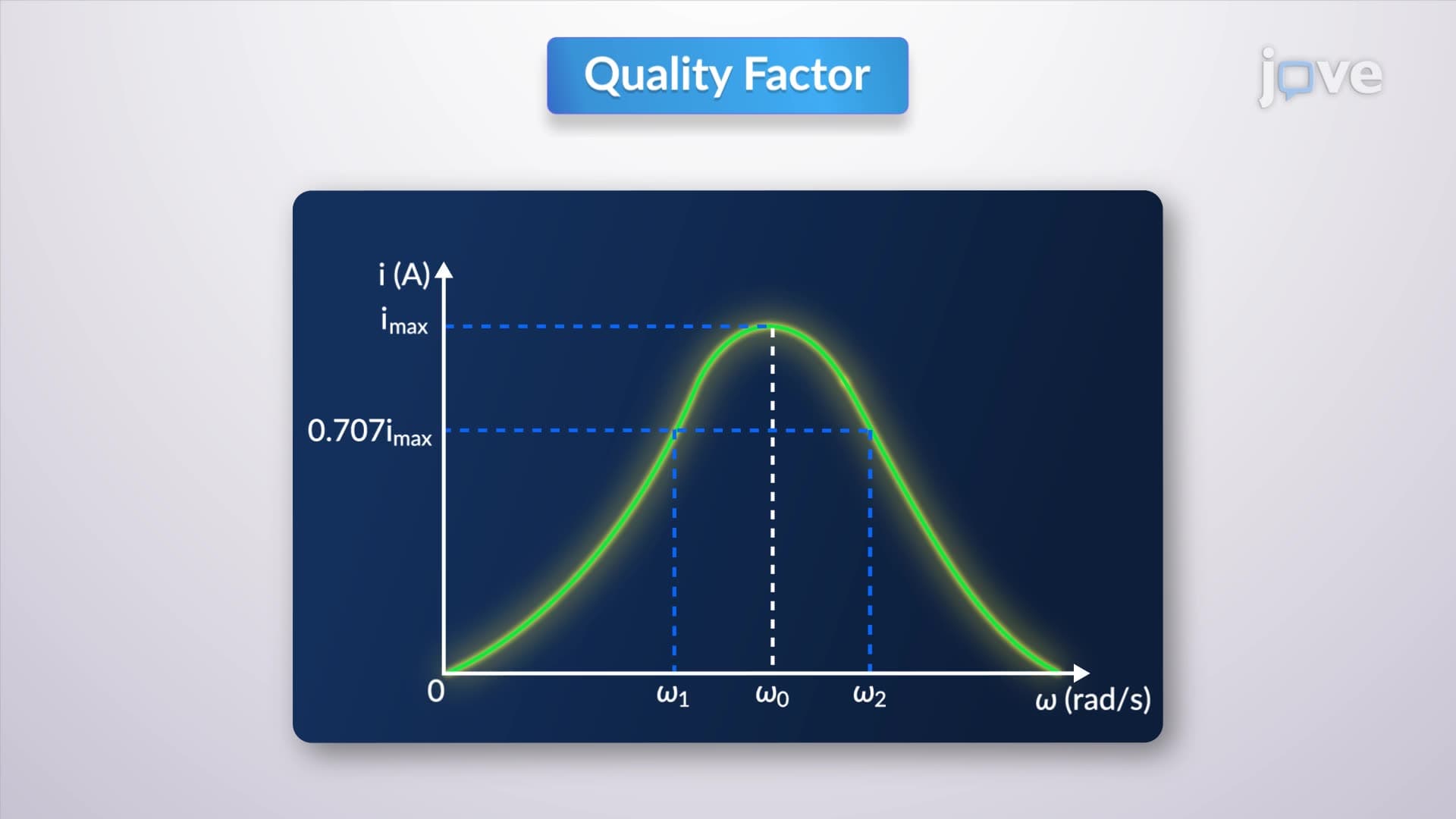
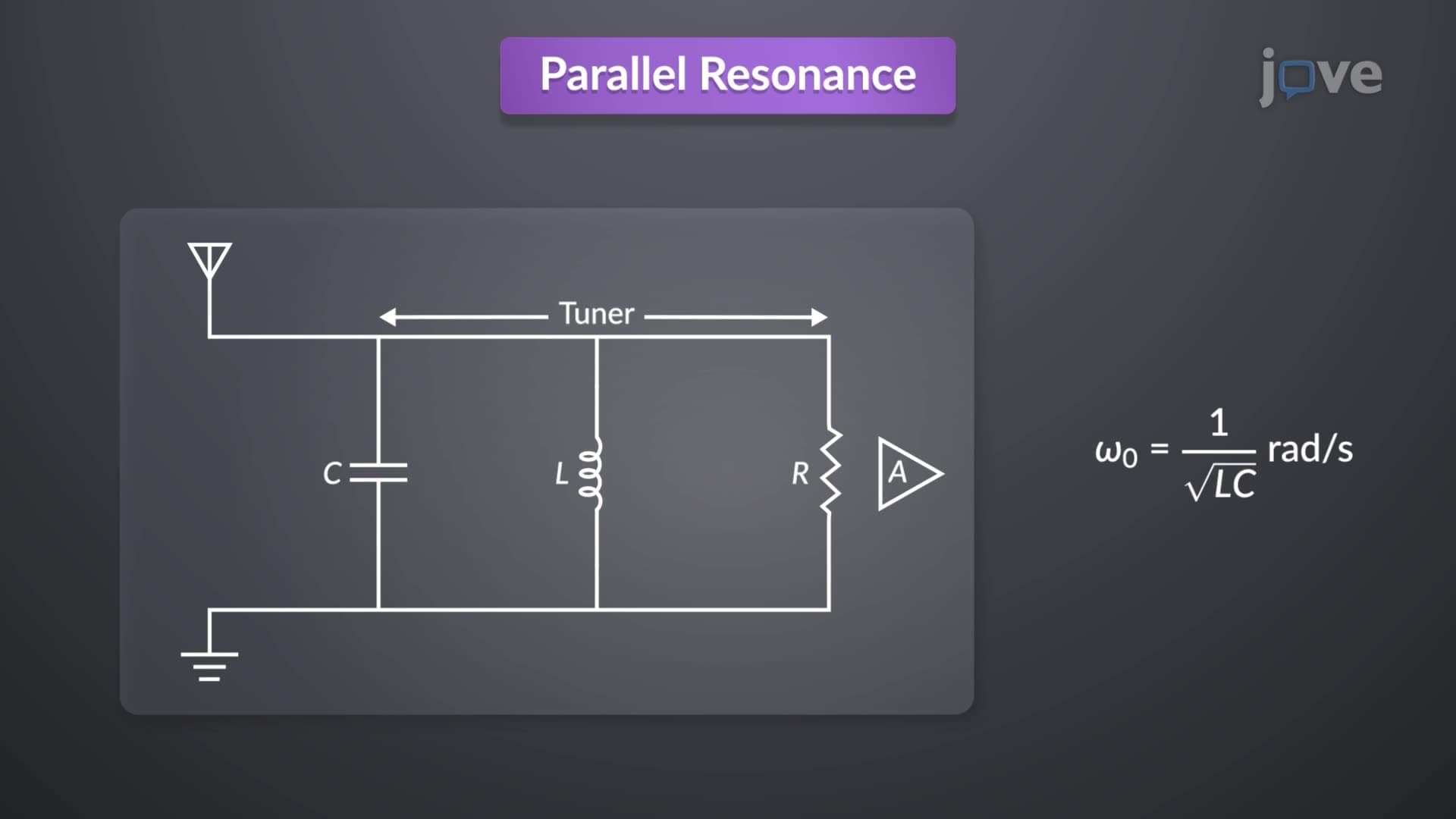
Transfer function zeros occur where the numerator polynomial equals zero, creating points where output becomes zero regardless of input magnitude. Poles, where the denominator equals zero, represent frequencies where the function approaches infinity – indicating potential instability or resonance conditions.
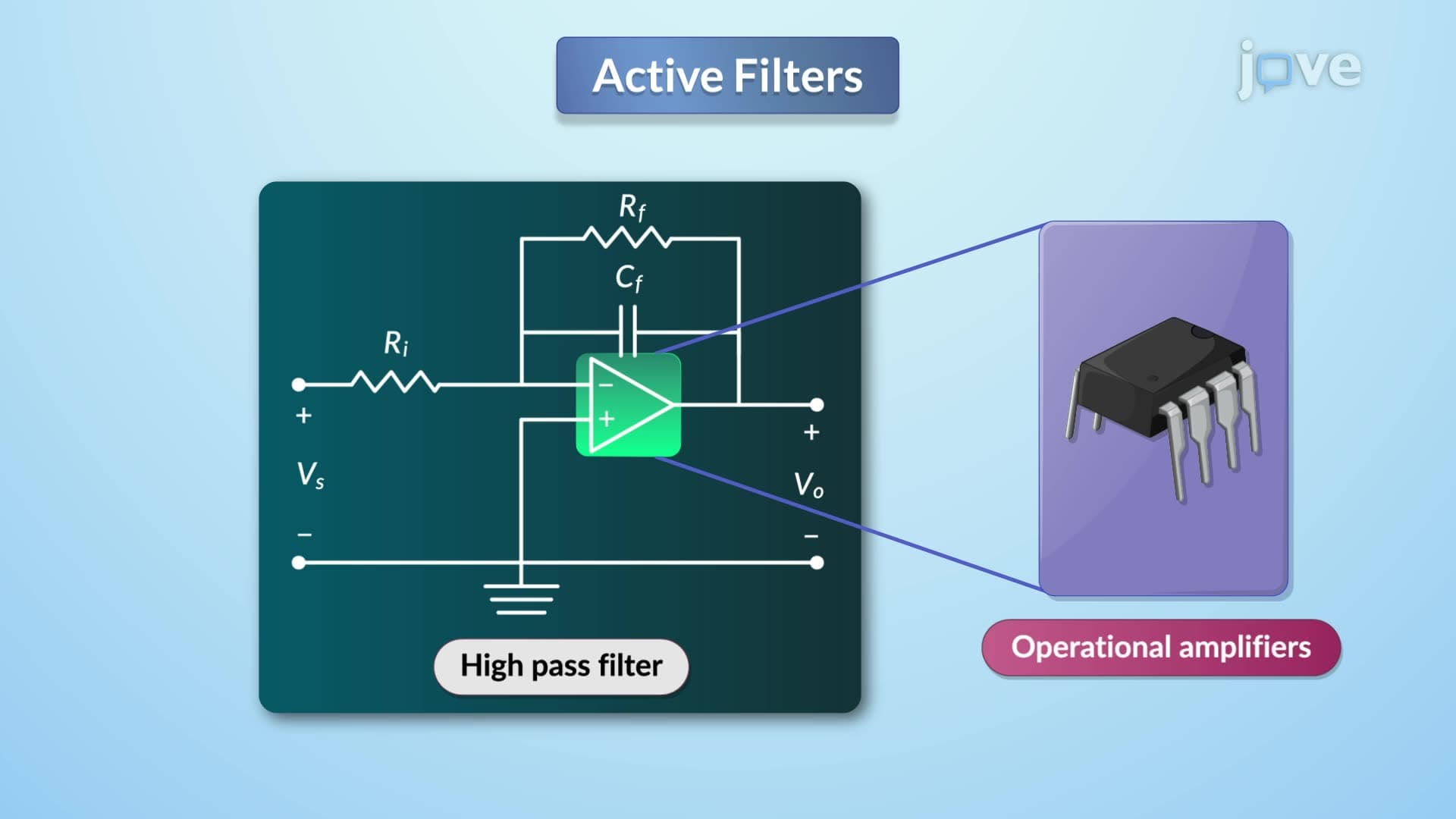
Consider a high-pass filter in a Bose speaker system: zeros at low frequencies ensure bass signals don't reach the tweeter, while poles determine the rolloff characteristics. Engineers at American audio companies like Harman Kardon use these mathematical tools to create precise frequency separation, ensuring optimal sound reproduction across the audible spectrum.
Understanding these concepts proves essential for students preparing for electrical engineering coursework or pursuing careers in industries ranging from telecommunications to renewable energy systems.
Frequently Asked Questions
A network function circuit uses mathematical transfer functions to analyze how electrical circuits respond to different input frequencies. It's essential because most real-world signals contain multiple frequencies, and circuits must process these signals predictably. Engineers use network functions to design everything from smartphone processors to power grid protection systems.
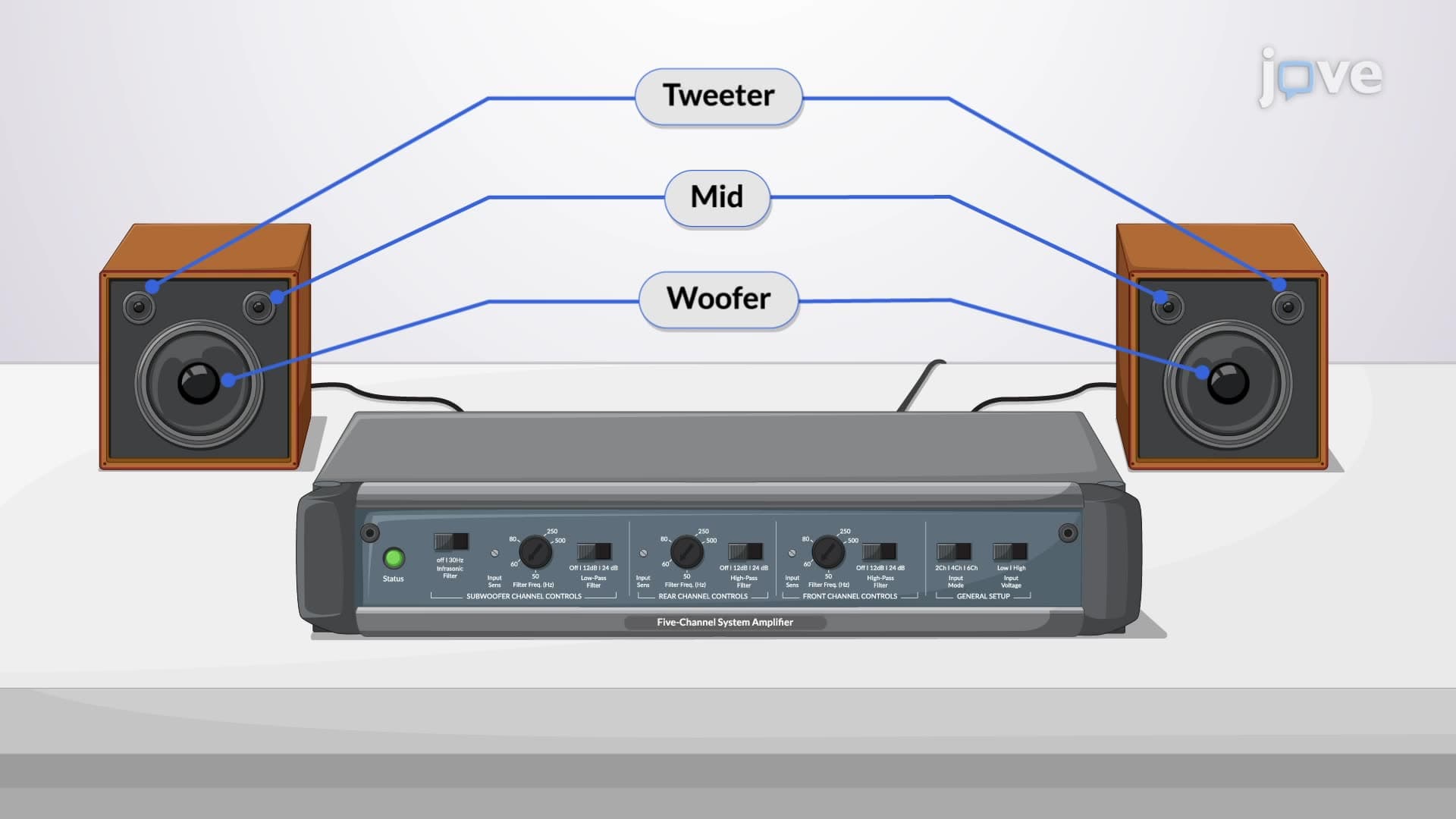
Audio equipment relies heavily on frequency response circuits to separate and process different sound frequencies. For example, crossover networks in speakers from companies like JBL or Polk Audio use network functions to ensure bass frequencies go to woofers while treble goes to tweeters. This mathematical approach ensures optimal sound quality and prevents component damage.
Yes, AP Physics C: Electricity and Magnetism includes AC circuit analysis, which directly applies network function concepts. You'll need to understand how capacitors and inductors behave at different frequencies, calculate impedance, and analyze filter circuits. The mathematical framework using complex numbers appears regularly on both multiple-choice and free-response questions.
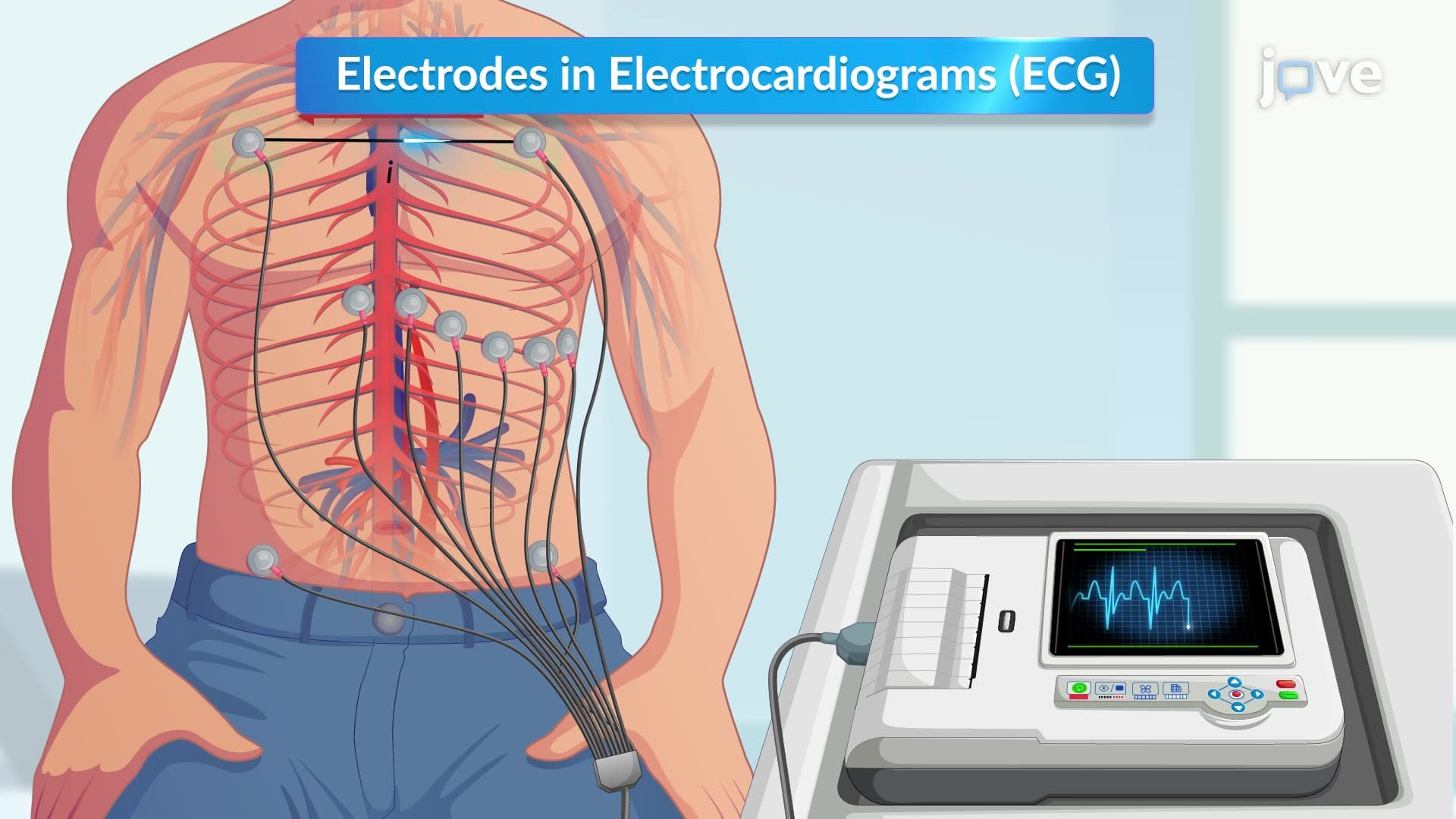
The MCAT tests fundamental circuit analysis including AC circuits and frequency-dependent behavior. While you won't calculate complex transfer functions, understanding how circuit components respond to different frequencies is crucial. Expect questions about filters, resonance, and impedance matching in biological measurement devices like EKG machines.
Audio crossovers perfectly demonstrate network function principles because they use inductors, capacitors, and resistors to create frequency-selective behavior. American companies like Klipsch design these circuits to split audio signals: low frequencies go to woofers, mid-range to drivers, and high frequencies to tweeters. The transfer function mathematically describes exactly which frequencies each component receives.
Basic understanding requires only algebra and trigonometry, making it accessible to high school students in AP Physics courses. However, complete mastery involves Laplace transforms and complex analysis, typically covered in college engineering programs. Start with simple RC and RL circuits to build intuition before tackling complex transfer functions.
Focus on three key areas: circuit analysis using impedance, Laplace domain conversions, and pole-zero interpretation. Practice with audio filter examples since they provide concrete, relatable applications. Create a formula sheet including standard transfer functions for common circuits like high-pass, low-pass, and band-pass filters.
Network functions lead naturally to control systems theory, digital signal processing, and communications engineering. Students often progress to studying feedback systems, stability analysis, and frequency domain design methods. These concepts form the foundation for advanced courses in robotics, telecommunications, and power systems engineering at major universities.
Related Micro-courses
Related Subjects
 Civil Engineering 30 micro-courses›Mechanical Engineering 28 micro-courses›