Loading…
Loading video…

8,255 views
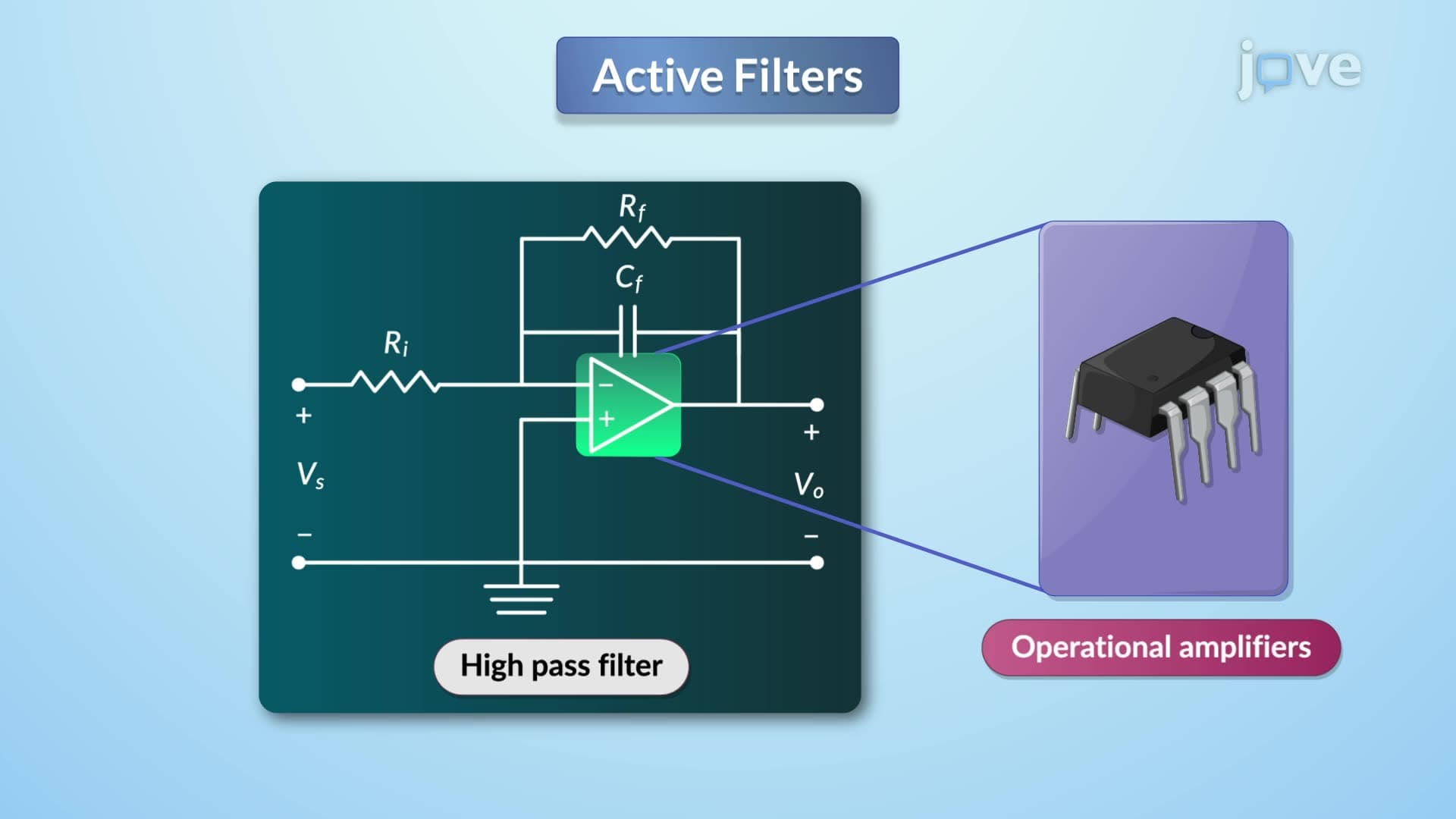
Ever wondered how your smartphone's audio system delivers crystal-clear sound while filtering out unwanted noise? The secret lies in scaling electronic circuits through active filter design. Unlike passive filters that struggle with scaling definition limitations and expensive inductors, active filters use operational amplifiers to achieve precise frequency control. In the United States, companies like Texas Instruments manufacture op-amps that power everything from hearing aids to automotive sound systems. What are Active Filters represents a fundamental breakthrough in electronic scaling technology. Watch the full video on JoVE Coach to master this concept with expert-led visuals and step-by-step explanations.
Active filters represent a revolutionary approach to frequency-selective circuit design that overcomes the fundamental limitations of passive filter networks. While passive filters rely solely on resistors, capacitors, and inductors, active filters incorporate operational amplifiers (op-amps) to achieve superior performance characteristics. This scaling advancement enables engineers to design compact, cost-effective filtering solutions for countless applications.
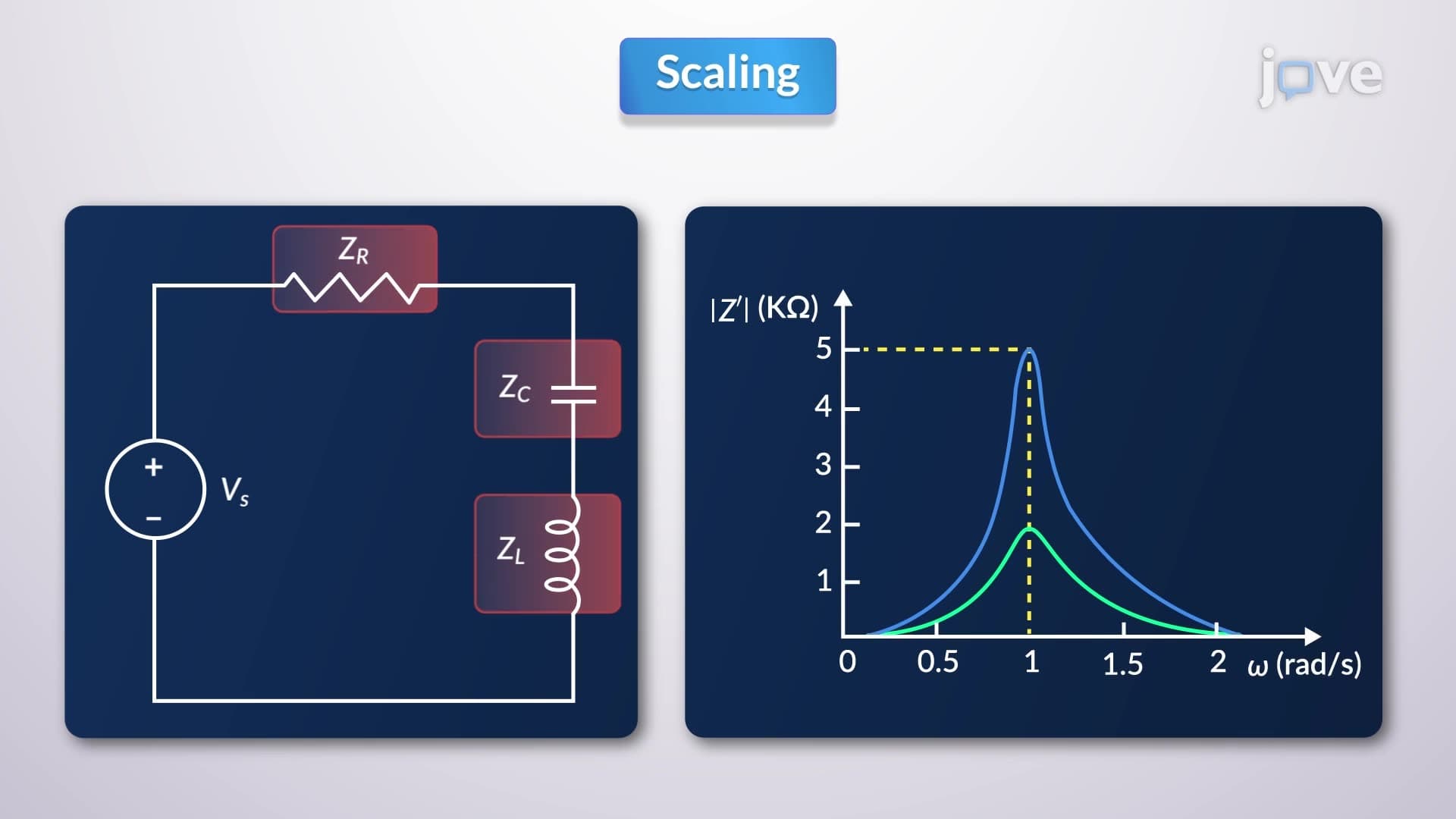
The scaling definition in active filter context refers to the ability to adjust gain and frequency response without the physical constraints imposed by large inductors. Unlike passive filters that cannot exceed unity gain and often require expensive, bulky inductors for low-frequency applications, active filters achieve precise scaling through electronic amplification.
Active filters combine three essential elements: operational amplifiers, resistors, and capacitors. The op-amp serves as the active element, providing voltage gain and high input impedance while maintaining low output impedance. This configuration enables what is scaling in detail – the systematic adjustment of filter parameters through resistor and capacitor value selection.
Students preparing for AP Physics C or college-level circuit analysis courses should understand that the op-amp's characteristics eliminate loading effects common in passive filters. Major US semiconductor companies like Analog Devices and Linear Technology produce specialized op-amps optimized for filter applications, with specifications targeting audio frequencies (20 Hz to 20 kHz) and beyond.
Active filters fall into four primary categories: low-pass, high-pass, band-pass, and band-reject (notch) filters. Low-pass active filters attenuate frequencies above the corner frequency while maintaining finite low-frequency gain determined by the feedback resistor ratio. This scaling overview principle allows engineers to design filters with specific gain characteristics.
High-pass active filters operate inversely, suppressing frequencies below the corner frequency while providing controllable high-frequency gain. The transfer function mathematics involved appear frequently on MCAT physics sections and engineering midterm examinations at universities like MIT and Stanford.
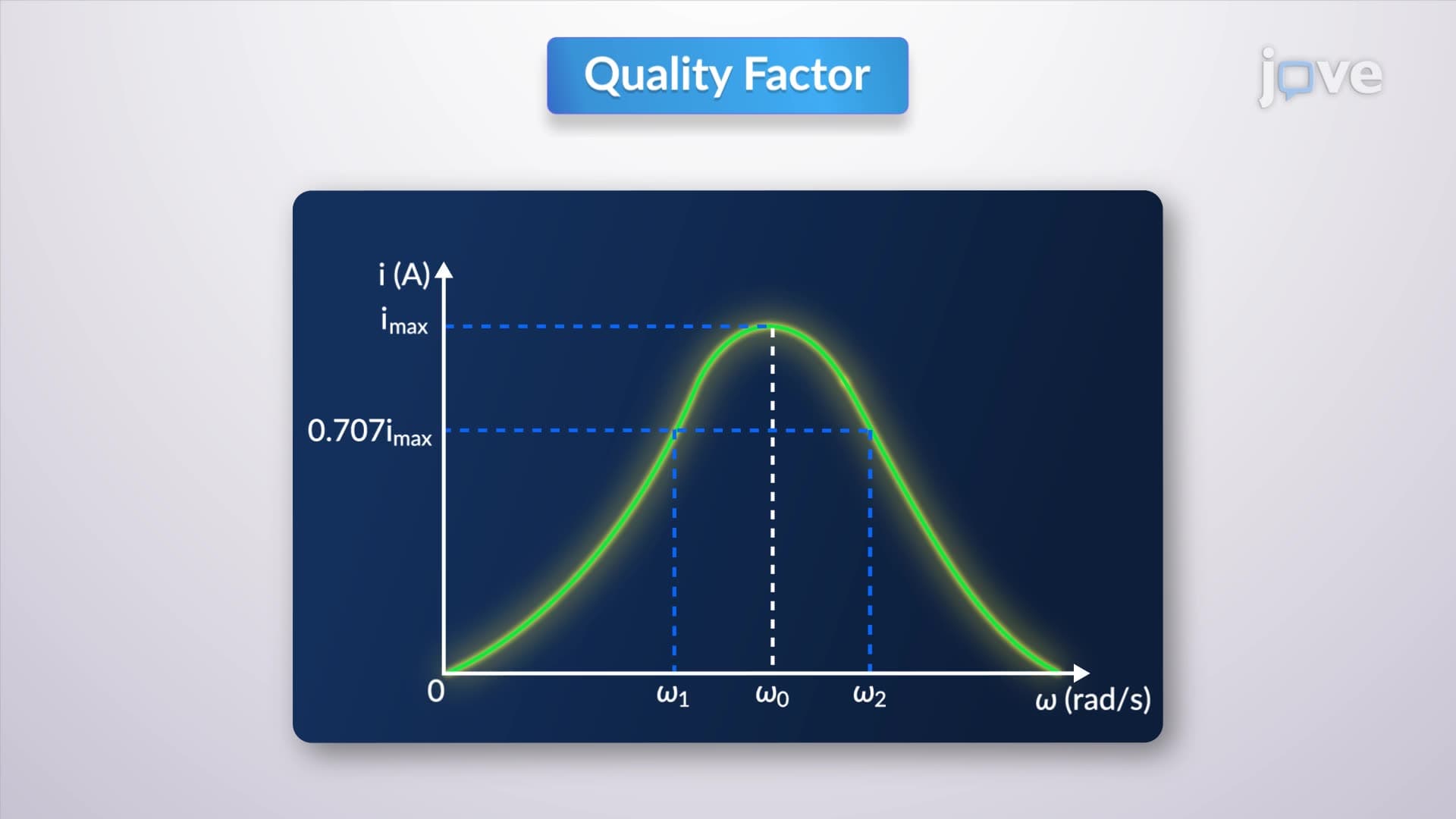
Band-pass filters combine low-pass and high-pass characteristics, transmitting only frequencies within a specific range. Conversely, band-reject filters block frequencies within the stopband while allowing frequencies outside this range to pass. These scaling basics form the foundation for advanced filter design techniques used in professional audio equipment and medical instrumentation.
The scaling concept extends far beyond theoretical understanding into real-world applications across multiple industries. In telecommunications, active filters in cell phone base stations manufactured by companies like Qualcomm ensure clear signal transmission. Audio processing systems in recording studios throughout Nashville and Los Angeles rely on active filter banks for professional sound mixing and mastering.
Power supply applications represent another critical scaling study guide area, where active filters reduce switching noise in DC-DC converters used in everything from laptop computers to electric vehicle charging systems. Understanding these applications proves essential for students pursuing electrical engineering degrees or preparing for professional engineering examinations.
Frequently Asked Questions
Active filters are frequency-selective circuits that use operational amplifiers, resistors, and capacitors to process signals with controllable gain and precise frequency response. Unlike passive filters, they can amplify signals while filtering, making them ideal for audio, telecommunications, and power supply applications where signal strength and frequency selectivity are both important.
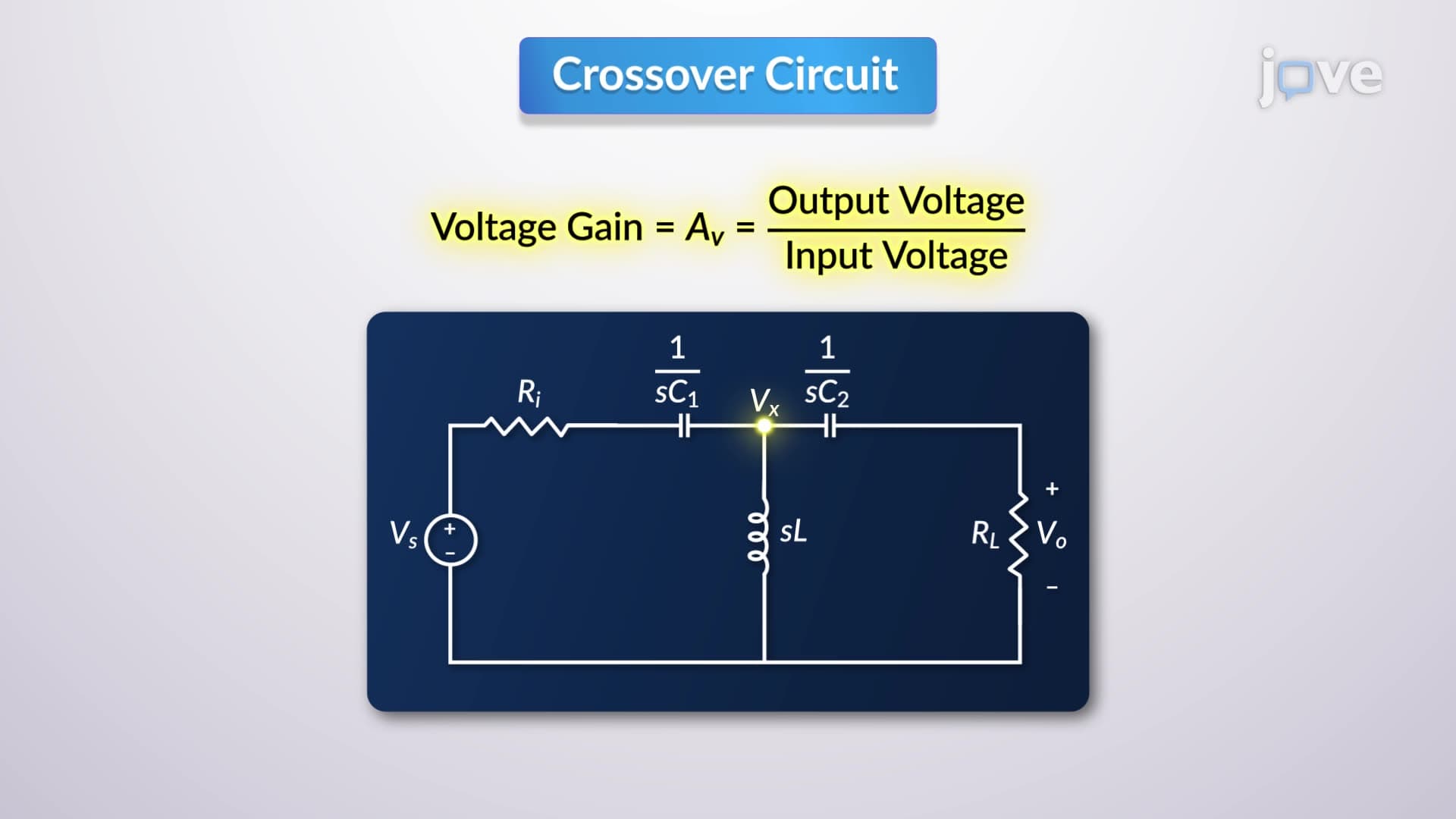
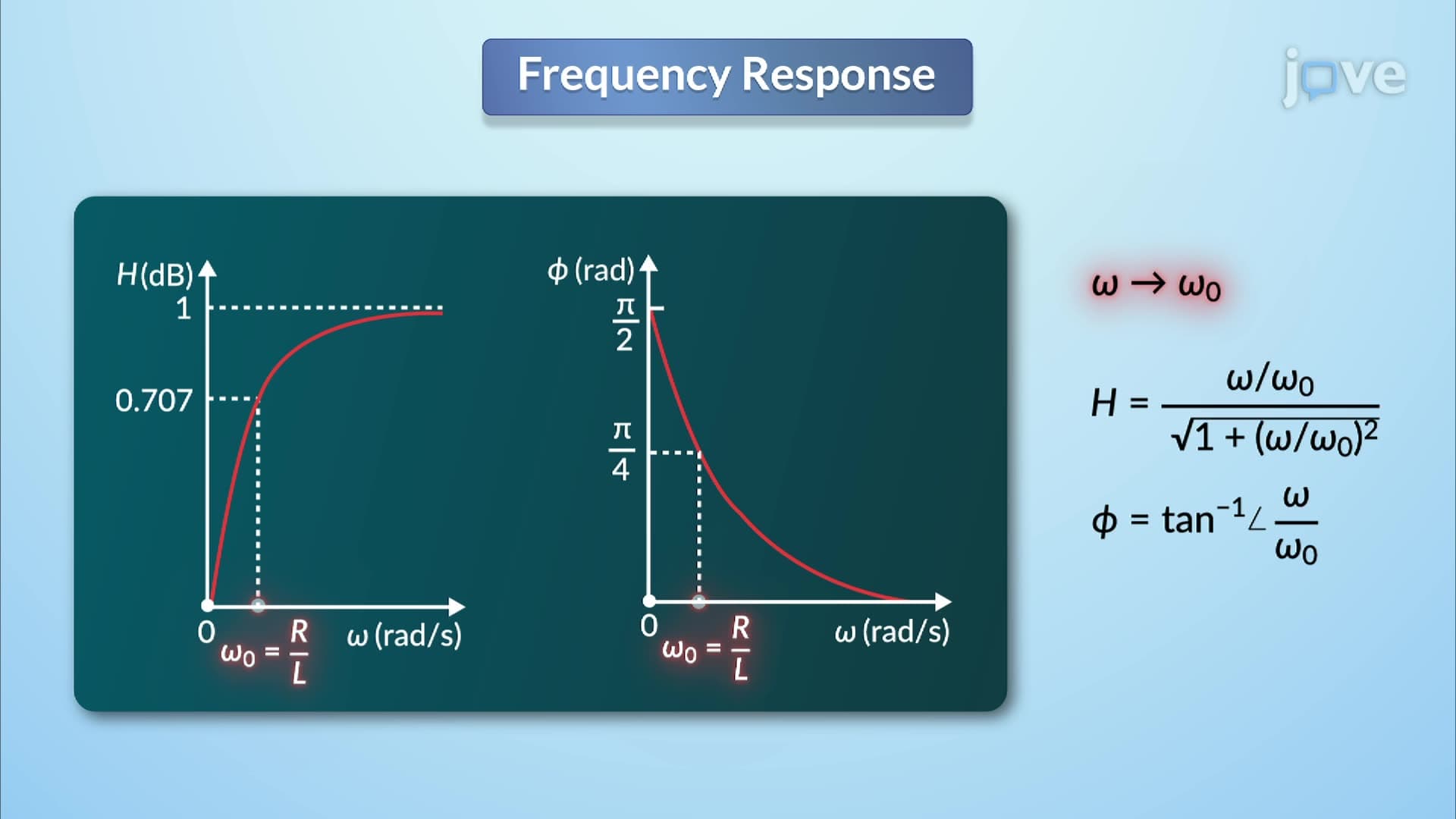
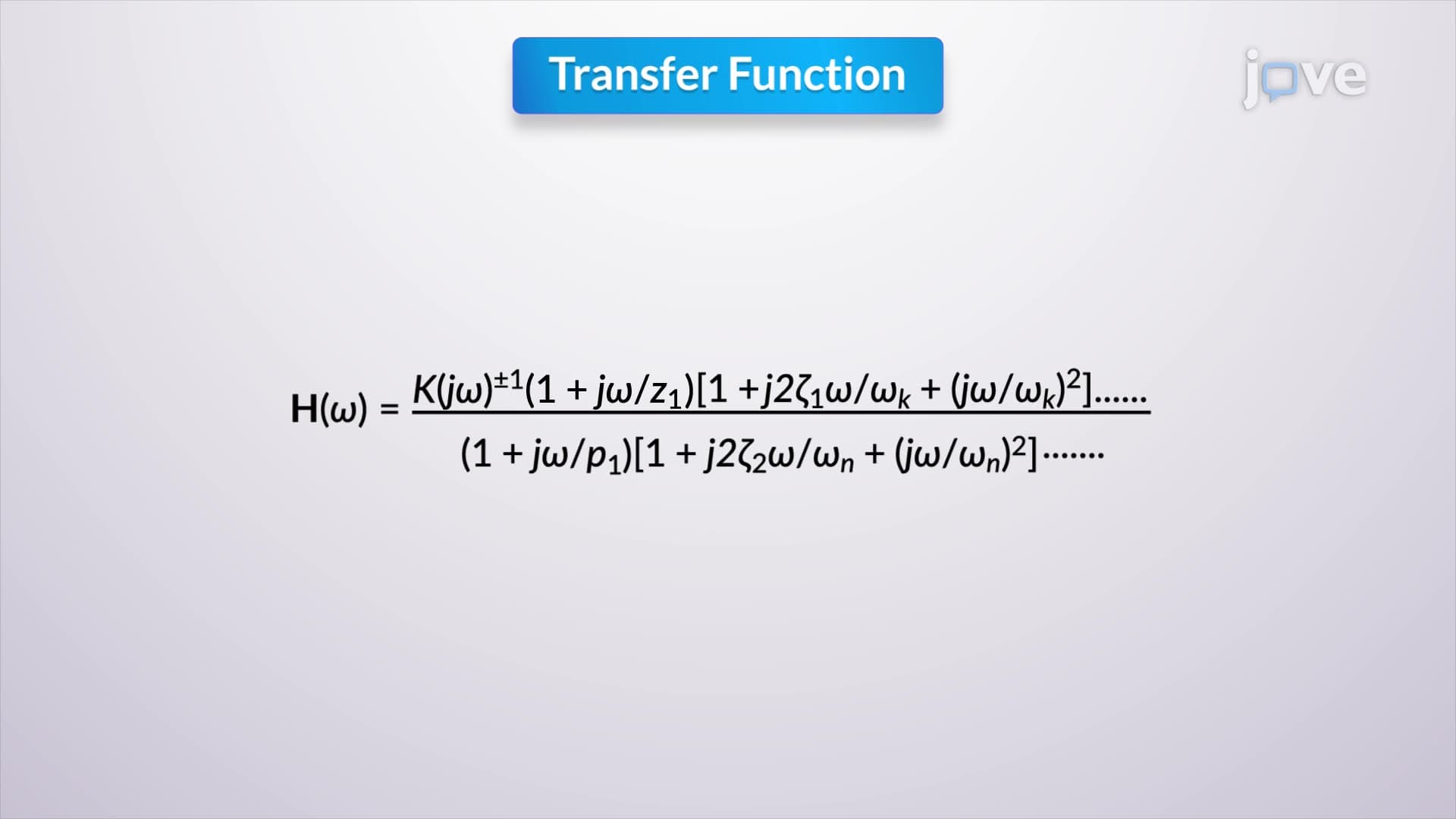
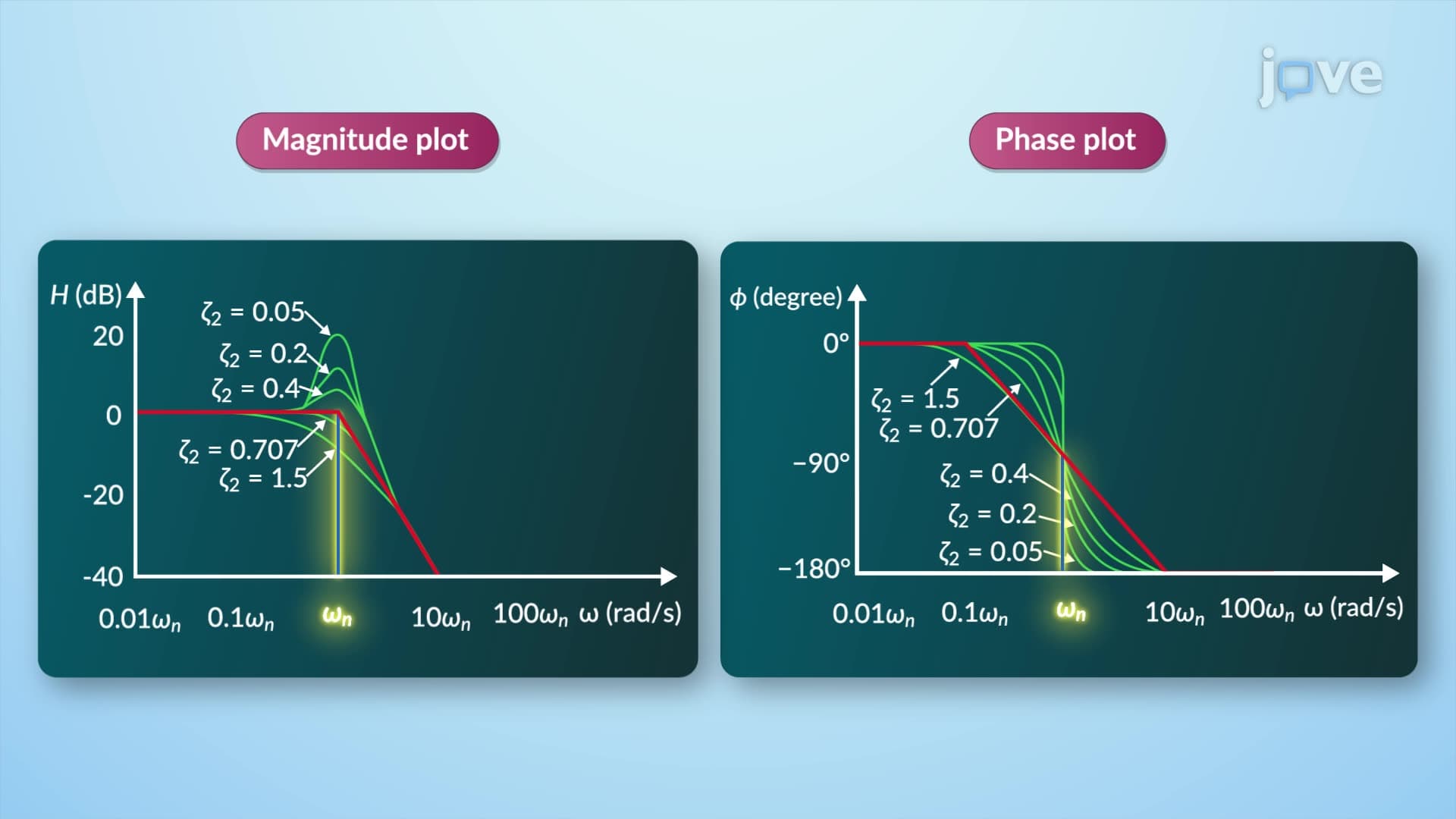
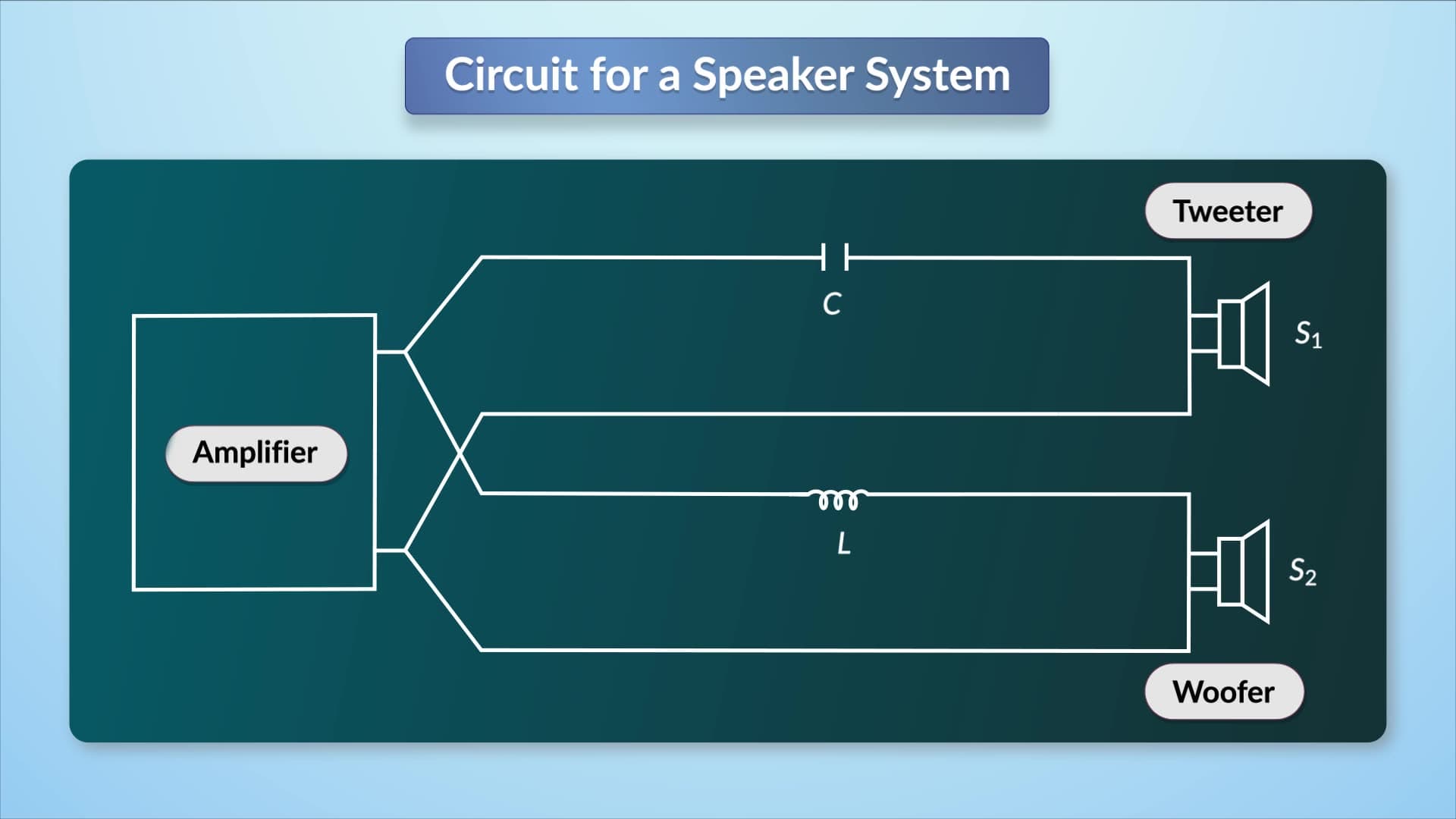
Active filter problems typically focus on transfer function analysis, corner frequency calculations, and gain determination using op-amp circuit principles. Students must understand feedback resistor ratios, frequency response curves, and the differences between filter types. Many exams include numerical problems involving filter design for specific applications like audio crossovers or signal conditioning circuits.
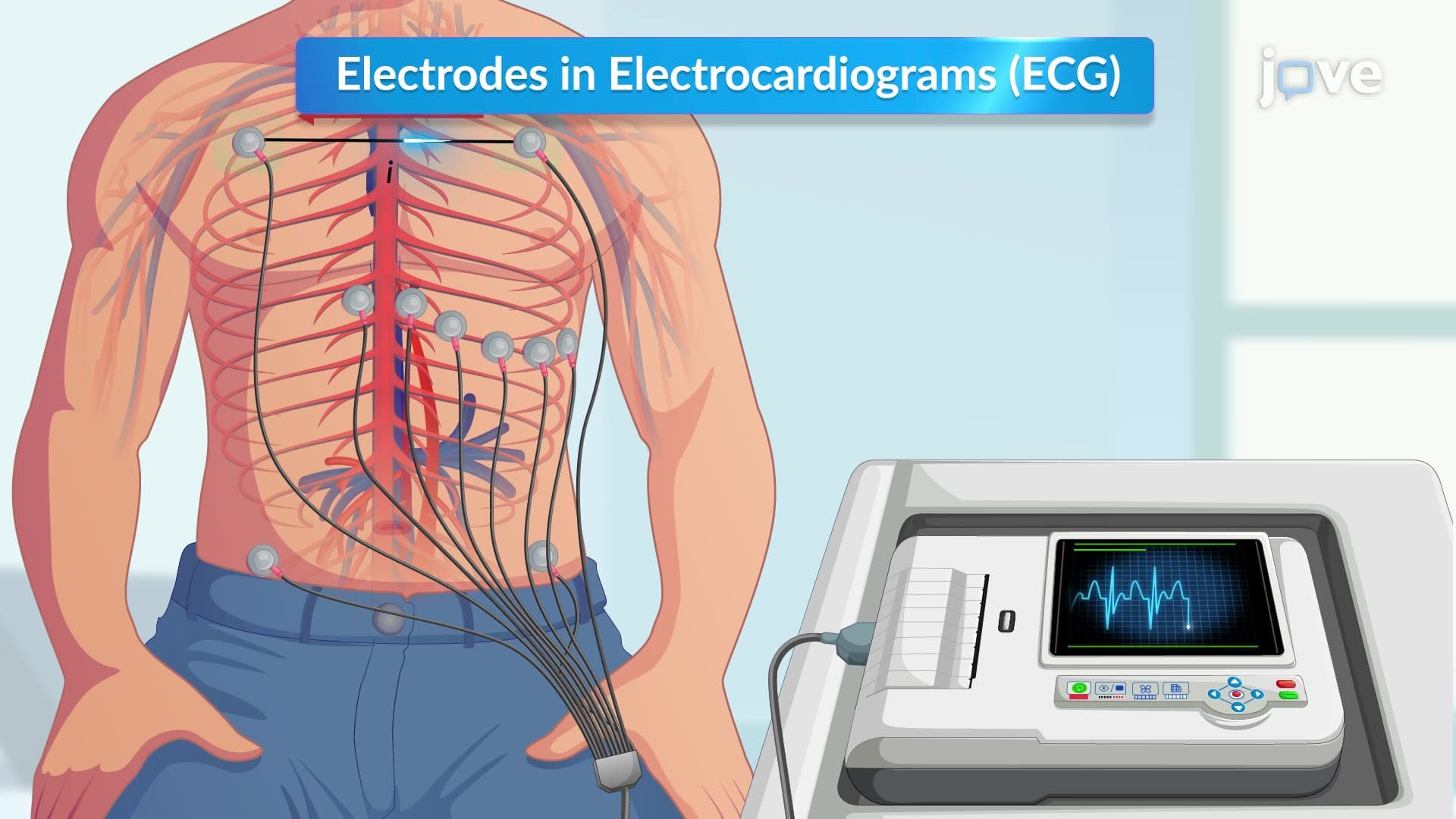
MCAT questions often emphasize the practical advantages of active filters: no loading effects, voltage gain capability, and elimination of expensive inductors. Test-takers should understand that active filters provide better performance in medical instrumentation applications, such as ECG signal processing and patient monitoring systems commonly referenced in exam scenarios.
Active filters in medical devices remove electrical interference from patient monitoring systems, enhance ECG and EEG signal quality, and filter power supply noise in life-support equipment. Major medical device manufacturers like Medtronic and Boston Scientific incorporate sophisticated active filter designs to ensure reliable operation in clinical environments throughout American healthcare facilities.
Active filter fundamentals require only basic algebra and trigonometry concepts typically covered in high school physics or pre-calculus courses. While advanced filter design involves complex mathematics, introductory understanding focuses on recognizing filter types, identifying corner frequencies, and applying simple gain calculations using resistor ratios.
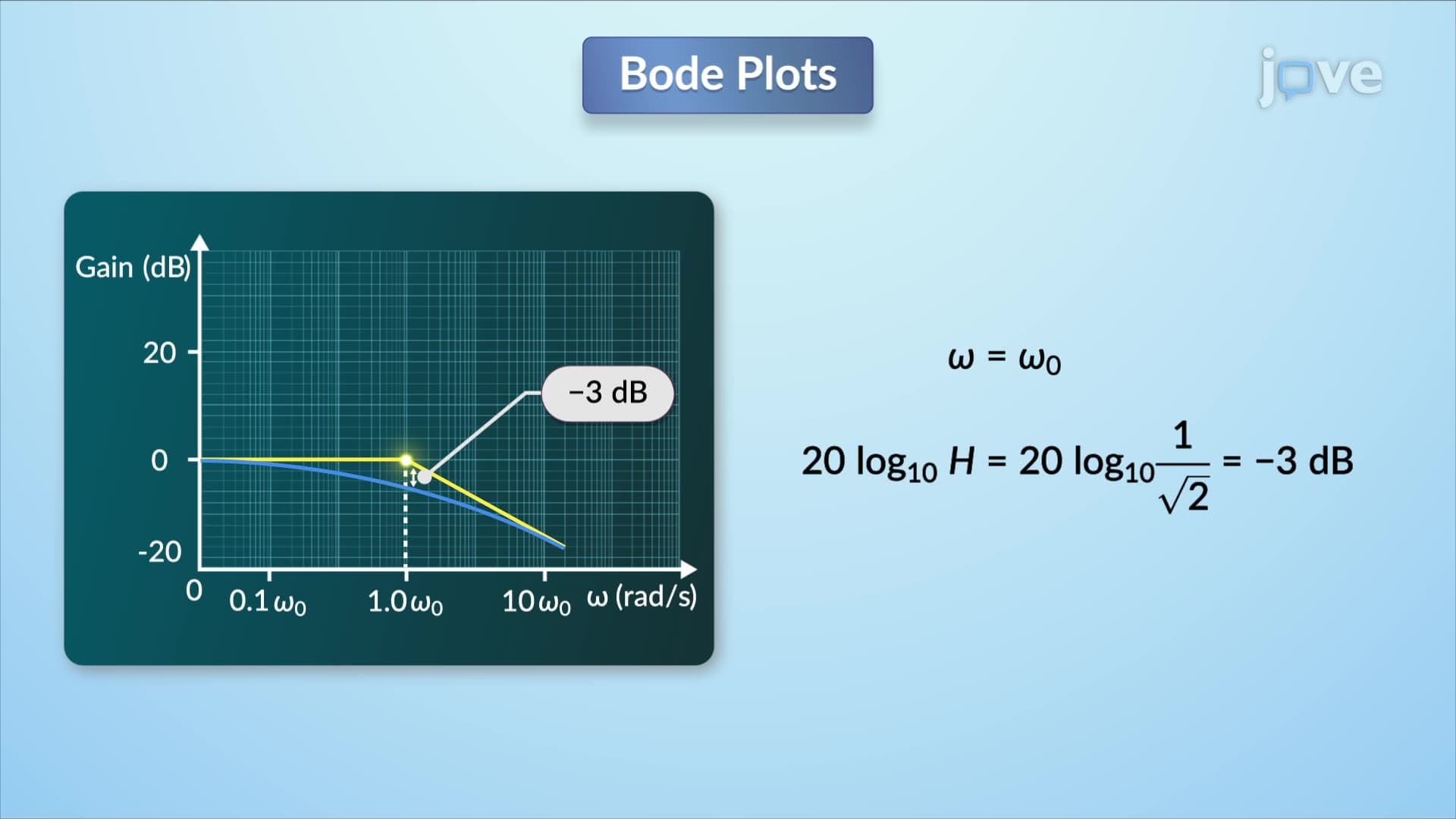
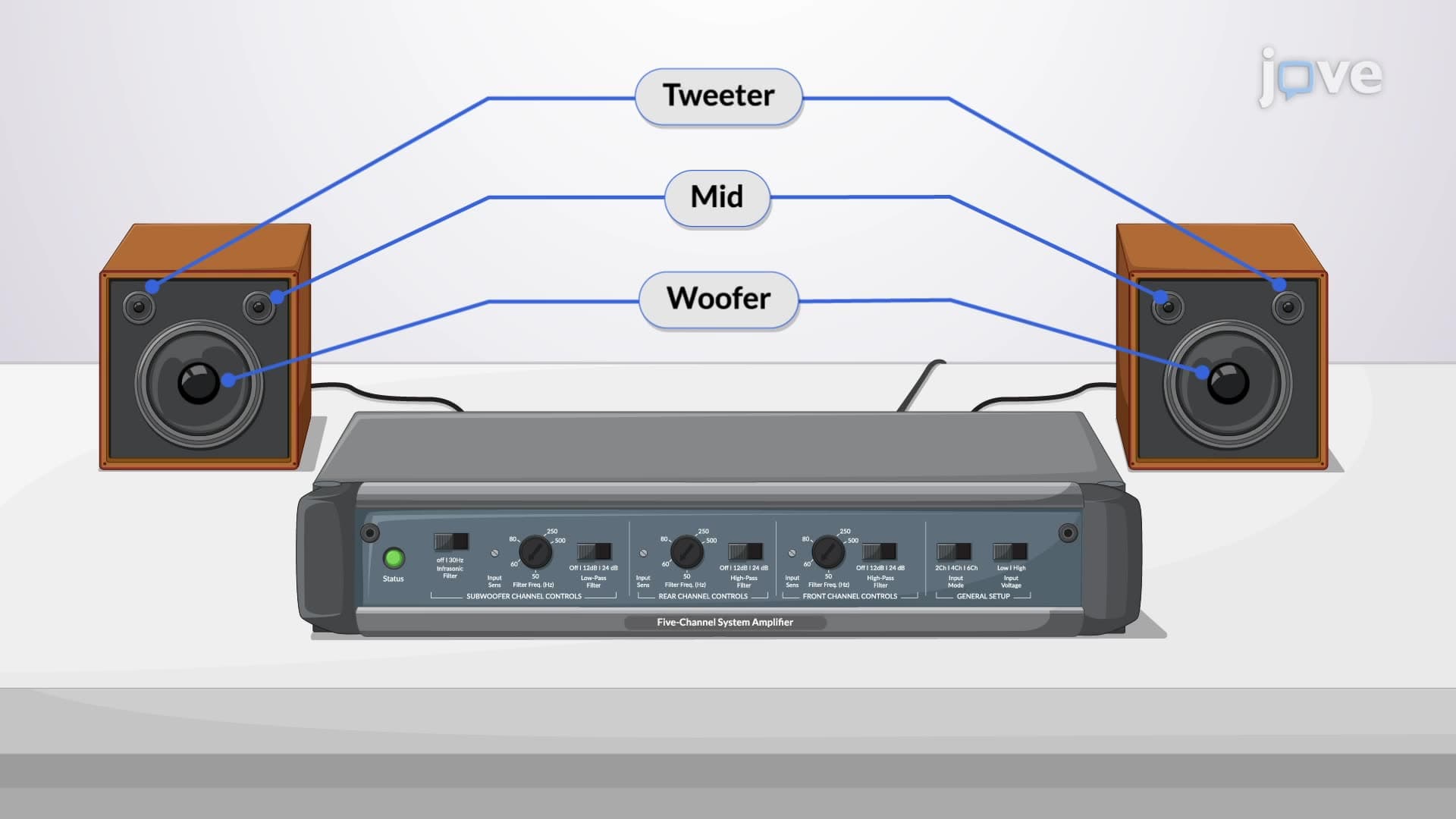
Focus on understanding the relationship between circuit components and frequency response rather than memorizing formulas. Practice identifying filter types from circuit diagrams, calculating corner frequencies, and sketching frequency response curves. Work through problems involving real applications like audio crossovers and power supply filtering to build practical intuition.
Advanced studies include multiple-feedback topologies, Sallen-Key architectures, and switched-capacitor filters used in modern integrated circuits. Students interested in audio engineering might explore active crossover networks, while those pursuing biomedical engineering should investigate instrumentation amplifier applications and noise reduction techniques in physiological signal processing.
Active filters integrate concepts from operational amplifier theory, frequency domain analysis, and feedback control systems. Understanding these connections helps with advanced coursework in signal processing, communications systems, and analog integrated circuit design offered at engineering schools like Caltech, Georgia Tech, and University of California Berkeley.
Related Micro-courses
Related Subjects
 Civil Engineering 30 micro-courses›Mechanical Engineering 28 micro-courses›