Loading subject page…


35,068 views

Video Summary: What are Cerebral Hemispheres
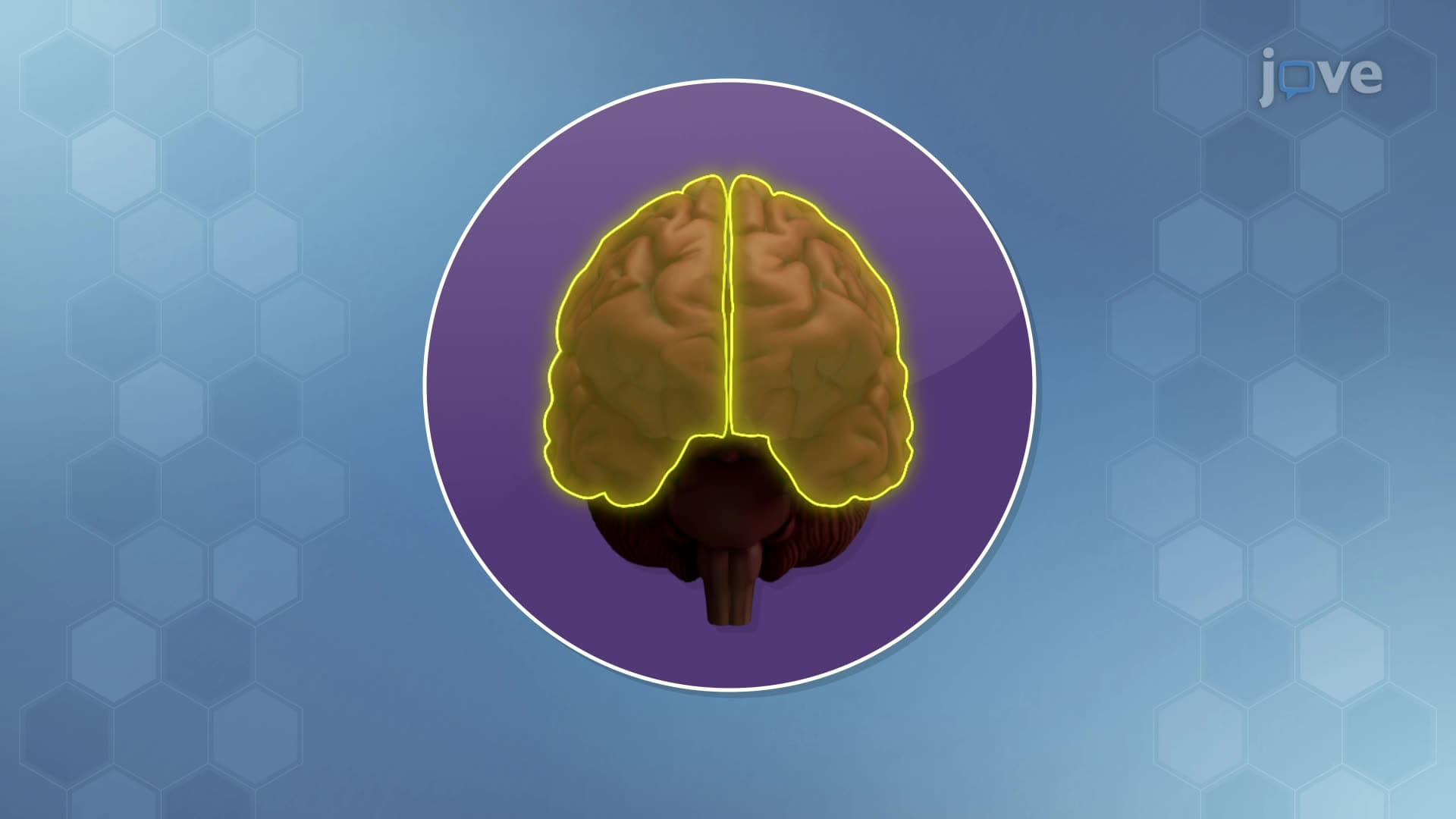
Did you know that when you catch a baseball with your right hand, it's actually your left brain controlling that precise movement? The lobes of the cerebrum work within two distinct cerebral hemispheres that divide your brain's outer layer, with the left hemisphere managing logical tasks like solving math problems on the SAT, while the right hemisphere processes spatial information needed for interpreting graphs in AP Biology. Watch the full video on JoVE Coach to master this concept with expert-led visuals and step-by-step explanations.
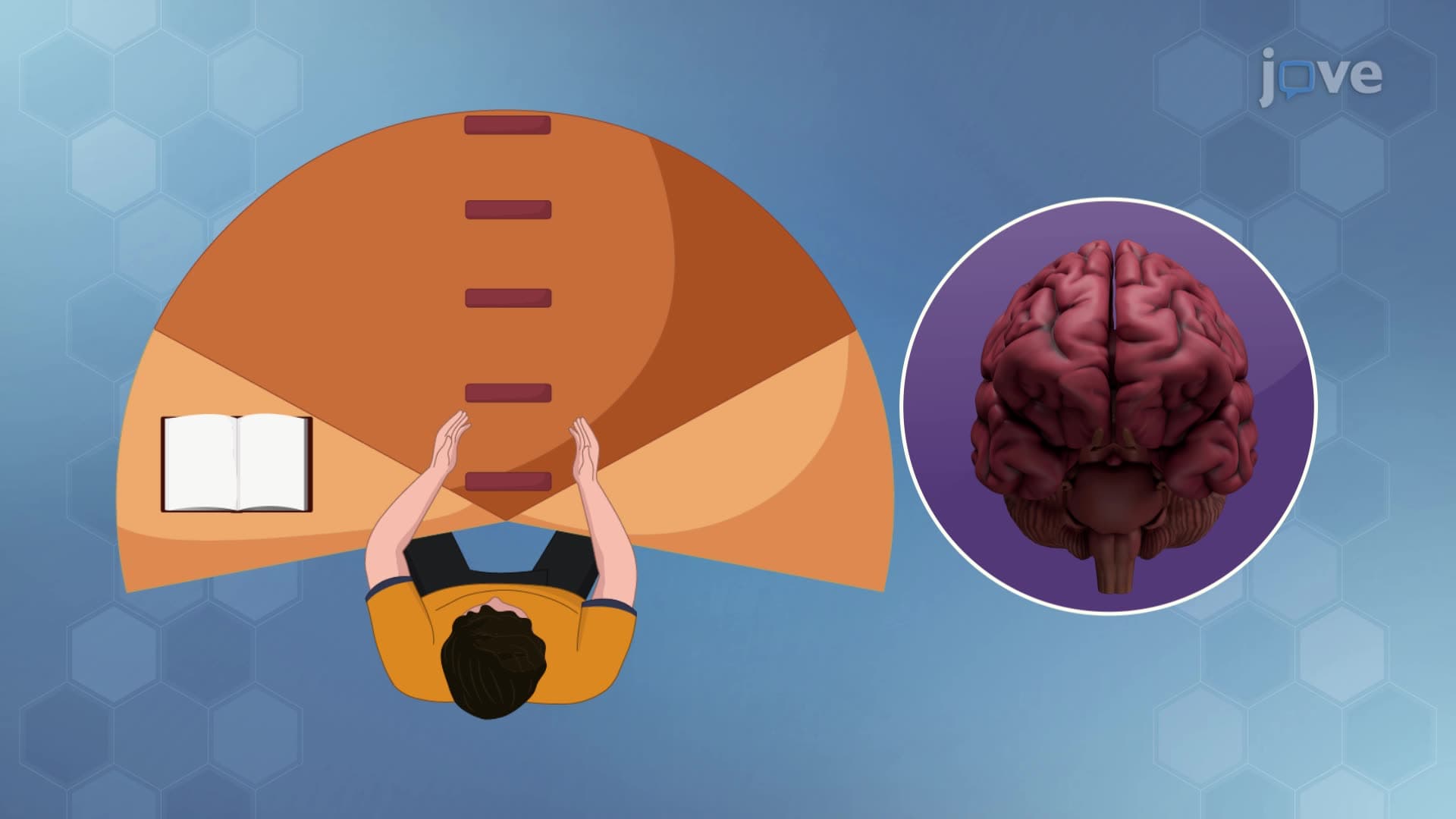
The lobes of the cerebrum are organized within two cerebral hemispheres that represent one of neuroscience's most fascinating organizational principles. These hemispheres-left and right-divide the brain's cortical surface into mirror-image structures connected by the corpus callosum, a thick bundle containing approximately 200 million nerve fibers. This arrangement creates a sophisticated system where specialized functions develop on each side while maintaining constant communication.
The lobes of the cerebrum definition encompasses four major regions within each hemisphere: frontal, parietal, temporal, and occipital lobes. Each hemisphere contains identical anatomical structures, yet they develop distinct functional specializations. The corpus callosum serves as the primary communication highway, allowing rapid information transfer between hemispheres in just 3-4 milliseconds. This connection ensures that despite specialization, both hemispheres work cooperatively on complex tasks.
For students preparing for the MCAT or AP Psychology exam, understanding this bilateral organization helps explain phenomena like split-brain research conducted at institutions like Caltech, where patients with severed corpus callosum demonstrated how each hemisphere can function independently.
What is lobes of the cerebrum in detail regarding left hemisphere function reveals remarkable specialization for analytical thinking. The left hemisphere dominates language processing, housing Broca's area (speech production) and Wernicke's area (language comprehension) in approximately 95% of right-handed individuals. This hemisphere excels at sequential processing, mathematical reasoning, and grammatical analysis-skills directly tested on standardized exams like the SAT Reading and Writing sections.
Students studying for AP Biology or college-level neuroscience courses should note that left hemisphere dominance extends to fine motor control, explaining why most surgical procedures requiring precision (like those performed at Johns Hopkins or Mayo Clinic) rely heavily on left-brain processing even when surgeons use their right hand.
The right hemisphere specializes in holistic processing, spatial relationships, and emotional interpretation. This lobes of the cerebrum overview reveals functions crucial for interpreting visual-spatial information, recognizing faces, and understanding context in communication. Right hemisphere processing helps students excel in geometry, art classes, and interpreting complex scientific diagrams common in AP Chemistry or Physics exams.
Research from institutions like Stanford University and MIT demonstrates that right hemisphere function is essential for creative problem-solving and interpreting non-literal language-skills increasingly valued in college admissions essays and critical thinking assessments.
Related Micro-courses