Loading subject page…


35,068 views


Video Summary: What are Neurotransmitters
Ever wonder why a cup of coffee makes you alert or why depression medications target specific brain chemicals? Understanding neurotransmitters types biology reveals how your brain's chemical messengers control everything from your mood to muscle movements. For example, when a student at UCLA experiences test anxiety, norepinephrine levels spike to trigger the fight-or-flight response. What are neurotransmitters and how do they orchestrate these complex processes? Watch the full video on JoVE Coach to master this concept with expert-led visuals and step-by-step explanations.
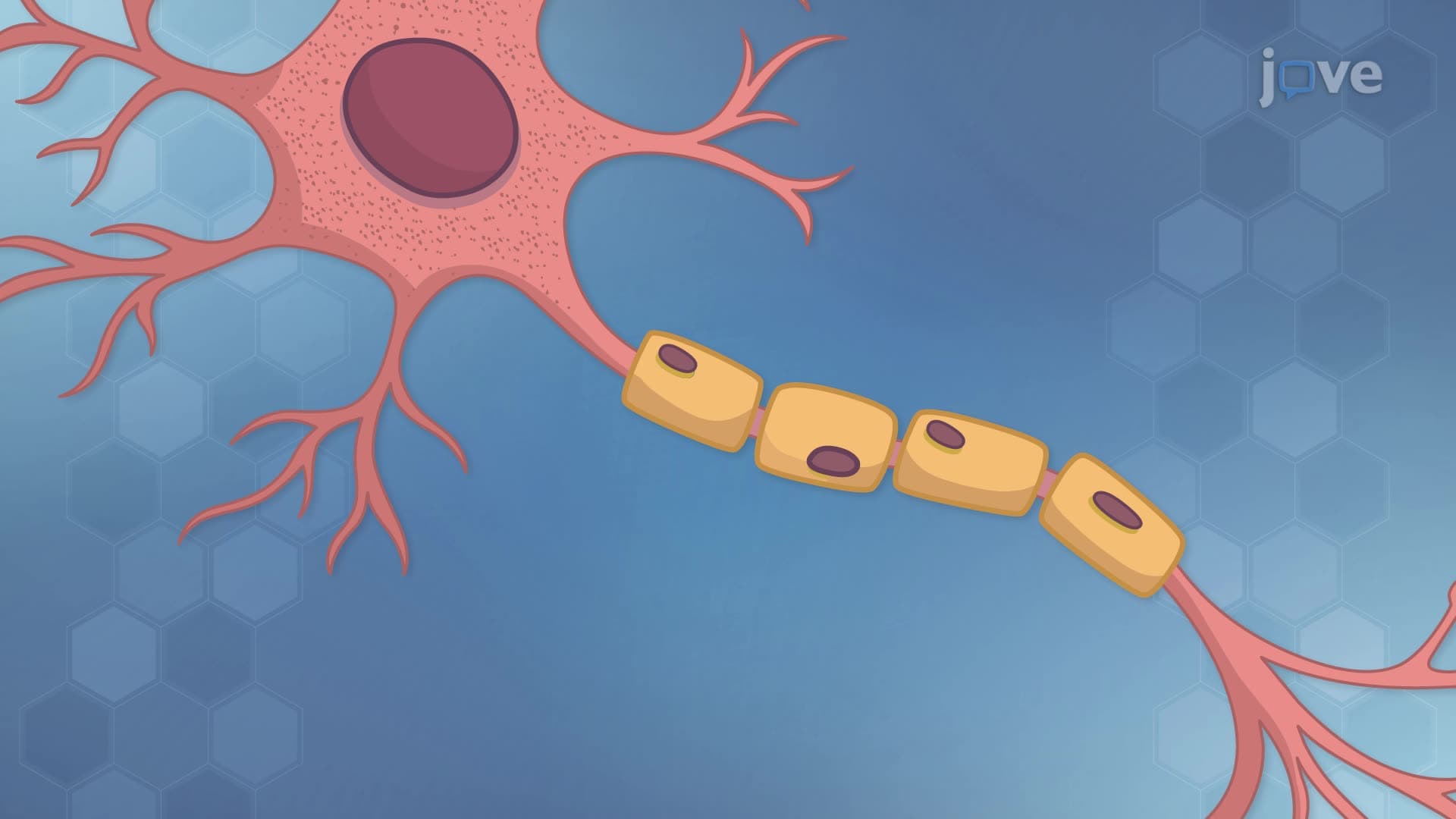
Neurotransmitters represent the brain's sophisticated chemical communication network, enabling the 86 billion neurons in your nervous system to coordinate complex behaviors and physiological functions. These specialized molecules bridge the synaptic gap between neurons, converting electrical signals into chemical messages that can either excite or inhibit the receiving cell.
Neurotransmitter classification explained involves three primary categories based on chemical structure. Monoamine neurotransmitters include serotonin, dopamine, and norepinephrine-derived from amino acids and crucial for mood regulation. Amino acid neurotransmitters like GABA and glutamate represent the brain's primary inhibitory and excitatory messengers, respectively. Neuropeptide neurotransmitters such as endorphins consist of longer protein chains and often modulate pain and emotional responses.
The balance between excitatory and inhibitory neurotransmitters maintains neural stability. Glutamate, the brain's main excitatory neurotransmitter, increases the likelihood of neural firing and supports learning and memory formation. Conversely, GABA acts as the primary inhibitory neurotransmitter, reducing neural excitability and promoting relaxation. This delicate balance prevents conditions like epileptic seizures, where excessive excitation overwhelms inhibitory controls.
Understanding acetylcholine, norepinephrine, dopamine, serotonin, and GABA neurotransmitters proves essential for medical professionals treating neurological disorders. At Johns Hopkins Hospital, neurologists use this knowledge to prescribe medications that target specific neurotransmitter systems. For instance, selective serotonin reuptake inhibitors (SSRIs) increase serotonin availability to treat depression, while dopamine replacement therapy helps Parkinson's patients at Mayo Clinic manage motor symptoms.
Students preparing for the MCAT will encounter neurotransmitter questions in the psychological, social, and biological foundations section. AP Biology students should understand how neurotransmitter dysfunction relates to genetic disorders and evolutionary adaptations. College neuroscience courses at institutions like Stanford and MIT emphasize the molecular mechanisms underlying neurotransmitter synthesis, release, and degradation.
Related Micro-courses