Loading subject page…


35,067 views

Video Summary: What Is Genetic Material
Did you know genetic variation is why no two people (except identical twins) share the exact same DNA fingerprint? Genetic variation arises from differences in genetic material-the DNA sequences that make each person unique. Consider how genetic variation influences everything from susceptibility to diseases like sickle cell anemia to physical traits seen across diverse populations in cities like New York or Los Angeles. Understanding what is genetic material provides the foundation for grasping how these variations occur and impact human biology. Watch the full video on JoVE Coach to master this concept with expert-led visuals and step-by-step explanations.
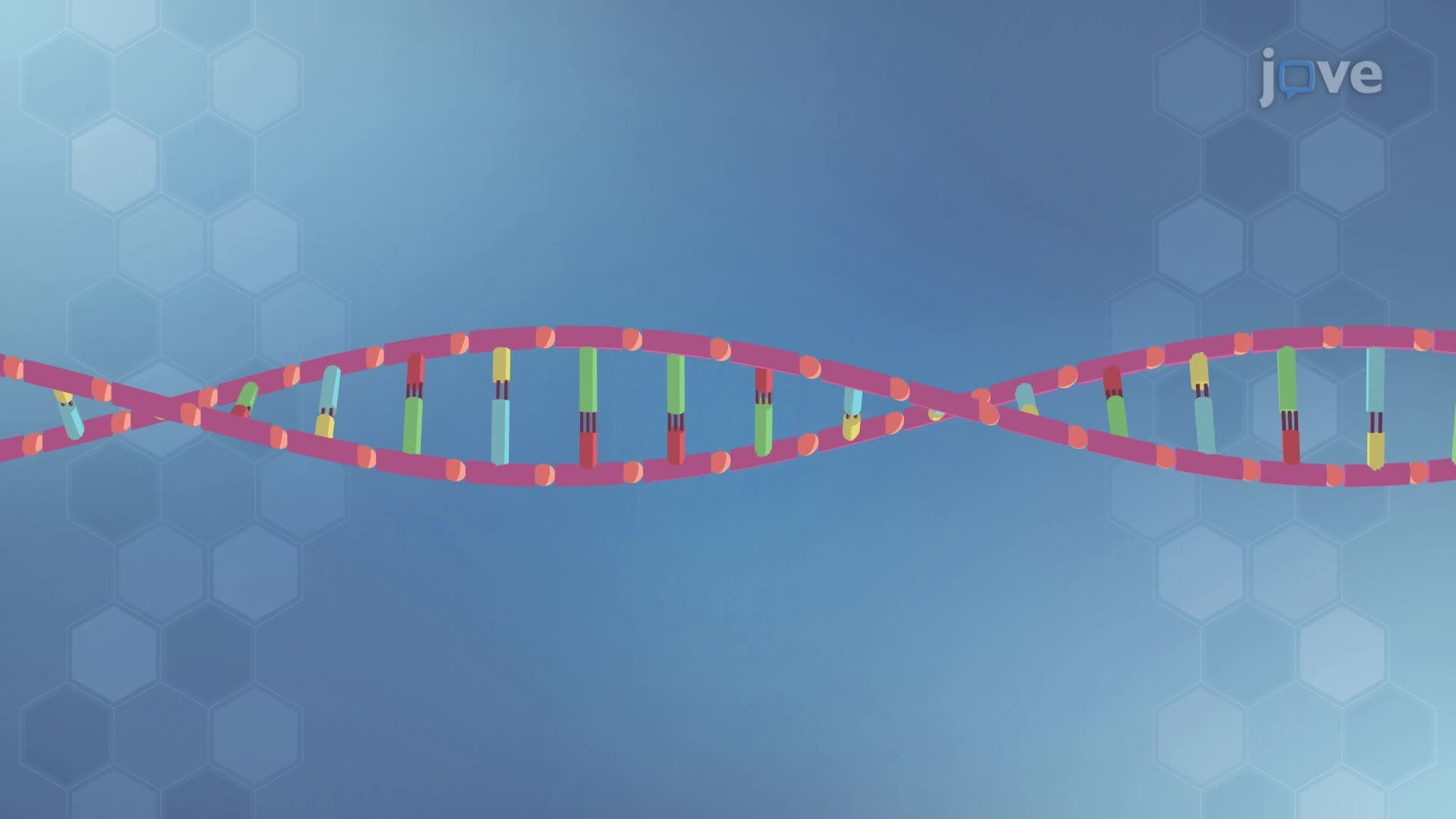
Genetic material serves as the instruction manual for all living organisms, containing the coded information necessary for growth, development, and reproduction. In humans, this genetic material consists primarily of deoxyribonucleic acid (DNA), organized into complex structures called chromosomes. Understanding genetic variation requires first grasping how this genetic material is structured and functions within our cells.
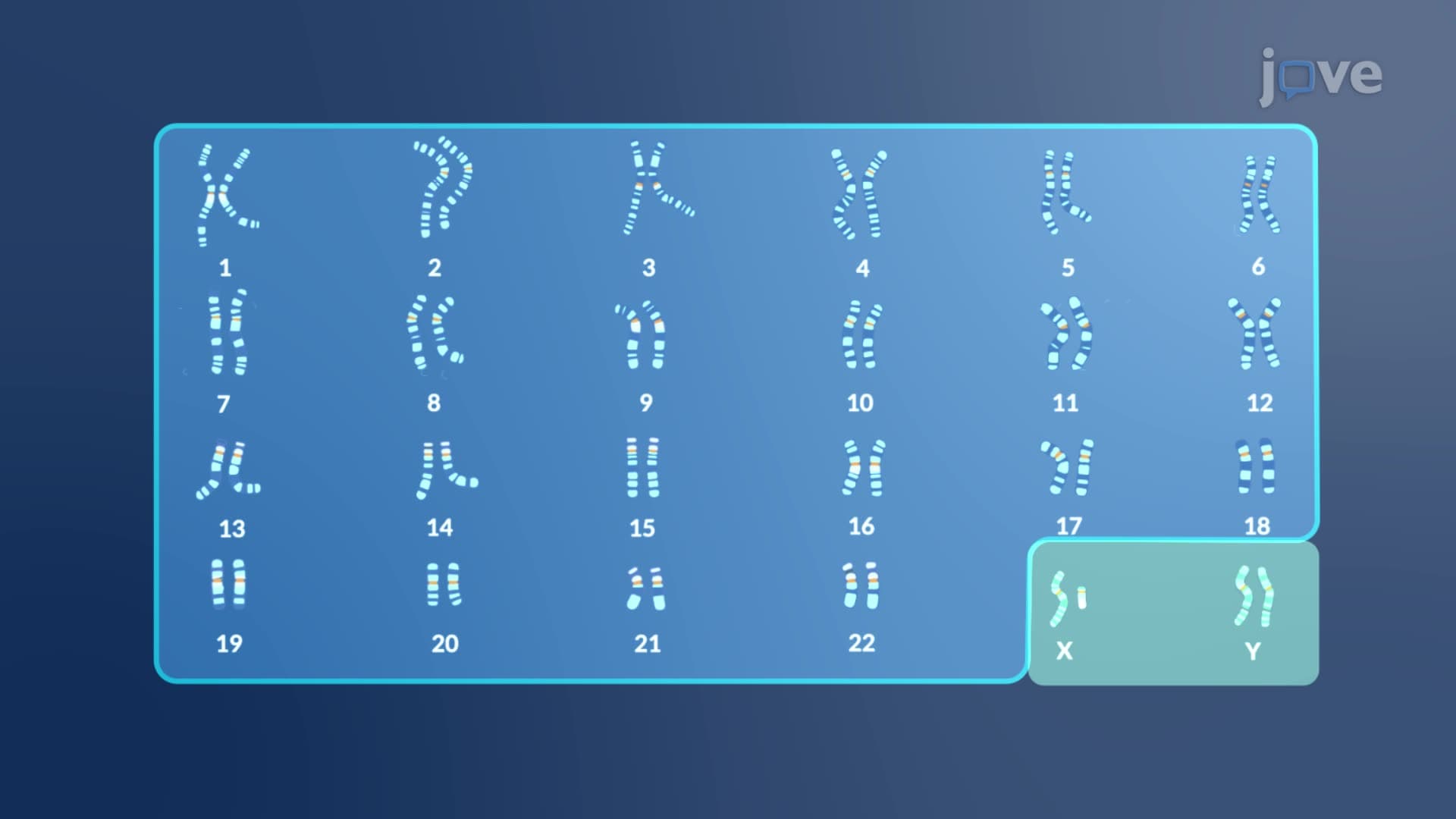
Human cells typically contain 46 chromosomes arranged in 23 pairs, with each chromosome representing a tightly coiled DNA molecule. This organization creates the foundation for genetic variation through several mechanisms. The first 22 pairs, called autosomes, carry genes responsible for most physical characteristics and biological functions. These autosomes contribute significantly to genetic variation as they contain thousands of genes with multiple possible variations (alleles).
The 23rd pair, the sex chromosomes, demonstrates one of the most fundamental examples of genetic variation. Females possess two X chromosomes (XX), while males have one X and one Y chromosome (XY). This chromosomal difference not only determines biological sex but also influences genetic variation patterns. For instance, X-linked genetic conditions like color blindness show different inheritance patterns between males and females, creating population-level genetic variation.
Genetic variation emerges through several key processes involving genetic material. During reproduction, each parent contributes exactly half of their chromosomes (23 chromosomes) to their offspring. This process, called meiosis, introduces genetic variation through independent assortment and crossing over. Independent assortment alone can produce over 8 million different chromosome combinations from a single pair of parents.
Students preparing for AP Biology or college genetics courses should understand that genetic variation also results from mutations-changes in DNA sequences. These mutations can be beneficial, harmful, or neutral, contributing to the genetic diversity observed in human populations. For example, the sickle cell trait provides malaria resistance in certain populations, illustrating how genetic variation can have adaptive significance.
Understanding genetic material has revolutionized medicine and research in the United States. Genetic testing now allows healthcare providers to identify predispositions to diseases like Huntington's disease or BRCA-related breast cancer. The Human Genome Project, largely conducted by US institutions like the National Institutes of Health, mapped the entire human genetic code, enabling personalized medicine approaches.
For students interested in healthcare careers, knowledge of genetic material proves essential for MCAT preparation and medical school coursework. Genetic counselors, physicians, and researchers regularly apply these concepts when diagnosing genetic disorders, developing treatments, or conducting research at institutions like Johns Hopkins University or the Mayo Clinic.
Related Micro-courses