Loading subject page…


35,067 views


Video Summary: What Is Heritability
Ever wonder why some families seem naturally tall while others remain shorter despite similar diets? Natural selection and adaptation work through heritability-the genetic influence on physical traits like height or eye color. In American families, height shows about 90% heritability, yet environmental factors like nutrition still matter significantly. When siblings share similar environments, genetic differences become the primary driver of trait variation, but environmental changes can override these patterns. Watch the full video on JoVE Coach to master this concept with expert-led visuals and step-by-step explanations.
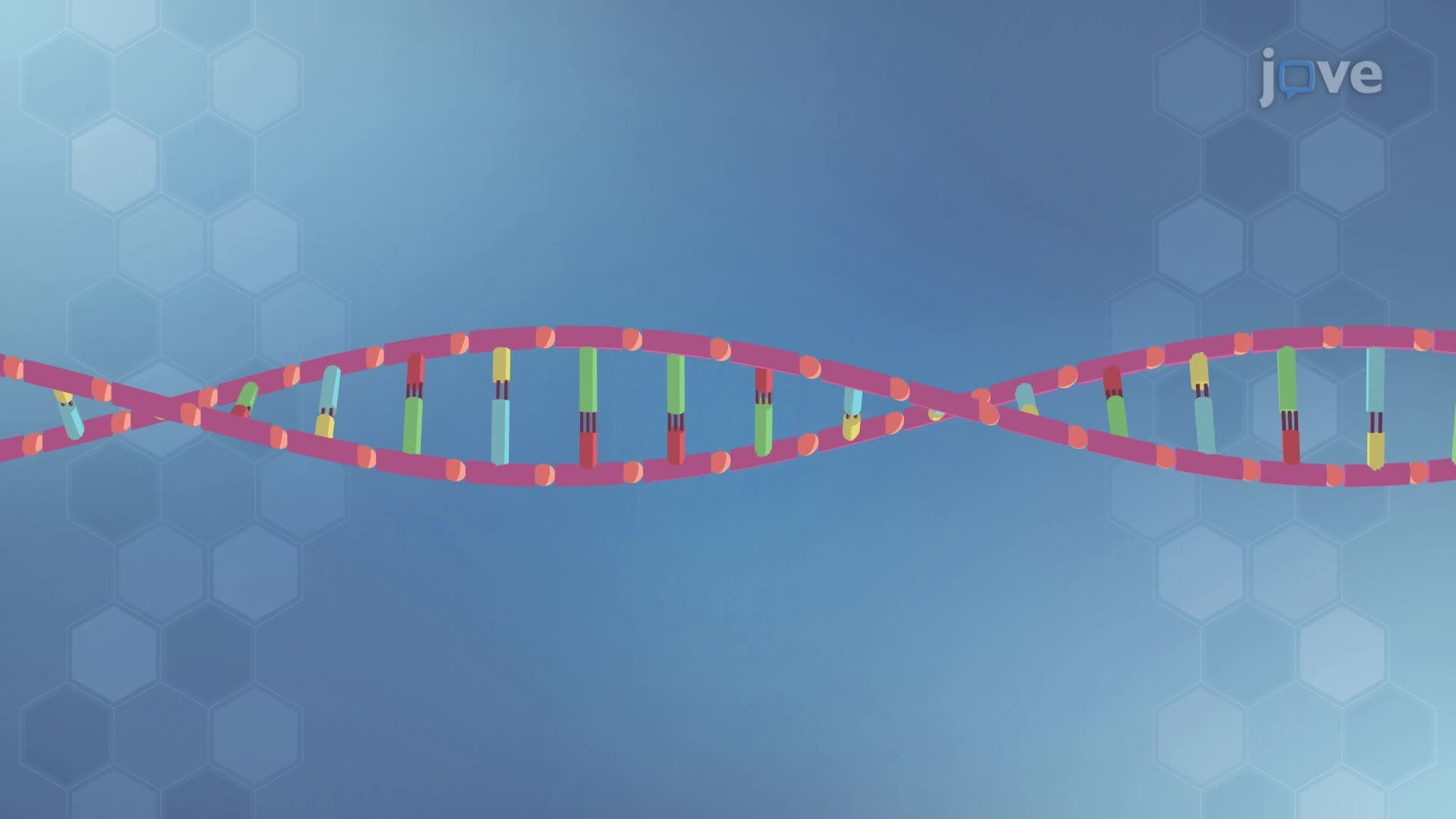
Heritability represents one of the most fundamental concepts in understanding how natural selection and adaptation operate within populations. This statistical measure quantifies the proportion of variation in a trait that stems from genetic differences rather than environmental factors. When geneticists say height has 90% heritability, they mean that 90% of the height differences observed within a specific population result from genetic variations, while environmental factors account for the remaining 10%.
The natural selection and adaptation definition becomes clearer when we examine heritability in action. Traits with higher heritability respond more readily to natural selection because genetic variations directly influence survival and reproduction. For example, studies of American populations show that blood pressure has moderate heritability (30-40%), making it subject to both genetic predisposition and lifestyle influences. This dual influence explains why some families show clustering of hypertension despite similar environments, while lifestyle interventions remain highly effective.
What is natural selection and adaptation in detail becomes apparent when examining how environmental changes affect heritability estimates. The dramatic increase in average American height over the past century-approximately 4 inches-demonstrates environmental impact overriding genetic constraints. When nutrition and healthcare improve uniformly across populations, previously hidden genetic variations become more apparent. Conversely, during periods of nutritional stress or environmental inequality, environmental factors dominate trait expression, reducing apparent heritability.
Understanding heritability proves essential for success in advanced coursework and standardized exams. AP Biology students encounter heritability calculations in population genetics units, while MCAT test-takers must apply these concepts to predict disease risk and treatment responses. Medical schools emphasize heritability when teaching about complex diseases like diabetes, where genetic predisposition (heritability ~60%) interacts with lifestyle factors. Students preparing for college-level genetics courses benefit from mastering how heritability estimates guide personalized medicine approaches and genetic counseling practices in American healthcare systems.
Related Micro-courses