Loading subject page…


35,067 views

Video Summary: What Is Human Genetics
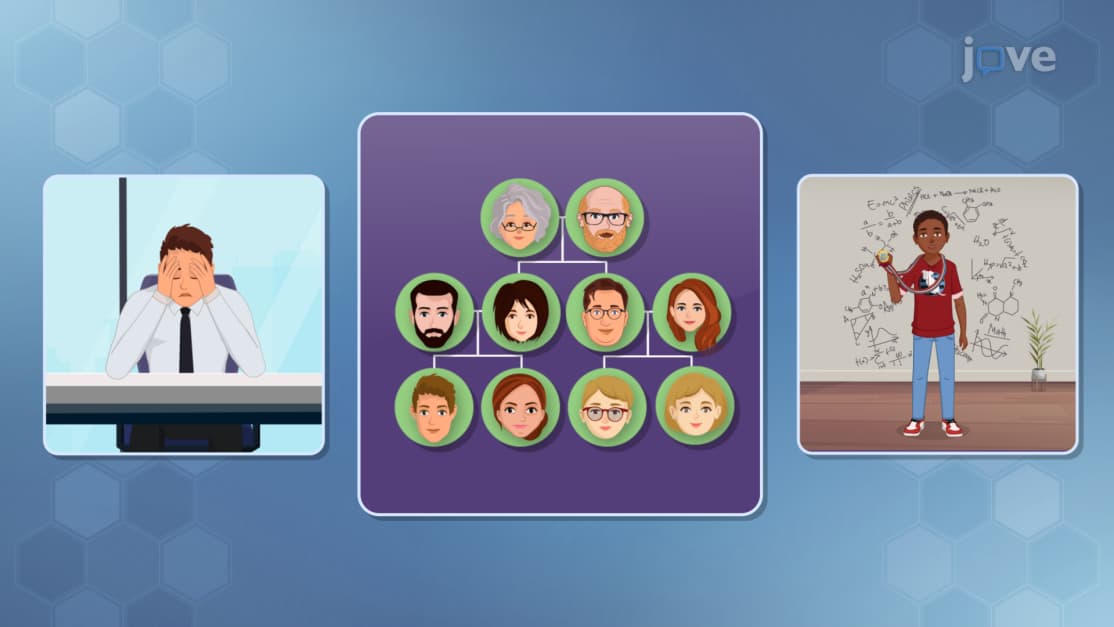
Did you know that your genetic material determines not just your eye color, but also your likelihood of developing conditions like ADHD or depression? Genetic material-the DNA that carries hereditary information-influences everything from physical traits to behavioral patterns and disease susceptibility. For example, variations in dopamine receptor genes can affect impulsivity levels, explaining why some Stanford University students naturally excel at sustained focus while others struggle with attention. Understanding what is human genetics helps us predict behavioral patterns and develop personalized interventions. Watch the full video on JoVE Coach to master this concept with expert-led visuals and step-by-step explanations.
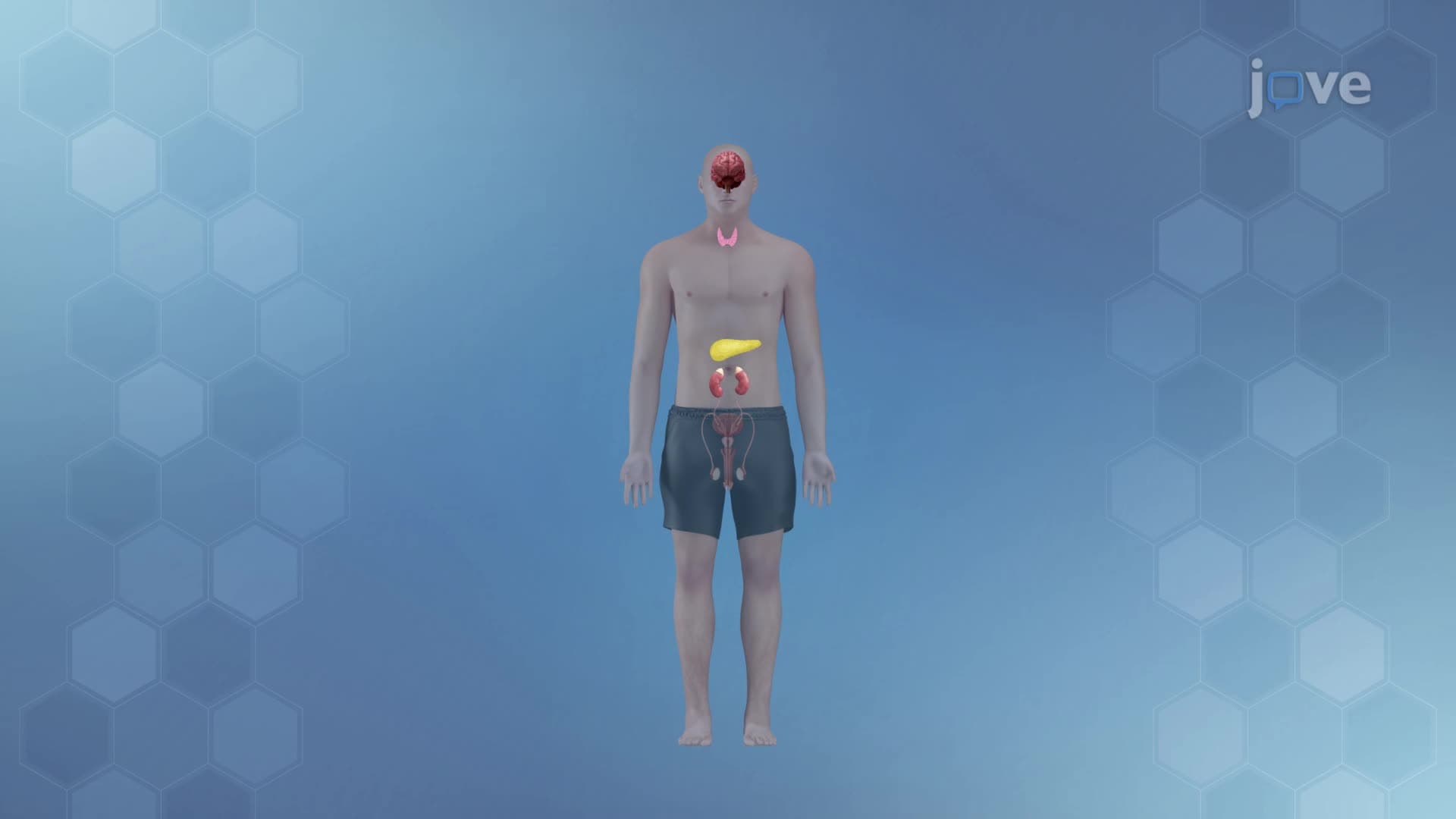
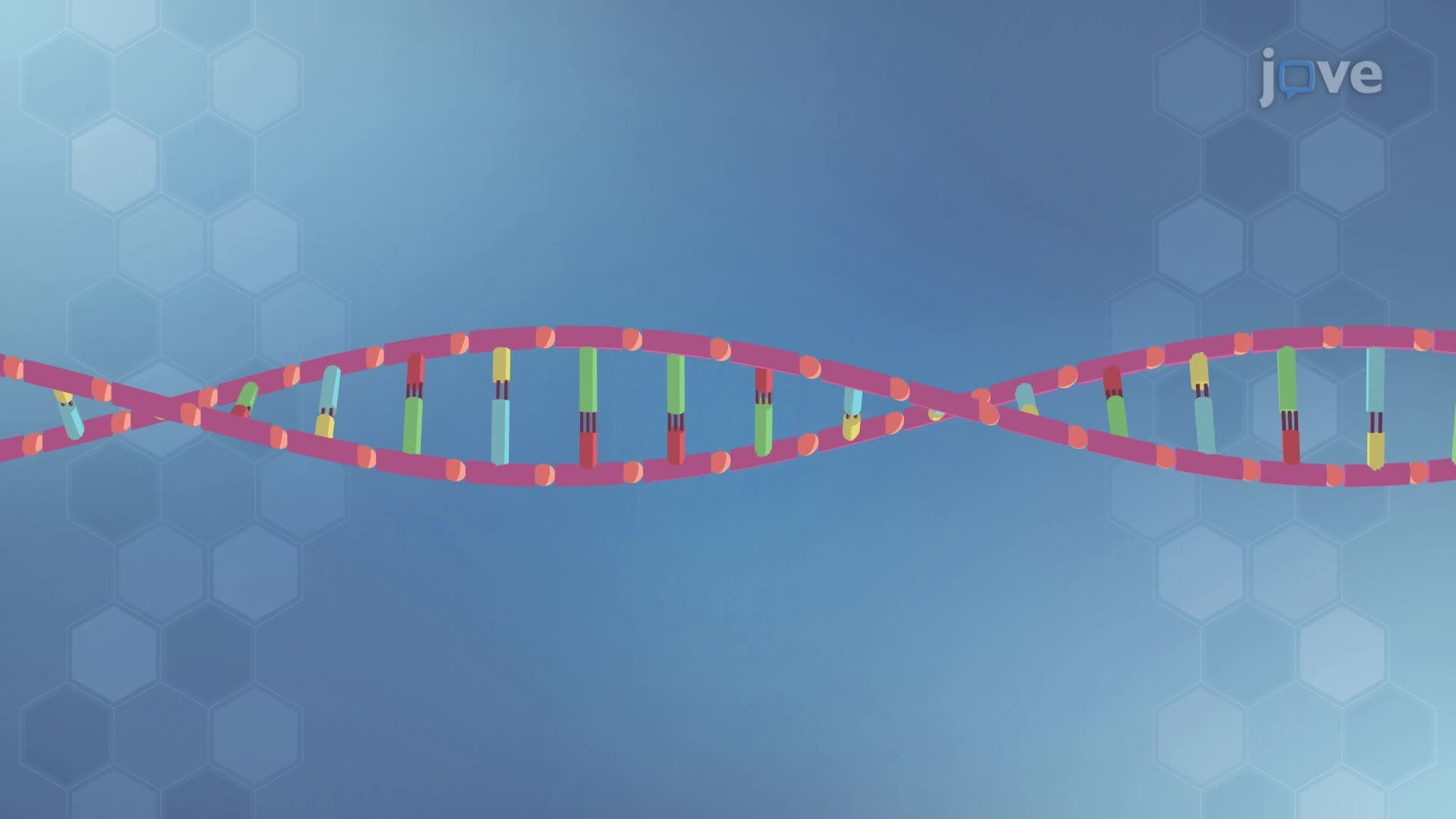
Human genetics is the scientific study of how genetic material-specifically DNA sequences called genes-influences human characteristics and health outcomes. This genetic material definition encompasses the hereditary information passed from parents to offspring that determines everything from physical appearance to behavioral tendencies and disease susceptibility. Understanding what is genetic material in detail reveals how tiny molecular differences can create profound impacts on human life.
The concept of gene expression is crucial to genetic material basics. Genes don't simply exist-they're expressed at different levels, producing varying amounts of proteins that affect brain chemistry. Take dopamine receptors, for example: when these genes are overexpressed, they create excessive dopamine binding sites in the brain. This can lead to impulsivity and increase schizophrenia risk, which explains why certain genetic profiles are monitored in psychiatric evaluations at institutions like Johns Hopkins Hospital.
Conversely, underexpression of dopamine receptor genes reduces these binding sites, affecting mood regulation and motivation. This genetic variation contributes to depression and ADHD development, conditions that affect approximately 6.4 million American children according to CDC data.
The monoamine oxidase A (MAO-A) gene provides an excellent genetic material overview of how single gene variations create cascading effects. This gene produces an enzyme responsible for breaking down neurotransmitters like serotonin and dopamine. When overexpressed, MAO-A rapidly degrades these mood-regulating chemicals, potentially causing depression and anxiety-conditions that cost the US healthcare system over $200 billion annually.
Underexpression creates the opposite problem: neurotransmitters accumulate excessively, leading to mood swings and impulsivity. This genetic material concept explains why some individuals are naturally more emotionally volatile than others.
This genetic material study guide information appears frequently on AP Biology exams and MCAT questions, where students must analyze inheritance patterns and gene expression effects. Understanding genetic material also guides personalized medicine approaches, helping psychologists at major research universities develop targeted interventions based on individual genetic profiles rather than one-size-fits-all treatments.
Related Micro-courses