Loading subject page…


35,067 views


Video Summary: What Is Inheritance
Gene environment interactions shape everything from why identical twins raised apart can have different heights to how nutrition affects disease susceptibility despite having the same DNA. These complex relationships between our genetic makeup and environmental factors determine how traits actually express themselves in real life. For instance, students at Harvard Medical School study cases where genetic predisposition to diabetes only manifests when combined with specific dietary patterns. Understanding what is inheritance means recognizing that genes provide the blueprint, but the environment often decides which parts get built. Watch the full video on JoVE Coach to master this concept with expert-led visuals and step-by-step explanations.
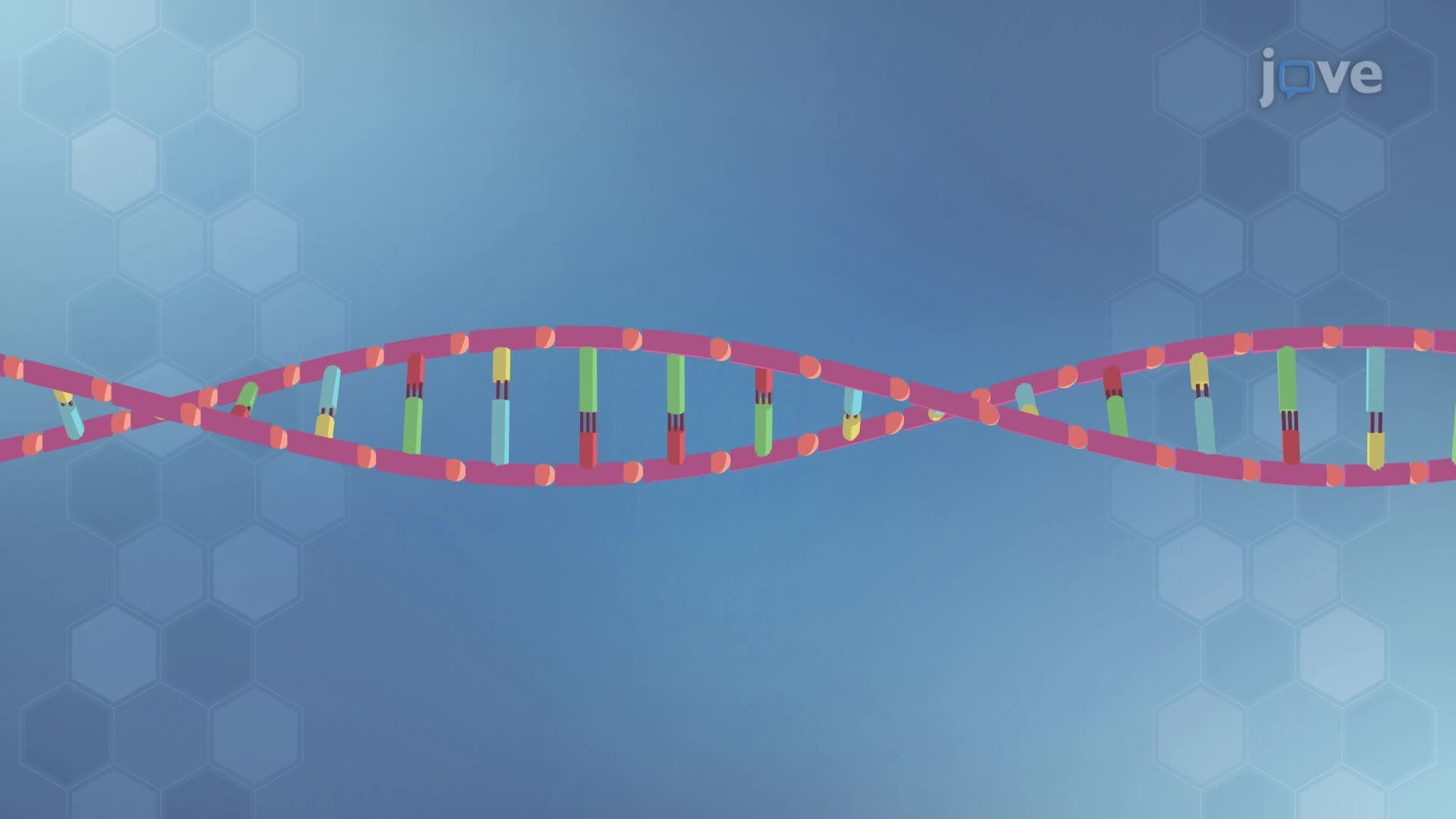
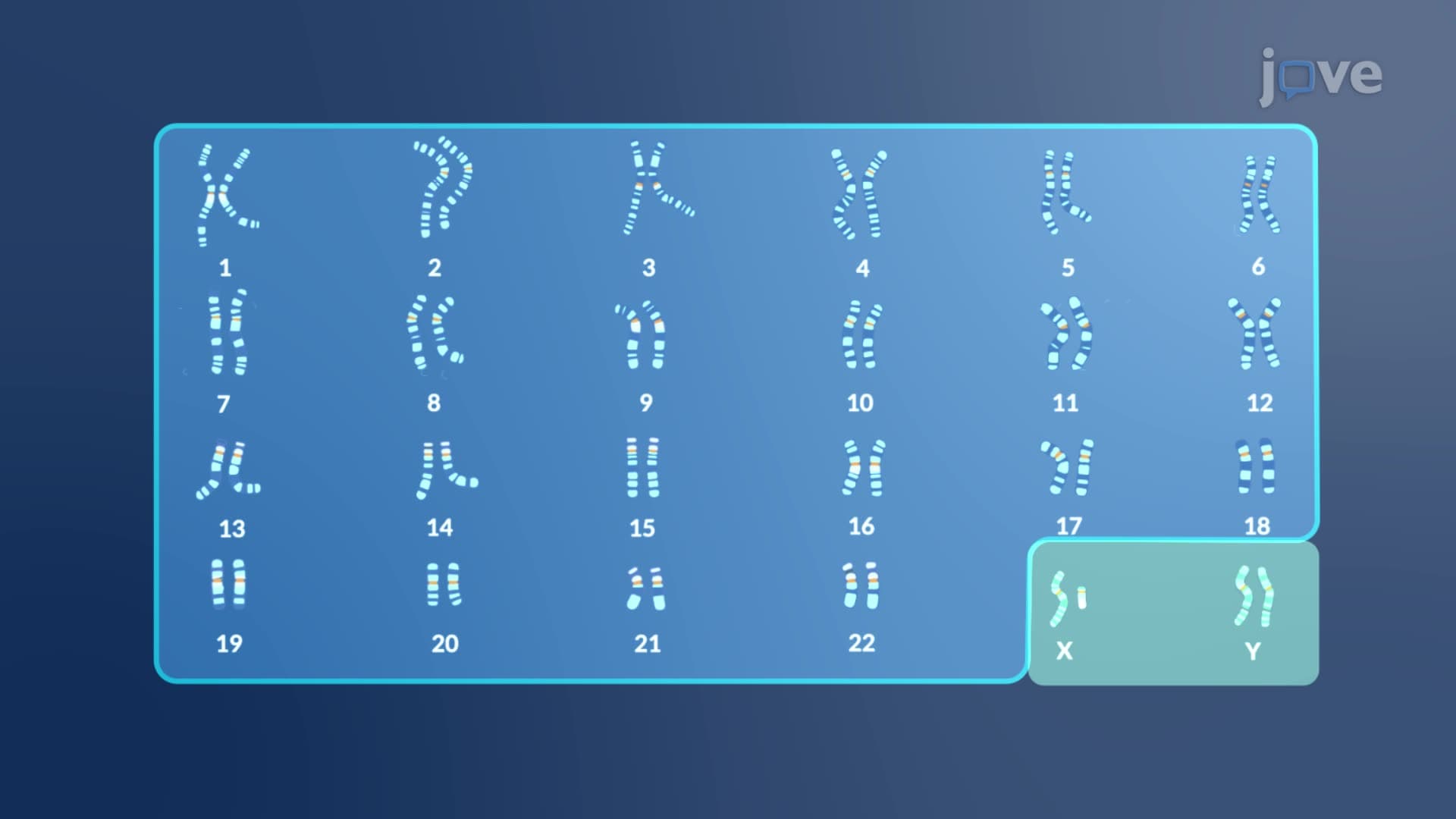
Inheritance represents the fundamental mechanism by which biological information passes from parents to offspring through genes-discrete units of heredity that Gregor Mendel first identified in his groundbreaking pea plant experiments. This process forms the cornerstone of genetics education in AP Biology courses and provides essential background for pre-med students preparing for the MCAT.
Gene environment interactions represent the dynamic relationship between our inherited genetic code and the external factors that influence how those genes express themselves. Unlike simple textbook examples, real-world traits result from complex interplay between genetic potential and environmental conditions. Consider height: while parents may pass genes for tall stature to their children, factors like childhood nutrition, exercise, and overall health during growth periods significantly impact whether that genetic potential becomes reality.
Students at major US universities studying genetics often examine cases from the Framingham Heart Study, which demonstrates how genetic predisposition to heart disease interacts with lifestyle factors like diet and exercise. This landmark research shows that having "bad" genes doesn't guarantee poor health outcomes if environmental factors remain favorable.
The distinction between genotype (genetic makeup) and phenotype (observable characteristics) becomes crucial when understanding gene environment interactions. Your genotype represents the complete set of genetic instructions inherited from both parents, while your phenotype encompasses the actual traits you display. Environmental factors serve as the construction crew that interprets and builds from the genetic blueprint.
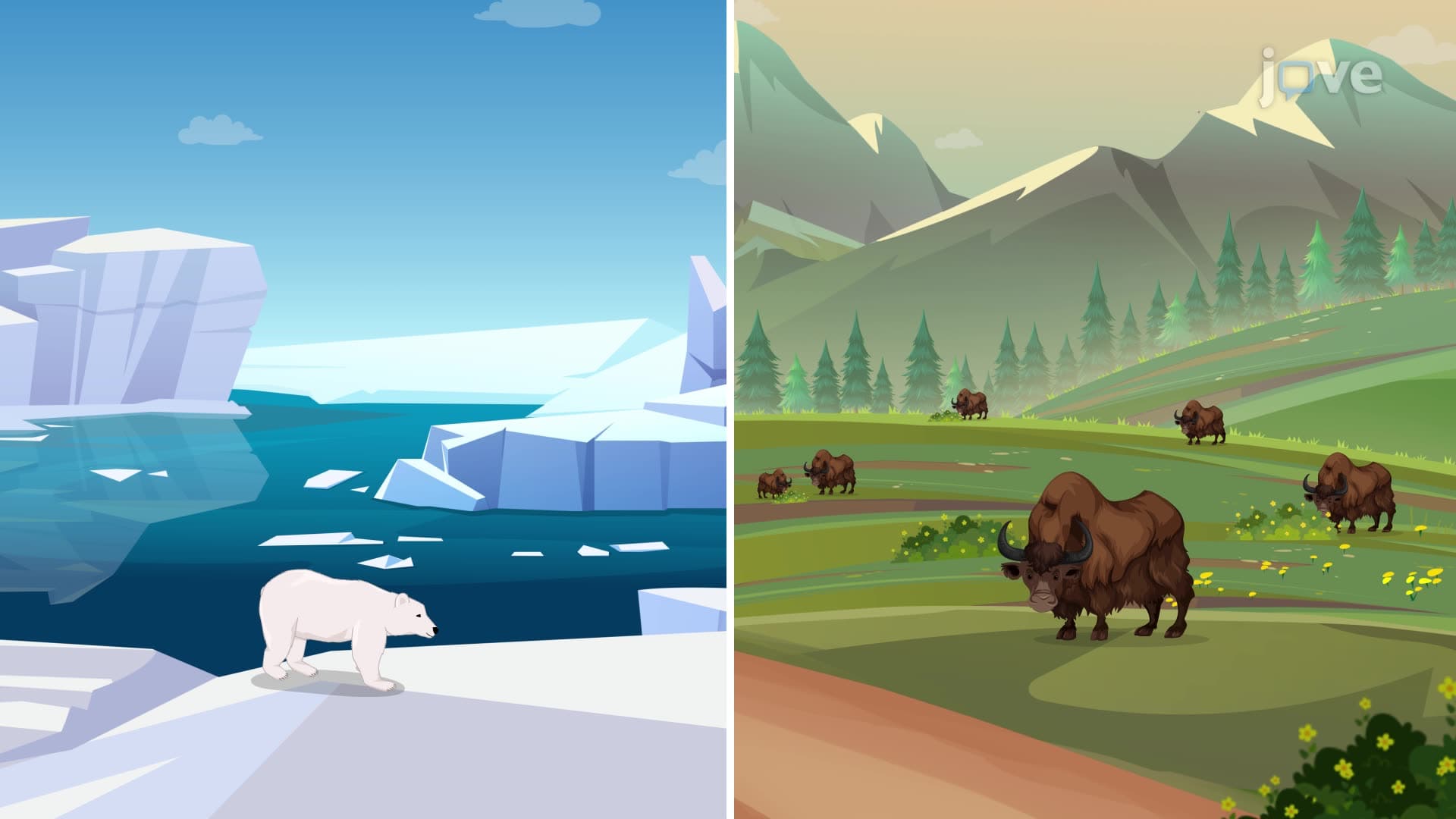
For example, students with identical genetic predisposition to seasonal affective disorder may experience vastly different symptoms depending on their geographic location, access to light therapy, and lifestyle choices. Those living in sunny California might never develop symptoms, while genetically identical individuals in Alaska might require medical intervention.
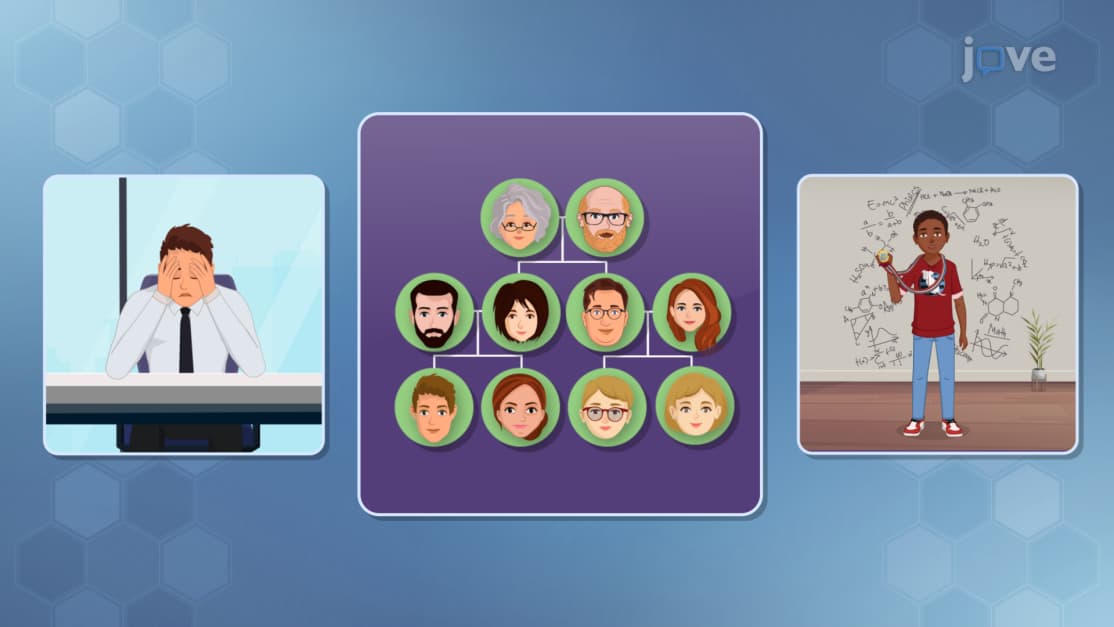
Understanding inheritance patterns proves essential for healthcare professionals and students preparing for medical licensing exams like the USMLE. Genetic counselors at institutions like Johns Hopkins use these principles when advising families about inherited conditions such as cystic fibrosis or sickle cell anemia. They must explain not only the statistical probability of inheritance but also how environmental management can improve quality of life even with genetic predisposition.
Related Micro-courses