Loading subject page…


35,068 views

Video Summary: What Is Natural Selection and Adaptation
Why do peacocks have elaborate tail feathers that seem to hinder their survival? Natural selection and mating preferences reveal how traits that appear disadvantageous can actually enhance reproductive success. This evolutionary mechanism shapes not only physical characteristics but also behavioral patterns, as seen in studies of American robins where males with brighter red breasts attract more mates. What is Natural Selection And Adaptation demonstrates how organisms evolve traits that maximize both survival and reproductive fitness in their specific environments. Watch the full video on JoVE Coach to master this concept with expert-led visuals and step-by-step explanations.
Natural selection and adaptation form the cornerstone of evolutionary biology, explaining how species change over time in response to environmental pressures. Natural selection acts as a filtering mechanism, favoring individuals with traits that enhance their survival and reproductive success while eliminating those with disadvantageous characteristics. Adaptations represent the accumulated results of this process-beneficial traits that have been refined through generations of selective pressure.
Sexual selection, a specialized form of natural selection, profoundly influences how organisms choose mates and compete for reproductive opportunities. This process operates through two primary mechanisms: intrasexual selection (competition within the same sex) and intersexual selection (mate choice between sexes). For example, male elephant seals engage in violent battles for beach territories, demonstrating intrasexual selection, while female peahens choosing males with the most impressive tail displays exemplifies intersexual selection. These mating preferences tutorial examples show how reproductive success often trumps immediate survival advantages.
Understanding how natural selection and mating preferences works requires recognizing that traits enhancing mating success may actually reduce survival odds. The bright plumage of male cardinals in North American forests makes them more visible to predators, yet this disadvantage is offset by increased mating opportunities with females who prefer vibrant coloration as an indicator of genetic fitness.
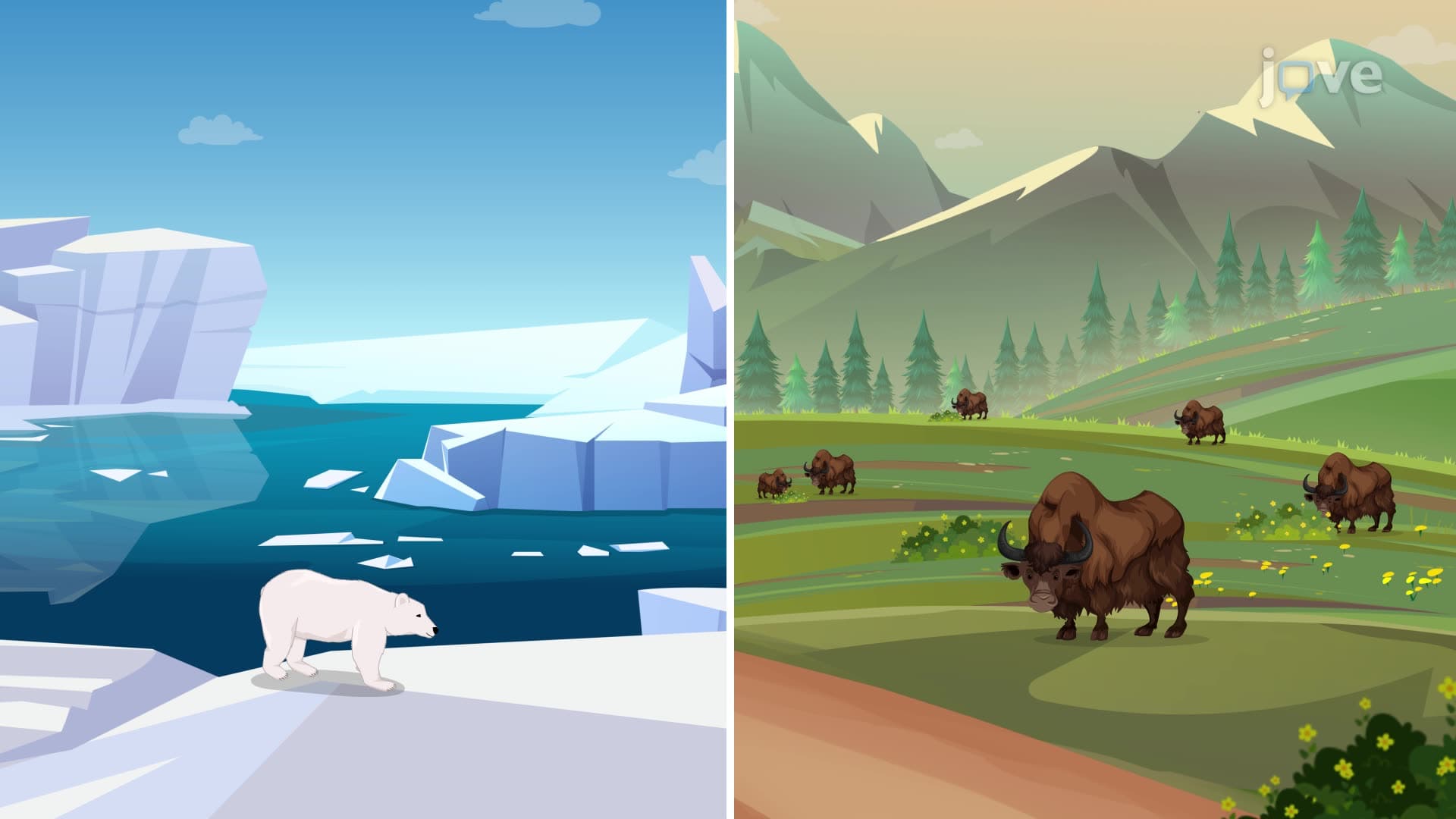
Environmental pressures create diverse adaptive solutions across different species and populations. High-altitude adaptations in humans living in the Colorado Rockies demonstrate physiological responses to low oxygen levels, including increased red blood cell production and enhanced lung capacity. Similarly, desert-dwelling organisms like the kangaroo rat have evolved remarkable water conservation abilities, producing highly concentrated urine and obtaining moisture entirely from their food.
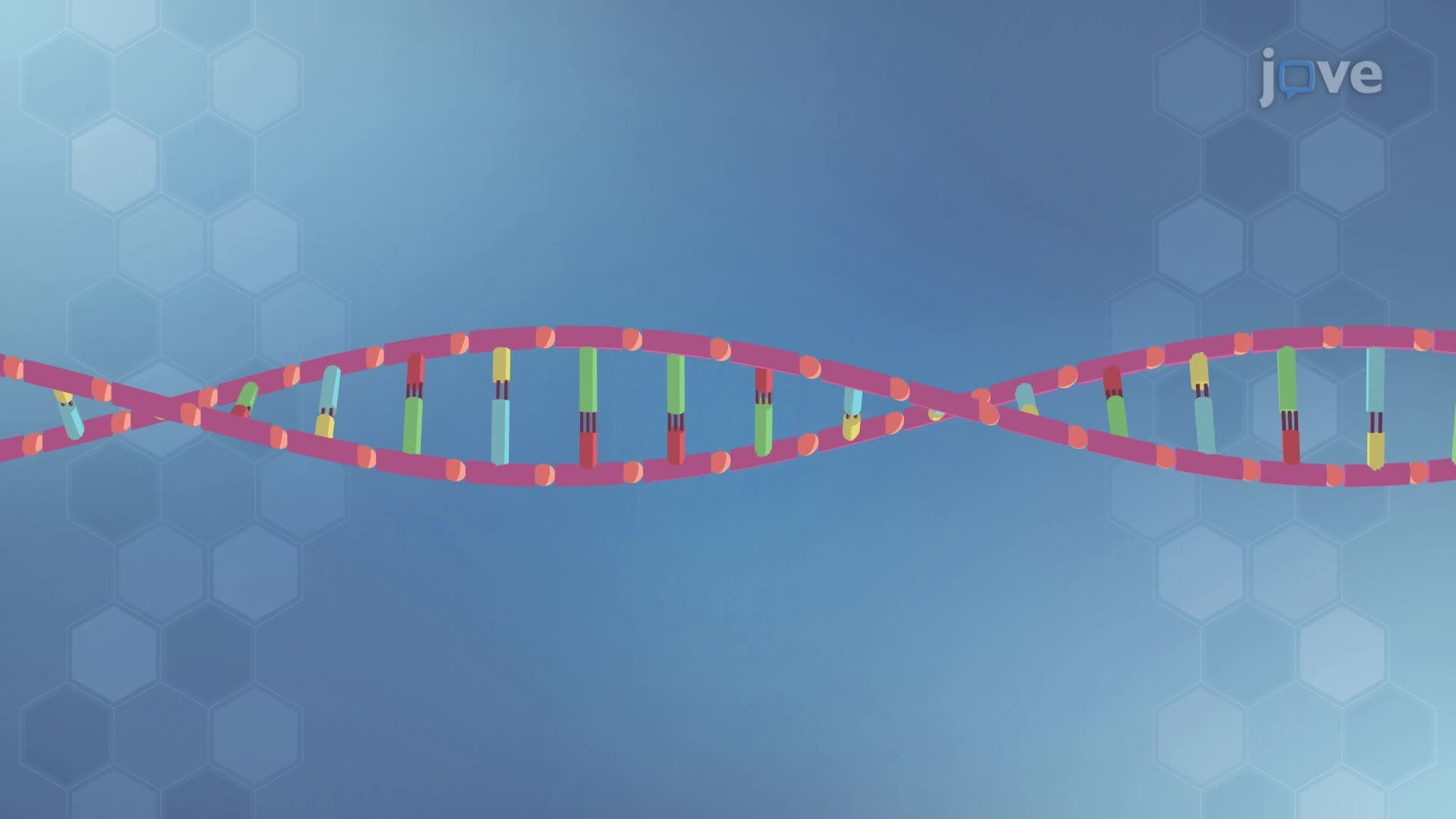
These adaptations emerge through gradual genetic modifications that accumulate over many generations. Students preparing for AP Biology exams should understand that adaptation is not a conscious process-organisms don't "try" to adapt. Rather, individuals with beneficial genetic variations survive and reproduce more successfully, passing these advantageous traits to their offspring.
This natural selection and mating preferences concept appears frequently in standardized exams, particularly the MCAT biology section and AP Biology tests. College-level evolutionary biology courses extensively cover these principles when examining speciation, population genetics, and behavioral ecology. Understanding these concepts proves essential for students pursuing careers in conservation biology, wildlife management, or medical research, where evolutionary principles inform everything from antibiotic resistance patterns to breeding program designs for endangered species recovery efforts.
Related Micro-courses