Loading subject page…


35,067 views


Video Summary: What Is Nervous System
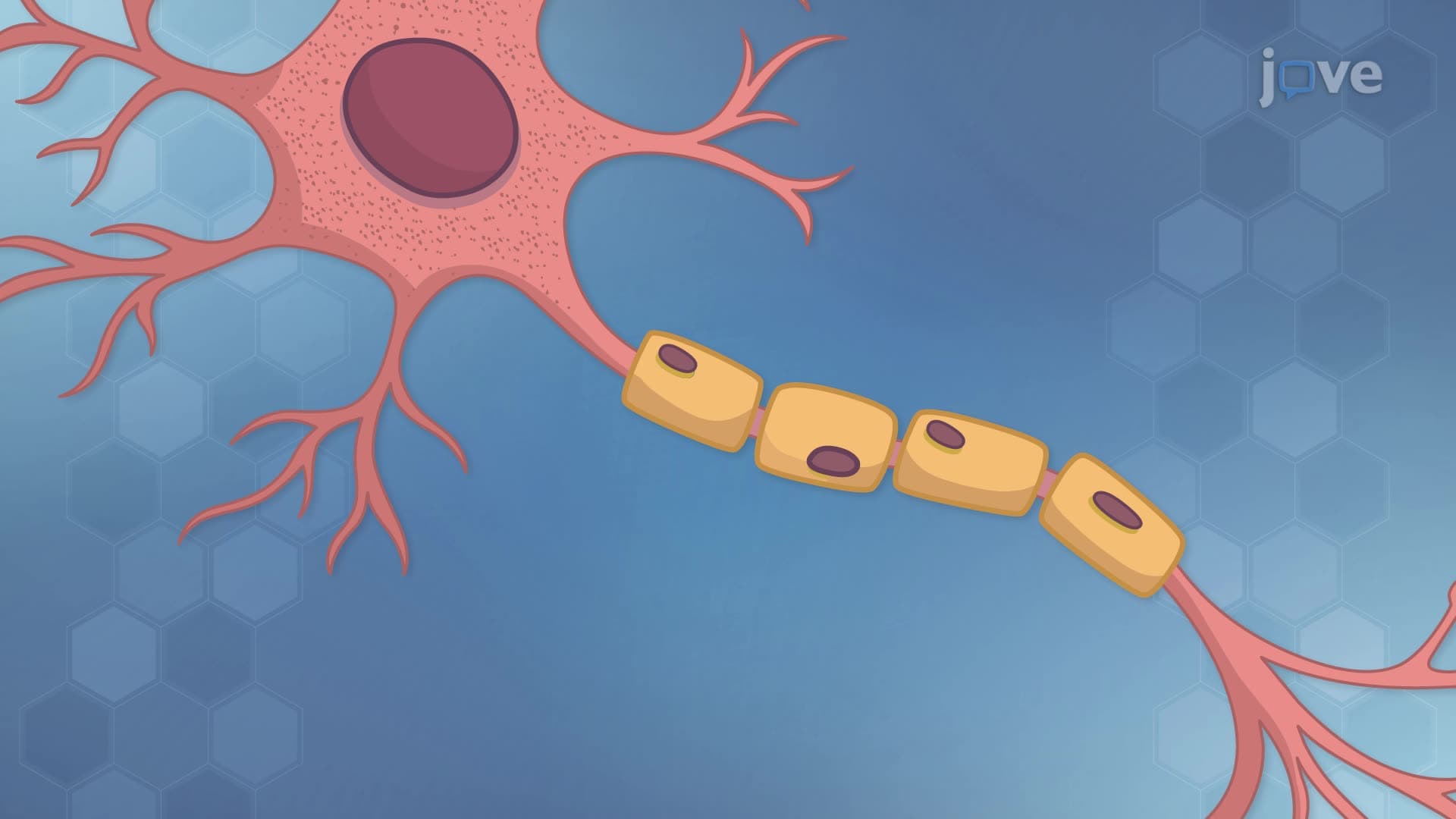
Ever wondered how you instantly pull your hand away from a hot stove? Neurons as communicators brain networks make this split-second reaction possible through electrical and chemical signals traveling at speeds up to 120 meters per second. When NFL quarterback Tom Brady reads a defense and throws a touchdown pass in under three seconds, his nervous system coordinates millions of neural communications between his eyes, brain, and muscles. This intricate network of specialized cells enables everything from conscious thought to involuntary breathing. Watch the full video on JoVE Coach to master this concept with expert-led visuals and step-by-step explanations.
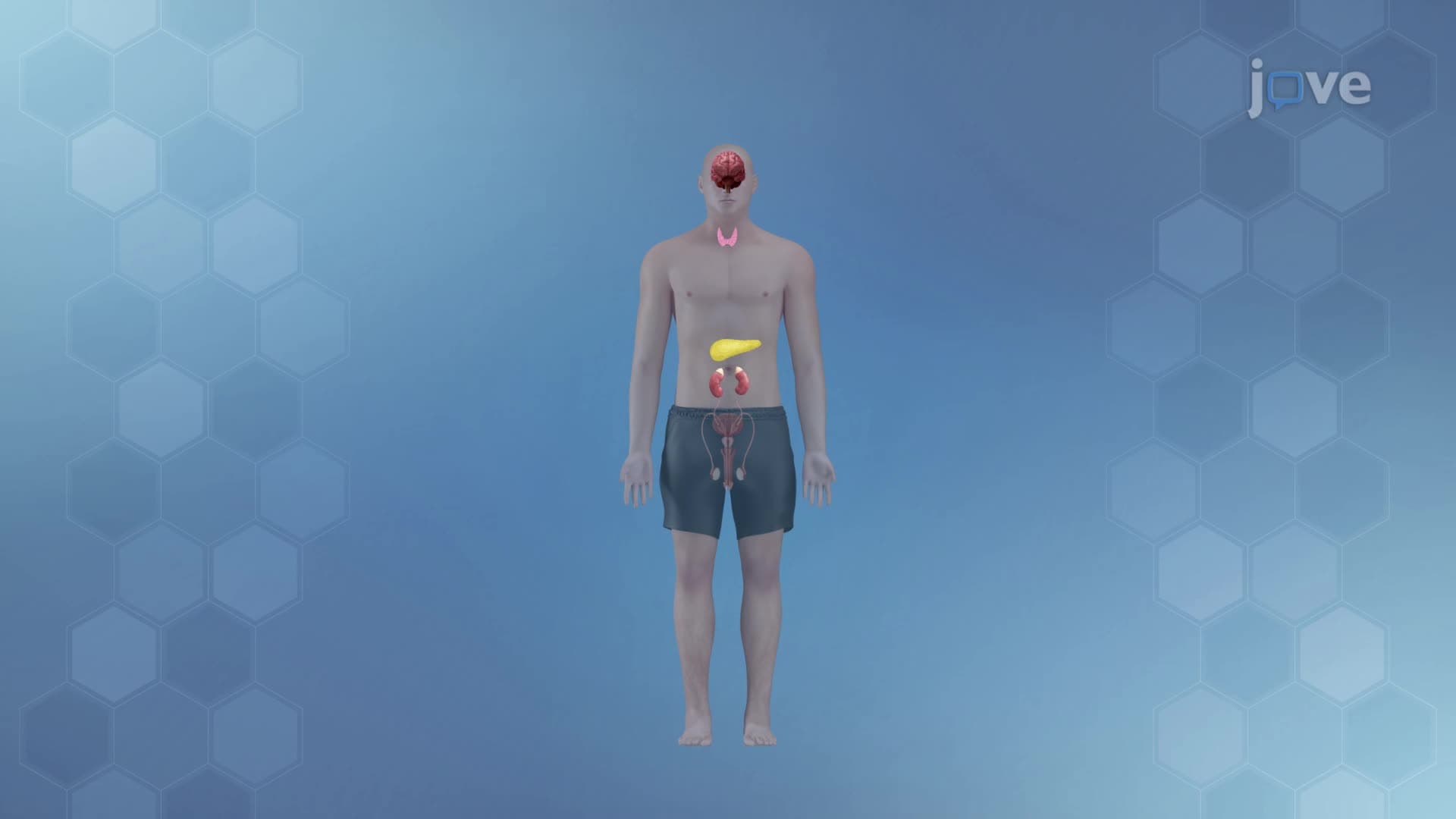
The nervous system represents one of biology's most sophisticated communication networks, rivaling the complexity of modern internet infrastructure. This intricate system coordinates every aspect of human experience, from the conscious decision to solve a calculus problem to the unconscious regulation of heart rhythm during sleep.
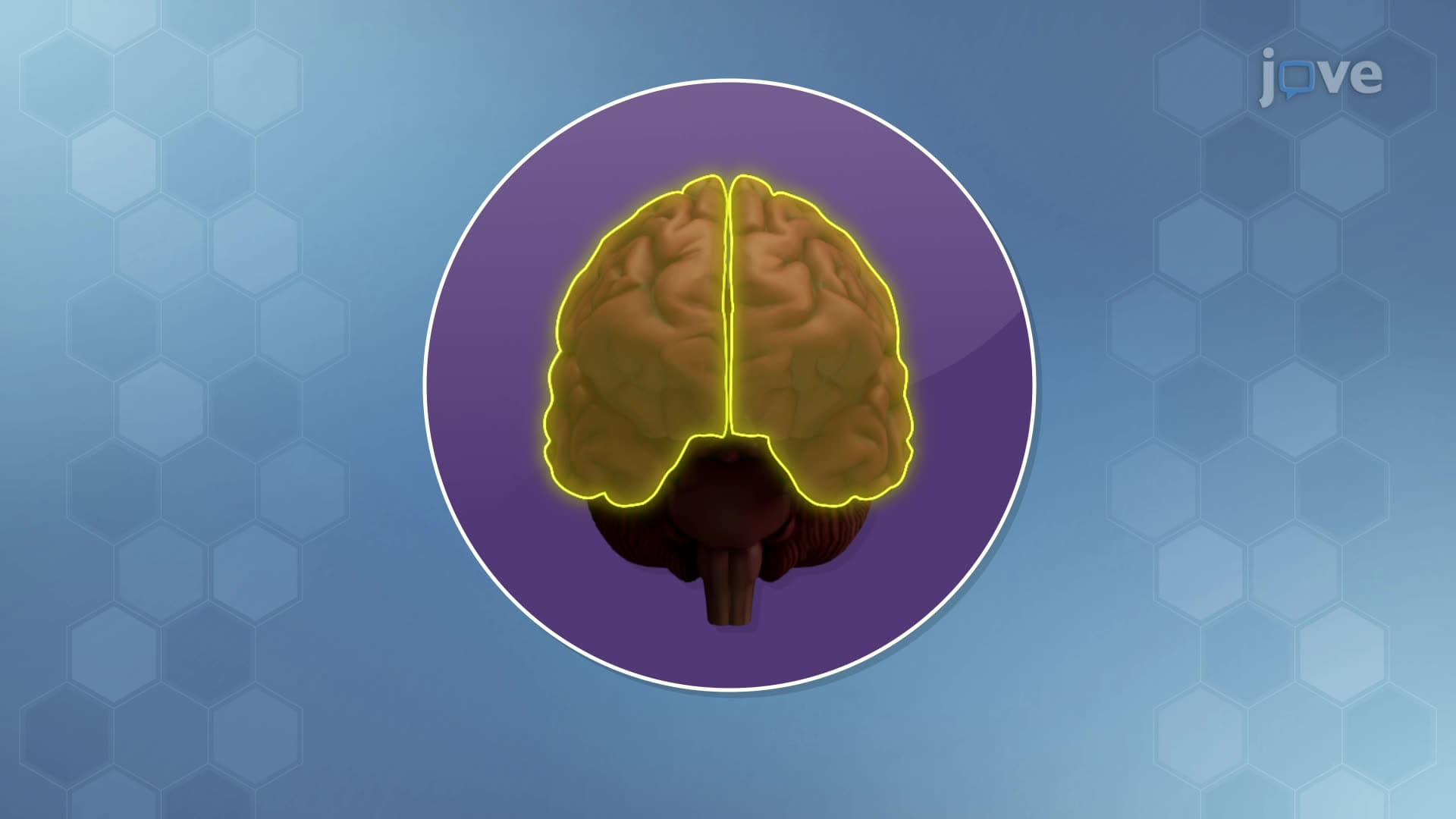
The central nervous system (CNS) functions as mission control for all bodily operations. The brain, weighing approximately three pounds, contains roughly 86 billion neurons as communicators brain cells that process information faster than any supercomputer. Different brain regions specialize in distinct functions: the frontal cortex handles executive decisions crucial for SAT reasoning sections, while the cerebellum coordinates the precise motor control needed for surgical procedures performed by neurosurgeons at Johns Hopkins Hospital.
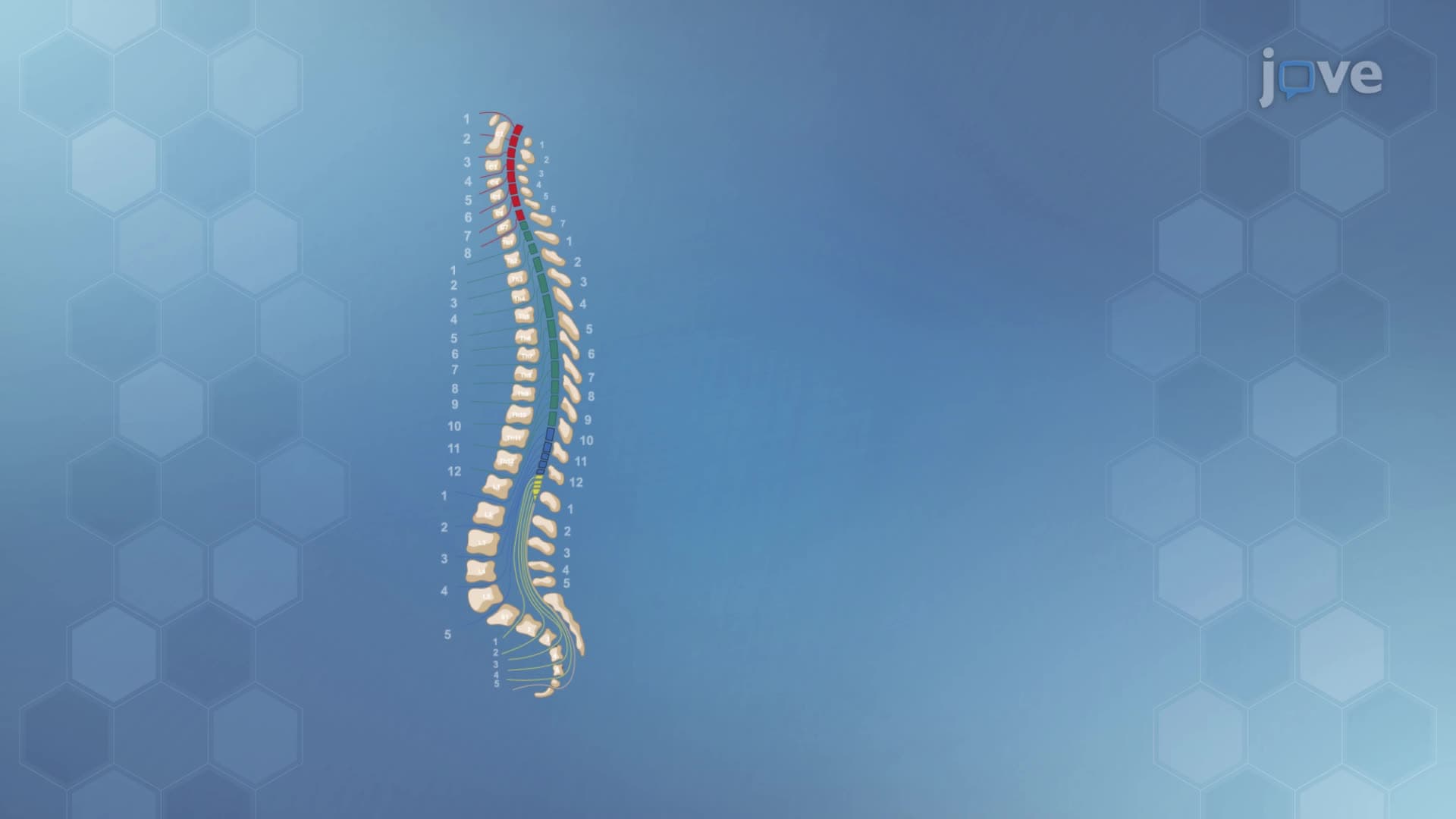
The spinal cord serves as the primary information highway, transmitting signals between the brain and peripheral body regions. When medical students study spinal cord injuries for the MCAT, they learn how damage at different vertebral levels produces predictable patterns of sensory and motor loss-demonstrating the system's organized structure.
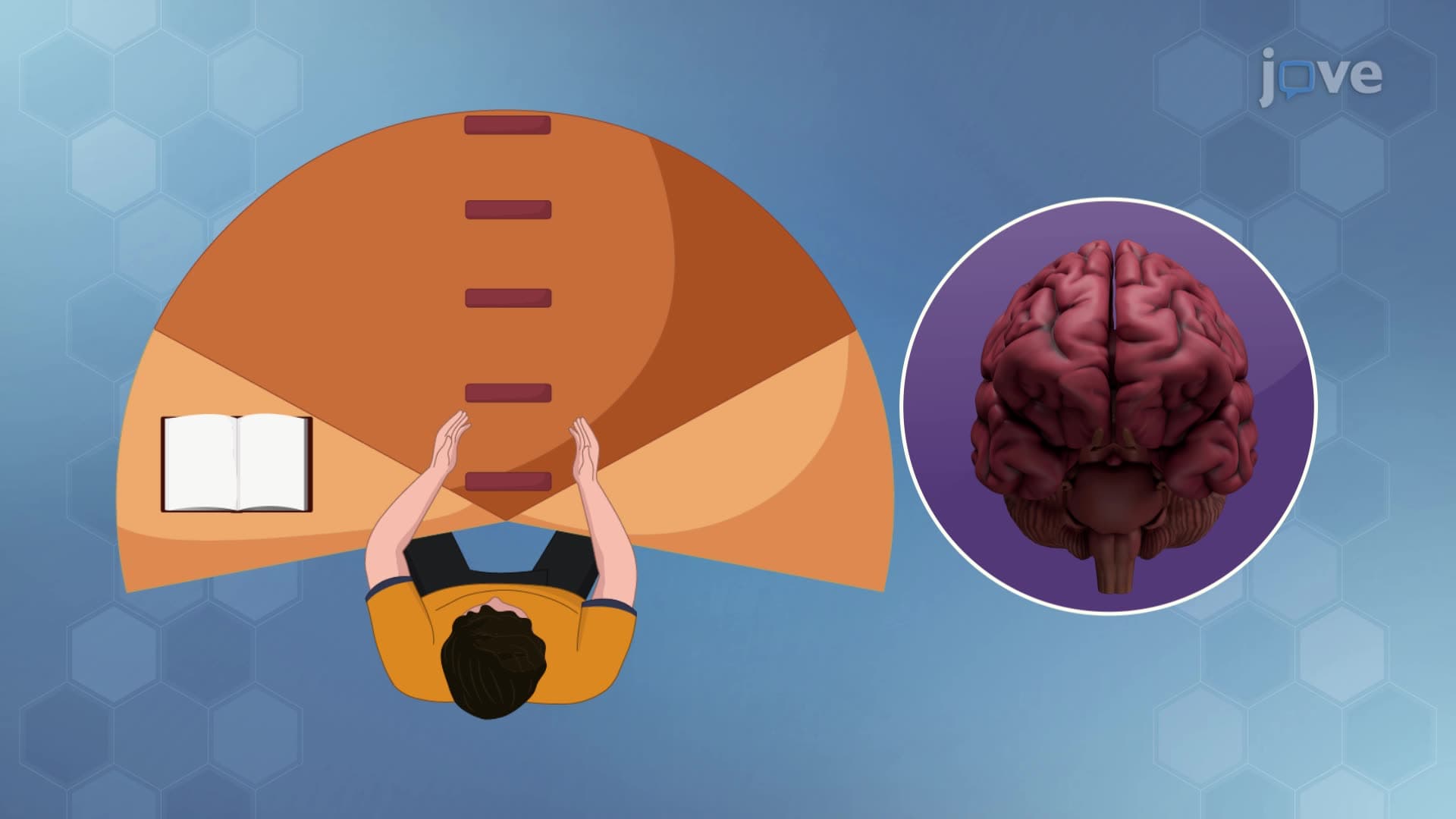
The peripheral nervous system (PNS) extends the CNS's reach to every corner of the body through an elaborate network of nerves. The somatic division controls voluntary movements like typing AP Biology essays, while sensory neurons relay environmental information back to the brain for processing. This bidirectional communication enables complex behaviors requiring real-time feedback, such as a basketball player adjusting their shot mid-flight.
The autonomic nervous system manages functions essential for survival without conscious intervention. The sympathetic division prepares the body for action-increasing heart rate and releasing stress hormones when students face challenging exams like the USMLE Step 1. Conversely, the parasympathetic system promotes recovery and maintenance activities, slowing heart rate and stimulating digestion during peaceful study sessions.
Understanding these neurons as communicators brain concepts proves essential for college-level biology courses and pre-health professional programs, where students must grasp how cellular-level events create organism-wide responses.
Related Micro-courses