Loading subject page…


35,067 views


Video Summary: What Is Neuronal Communication
Ever wonder how your brain processes the split-second decision to slam on brakes when a car suddenly stops ahead? Neurotransmitters are the chemical messengers that make this lightning-fast communication possible between neurons in your nervous system. These specialized molecules bridge the microscopic gaps between brain cells, allowing electrical signals to jump from one neuron to another-much like how emergency responders coordinate during a crisis at Houston Methodist Hospital. Watch the full video on JoVE Coach to master this concept with expert-led visuals and step-by-step explanations.
Neuronal communication represents one of biology's most sophisticated information transfer systems. Unlike simple electrical circuits, neurons must convert electrical energy into chemical signals and back again, creating a complex relay system that enables everything from breathing reflexes to solving calculus problems on the SAT Math section.
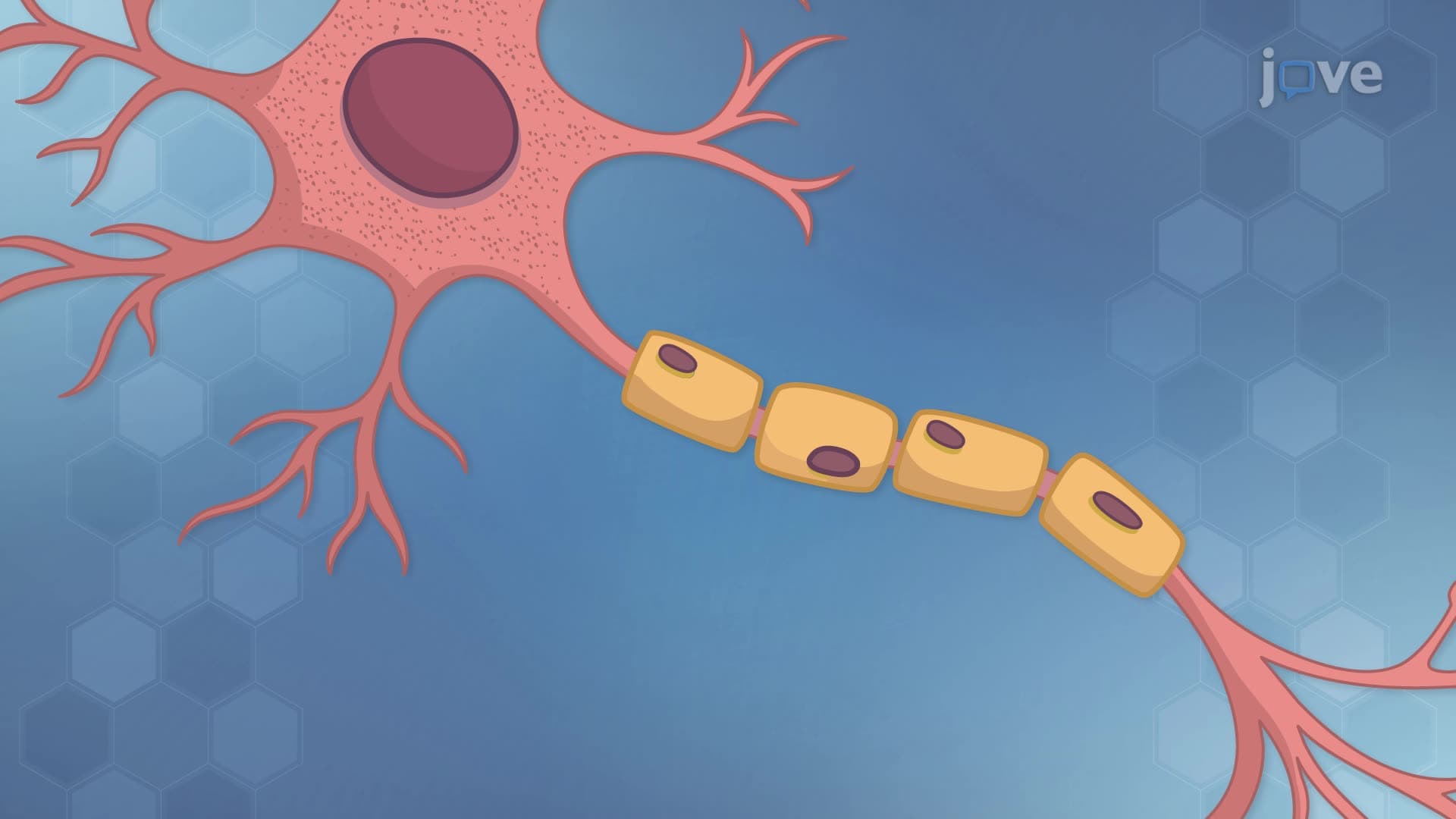
The process begins when a neuron reaches its threshold potential-typically around -55 millivolts. This triggers an action potential, an electrical wave that races down the axon at speeds up to 120 meters per second. When this electrical signal reaches the axon terminal, it encounters the synapse, a microscopic gap measuring roughly 20-40 nanometers wide.
Types of neurotransmitters fall into several major categories, each serving distinct functions. Acetylcholine controls muscle contractions and memory formation-patients with Alzheimer's disease often have depleted acetylcholine levels. Dopamine regulates reward pathways and motor control; its deficiency causes Parkinson's disease, affecting over one million Americans. Serotonin influences mood and sleep patterns, which explains why many antidepressants target serotonin systems.
Electrical synapses, found in cardiac muscle and some brain regions like the hypothalamus, allow direct ion flow through gap junctions. These connections enable instantaneous communication-crucial for synchronized heartbeats that keep blood flowing to organs like those studied at Johns Hopkins Medical School.
Chemical synapses, though slower, offer incredible precision and flexibility. When calcium ions flood the presynaptic terminal, they trigger vesicle fusion with the membrane, releasing thousands of neurotransmitter molecules into the synaptic cleft. This process, called exocytosis, allows for signal modulation-the difference between a gentle tap and a firm handshake.
Understanding what are neurotransmitters overview becomes essential for pre-med students tackling the MCAT's biological sciences section. Questions often focus on neurotransmitter dysfunction in conditions like depression (serotonin), ADHD (dopamine/norepinephrine), and anxiety disorders (GABA). AP Biology students frequently encounter neuronal communication in Unit 5, where understanding synaptic transmission helps explain how organisms respond to environmental stimuli.
Related Micro-courses