Loading subject page…


35,068 views

Video Summary: What Is Neurons as Communicators Brain
Did you know that when you pull your hand away from a hot stove, your neurons transmit that pain signal at speeds up to 120 meters per second? Neuronal communication forms the foundation of every thought, movement, and sensation in your body. From a medical student studying for the MCAT to understanding how anesthesia works during surgery at Johns Hopkins Hospital, grasping what neurons as communicators brain means is essential for anyone pursuing healthcare or neuroscience. Watch the full video on JoVE Coach to master this concept with expert-led visuals and step-by-step explanations.
Neuronal communication represents one of the most sophisticated information processing systems in biology. When we examine what neurons as communicators brain truly means, we're exploring how approximately 86 billion neurons in the human brain coordinate to produce consciousness, movement, and thought. This neuronal communication definition encompasses both the structural design of these cells and their functional capabilities as biological messengers.
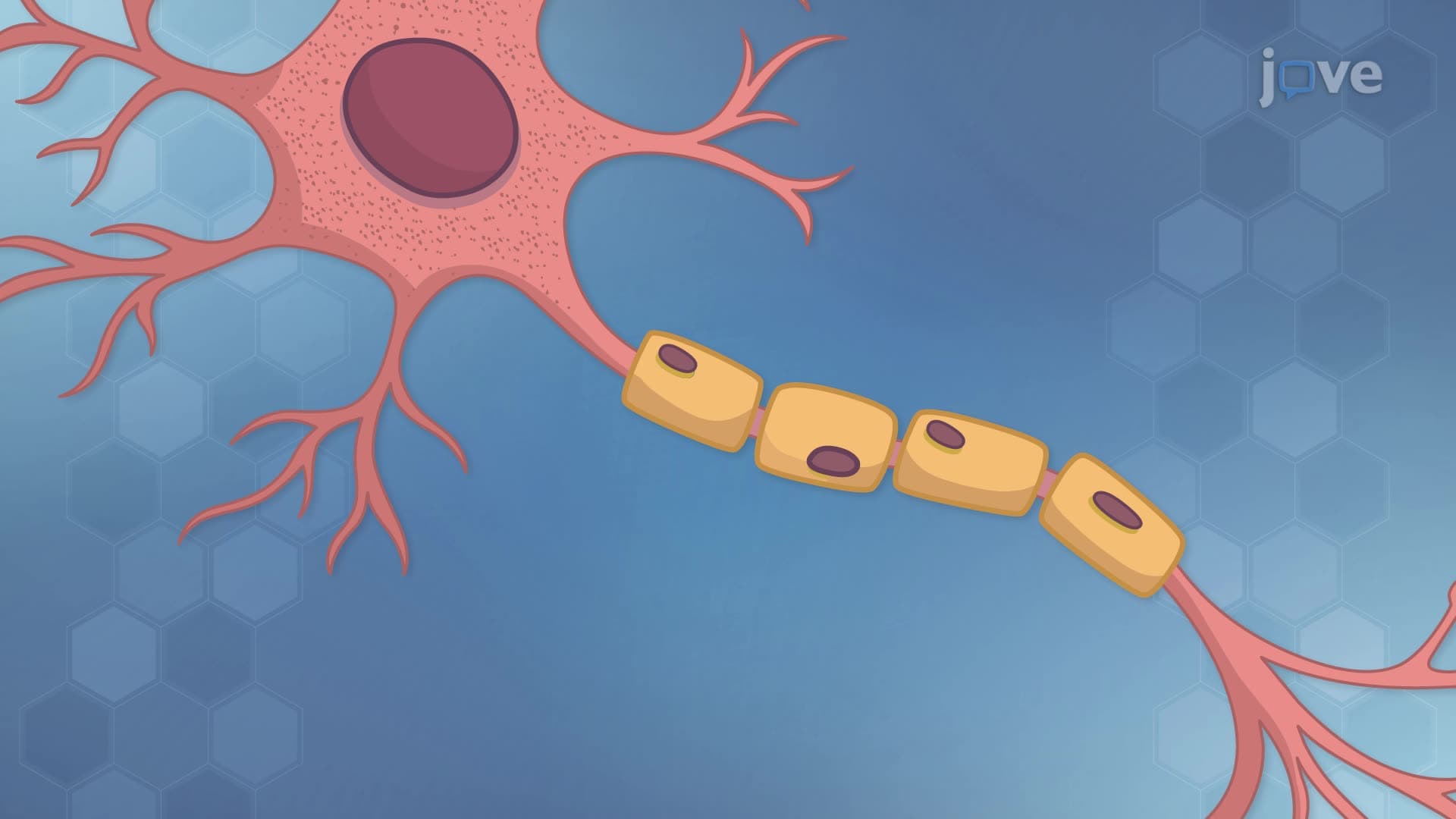
The architecture of neurons reflects their communication specialty. The cell body, or soma, serves as the neuron's command center, housing the nucleus and manufacturing the proteins and enzymes essential for neuronal communication basics. Think of it as a cellular factory producing the molecular machinery needed for signal transmission.
Dendrites function as the neuron's antenna system, extending like tree branches to maximize surface area for receiving signals. A single neuron can have thousands of dendritic branches, allowing it to receive input from numerous other neurons simultaneously. This branching pattern is crucial for understanding neuronal communication in complex neural circuits, such as those involved in learning and memory formation at institutions like Stanford University's neuroscience research labs.
The axon serves as the neuron's transmission cable, sometimes stretching remarkable distances. In humans, some axons extend from the brain to the lower spinal cord-over three feet long. These lengthy projections enable neuronal communication in detail across vast distances within the body, explaining how brain signals can control muscle movements in your toes.
The myelin sheath represents an evolutionary masterpiece in neuronal communication concept optimization. Composed of fatty cells that wrap around axons like electrical tape around a wire, myelin prevents signal loss and dramatically increases transmission speed. Multiple sclerosis, a condition affecting over 1 million Americans, demonstrates myelin's critical importance-when this insulation deteriorates, neuronal communication becomes severely impaired, leading to coordination and cognitive difficulties.
For students preparing for the MCAT or AP Biology exams, neuronal communication overview knowledge is fundamental. Medical schools like Harvard and UCLA emphasize these concepts because understanding neural signaling is essential for diagnosing conditions ranging from Alzheimer's disease to peripheral neuropathy. In practical terms, anesthesiologists at hospitals like Mayo Clinic rely on neuronal communication study guide principles when administering medications that temporarily block neural signals during surgery.
Related Micro-courses